

`megafauna` Related Article Results
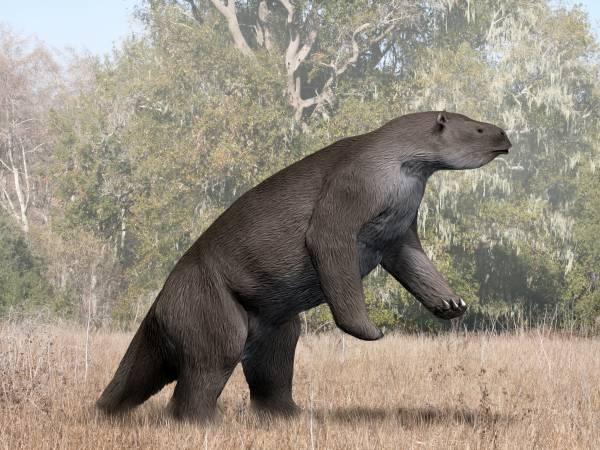
Megatherium
Megatherium is a genus of extinct animals belonging to the family Megatheriidae that lived during the Pleistocene epoch. The species was first discovered in 1788 in the Luján region of Argentina and described by Cuvier. The most well-known species of this genus is Megatherium americanum, which is regarded as one of the largest land mammals of prehistoric times, reaching weights of approximately four tons and lengths of up to six meters. The genus name derives from the Greek for “great beast.” Me
EN
Ertuğrul Erdağlı
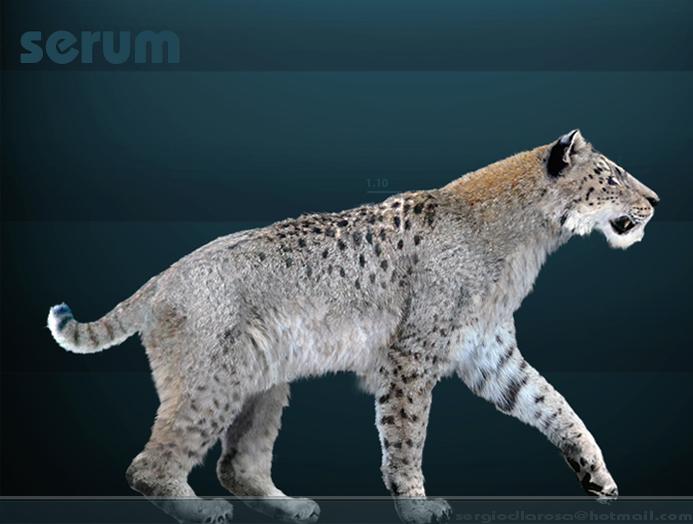
Homotherium
Homotherium is an extinct genus of saber-toothed cat belonging to the subfamily Machairodontinae within the family Felidae and the tribe Homotherini. This genus was first described by Fabrini in 1890. Homotherium persisted from the Pliocene until the end of the Pleistocene and was widely distributed across Eurasia, Africa, and North America. As one of the best-known machairodontine genera, Homotherium is commonly referred to as a saber-toothed cat, yet it possesses distinct and specialized morph
ENErtuğrul Erdağlı
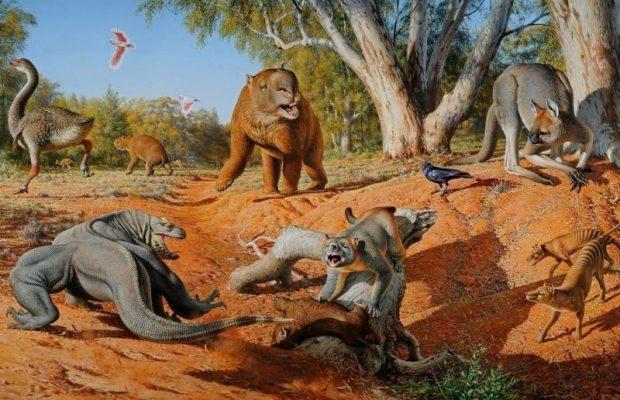
Megafauna
Megafauna The term megafauna refers to large-bodied black vertebrates. These concept can be classified in two different ways within an ecological context. In most definitions, megafauna are considered to be animals weighing more than 44 kg; however, in some studies, particularly those focusing on ecosystem engineering and seed dispersal like ecological functions, a stricter threshold of more than 1000 kg is used. This second definition encompasses very large animals such as those from the Pleist
EN
Ertuğrul Erdağlı
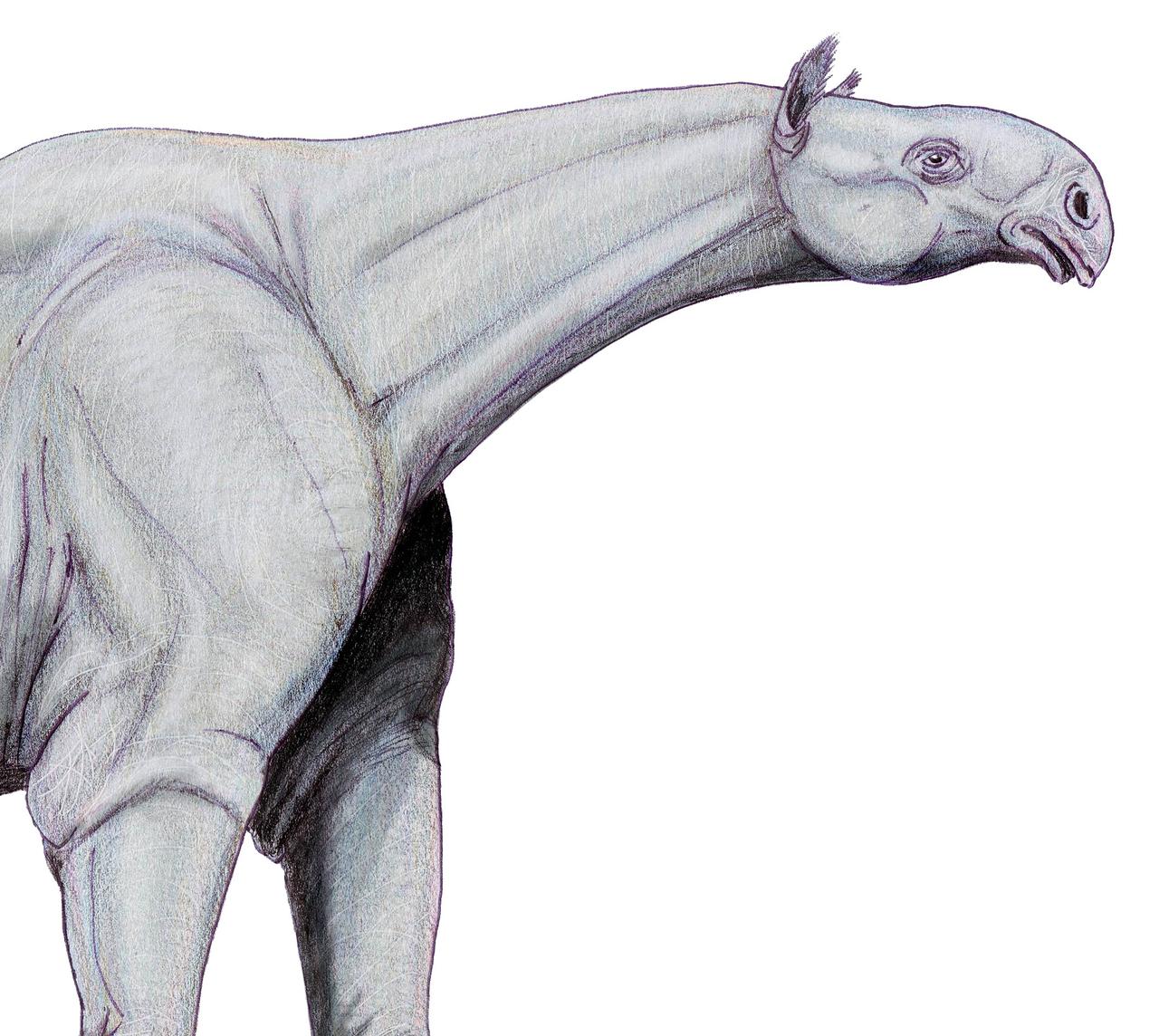
Paraceratherium
Paraceratherium is an extinct genus of perissodactyl (odd-toed) mammal that lived from the Early Miocene to the Late Oligocene. It is generally regarded as the largest mammal to have ever lived. Remains of this giant animal have been found particularly in Asia; China, Mongolia, Kazakhstan, Pakistan and Türkiye like regions. First described in 1911 by C. Forster-Cooper, Paraceratherium belongs to the subfamily Indricotheriinae and is classified within the superfamily Rhinocerotoidea. Systematic P
ENErtuğrul Erdağlı
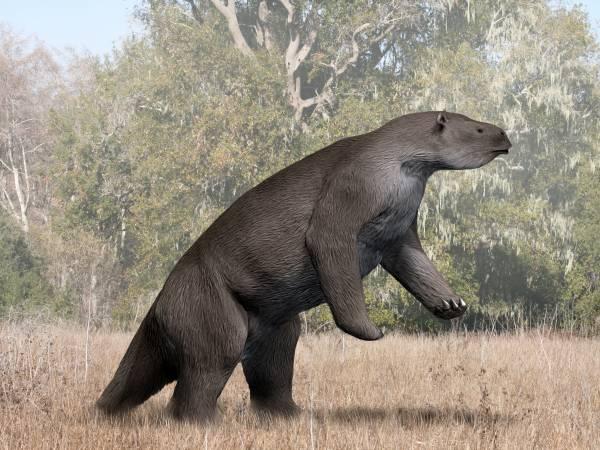
Megatherium
Megatherium, Pleistosen döneminde yaşamış olan ve günümüzde soyu tükenmiş Megatheriidae familyasına ait dev kara tembel hayvanlarının cinsidir. Tür ilk kez 1788'de Arjantin'in Luján bölgesinde keşfedilmiş ve Cuvier tarafından tanımlanmıştır. Bu cinsin en bilinen türü Megatherium americanum olup yaklaşık 4 ton ağırlığı ve 6 metreye ulaşan boyutlarıyla tarih öncesi dönemlerin en büyük kara memelilerinden biri olarak kabul edilir. Cins adı, Yunanca "büyük canavar" anlamına gelir. Megatherium, bitki
TRErtuğrul Erdağlı
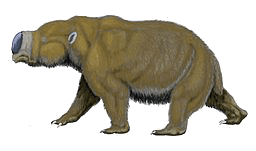
Diprotodon
Avustralya kıtasında yaşamış en büyük keseli memeli olarak kabul edilir ve Pleistosen dönemi megafaunasının en çarpıcı üyelerinden biridir. Yaklaşık üç metre uzunluğa ve omuzda 1,8 metre yüksekliğe ulaşabilen bu devasa hayvan, 2500 kilogramı aşan kütlesiyle çağdaşı memelilerin çoğundan belirgin biçimde ayrılmaktaydı. Ekolojik olarak Avustralya'nın otobur "büyük av hayvanı" rolünü üstlenen Diprotodon, benzer dönemde Avrasya’da mamutlar ve Amerika’da mastodonlar tarafından temsil edilen megaherbiv
TRErtuğrul Erdağlı
Diprotodon
Diprotodon is recognized as the largest marsupial to have ever lived on the Australia continent and one of the most striking members of the Pleistocene megafauna. This massive animal, reaching lengths of approximately three metres and shoulder heights of 1.8 metres, was distinctly larger than most contemporary mammals, with a mass exceeding 2500 kilograms. Ecologically, Diprotodon fulfilled the role of Australia’s dominant herbivorous “big av animal,” occupying the megaherbivore niche represente
ENErtuğrul Erdağlı
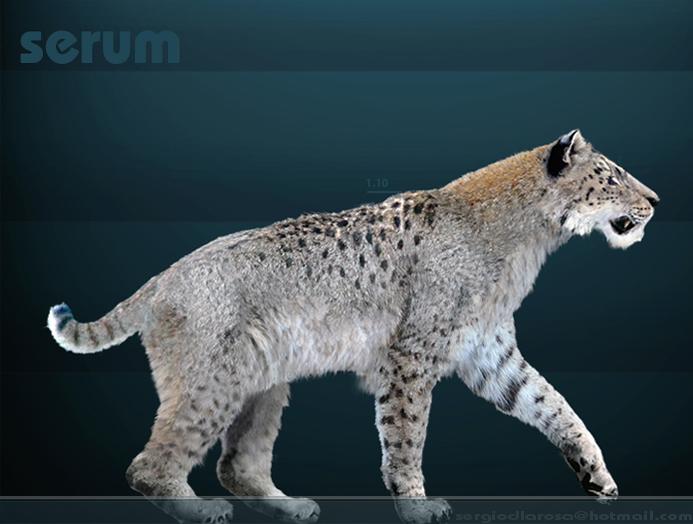
Homotherium
Homotherium, soyu tükenmiş bir kılıç dişli kedi cinsi olup, Felidae familyası içinde Machairodontinae alt familyasına ve Homotherini kabilesine dâhildir. Bu cins ilk olarak 1890 yılında Fabrini tarafından tanımlanmıştır. Homotherium, Pliyosen’den Pleistosen sonuna kadar varlığını sürdürmüş ve hem Avrasya, hem Afrika hem de Kuzey Amerika'da geniş bir coğrafyaya yayılmıştır. Bilinen en yaygın machairodontin cinslerinden biri olan Homotherium, genellikle sabre-toothed cat yani kılıç dişli kedi olar
TRErtuğrul Erdağlı
Paraceratherium
Paraceratherium, Erken Miyosen'den Geç Oligosen'e uzanan dönemde yaşamış, soyu tükenmiş bir dev perissodaktil (tek toynaklı) memeli cinsidir. Genellikle şimdiye dek yaşamış en büyük kara memelisi olarak kabul edilir. Bu dev hayvanın kalıntıları özellikle Asya'da; Çin, Moğolistan, Kazakistan, Pakistan ve Türkiye gibi bölgelerde bulunmuştur. İlk olarak 1911 yılında C. Forster-Cooper tarafından tanımlanan Paraceratherium, Indricotheriinae altfamilyasına ait olup Rhinocerotoidea üstfamilyasında sını
TRErtuğrul Erdağlı
Megafauna
Megafauna Megafauna terimi, büyük vücut kütlesine sahip kara omurgalılarını tanımlar. Bu kavram, ekolojik bağlamda iki farklı şekilde sınıflandırılabilir. En yaygın tanımlarda megafaunalar, 44 kg üzeri canlılar olarak kabul edilirken; bazı çalışmalarda, özellikle ekosistem mühendisliği ve tohum yayılımı gibi ekolojik işlevler açısından daha katı bir eşik olan 1000 kg üzeri tanımı kullanılır. Bu ikinci tanım, özellikle Güney Amerika’daki Pleistosen dönemi memelileri gibi çok büyük hayvanları kaps
TRErtuğrul Erdağlı