

`laboratory` Related Article Results

Axolotl
The axolotl is a charming aquatic creature that appears to be smiling at first glance. While most salamanders move onto land as they mature, the axolotl remains in water throughout its entire life. It breathes through feathery gills located on either side of its head. Its most remarkable feature is its ability to regenerate lost body parts. For this reason, the axolotl captures the interest of both children and scientists. An image of an axolotl. (Generated by Artificial Intelligence.) " image-e
EN
Rabia Bayrak

Astatine Element
Astatine is a rare and radioactive element with the symbol At and atomic number 85. It occurs in nature in extremely small quantities and has short-lived radioactive properties. It is difficult to observe and can only be studied in laboratory conditions. History Astatine was first synthesized in 1940 by American chemists. Its name derives from the Greek word “astatos,” meaning “not stable,” due to its high radioactivity and rapid decay. Physical Properties Astatine has a metallic appearance, but
EN
İbrahim Filiz
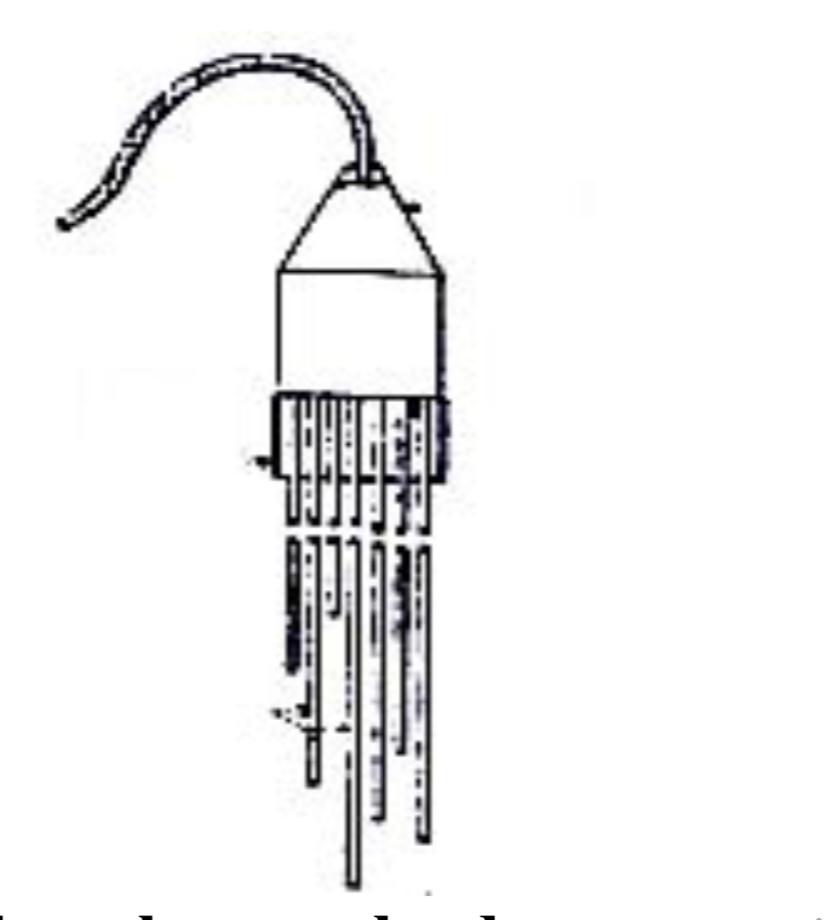
Sampling from Gases
The gas phase is the most difficult phase for sampling due to its properties. Sampling Methods and Equipment Sampling Gases Flowing Through Pipes This device consists of a series of fine tubes of varying lengths and is installed so that the longest tube aligns with the axis of the pipe through which the gas flows. This device is primarily used for discrete sampling. Sampling Gas from a Tank The device consists of a pressure gauge, a velocity measurement flask, a gas meter, a pressure control met
EN
Esma Çalğan
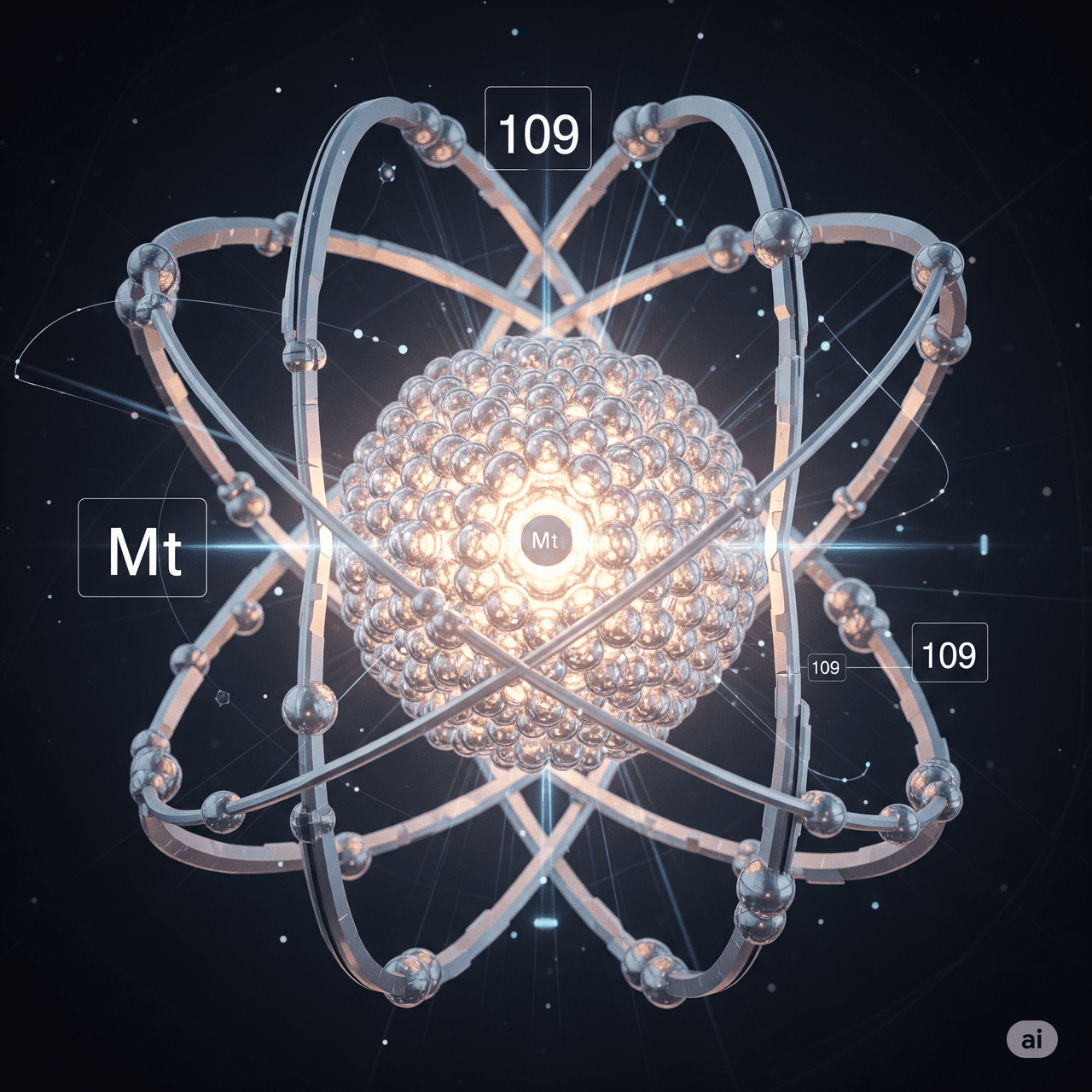
Meitnerium
Meitnerium is a synthetic element with the symbol Mt and atomic number 109. It does not occur naturally and is produced only in laboratories. It is radioactive and has a very short half-life. Scientists study this rare element to understand the properties of superheavy elements. History Meitnerium was discovered in 1982 at the GSI Helmholtz Centre for Heavy Ion Research in Darmstadt, Germany. Its name is derived from the renowned physicist Lise Meitner. The discovery of meitnerium marked a signi
ENİbrahim Filiz

Copernicium Element
Copernicium is a synthetic element with the symbol Cn and atomic number 112. It does not occur naturally and is produced only in laboratory conditions. It is radioactive and has a very short half-life. Scientists study this rare element to understand the behavior of superheavy elements. History Copernicium was discovered in 1996 in Germany. Its name is derived from the renowned astronomer Nicolaus Copernicus. The discovery of this element marked a significant milestone in research on superheavy
ENİbrahim Filiz
 Ja
JaJabir ibn Hayyan
Jābir ibn Hayyān was a Muslim scientist who lived in the 8th century. There is debate about his place of birth: was it Khurasan or Kufa? But one thing we are certain of is that he transformed chemistry from alchemy into a science. The First Hero of the Laboratory Jābir knew that chemistry could not advance without experimentation. He became one of the first people to establish a laboratory and conduct experiments. Glass flasks, alembics, retorts—all came to life in his hands. Curious about how g
EN
İbrahim Mert Akbaş

Tennessee Element
Tennessine is the element with atomic number 117 in the periodic table and belongs to the group of superheavy elements. It is radioactive and does not occur naturally; it is entirely synthesized in laboratory conditions. Therefore, it is not an element we can encounter in daily life and can only be observed by scientists. Classification and Basic Properties Tennessine is a member of the halogen group and has the symbol “Ts”. Due to its high atomic number, it is categorized as a superheavy elemen
EN
Rüya Dumlu

My Summer Internship at Harvard
Hello, I’m Salih. I have just entered my fourth year in the English-language medical program at Cerrahpaşa Faculty of Medicine. This summer, I completed a 1.5-month internship at Harvard Medical School. My internship was based at Brigham and Women’s Hospital, affiliated with Harvard Medical School. Doing an internship in the United States offers many benefits, and I will share many of them with you. Education I spent most of my time in the laboratory where I was accepted at Brigham and Women’s H
EN
Salih Gönen

Laboratory Automation
Laboratory automation is a comprehensive technological infrastructure that enables all processes in clinical and industrial laboratories—from sample acceptance through analysis, data management, to result reporting—to be carried out via robotic systems, automated analyzers, and integrated software. This structure enhances the speed, accuracy, and consistency of operations by minimizing human intervention. The widespread adoption of these systems in modern laboratories is primarily driven by incr
EN
Ömer Said Aydın
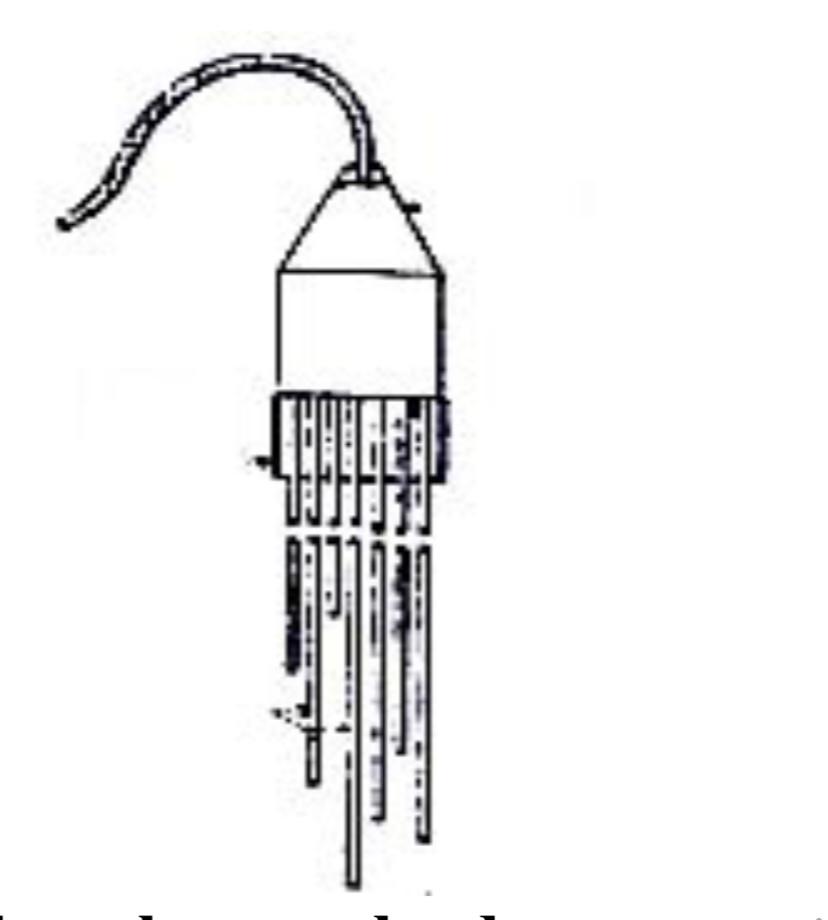
Sampling from Gases
The gas phase is the most difficult phase to sample due to its inherent properties sample. Sampling Methods and Equipment Sampling Gases Flowing Through Pipes This device consists of a thin series tube of varying length, positioned so that its tip aligns with the axis of the pipe through which the gas flows. This device is primarily used for discrete sampling. Device for sampling gases flowing through pipes " image-alternate="" image-element-format="right"> Sampling Gas from Tanks A gas sampl
EN
Esma Çalğan