

`kulliye` Related Article Results
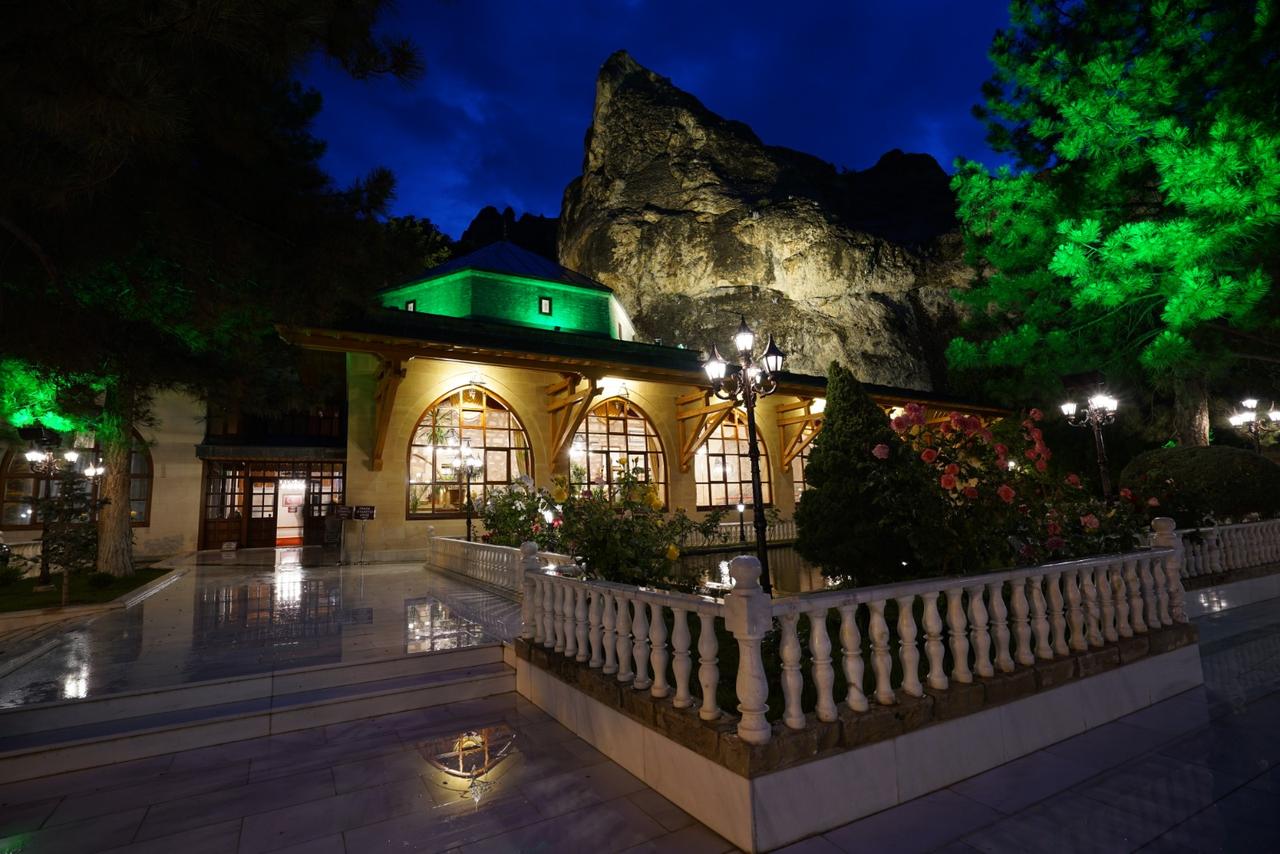
Somuncu Baba Mosque and Tomb
The Sheikh Hamid-i Vali (Somuncu Baba) Mosque and Tomb is a religious and cultural heritage site located in the Zaviye Neighborhood of Darende District, Malatya Province, Türkiye, beside the Tohma River. This complex is also known as the Somuncu Baba Külliyesi and comprises a multifaceted ensemble of structures including a mosque, tomb, cemetery, museum, library, fish pond, crown gate, additional mosques, and social facilities. Sheikh Hamid-i Vali (Somuncu Baba) Sheikh Hamid-i Vali, who lived in
EN
Beyzanur KOVANTÜRK
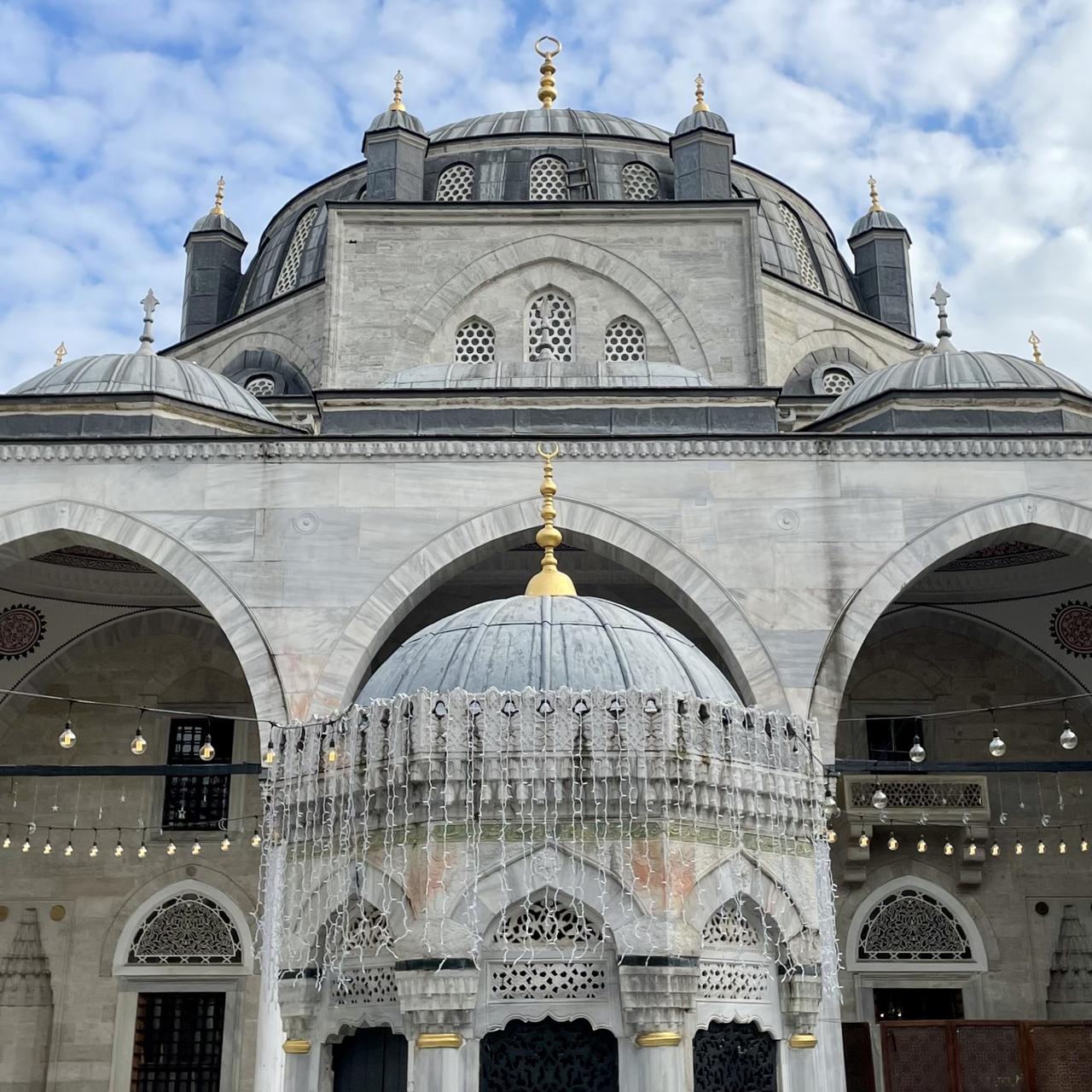
The Valide Sultans of Üsküdar
Üsküdar is a district of Istanbul unlike any other, distinguished by its steep slopes, fountains erected at nearly every street end, tombs, mosques, and the call to prayer still echoing across its squares. If you were to count the minarets you see from the moment you board the ferry at the waterfront until departure time, who knows how many centuries you would be witnessing… Before you stand the Mihrimah Sultan and Yeni Valide Camileri; beside them, Şemsi Paşa Mosque, also known as Kuşkonmaz
EN
Neriman Sena Külünk
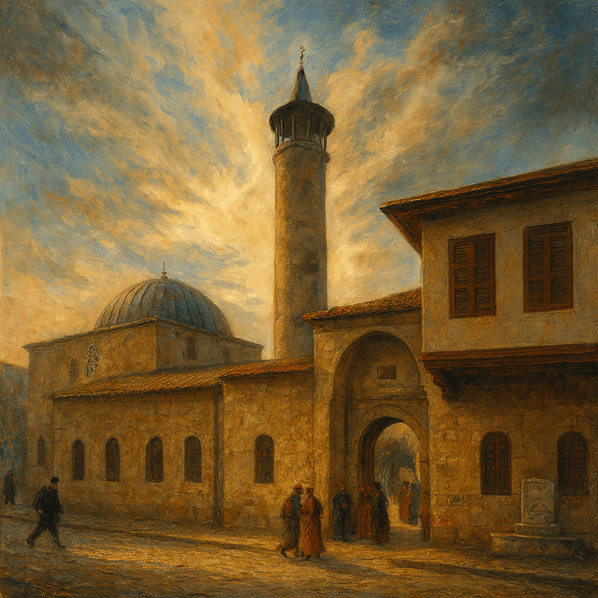
Habib-i Neccar Camii
The First Mosque in Anatolia The Habib-i Neccar Camii, located in the center of Antakya, is known as the oldest mosque within the borders of Türkiye. It was constructed in 638 CE, following the Muslim Arab conquest of Antakya. The mosque is named after Habib-i Neccar, a carpenter who believed in the disciples of Prophet Jesus and lost his life for this faith. His story is associated with the narrative recounted in the Yasin Sura of the Qur’an. (Generated by Artificial Intelligence) " image-eleme
EN
Hikmet Can Urhan
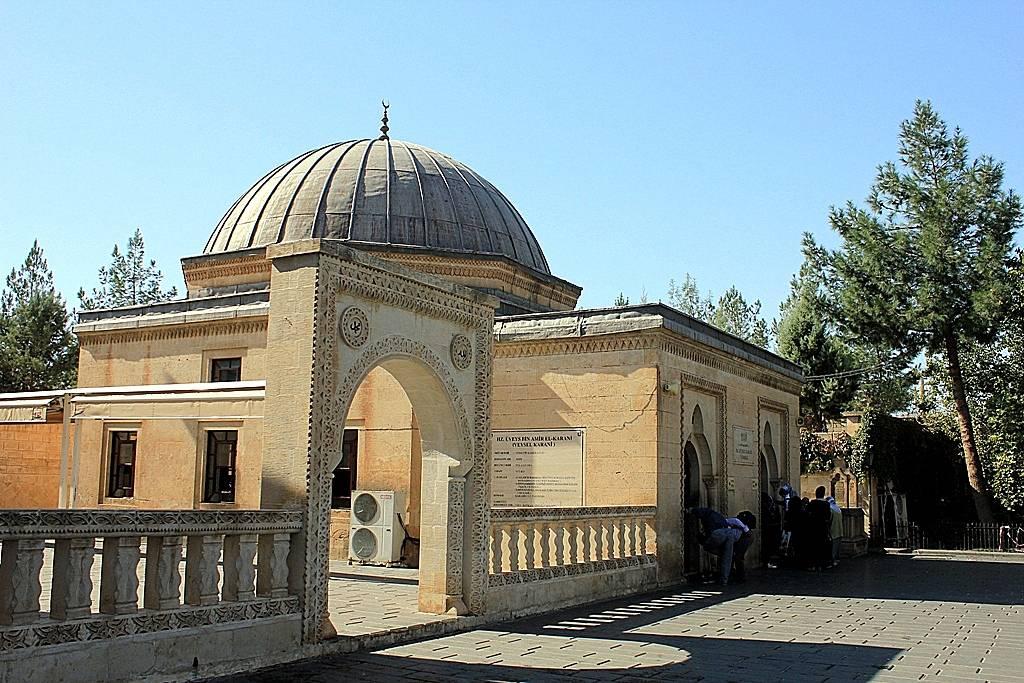
Veysel Karani Türbesi - Siirt
The Veysel Karani Türbesi is located in the Veysel Karani Village of the Baykan District, dependent on Siirt Province, along the Diyarbakır–Siirt highway. It is approximately 40 km from the provincial center and about 8 km from Baykan. The türbe is situated on a natural hilltop within an area characterized by dense religious structures and settlements. Historical Background and the Identity of Veysel Karani Hz. Veysel Karani (Üveys b. Âmir al-Karanî) was born in the village of Karen in Yemen and
EN
Mesut Akbaba
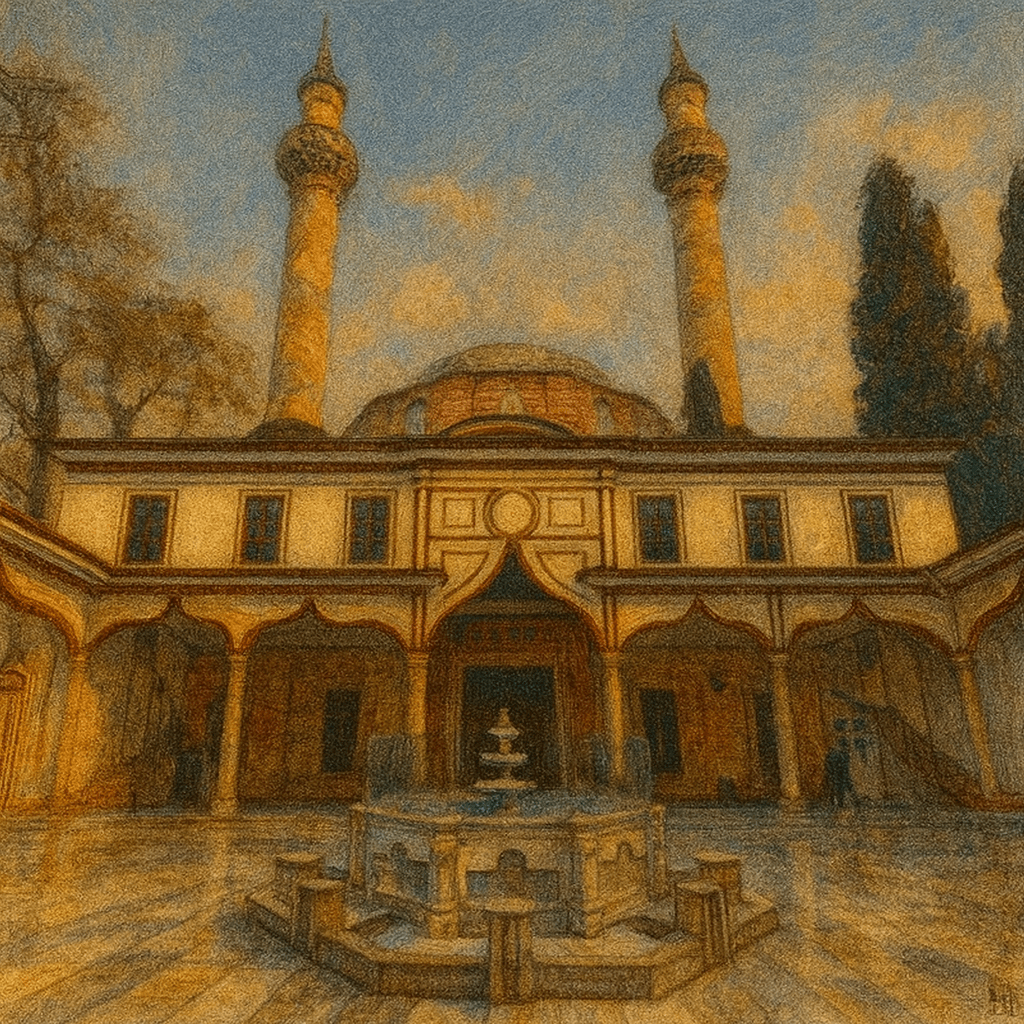
Emir Sultan Mausoleum
Emir Sultan Mausoleum is an octagonal, domed monumental tomb located in the courtyard of the Emir Sultan Camii in Bursa. Inside are the sarcophagi of Emir Sultan, a respected scholar and Sufi of the Ottoman period, his wife Hundi Hatun (Hundi Fatma Sultan), their son Emir Ali Çelebi, and two of their daughters. The structure, which had deteriorated over time, was restored in 1868 during the reign of Sultan Abdülaziz (at that time, II. Abdülhamid was still a prince). Above the eastern entrance, a
ENHikmet Can Urhan
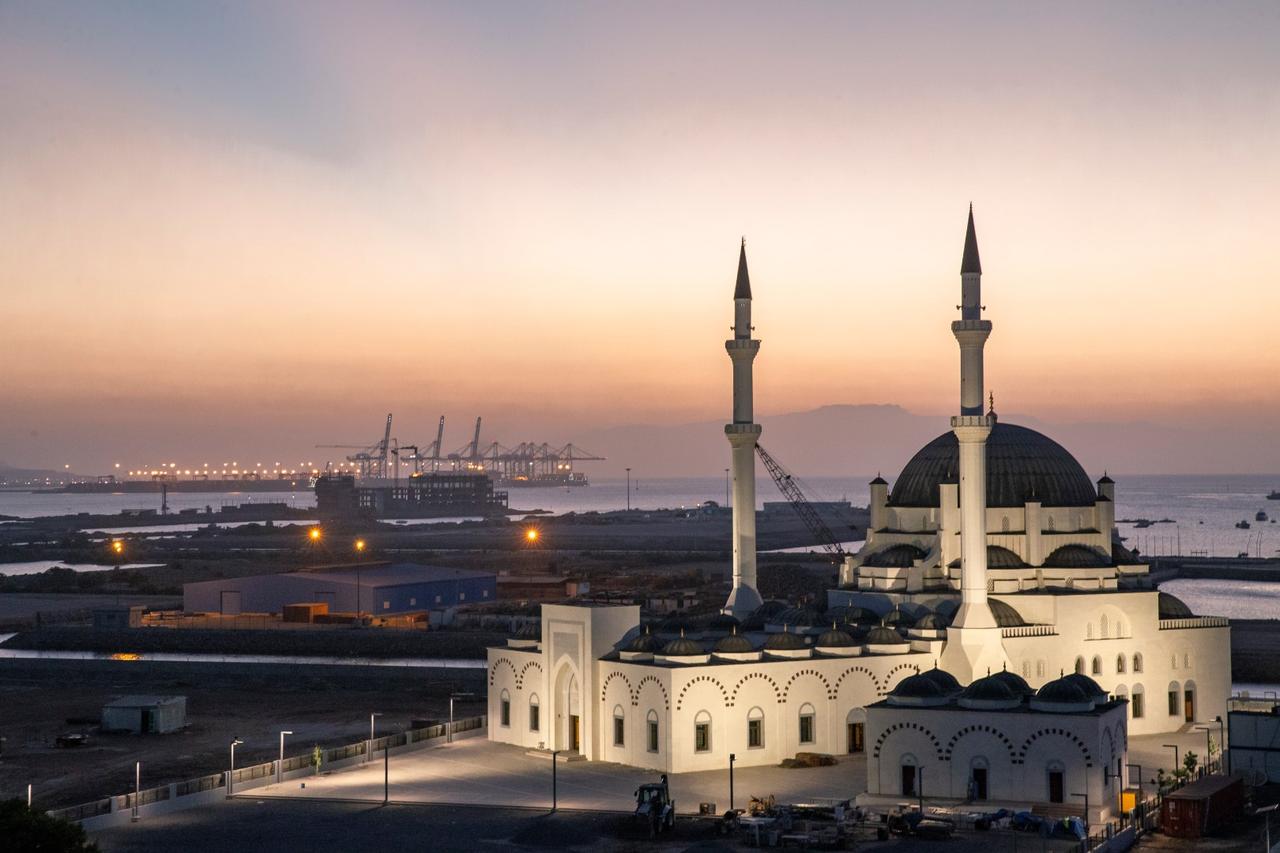
Djibouti 2 Abdülhamid Han Mosque and Complex
Djibouti 2nd Sultan Abdulhamid Mosque and Complex is a place of worship and religious complex located in the capital of the East African country Djibouti, featuring elements of Ottoman architecture and serving as the country’s largest mosque. The project, initiated by the Turkish Directorate of Religious Affairs in 2015, was completed and opened for service in 2019. Djibouti 2nd Sultan Abdulhamid Mosque – Exterior Facade and Minarets (Türkiye Diyanet Foundation) " image-alternate="" image-elemen
EN
Nurten Yalçın
Mihrişah Sultan Sıbyan Mektebi
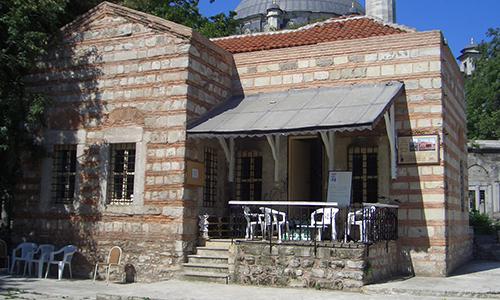
Mihrişah Sultan Sıbyan Mektebi is an L-shaped historical educational building constructed in 1795 by Mihrişah Valide Sultan as part of the Mihrişah Valide Sultan Külliyesi in Eyüpsultan and currently serves as a scout clubhouse. History and Location Mihrişah Sultan Sıbyan Mektebi was constructed simultaneously in 1795 (Hijri 1210) with the adjacent tomb, imaret and sebil. The building is located in the Eyüpsultan district of Istanbul on Bostan İskelesi Sokağı, to the east of Eyüp Sultan Camii. P
EN
Gözde Cabadak
Mama Hatun Türbesi
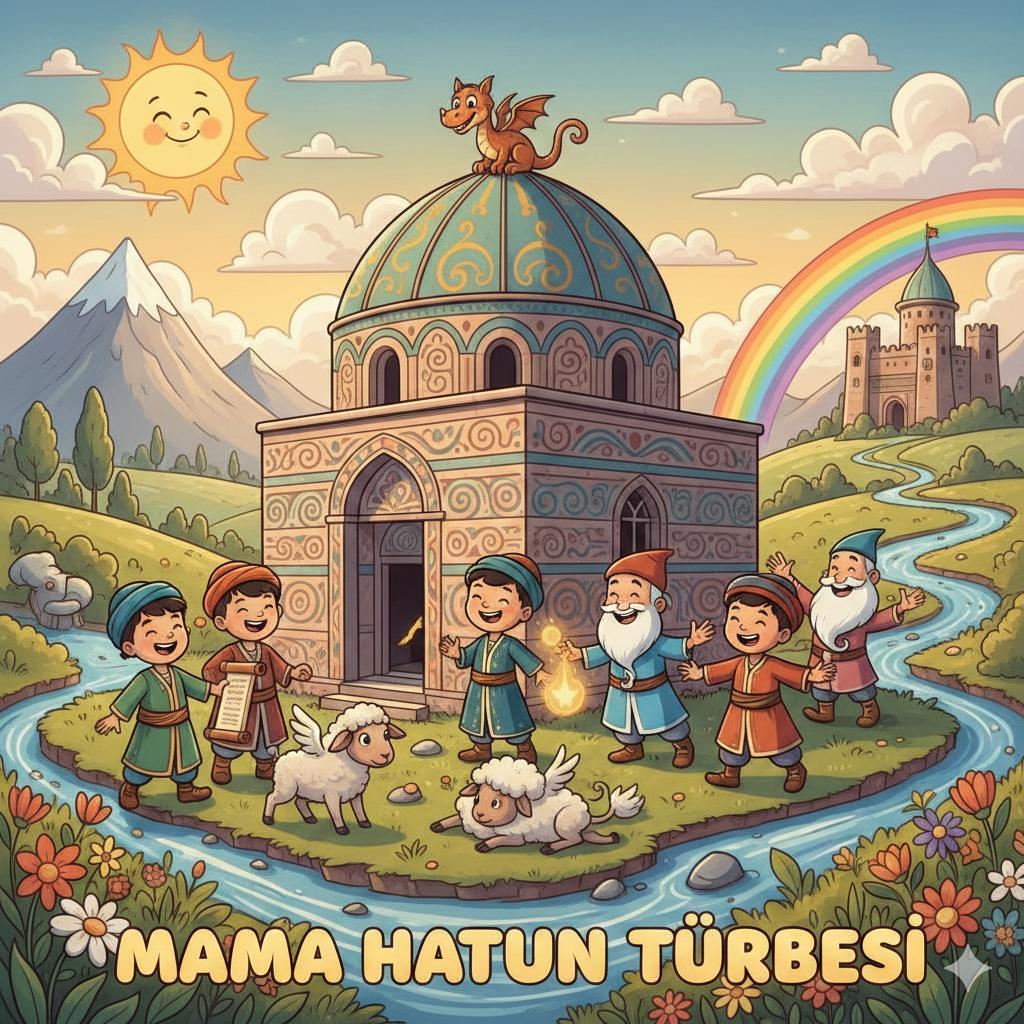
Erzincan’s Tercan district is home to a truly unique structure that has endured from the distant past to the present day. This structure is called Mama Hatun Türbesi. It was built approximately 800 years ago for Mama Hatun, a powerful woman who led the Saltuklu Beylik. Why Is It So Special? Mama Hatun Türbesi bears no resemblance to any other similar structures in Türkiye. Typically, buildings are square or rectangular, are they not? But this tomb is circular. With this feature, it is a one-of-a
EN
TÜLİN YILDIZ
Hekimoğlu Ali Paşa Camii
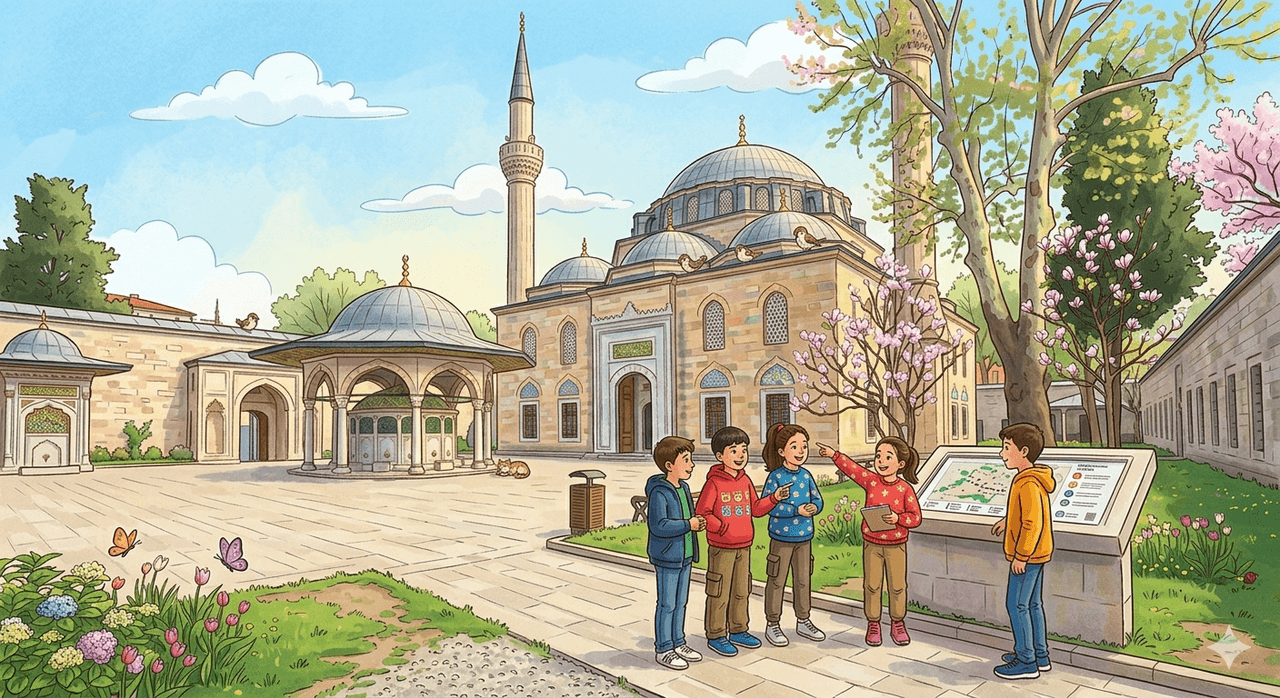
Located on one of Istanbul’s famous seven hills, in the district of Fatih, the Hekimoğlu Ali Paşa Camii is a historical structure dating back to the Ottoman period. Built between 1734 and 1735, this edifice was designed not only as a place of worship but also as a large center serving the daily needs of the community. Sections and Layout of the Külliye Surrounding this mosque, commissioned by Hekimoğlu Ali Paşa who served as grand vizier during the Ottoman era, are other structures built for pub
EN
Sude nur Akgüneş
Tercan (District)
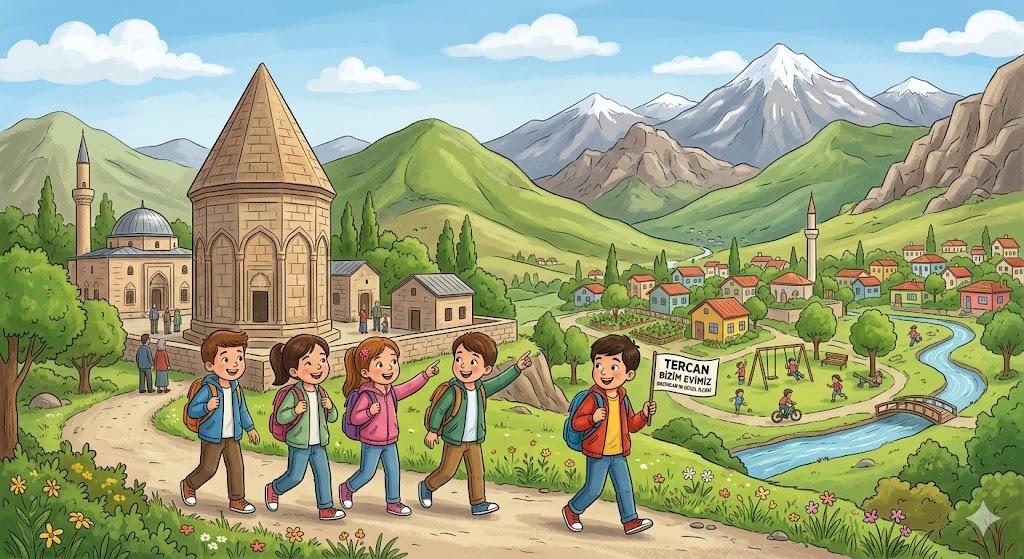
Tercan is a district of Erzincan known for its historical and cultural richness. Located approximately 88 kilometers from the city center, this beautiful district attracts attention through both its natural landscape and its heritage preserved from antiquity to the present day. Tercan’s Historical Journey Tercan’s history dates back to ancient times. It has served as a home to numerous civilizations including the Urartians, Assyrians, Medes and Persians. After the Battle of Manzikert, the region
ENEdanur Çimen