

`kopuz` Related Article Results
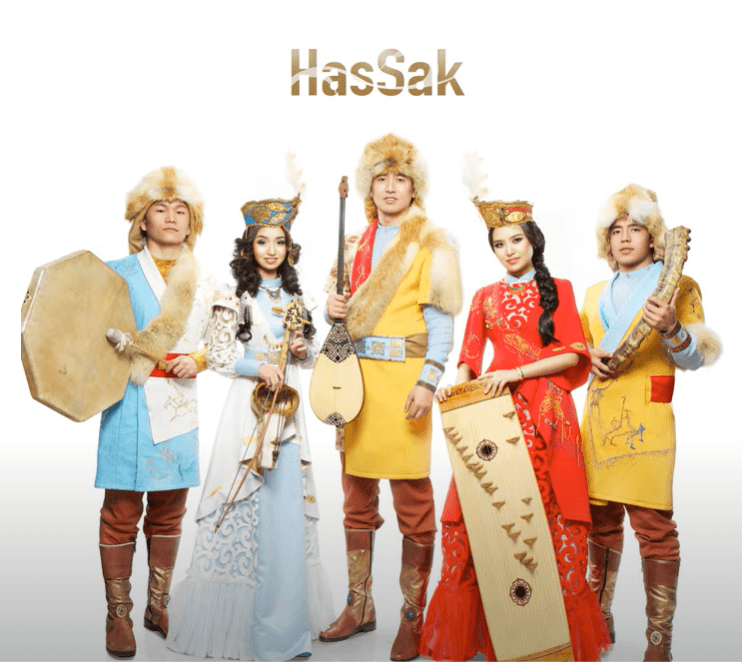
HasSak (Müzik Grubu)
HasSak, Kazakistan kökenli bir etno-folk müzik grubudur. Geleneksel kopuz, dombıra ve sıbızgı gibi kadim Türk enstrümanlarını çağdaş müzik düzenlemeleriyle yeniden yorumlayarak hem Türk Dünyası’nın ortak kültürel mirasını hem de modern müziğin evrensel tınılarını bir araya getirir. Kuruluşu HasSak grubu, 2013 yılında Kazakistan’da kurulmuştur. Grubun adını, üyesi Erzhan Zhamenkeev önermiştir. “HasSak” ifadesi tarihî olarak “esas Sakalar” ya da “esas İskitler” anlamına gelir. Zhamenkeev’e göre bu
TR
Duygu Şahinler
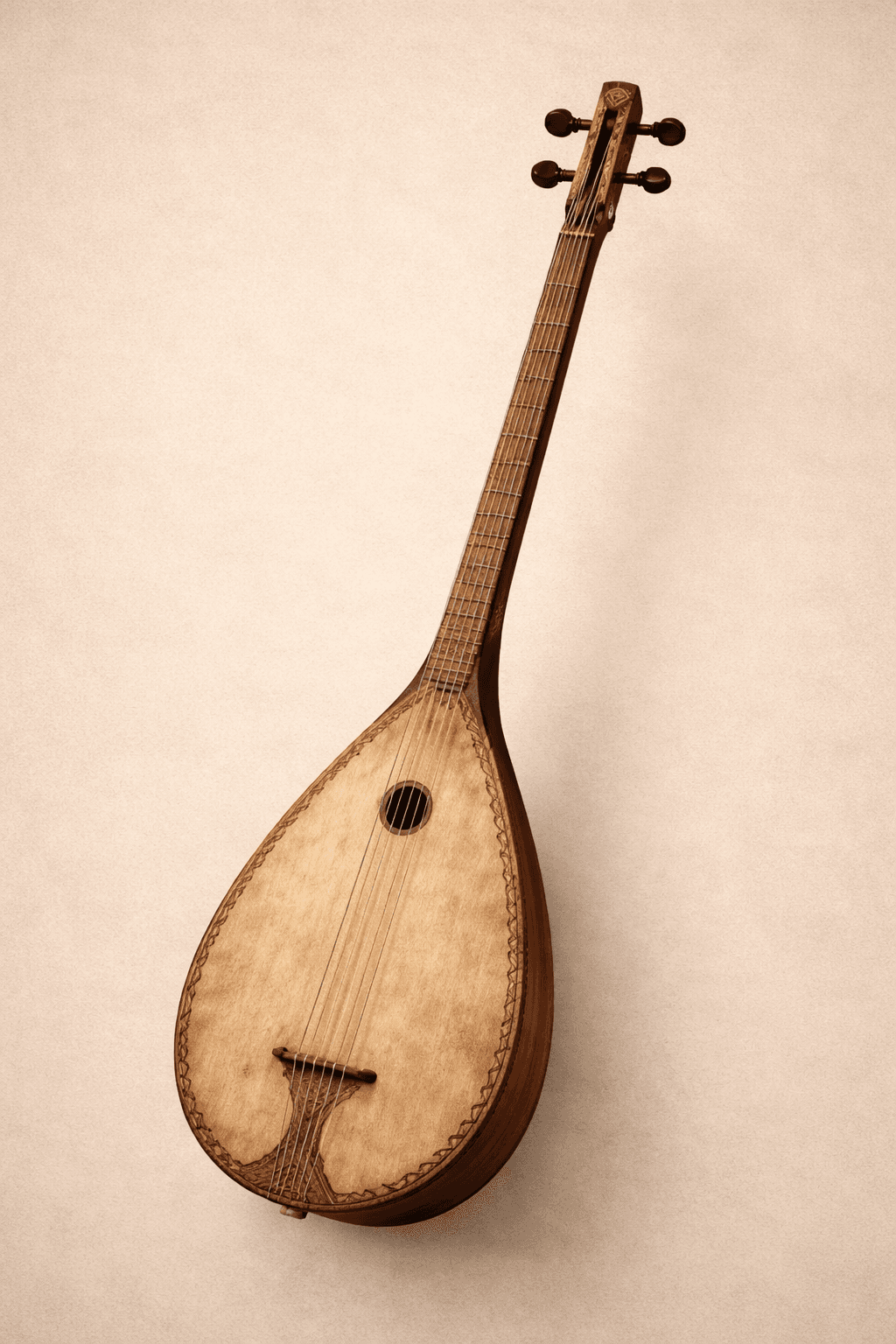
Kopuz
Kopuz is a musical instrument that holds a significant place in the historical and cultural heritage of Turkic communities and is directly linked to the oral narrative tradition. It has been used as a cultural instrument alongside epic recitation, ozanlik, baksilik, and shamanic practices. The tradition of making and performing the kopuz in the Karakalpakstan region of Uzbekistan was inscribed in 2025 on the Intangible Cultural Heritage">List of Intangible Cultural Heritage in Need of Urgent
EN
Nursena Güller
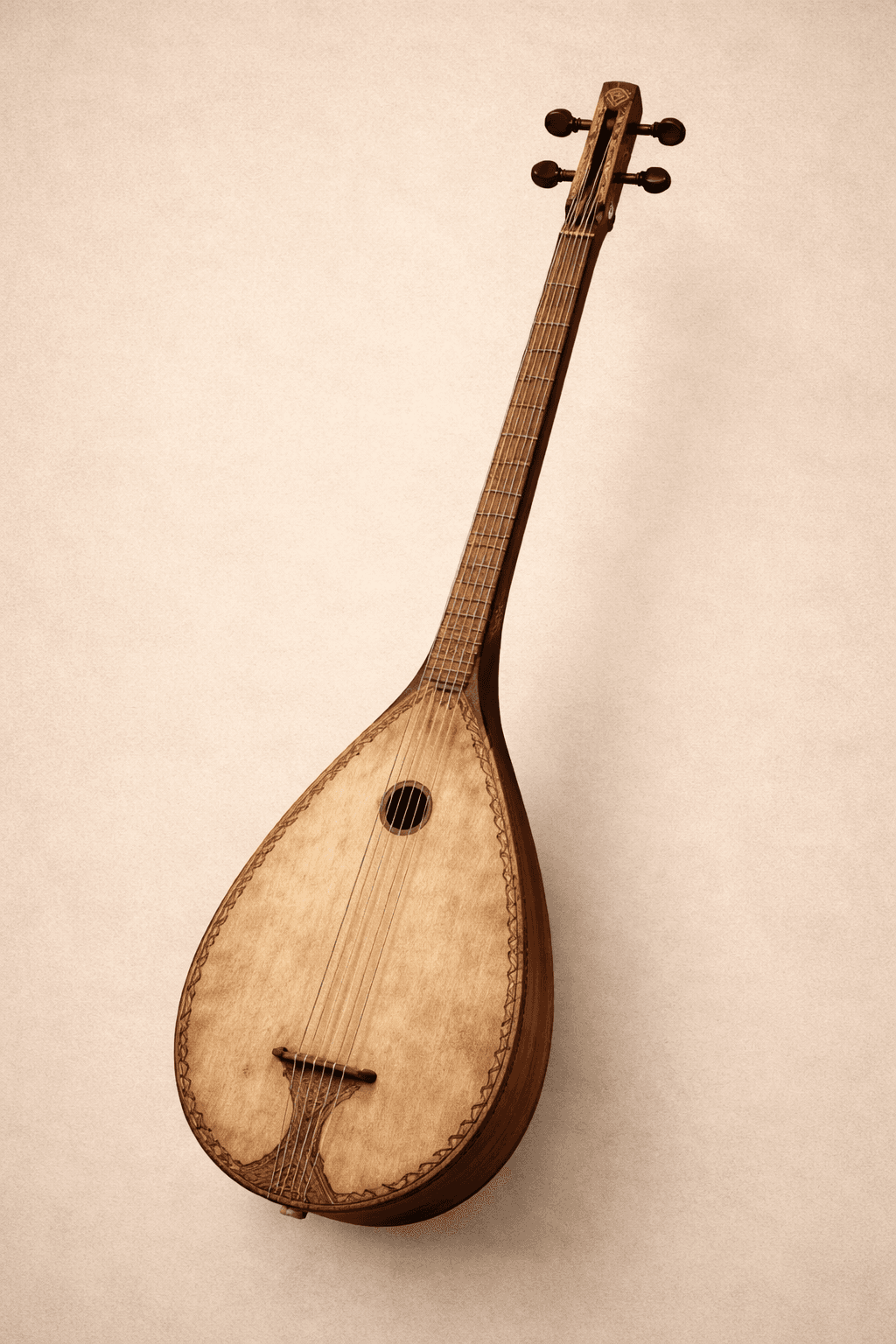
Kopuz
Kopuz is a musical instrument of significant historical and cultural importance within Turk communities, directly linked to their oral narrative tradition. It has been used as a cultural instrument alongside epic storytelling, ozanship, baksılık, and shamanism practices. In 2025, the tradition of its manufacture and performance in the Karakalpakstan region of Uzbekistan was inscribed on UNESCO’s List of Intangible Cultural Heritage in Need of Urgent Safeguarding under the Convention for the Safe
EN
Nursena Güller
Kopuz
Kopuz, Türk topluluklarının tarihî ve kültürel mirası içinde önemli bir yere sahip ve sözlü anlatım geleneğiyle doğrudan ilişkili olan bir müzik aletidir. Destan anlatımı, ozanlık, baksılık ve şamanlık pratikleriyle birlikte anılarak kültürel bir araç olarak kullanılmıştır. Kopuz, Özbekistan’ın Karakalpakistan bölgesinde sürdürülen yapım ve icra geleneğiyle 2025 yılında UNESCO Somut Olmayan Kültürel Mirasın Korunması Sözleşmesi kapsamında Acil Koruma Gerektiren Somut Olmayan Kültürel Miras Liste
TRNursena Güller
 Tu
TuTurkish Music
EARLY PERIOD OF TURKIC MUSIC Turkish musical culture began to form and become distinct around 3000 BCE through traditional Altai music and together. The religious and magical rituals performed by the shamans, the earliest musicians in Turkish history, served as the primary production and performance contexts of this era. Beginning around 2000 BCE, as the Altai peoples migrated from their original homeland in the Altai Mountains toward Central Asia, Altai music spread across a vast geographical a
EN
Cemal Ayçiçek

Türk Müziği Nedir?
Türk müziği tarihi, Türklerin binlerce yıl boyunca yaptığı müziklerin gelişimini anlatan bir bilim alanıdır. Bu tarih, sadece şarkıların değil; müzik aletlerinin, bestecilerin, toplumdaki değişimlerin ve kültürün de izini sürer. Türkler, Orta Asya’dan başlayarak Anadolu’ya uzanan göçler ve kurdukları devletlerle birlikte çok zengin bir müzik kültürü oluşturmuşlardır. Bu müzik tarihi, daha kolay anlaşılabilmesi için dönemlere ayrılır. Böylece hem müzikteki gelişmeler hem de tarihî olaylar bir ara
TR
Rüya Dumlu