

`knowledge` Related Article Results
 De
DeDescartes' Theory of Ideas
Seventeenth-century thought was a period marked by profound transformations in the fields of epistemology and ontology. One of the central figures in these transformations was René Descartes. As one of the founding figures of modern philosophy, Descartes developed a systematic approach to understanding how knowledge can be attained and how the foundations of reality can be questioned. His philosophy centers on the pursuit of certain knowledge through methodological doubt, in which the concept of
EN
Aslı Öncan
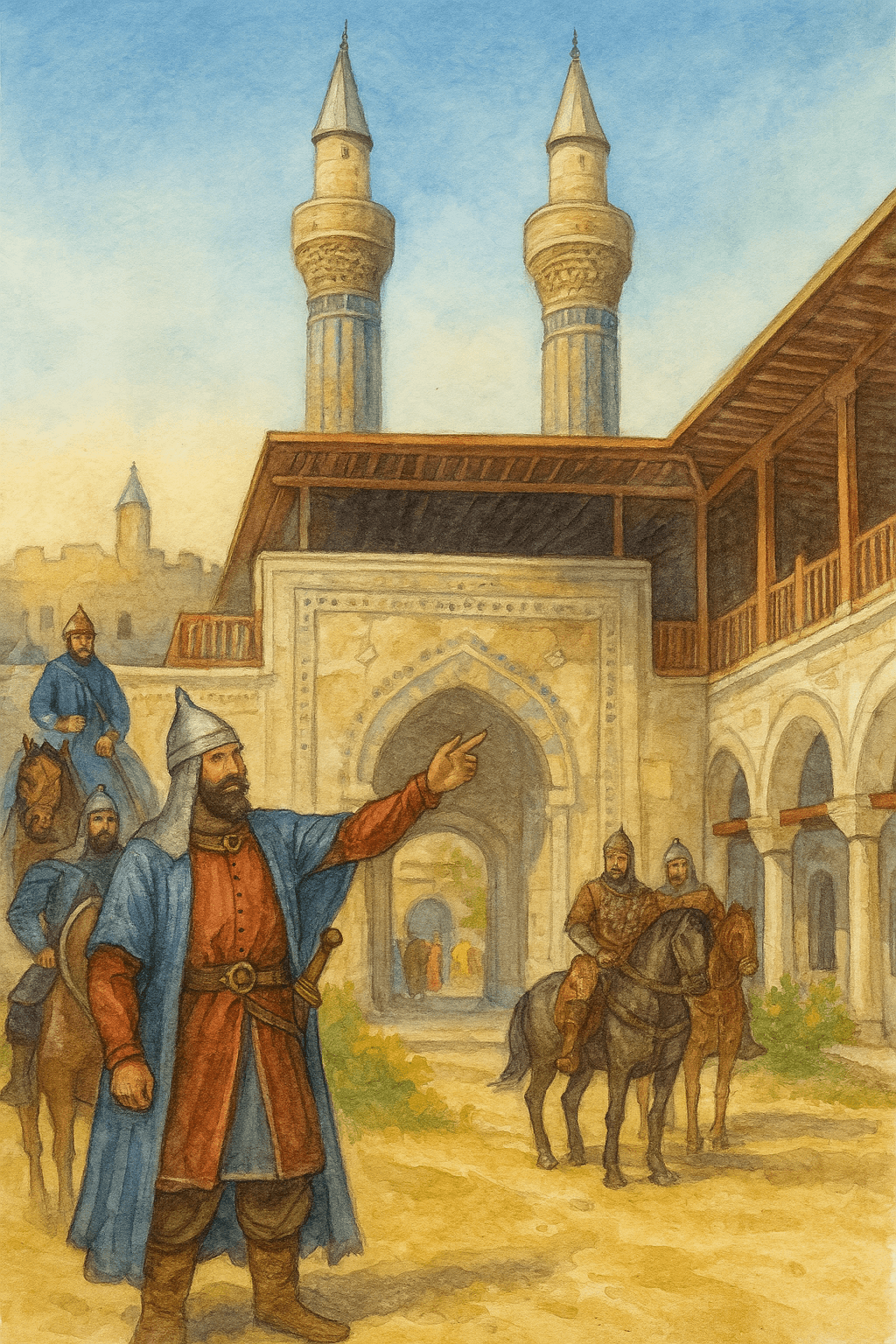
Anatolian Seljuk State and the Madrasa System
What Is the Anatolian Seljuk State? The Anatolian Seljuk State was a Turkic-Islamic state founded in 1077 by Kutalmışoğlu Süleyman Şah and ruled over Anatolia until 1308. Its capital was initially Nicaea and later Konya. This state played a crucial role in transforming Anatolia into a Turkish homeland. What Is a Medrese? A medrese was a school in earlier times that provided education in subjects such as science, mathematics, religion, medicine, and philosophy. It is considered one of the earlies
EN
Mustafa Cem İnci
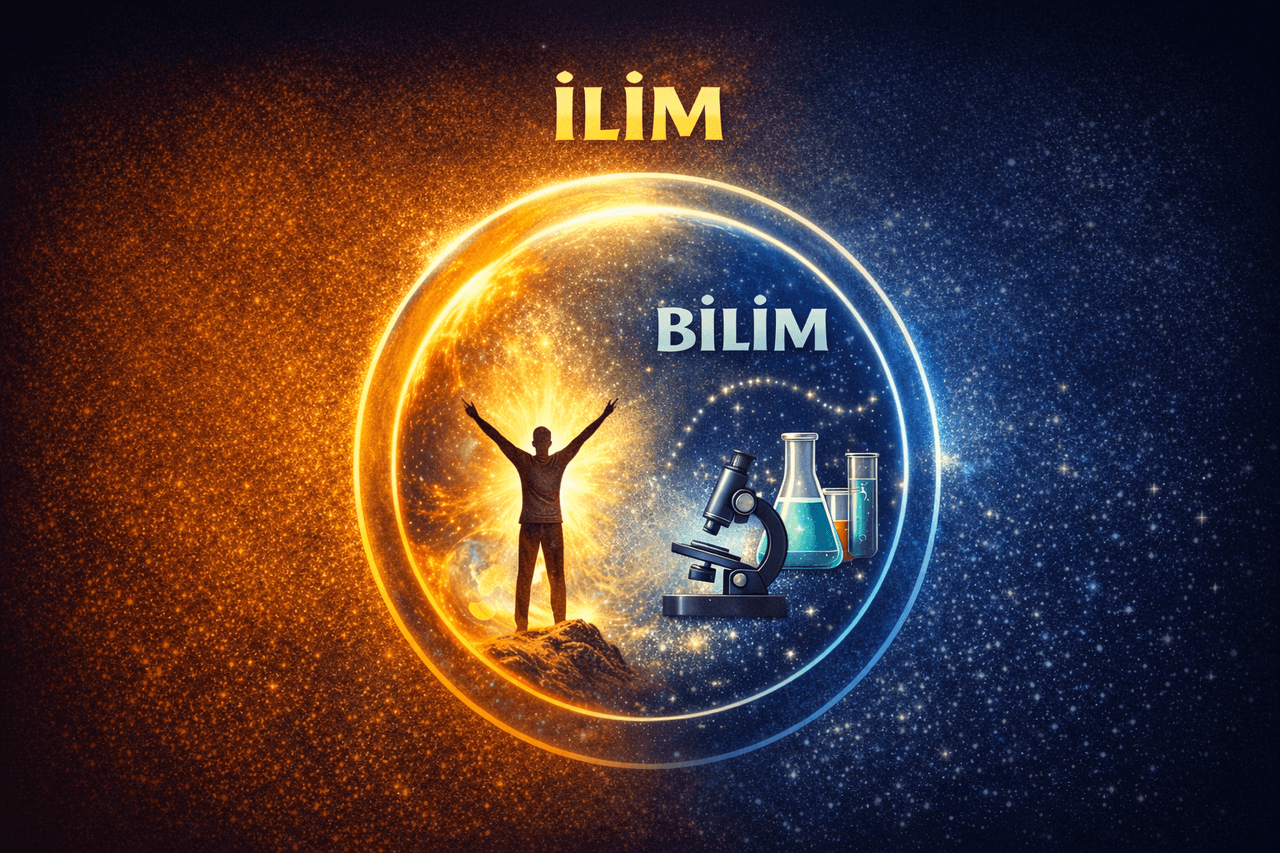
An Ancient Debate on the Unity of the Sciences: Is it Ilm or Bilim? Where Does Metaphysics Stand in This Distinction?
Religion and science debates frequently encounter the fundamental question: “What is ilm, what is science?” The nature of the relationship between these two concepts is not merely a terminological issue but directly affects how humans approach the universe knowledge and truth. The concept of ilm predominantly appears in classical and religious texts while the concept of science comes to the forefront in modern literature. This situation can create the impression of an inevitable opposition betwe
EN
Veysel Eliş
In the Footsteps of an Inquiry: From Al-Farabi to Anselm
The most general concept the human mind can reach is “existence”, and the highest concept is “God”. Al-Farabi begins precisely from this point. According to him, the human intellect can assert only two fundamental propositions about existence: either it is necessary or it is possible.【1】 Necessary existence… That is, a truth whose existence is inherent and whose nonexistence cannot be conceived. According to Al-Farabi, if such an existence were denied, it would not merely mean the absence of som
EN
Büşra Meral

Carrying Oneself
Evening had fallen. The bag carried on the shoulder all day was finally left by the door. The key turned, shoes were removed, and the weight of the day seemed to slowly drain away. But something strange was happening: the bag could be placed on the floor, the coat hung on a hook, the bags carried in hand could be set down. Many burdens of the day could somehow be left behind. Yet there were things that could not be left outside the door. They entered the home with you. Quietly. Every day. Someti
EN
Ebrar Sıla Peri
MeMeaning in the Mirror: The History and Metaphorical Depth of a Reflection
Although a mirror appears to be an ordinary object in our daily lives, it carries profound symbolism, encompassing not only practical functions but also cultural, literary, and even spiritual meanings. The word "ayna," derived from the Persian ayne, meaning "indicator," has become part of our language and has served throughout human history as more than just a tool for self-reflection. Historical Journey: From Stone to Glass The earliest mirrors date back to around 6000 BCE and were made of poli
EN
Muhammed Emin Ortakuş
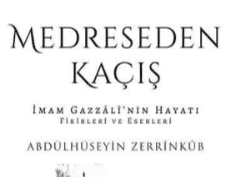
Medreseden Kaçış İmam Gazzalî’nin Hayatı, Fikirleri ve Eserleri (Book)
Escape from the Madrasa: The Life, Ideas, and Works of Imam al-Ghazālī is a scholarly work by Iranian academic and historian Abdolhossein Zarrinkoub. The book presents a comprehensive study of Abū Hāmid al-Ghazālī, one of the most influential figures in the history of Islamic thought. It explores his biography, intellectual development, and scholarly contributions. Through the lens of al-Ghazālī’s personal journey, the author offers a historical and philosophical framework for understanding broa
ENElyesa Köseoğlu
WiWisdom
1. The soundness of an action or decision with regard to the application of experience, knowledge, and good judgment. 2. The body of knowledge and principles that develops within a specified society or period. 3. The ability to use your knowledge and experience to make good decisions and judgments. 4. Wisdom is the ability to use your experience and knowledge in order to make sensible decisions or judgments. Example Sentences 1. This famous opening of the Mathnawi symbolizes the human soul’s sep
EN
Ahmet Dağ
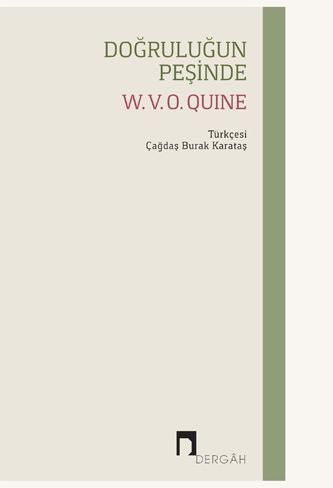
Pursuit of Truth (Book)
Pursuit of Truth (Doğruluğun Peşinde) is a collection of philosophical essays by the American philosopher W. V. O. Quine. The work addresses fundamental concepts such as language, knowledge, reality, and the relationship between science and truth within the framework of Quine's distinct interpretations. The Turkish translation was published by Dergâh Publications. The paperback book is 136 pages in length and has a compact format measuring 13.5 x 21 cm. The first Turkish edition was published in
EN
Muhammed Samed Acar
KnKnowing Allah: Gnosis of God Through the Book of the Universe
The most fundamental purpose of human existence is to know the Lord who brought him into being from nothing. This process of knowing is not merely about acquiring information; it is a journey of spiritual insight in which reason, heart, and conscience travel together. In this journey, the greatest signs are presented to humanity by the universe in which it lives. For the universe is like a vast book, woven with meaning and purpose, and each of its creatures designed to reflect the divine names a
EN
Şuayip Hamza Adiloğlu