

`kanban` Related Article Results
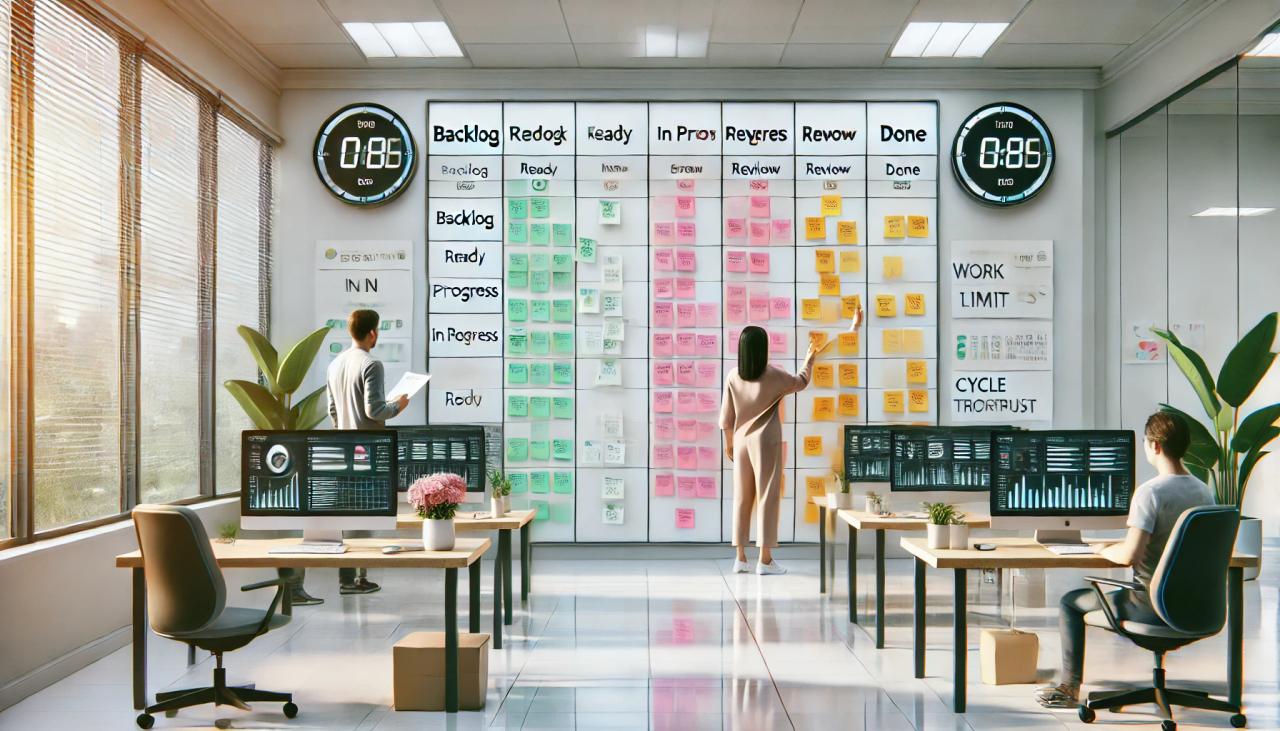
Kanban Methodology
Kanban is a visualization-based method used in software development and business management. The term "kanban," meaning "visual card" in Japanese, was first implemented within the Toyota Production System. In the software world, it was adapted and popularized in the early 2000s by David J. Anderson. Kanban aims to make workflow visible in order to identify bottlenecks, delays, and inefficiencies in processes. Unlike Scrum, like Kanban is not iterative but is based on a continuous delivery model.
EN
Huriye Toprak
 So
SoSoftware Development Methodologies
Software development methodologies are systematic approaches that organize and manage all stages of a software project from planning to completion. These methodologies establish a disciplined working structure, facilitate team collaboration, and ensure that the final product meets the desired quality standards. Choosing the appropriate methodology based on the project's type, scope, and requirements is critical for a successful development process. Agile Methodology Agile methodology aims to tra
EN
Sıla Temel

Agile Project Management
Agile Project Management is a flexible and iterative approach to project management that emphasizes the ability to quickly adapt to changing requirements. Although it originated in software development, it is now applied across numerous fields, including healthcare, public administration, education, and manufacturing. This approach aims to manage projects more efficiently and effectively by prioritizing customer focus, continuous feedback, and team collaboration. Core Principles and Implementati
ENEmre Özen

Agile Project Management
Agile Project Management is a flexible and iterative approach to project management that emphasizes the ability to quickly adapt to changing requirements. Although it originated in the field of software development, today it is applied across numerous domains including healthcare, public administration, education, and manufacturing. This approach aims to manage projects more efficiently and effectively by prioritizing customer focus, continuous feedback, and team collaboration. Core Principles a
ENEmre Özen

Just In Time Production - JIT
Just In Time (JIT) Production is a manufacturing philosophy aimed at eliminating waste and increasing efficiency in production processes. This approach is based on producing the required product, in the required quantity, at the required time. The JIT system aims to ensure efficient use of resources by enabling products to flow directly through the production and consumption chain without being held in inventory. An Image Representing Just-In-Time Production (Generated by Artificial Intelligence
ENEmre Özen
Kanban Metodolojisi
Kanban, yazılım geliştirme ve iş yönetiminde kullanılan görselleştirme temelli, çevik (Agile) bir yöntemdir. Japonca’da “görsel kart” anlamına gelen "kanban", ilk olarak Toyota Üretim Sistemi içinde kullanılmıştır. Yazılım dünyasında ise 2000’li yılların başında David J. Anderson tarafından uyarlanmış ve popüler hale getirilmiştir. Kanban, iş akışlarını görünür hale getirerek süreçlerdeki darboğazları, gecikmeleri ve verimsizlikleri ortaya çıkarmayı hedefler. Scrum gibi iteratif değil, sürekli t
TRHuriye Toprak
Çevik Proje Yönetimi
Çevik Proje Yönetimi (Agile Project Management), değişen gereksinimlere hızla uyum sağlama yeteneğiyle öne çıkan, esnek ve iteratif bir proje yönetim yaklaşımıdır. Yazılım geliştirme alanında doğmuş olsa da, günümüzde sağlık hizmetlerinden kamu yönetimine, eğitimden üretim sektörüne kadar birçok alanda uygulanmaktadır. Bu yaklaşım, müşteri odaklılık, sürekli geri bildirim ve ekip içi iş birliğini temel alarak, projelerin daha verimli ve etkili bir şekilde yönetilmesini amaçlar. Çevik Proje Yönet
TREmre Özen
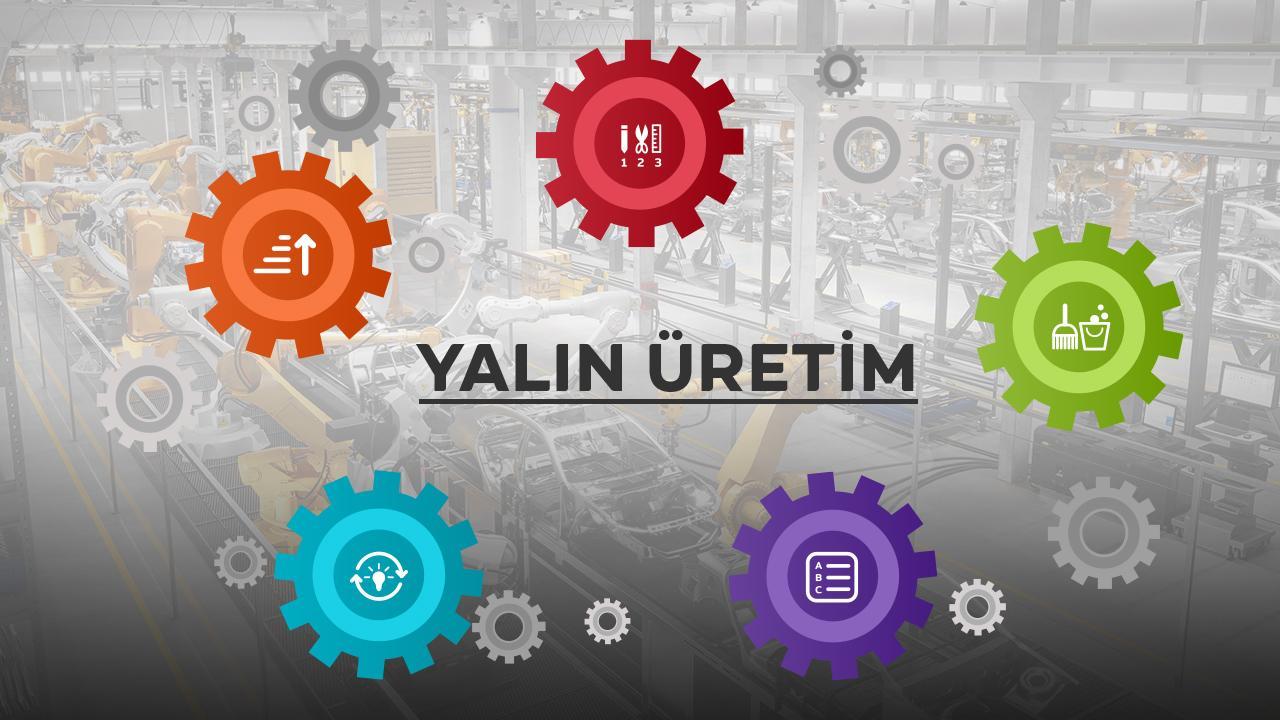
Lean Production
Lean manufacturing was developed and implemented primarily by Toyota in Japan’s automotive industry during the 1990s. This production philosophy aims to eliminate waste and minimize all activities and resources that do not create value. Lean manufacturing not only reduces costs but also seeks to improve quality accelerate production processes and enhance flexibility. With the rise of Industry 4.0 lean manufacturing techniques and principles have gained even greater importance. While Industry 4.0
EN
Emine Sena Olcar
Yalın Üretim
Yalın üretim, 1990'lı yıllarda Japonya'nın otomotiv endüstrisinde öncelikle Toyota tarafından geliştirilmiş ve uygulanmıştır. Bu üretim felsefesi, israfı ortadan kaldırmak, değer yaratmayan her türlü faaliyet ve kaynağı minimize etmek amacı güder. Yalın üretim, yalnızca maliyetleri düşürmekle kalmaz, aynı zamanda kaliteyi artırmayı, üretim süreçlerini hızlandırmayı ve esneklik sağlamayı hedefler. Endüstri 4.0'ın yükselişi ile birlikte, yalın üretim teknikleri ve prensipleri daha da önem kazanmış
TREmine Sena Olcar
YaYazılım Geliştirme Metodolojileri
Yazılım geliştirme metodolojileri, yazılım projelerinin planlanmasından tamamlanmasına kadar geçen tüm aşamaları düzenleyen ve yöneten sistematik yaklaşımlardır. Yazılım geliştirme sürecinde kullanılan metodolojiler, disiplinli bir çalışma düzeni sağlarken ekiplerin iş birliğini kolaylaştırır ve nihai ürünün istenen kalite standartlarına ulaşmasını sağlar. Projenin türü, kapsamı ve gereksinimlerine uygun metodoloji seçimi, başarılı bir yazılım geliştirme süreci için kritik bir önem taşır. Agile
TRSıla Temel