

`japanese-cuisine` Related Article Results
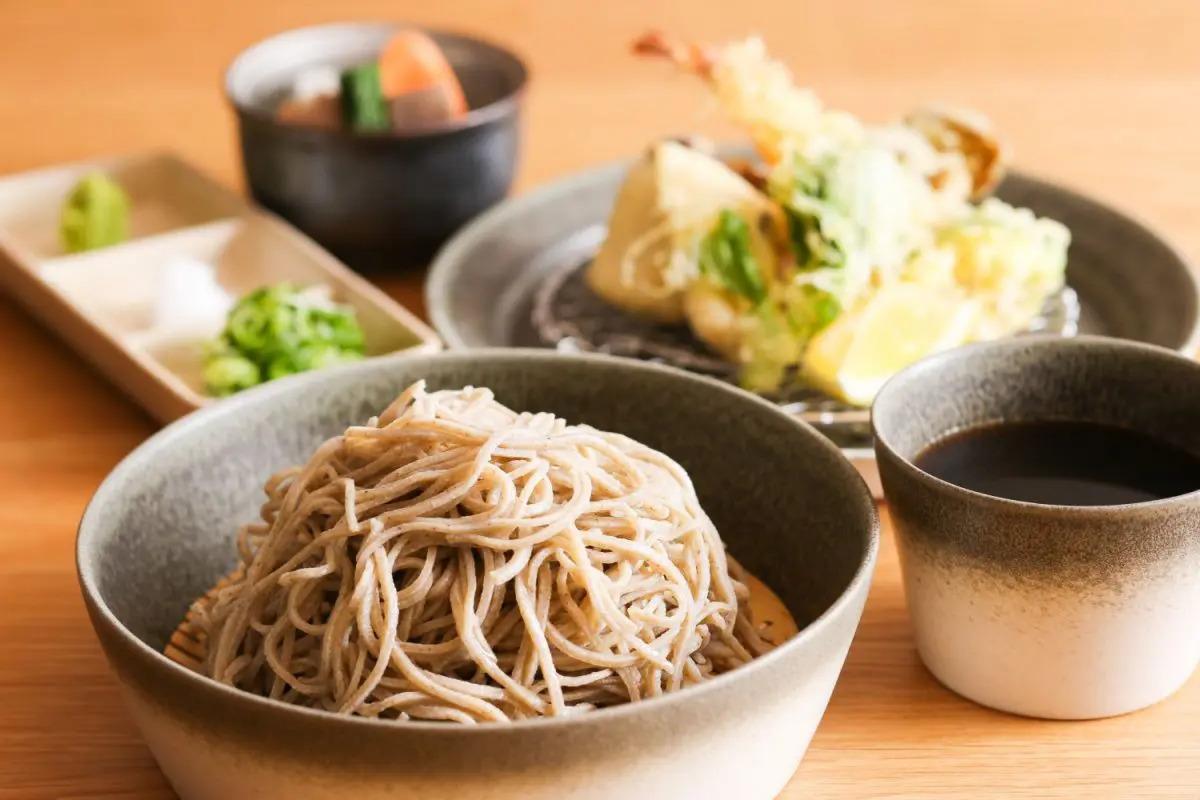
Soba Noodles
Soba is a type of noodle native to Japan, with buckwheat (Fagopyrum esculentum) flour as its primary ingredient. This product holds traditional and regional significance in Japanese cuisine and is consumed in various forms, particularly in Nagano Prefecture, where buckwheat is extensively cultivated. Soba noodles can be served both hot and cold, and they vary depending on factors such as the proportion of flour used, the method of production, and the accompanying sauces. Composition and Preparat
EN
Ömer Faruk Bilcan
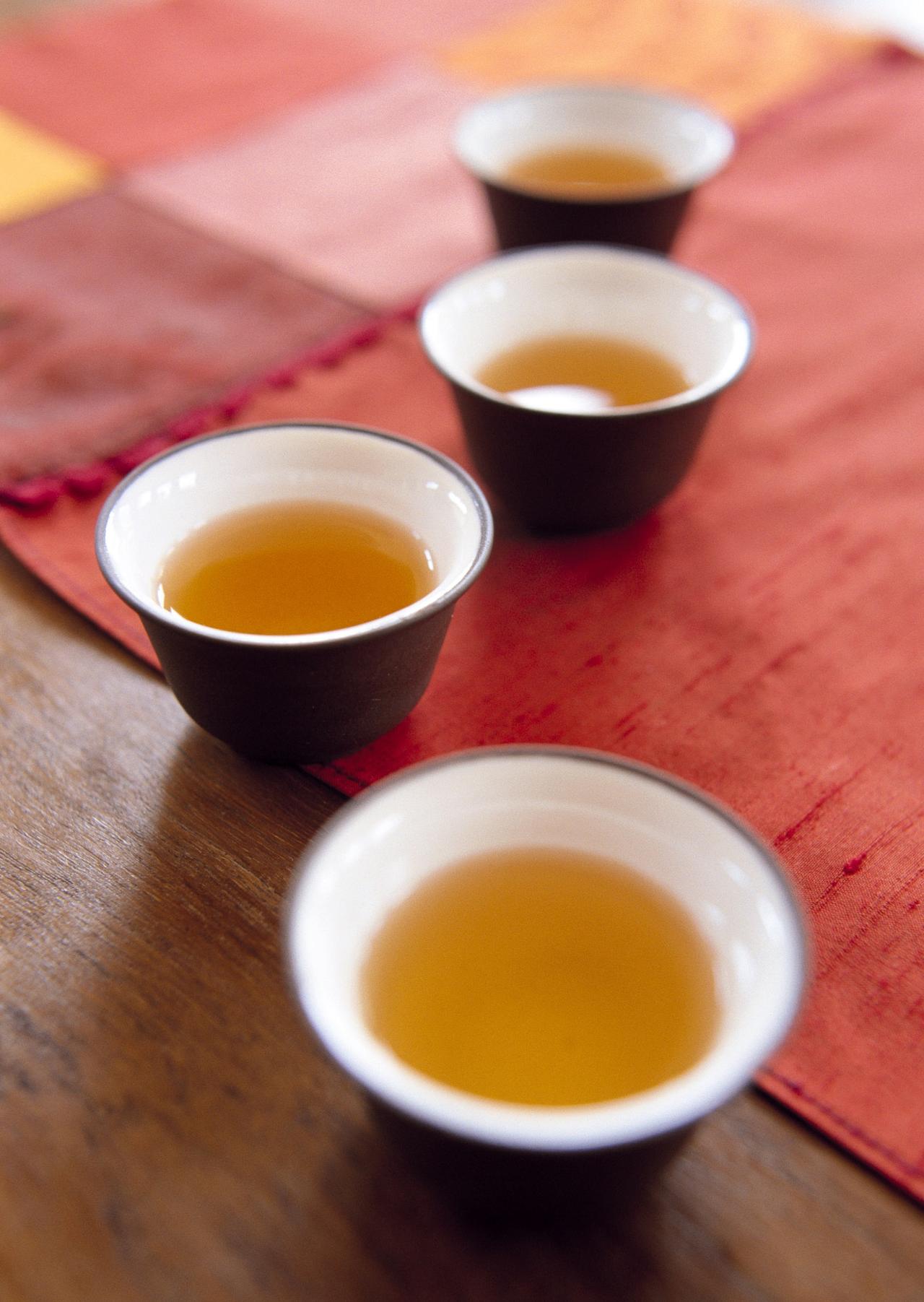
Barley Tea
Barley tea is a caffeine-free, natural beverage made by brewing roasted barley grains in hot or cold water. It is traditionally consumed in many East Asian countries, particularly in Japan, Korea, and China. Known as mugicha in Japan, this drink is prepared from roasted barley grains and is typically served cold during the summer months. Due to its lack of caffeine, it is also preferred by children and the elderly. Historical Background Barley tea emerged as an extension of barley’s role in agri
ENÖmer Faruk Bilcan
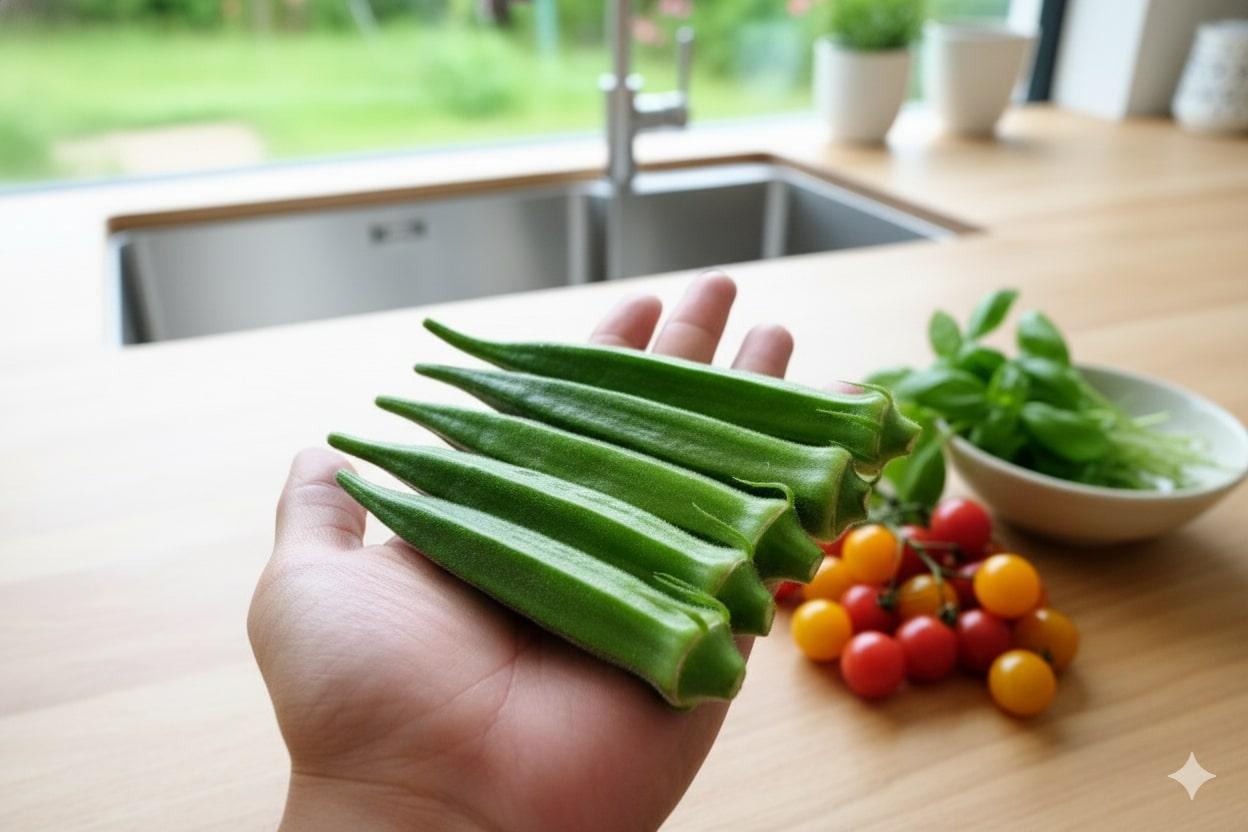
Hibarino Okra
Hibarino okra is a variety of okra cultivated in the town of Ugo, located in Akita Prefecture, Japan. This vegetable, known in Japanese as “okura,” is recognized for its long and thick pods. Geographical Indication Registration Hibarino okra was registered under Japan’s Geographical Indication (GI) system on 15 December 2017. The product, registered under number 51, is owned by the JA Ugo Niinari Horticultural Cooperative. The production area is confined to the town of Ugo within the boundaries
EN
Nursena Şahin
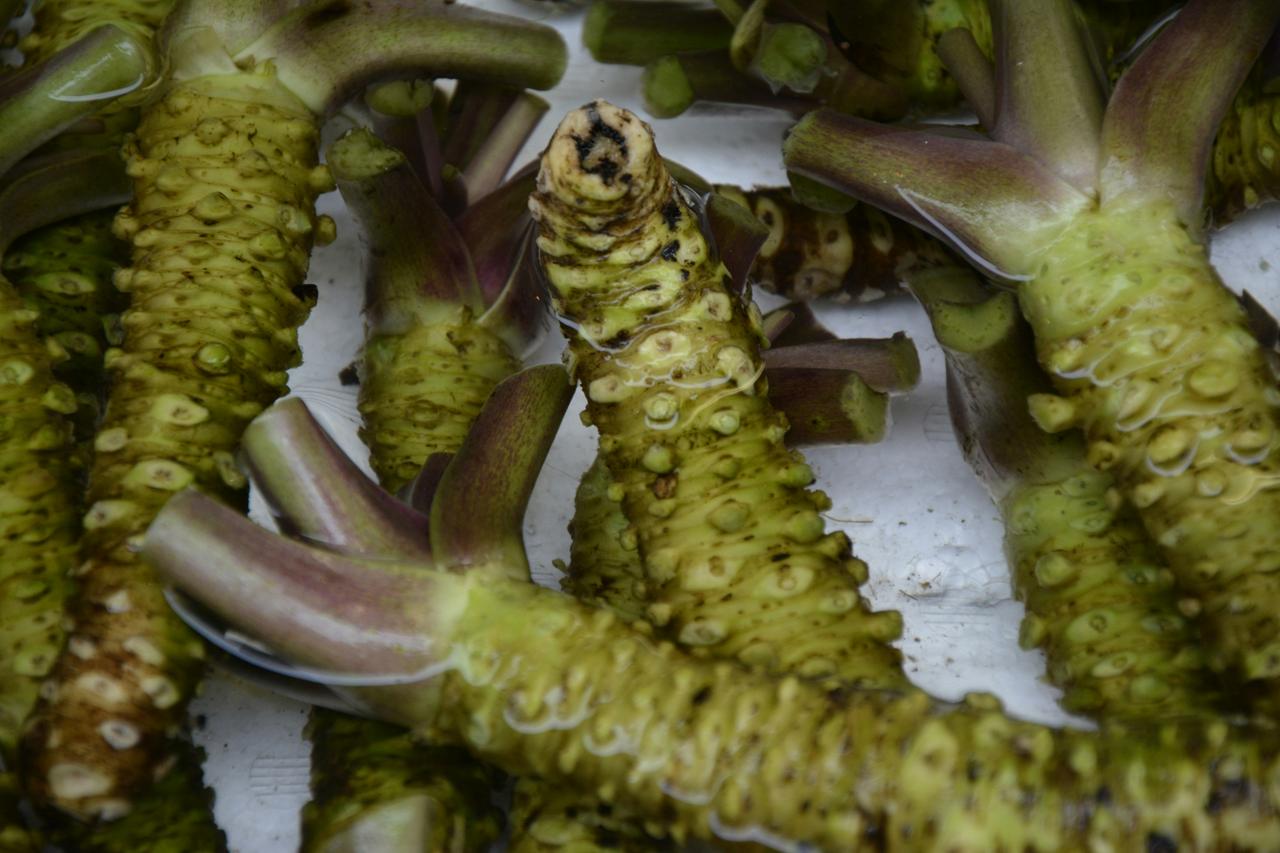
Wasabi (Wasabia japonica)
Wasabi (Wasabia japonica) is a perennial, rhizomatous plant species belonging to the Brassicaceae (mustard) family. Native to East Asia, wasabi holds a unique and privileged position in Japan, with deep historical, cultural, and gastronomic significance. Recognized for its distinctive pungent flavor and fresh green color, this plant is used in only a limited number of culinary traditions, primarily in traditional Japanese cuisine. Its narrow natural habitat and high dependence on specific enviro
EN
Berat Ay
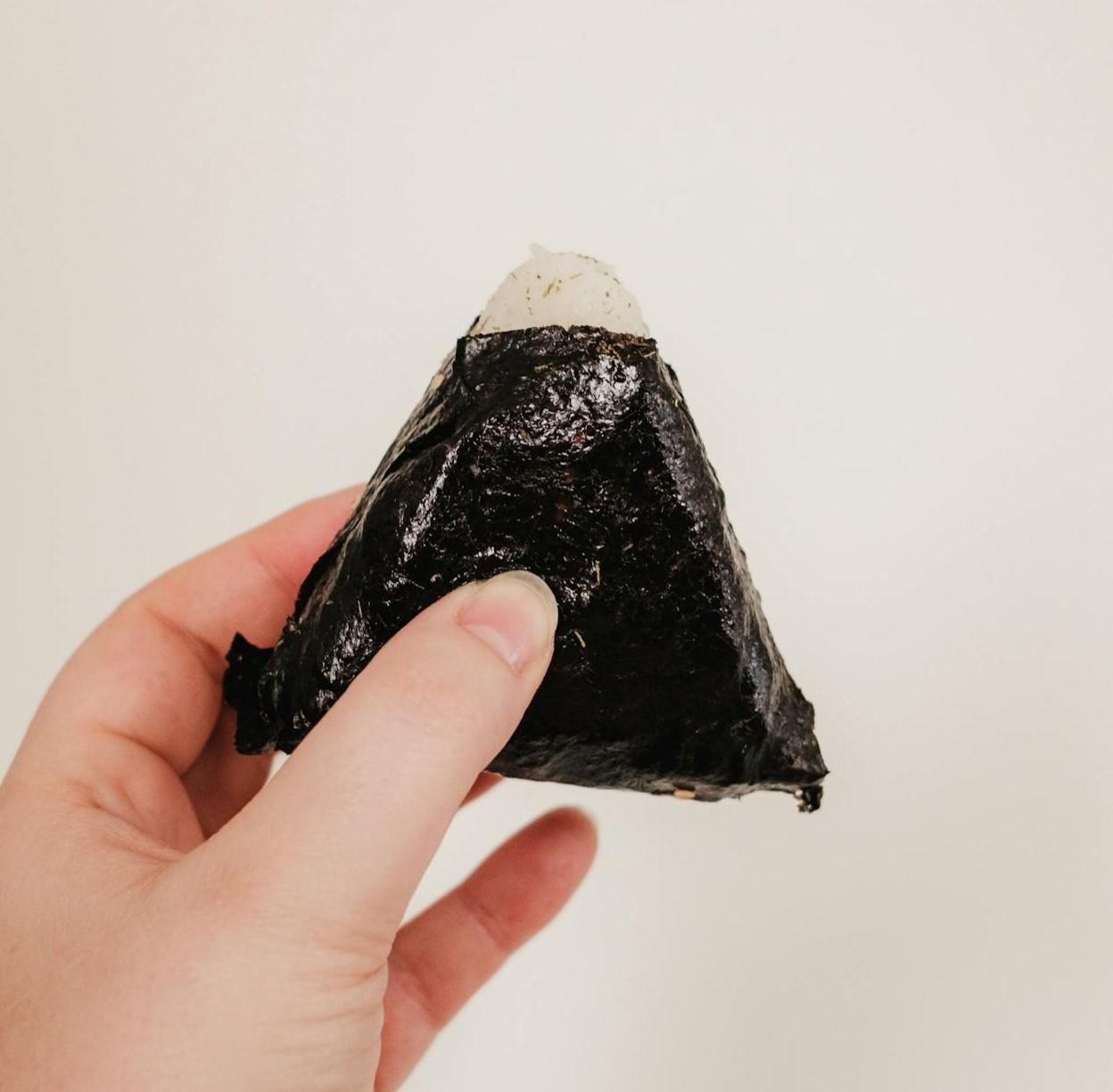
Onigiri
Onigiri is a Japanese rice ball prepared using one of the staple ingredients of Japanese cuisine—rice. Typically shaped into triangles or rounds, onigiri can be filled with various ingredients or wrapped in seaweed (nori). In Japan, it plays a central role in both traditional home-cooked meals and convenience foods. Due to their small size, portability, and wide availability, onigiri are regarded as a “practical snack” throughout the country. History The historical origins of onigiri date back a
ENÖmer Faruk Bilcan
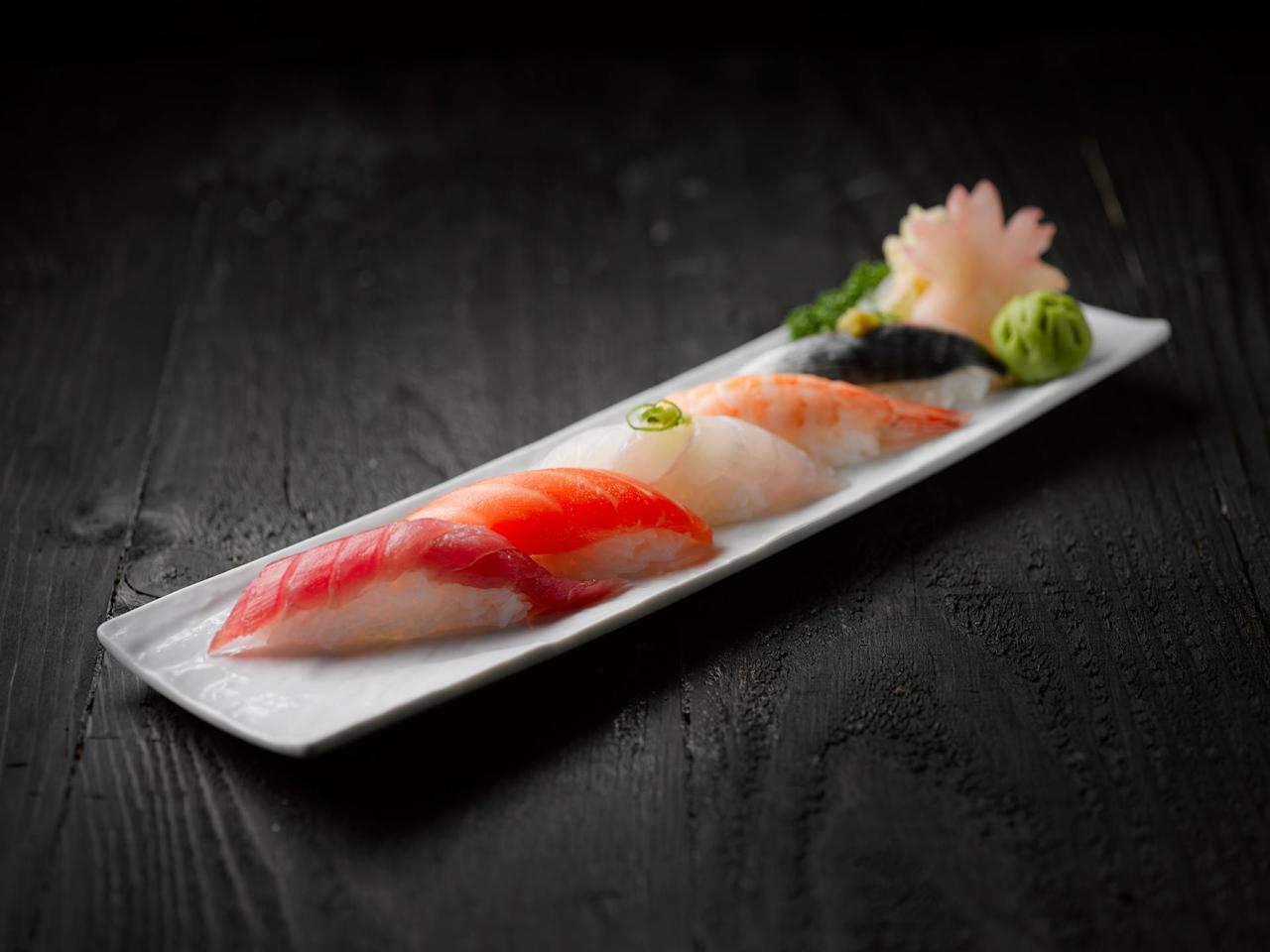
Sushi
Sushi, as a distinctive and historical product of Japanese cuisine, is a type of dish that has become widespread around the world. Featuring both traditional and modern variations, sushi typically consists of key ingredients such as raw or lightly cooked fish, seafood, rice, and seaweed (nori). History and Cultural Context The origins of sushi lie in the combination of fish and rice through various techniques developed in Japan. Over time, different types of sushi—such as nigiri, maki, and temak
ENÖmer Faruk Bilcan