

`internet-of-things` Related Article Results
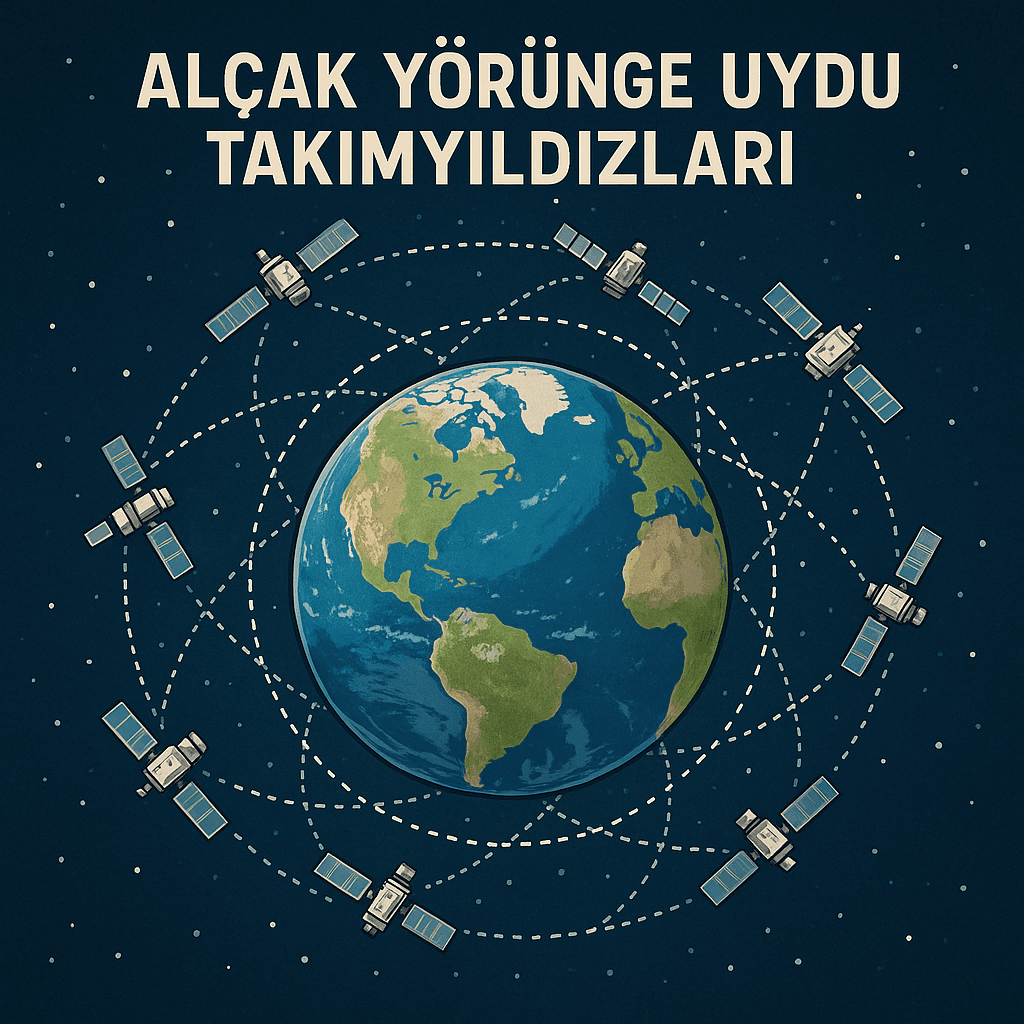
Low Earth Orbit Satellite Constellations
Low Earth Orbit (LEO) satellite constellations are systems composed of numerous satellites operating in coordinated fashion at relatively low altitudes (500–2000 km) above Earth’s surface. These structures provide advantages such as low latency communication, high temporal resolution, and data continuity by enabling continuous and global coverage. Artificial satellites have marked a strategic turning point in the development of space-based technologies, opening the way for innovative solutions a
EN
Beyza Nur Türkü
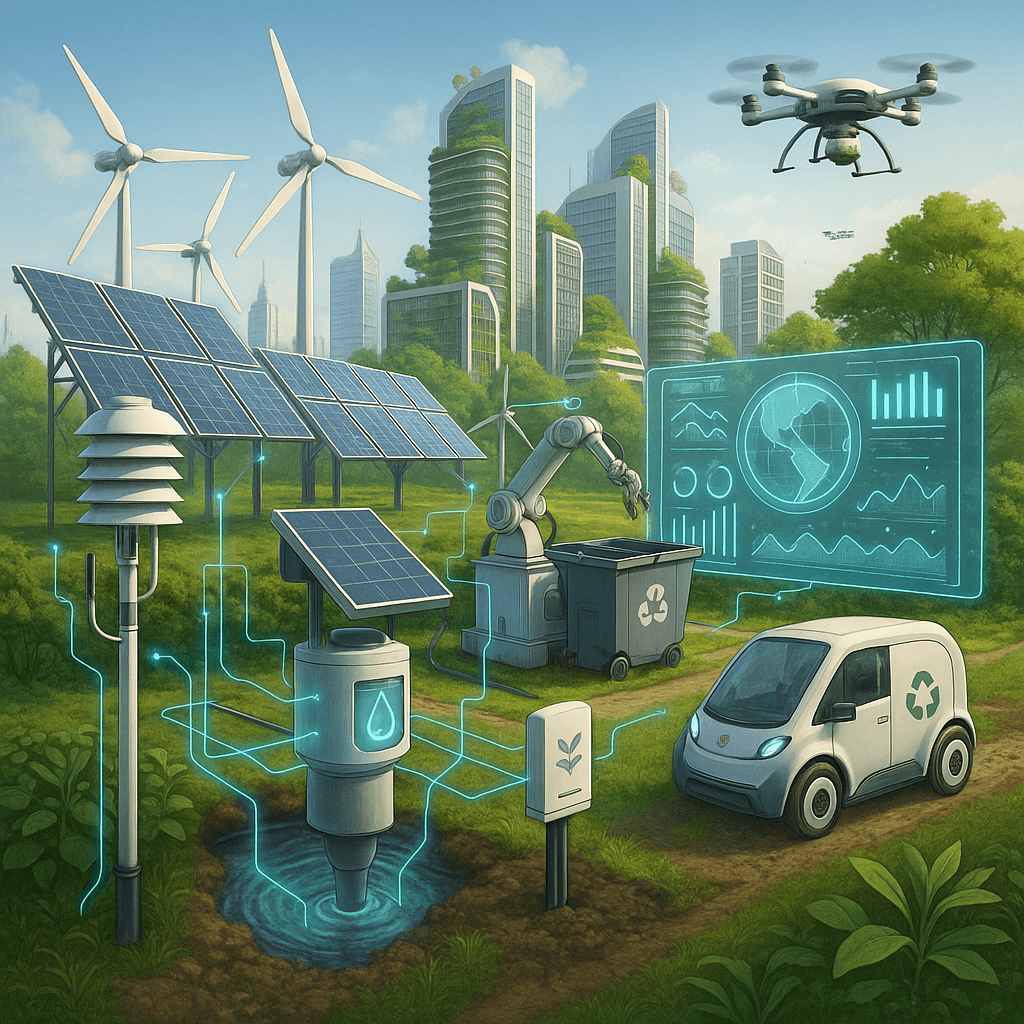
Digital Environmental Technologies
Digital environmental technologies encompass the complete set of digital tools, software, and infrastructure used to detect, prevent, or mitigate environmental problems through the collection, processing, analysis, and management of environmental data. Key technologies in this field include artificial intelligence (AI), the Internet of Things (IoT), big data analytics, sensor networks, digital twin systems, and cloud-based data management platforms. While these technologies serve as tools to mon
EN
Ömer Said Aydın
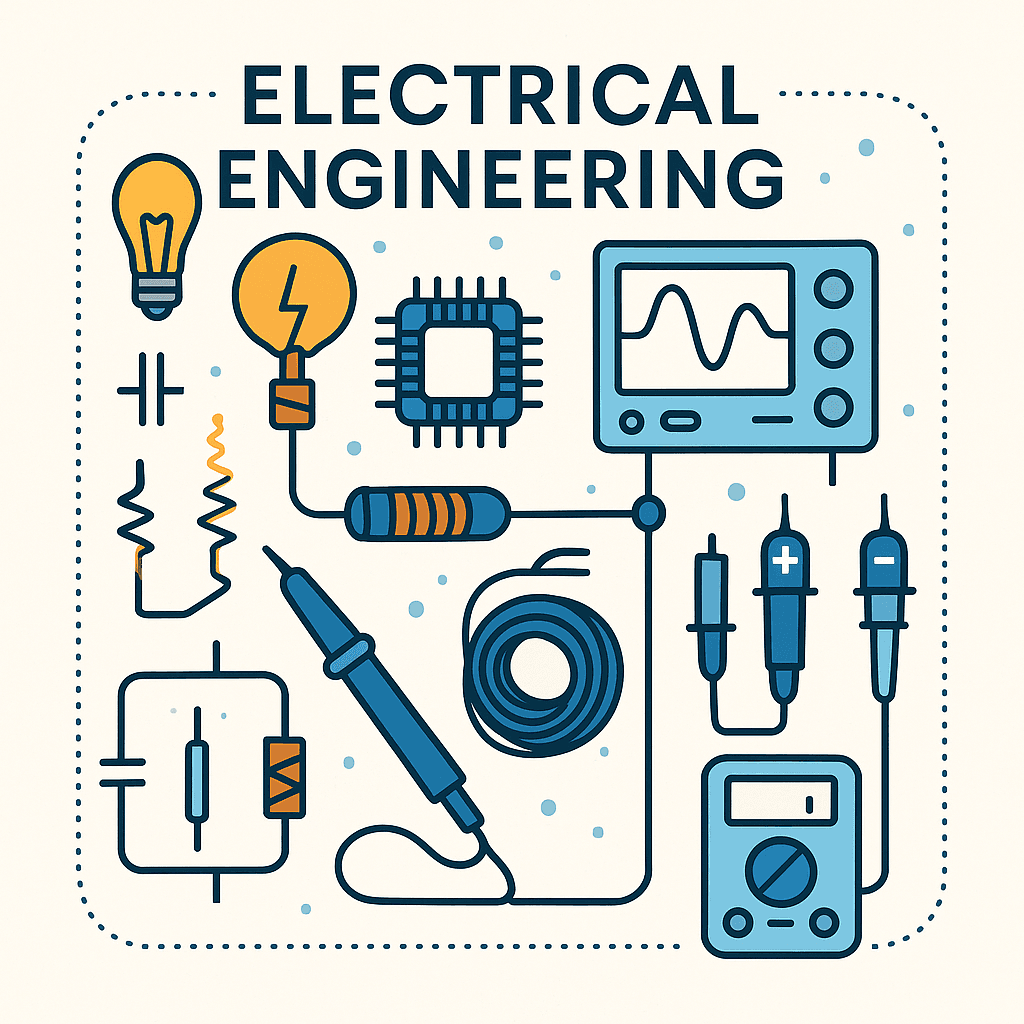
There Is a Future Behind the Cables: Why Choose Electrical and Electronics?
The language of the future is no longer written solely in code, but also in the wires that carry the pulse of electricity, in signals and circuits. Electrical and Electronic Engineering does not merely involve understanding the electricity from an outlet; it opens the doors to a vast vision extending from flying vehicles to space, from artificial intelligence to biomedical technology. For young people who wish to be part of every step of technological advancement, this field offers both a future
EN
Hatice Mehlika Biten
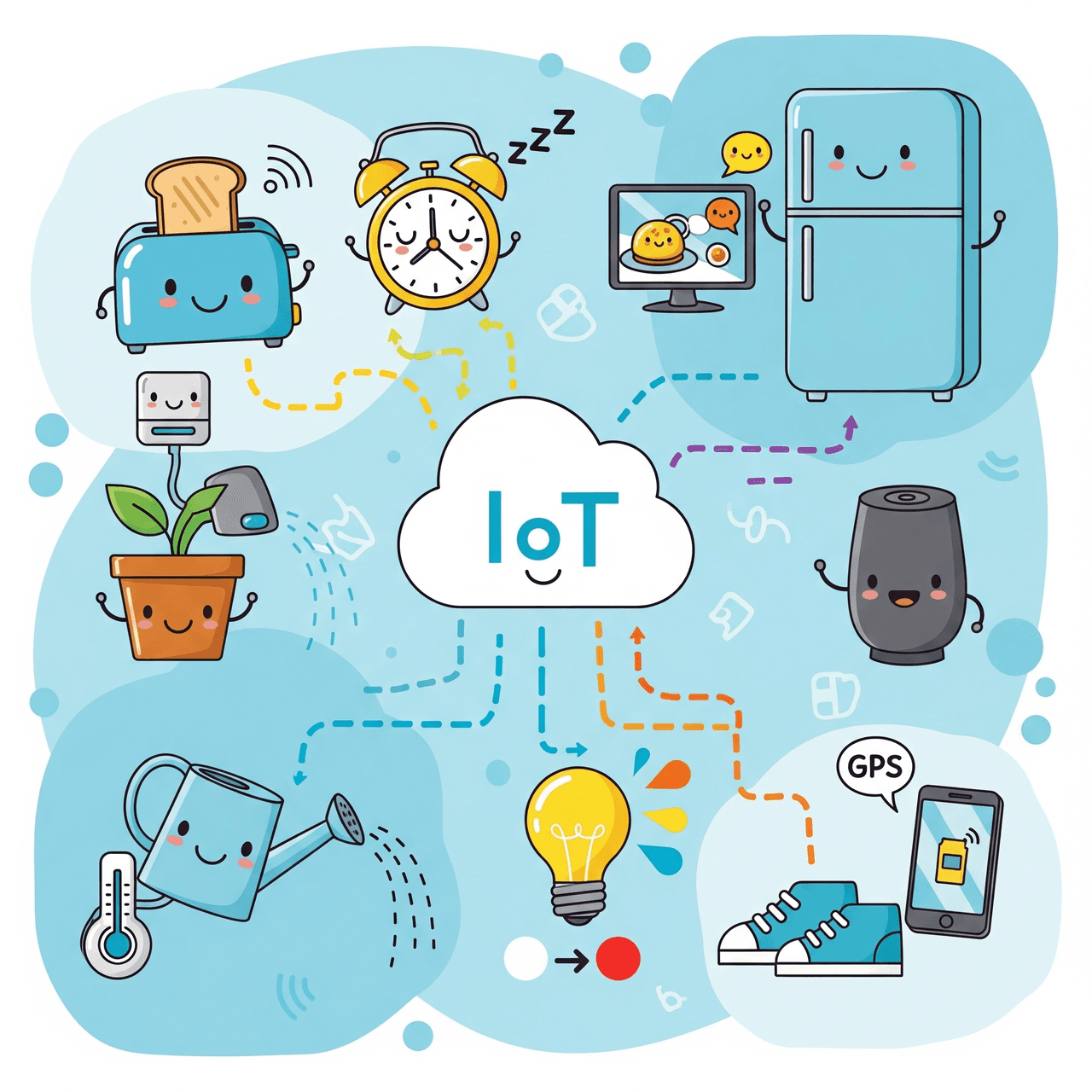
Internet of Things
Have you ever imagined your refrigerator telling you, “The milk is finished, go to the store!” or your front door opening by itself before you even arrive home? That’s exactly what the Internet of Things (IoT) can do! Let’s explore this fascinating world together. What Is the Internet of Things? The Internet of Things is a system that enables everyday objects we use in daily life to connect to the internet and communicate with each other. For example, your phone, television, or even your watch c
EN
Elif Laçin
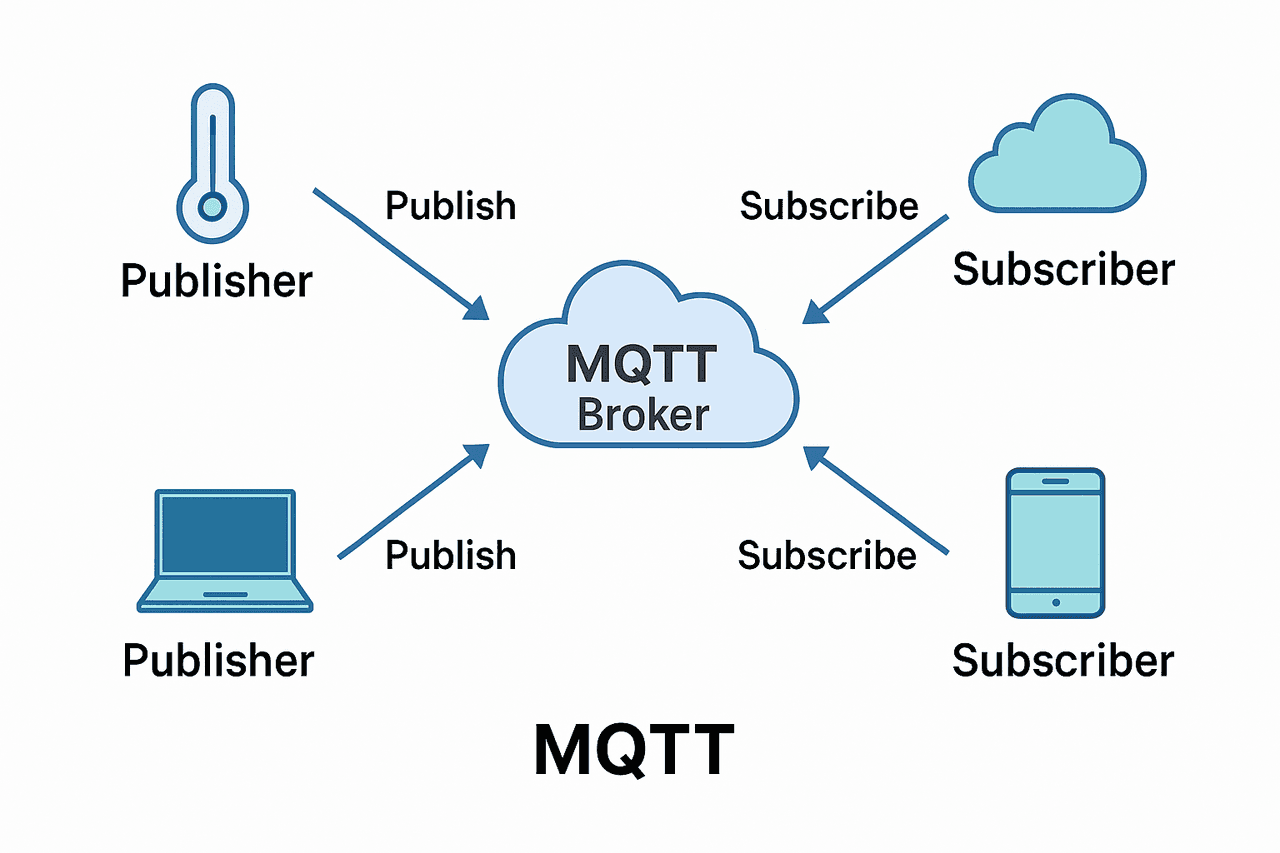
MQTT (Message Queuing Telemetry Transport)
MQTT (Message Queuing Telemetry Transport) is a lightweight and efficient messaging protocol designed to enable communication between devices with limited bandwidth and power. Embedded systems, Internet of Things (IoT) devices, and industrial automation systems widely use this protocol, which is based on a client-server model. General Structure of MQTT MQTT operates on a messaging logic between clients and a server (broker). In this structure, messages are published over a specific topic and rec
EN
Gülçin Özer
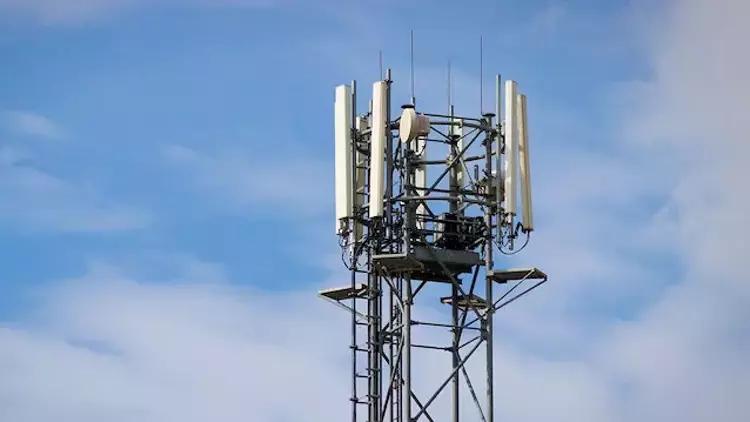
Base Stations
Baz stations are fundamental components of mobile communication networks and serve as infrastructure elements that enable mobile phones and other wireless devices to connect to networks. By transmitting data via radio frequencies, they facilitate communication and provide extensive coverage. With the advancement of mobile technology, the role of base stations in communication has increasingly grown. History The development of mobile communication systems is closely linked to the history of base
ENMuhammed Fatih Göksün
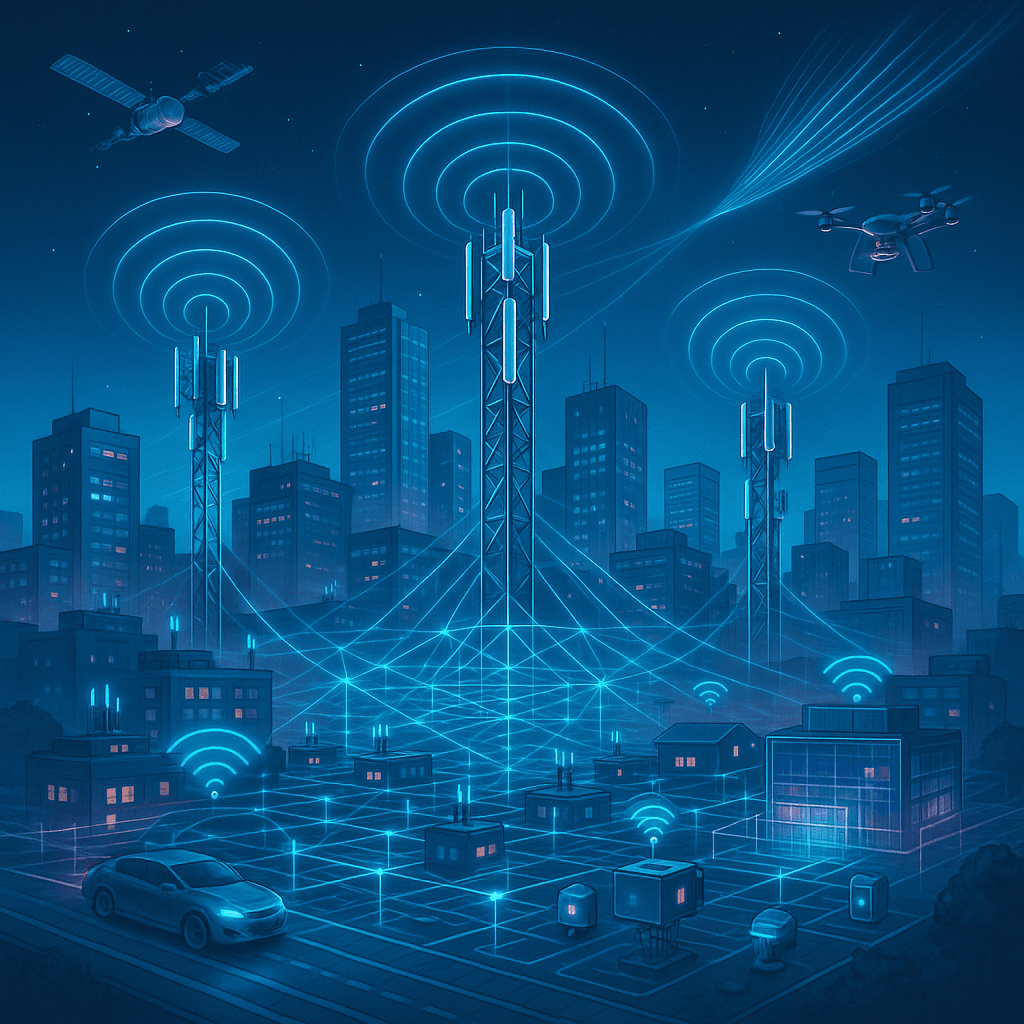
5G Technology
5G Technology is a wireless communication standard developed following fourth-generation (4G) mobile communication systems, designed to meet the growing demands for data, speed, and connectivity in the digital world. 5G technology delivers high data transfer rates, low latency, and massive connection capacity, enabling critical advancements in both individual user experiences and industrial applications. In this regard, it serves as a foundational infrastructure not only for smartphones and mobi
ENÖmer Said Aydın

NFC Technology
Near Field Communication (NFC) is a communication technology that enables short-range wireless data transfer. Developed as a specialized form of Radio Frequency Identification (RFID) systems, it allows secure, two-way data transmission between devices operating typically at distances of a few centimeters. NFC is based on the principle of electromagnetic induction; low-power radio waves generated by an antenna coil in one device induce current in the antenna of another device, enabling data excha
ENÖmer Said Aydın
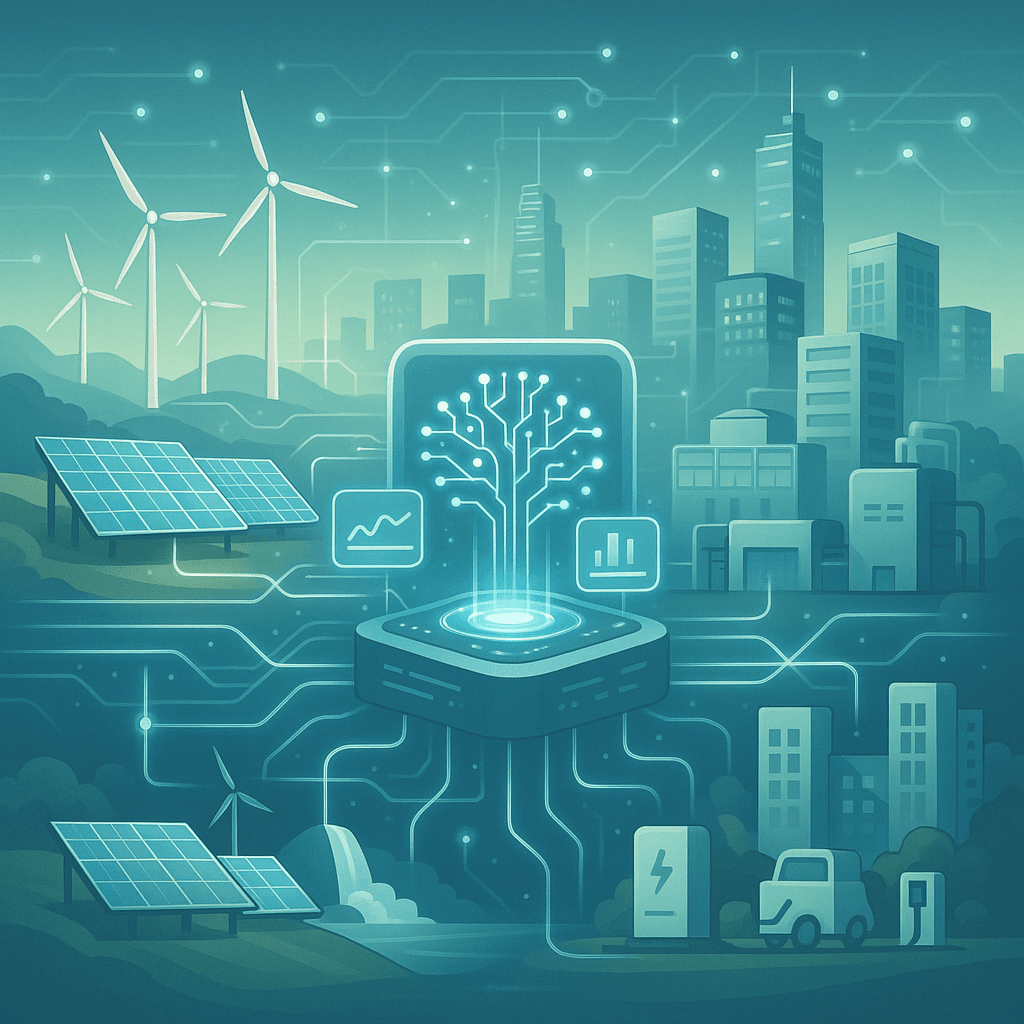
Artificial Intelligence-Assisted Energy Management
Artificial intelligence-assisted energy management is a technological approach aimed at making the production, distribution, storage, and consumption processes of energy systems more efficient, secure, and sustainable. In this approach, artificial intelligence (AI), machine learning, and the Internet of Things (IoT) are leveraged as advanced digital technologies. These systems enable real-time monitoring of energy flows, balancing of supply and demand, prediction of failure risks, and reduction
ENÖmer Said Aydın
AGRICULTURE 4.0
Industry 4.0, or Industry 4.0, is a comprehensive concept involving the integrated use of modern automation systems, data exchange, and manufacturing technologies. This paradigm generally consists of three core components: 1. The Internet of Things (IoT), 2. The Internet of Services (IoS), and 3. Cyber-Physical Systems (CPS). The Internet of Things refers to a network structure that enables physical objects equipped with sensors, software, and other technologies to exchange data over the interne
ENHalil Berk Aygün