

`industrialization` Related Article Results

Imperial Age (Book)
Eric J. Hobsbawm’s book *The Age of Empire 1875–1914* is a comprehensive study analyzing the period from the late 19th century to the threshold of the First World War. The book examines how political economic and social transformations during this era shaped global power balances. Hobsbawm defines this period as one marked by imperialist policies economic expansion and competition among the great powers period. The Age of Empire " image-alternate="" image-element-format="right"> Content of th
EN
Ahsen Karakaş
 Ur
UrUrbanization in Türkiye
Urbanization in Türkiye is a multifaceted transformation process with social, economic, cultural, and spatial dimensions that accelerated notably from the second half of the 20th century. It is defined not merely as a movement of population but as a process of population accumulation encompassing industrialization, economic development, increasing division of labor and specialization in social structure, and changes in human behavior and relationships. Türkiye’s urbanization experience exhibits
EN
Yunus Emre Yüce
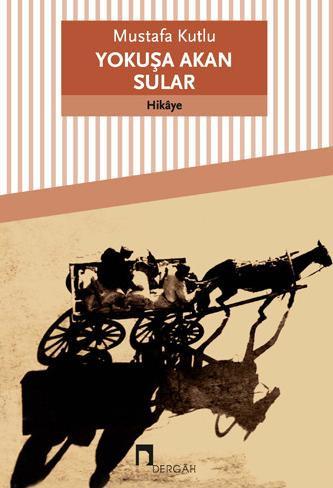
Waters Flowing Uphill (Book)
Waters Flowing Uphill is a compelling narrative that portrays Turkey’s social and political environment before 1980 through the tragedy of a young worker who migrates from village to city during the industrialization process. The story centers on the transformation, alienation, and struggle experienced by individuals transitioning from an agrarian society to an industrial one. Through the tragic tale of the young character Cevher Bican, the work offers both a personal and societal critique. Plot
ENMehmet Denizhan
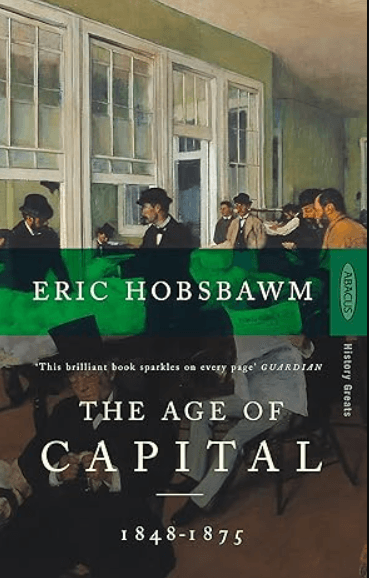
The Age Of Capital (Book)
Eric J. Hobsbawm’s The Age of Capital: 1848-1875 analyzes the transformation of Europe during the rise of industrialization and capitalism. Focusing on the economic, social, and political changes that shaped the world after the French Revolution and the 1848 revolutions, the book examines the emergence of capitalism as a global system and the profound transformations it triggered in historical context. Hobsbawm portrays this period not only as an era of economic growth but also as one marked by
EN
Ahsen Karakaş

Age of Capital (Book)
Eric J. Hobsbawm’s book *The Age of Capital: 1848–1875* analyzes the transformation of Europe through the rise of industrialization and capitalism. Focusing on the economic social and political changes that reshaped the world after the French Revolution and the revolutions of 1848 work examines how capitalism became a global system and contextualizes the transformations generated by this process within historical. Hobsbawm characterizes this period not merely as an era of economic growth but als
ENAhsen Karakaş

Age of Capital (Book)
Eric J. Hobsbawm’s book The Age of Capital 1848–1875 analyzes the transformation of Europe through the rise of industrialization and capitalism. Focusing on the economic, social, and political changes that shaped the world after the French Revolution and the revolutions of 1848, the work examines how capitalism became a global system and places these transformations within a historical context. Hobsbawm describes this period not merely as an era of economic growth but also as a time when class s
ENAhsen Karakaş
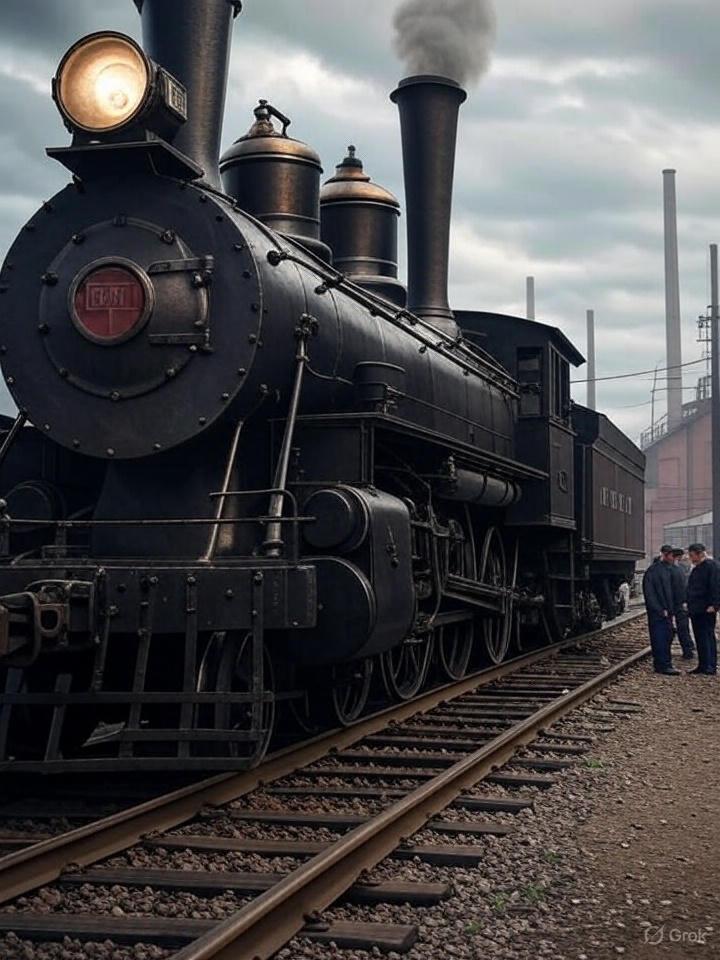
Industrial Revolution
The Industrial Revolution is an economic, technological, and social transformation process that began in late 18th-century Britain and fundamentally reshaped human history. Accelerated by James Watt’s invention of the modern steam engine, this revolution is characterized by the replacement of hand-based production with mechanized mass production. Britain’s geographic, economic, social, and political advantages made it the ideal starting point for this revolution; its effects left deep imprints a
EN
Elif Laçin
TyTypes of Societies
Types of societies refer to the different forms of social organization that have evolved throughout history based on various socio-economic, cultural, and political structures. Sociologists classify societies based on factors such as modes of production, governance structures, social relationships, and the integration of individuals into society. These classifications are generally divided into traditional (pre-modern) societies and modern societies. With industrialization in the 19th and 20th c
EN
Sümeyra Uzun
ImImport Substitution
Import substitution is an economic policy that involves producing domestically goods that were previously imported. This strategy aims to reduce the share of imports in total domestic supply by replacing them with local production, thereby narrowing the foreign trade deficit. When import substitution occurs in an economy, it leads to foreign exchange savings alongside an expansion of domestic production capacity. This strategy is typically implemented both as an industrialization policy and as a
ENSümeyra Uzun
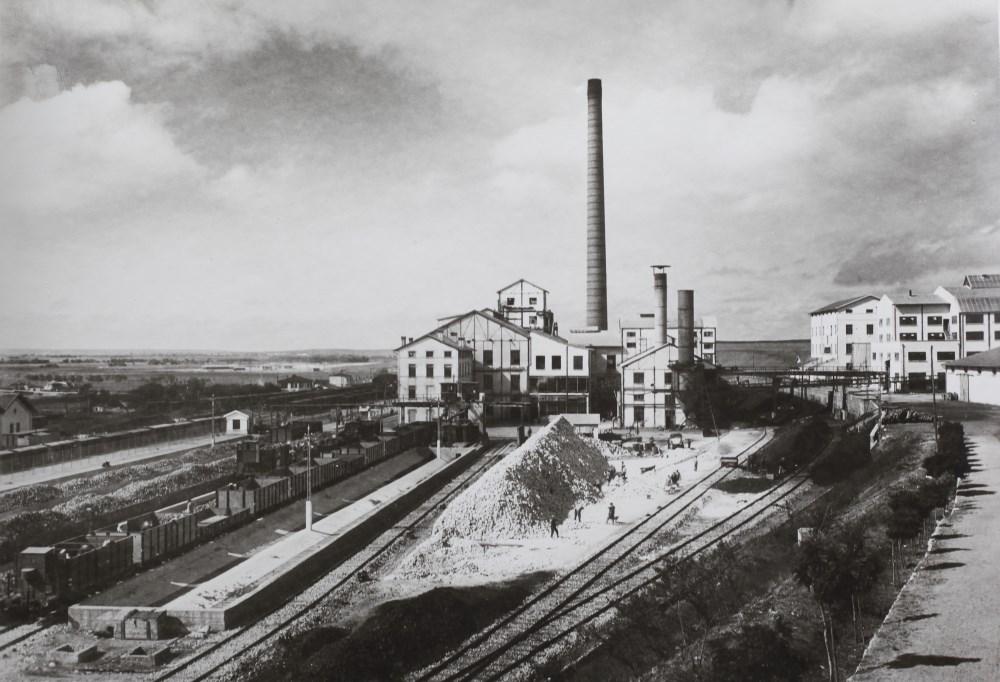
Alpullu Sugar Factory
Alpullu Sugar Factory is the first sugar production facility established in Türkiye during the Republican era. Located in Alpullu, a village in the Babaeski district of Kırklareli province in Thrace, the factory began operations in 1926 and has played a significant role in the economic, social, and architectural development of the region. Established through a partnership between the state and private sector in the early years of the Republic, the factory was instrumental in establishing beet cu
EN
Meryem Şentürk Çoban