

`indonesian-cuisine` Related Article Results
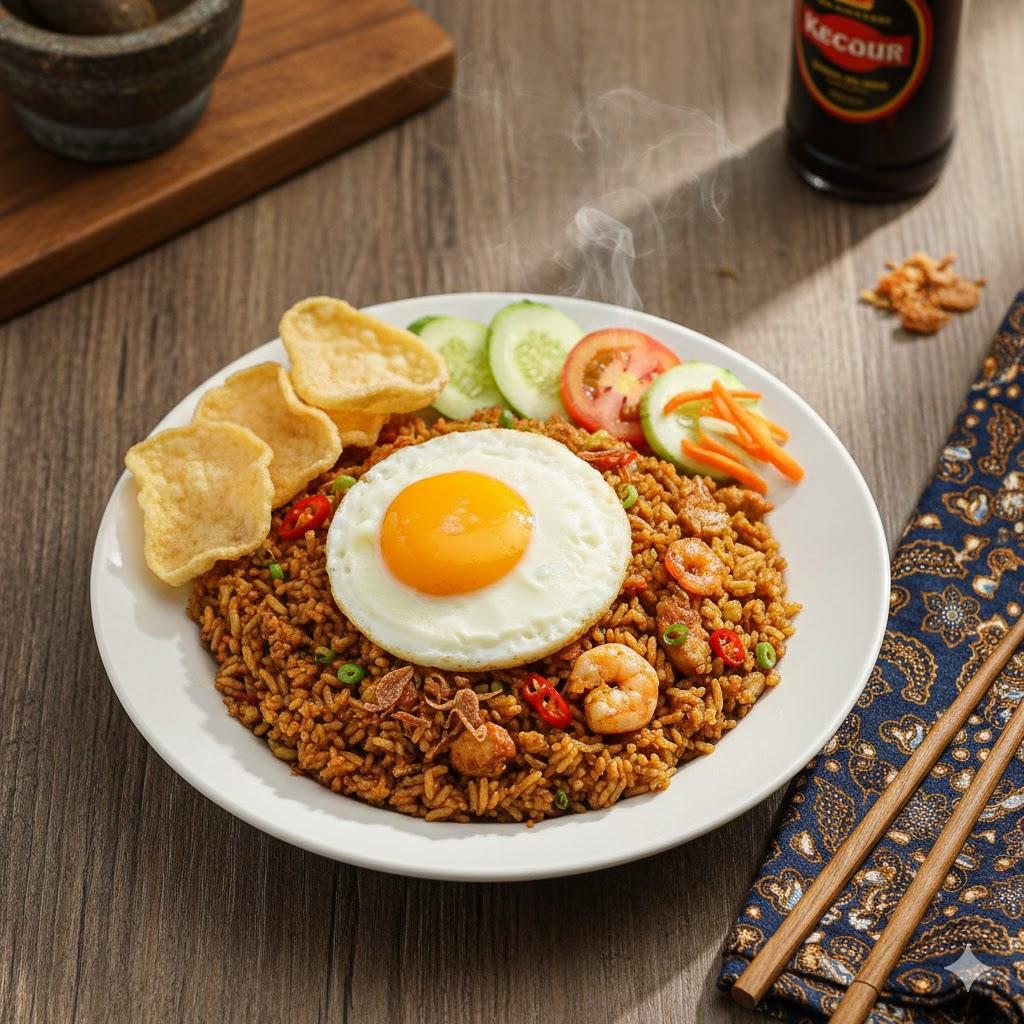
Nasi Goreng
Nasi goreng is a traditional dish of Indonesian cuisine, based on rice and typically stir-fried with spices, eggs, vegetables, and optionally meat or seafood. Over time, nasi goreng has transcended its role as an everyday meal to become an important symbol of Indonesia’s cultural and national identity. Its designation in 2012 by the Ministry of Tourism and Creative Economy as one of the representative dishes of the national cuisine has reinforced its significance within the context of cultural h
EN
Emine Nur ERDEM
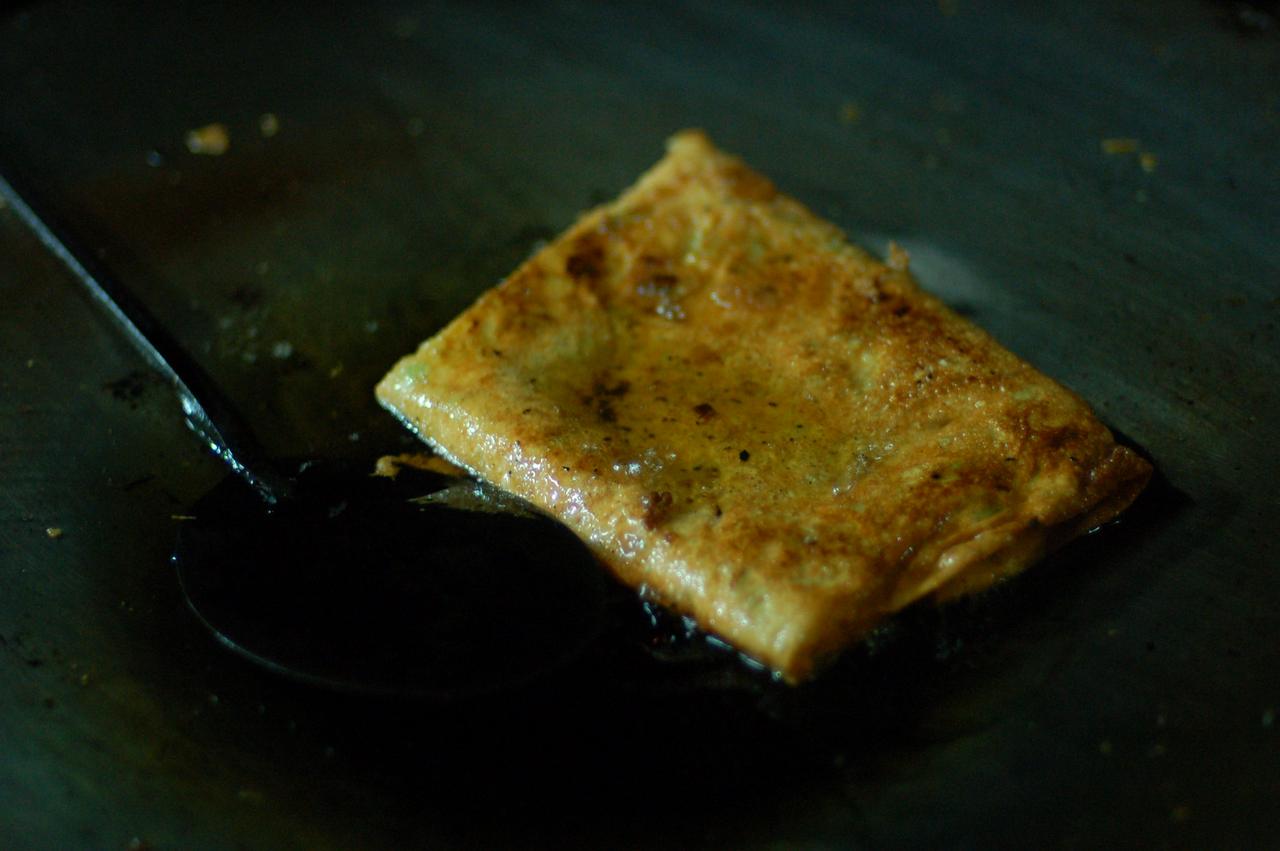
Martabak Telur
Martabak Telur is a savory pastry made by rolling a yeast-free, elastic dough into a paper-thin sheet, filling it with a mixture of eggs, meat, and various vegetables, then folding it and shallow-frying until golden. Recognized as one of the foundational dishes of street cuisine, it is technically classified as a “stuffed and folded crepe” or “fried flatbread.” Indonesia Etimology and Historical Development The dish derives its name from the Arabic word mutabbaq, meaning “folded.” Historically,
ENEmine Nur ERDEM
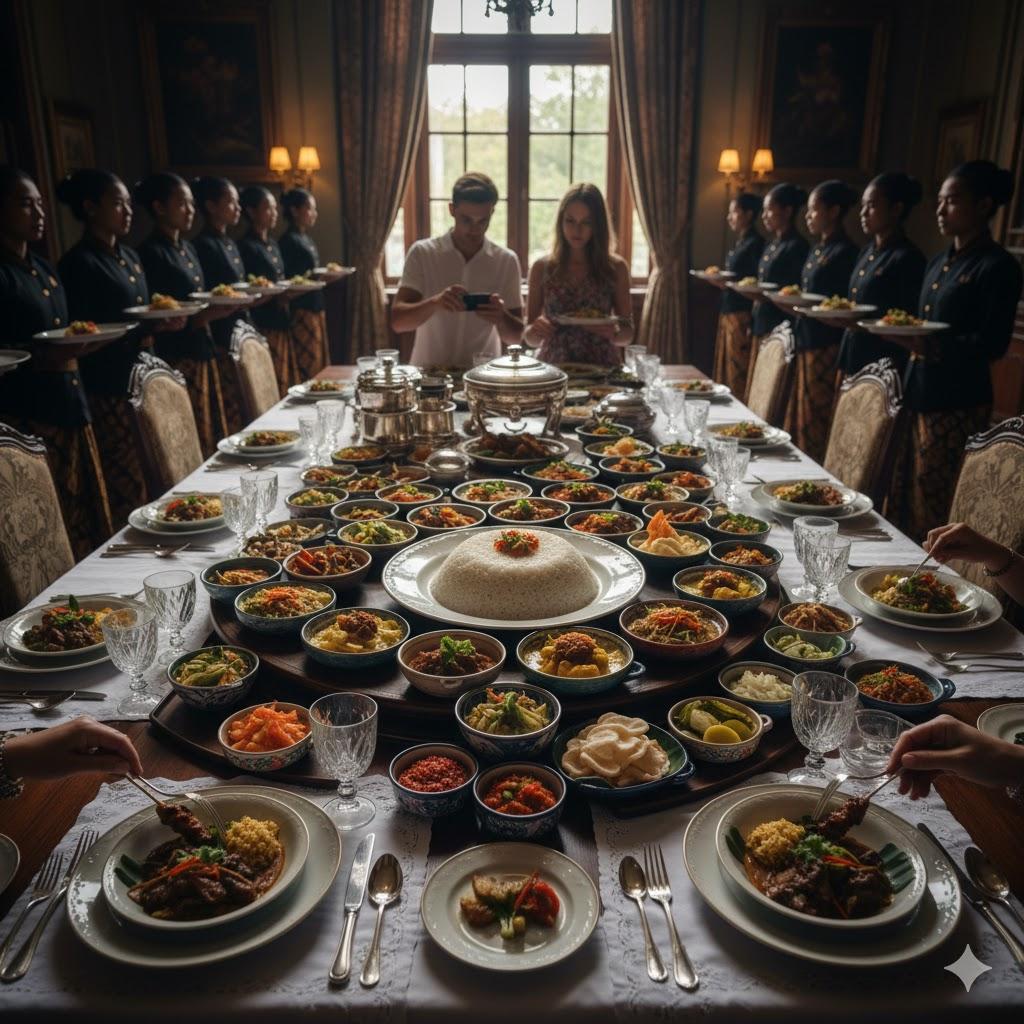
Rijsttafel
Rijsttafel is a dining arrangement that developed during the Dutch colonial period, centered around rice and featuring numerous dishes of Indonesian origin served in small portions. It is both a style of eating and a dining ritual. Various sources indicate that between 10 and 40 different dishes could be served simultaneously at such tables. Today, rijsttafel tables in the Netherlands typically consist of various sambals, vegetable dishes, meat dishes such as rendang, rice, sambal, and pickles.
ENEmine Nur ERDEM
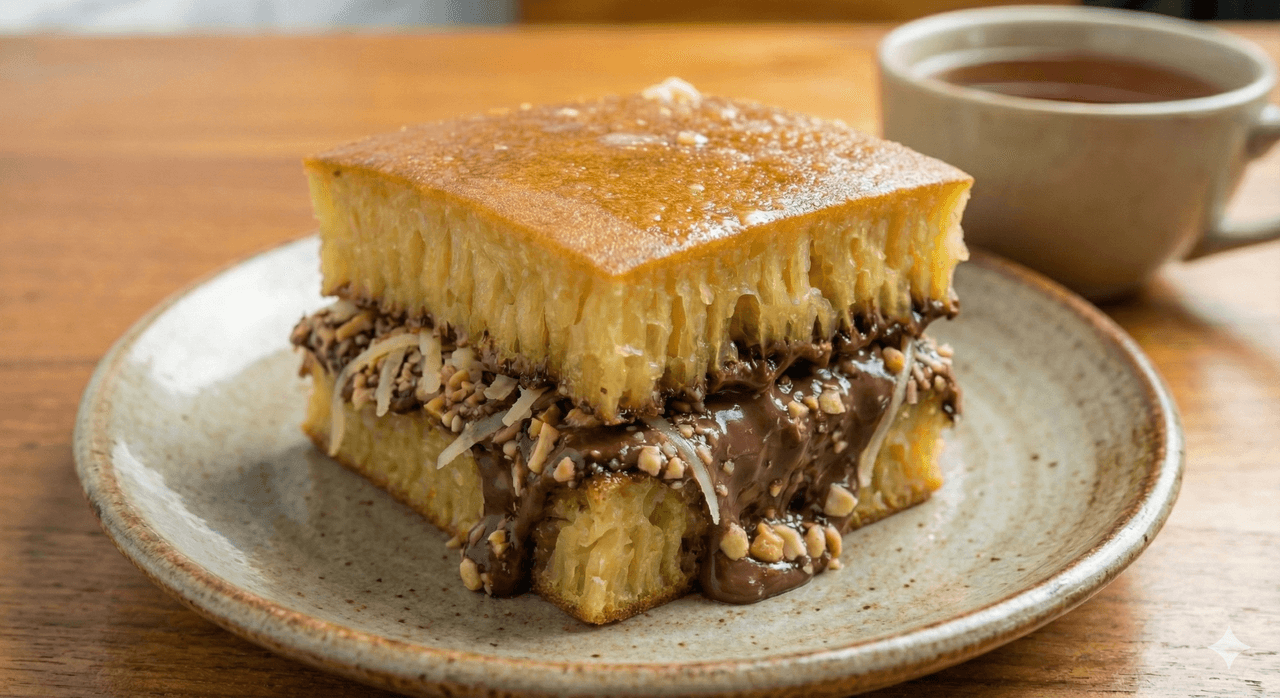
Martabak Manis
Martabak Manis is a thick, sweet crepe variety widely consumed in Indonesia cuisine. The term “Martabak” is believed to originate from the Kerala region of India and subsequently spread to regions such as Indonesia, Malaysia and Arabia, undergoing cultural adaptation in the process. In regions of Indonesia such as Yogyakarta and East Java, it is also known as “Terang Bulan” (Bright Moon) due to its round shape resembling the full moon when cooked. Ingredients and Preparation Technique The main i
ENEmine Nur ERDEM