

`iftar` Related Article Results

Tekne Orucu
Tekne orucu, Anadolu’nun köklü kültürel miraslarından biri olup, özellikle çocuklara oruç tutma alışkanlığını kazandırmak ve onlara İslami bir kimlik aşılamak amacıyla uygulanan kadim bir gelenektir. Ergenlik çağına gelmemiş çocukların günün tamamı yerine belirli bir bölümünü oruçlu geçirmeleri esasına dayanır. Yapay Zeka ile Oluşturulmuştur. " image-element-format="right" image-height="1024" image-source="https://cdn.t3pedia.org/media/uploads/2026/02/16/9gelmwLM0Nf7UUgObrJftCG62rNdVi0K.jpg" ima
TR
Miray GÜR
 İf
İfİftar
Köken İftar kelimesi, Arapçadaki fṭr köküne bağlı olarak türetilmiş ifṭār (إفطار) sözcüğünden Türkçeye geçmiştir. Bu sözcük, Arapçada “oruç açmak” anlamına gelen faṭara fiilinden türetilmiş olup, fiilin ifʿāl kalıbındaki mastar biçimini ifade eder. Anlam bakımından kelime, orucun sona erdirilmesi ve bu eylemin gerçekleşmesiyle ilgili kullanımları karşılar. Kullanım Alanları Dinî kullanım: Oruç tutan kimsenin, güneşin batmasıyla birlikte orucunu açmasını ifade eder. Zaman bildiren kullanım: Oruç
TR
Cemile YAKAÇ
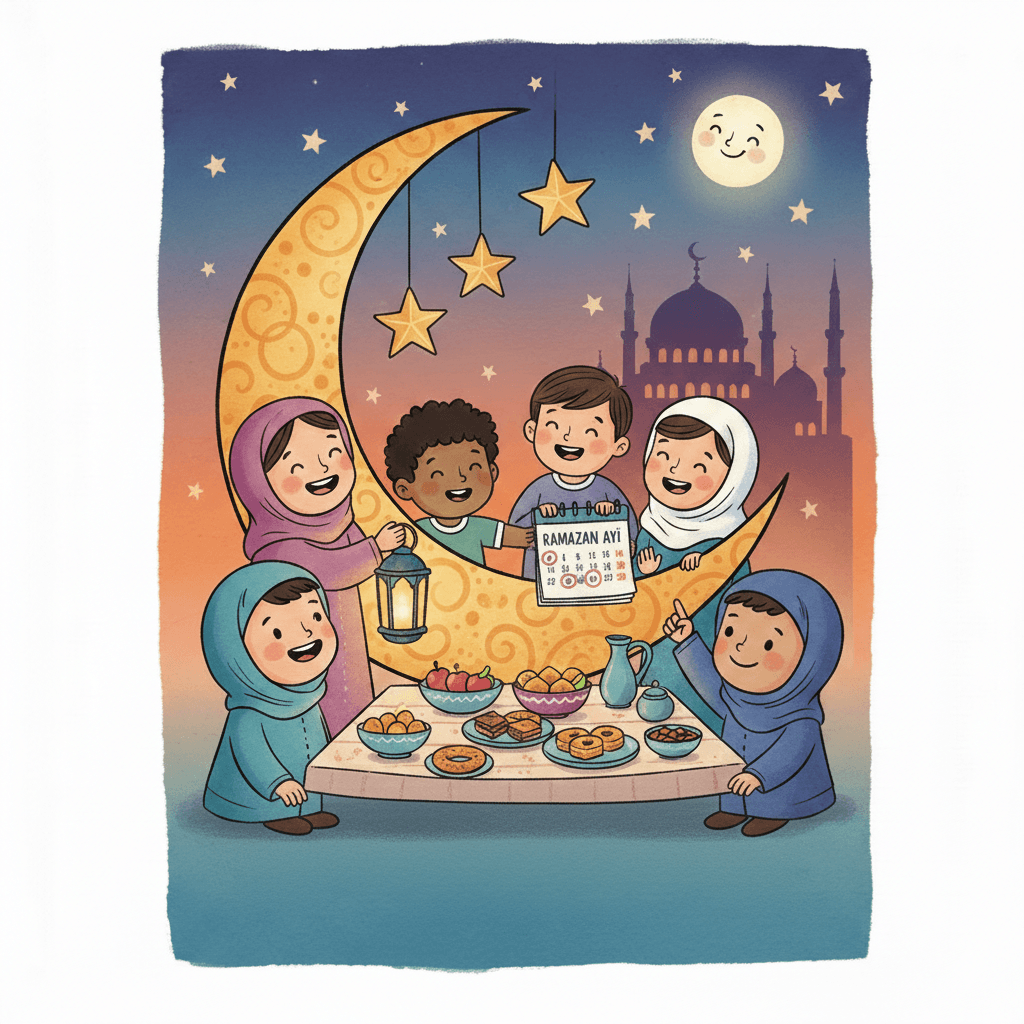
What is Ramadan?
Ramadan is the ninth month of the Islamic calendar. According to Islam, the Quran was first revealed during this month. For Muslims, this period is a time when the fundamental act of worship—fasting—is observed and religious sensitivity is heightened. Generated by Artificial Intelligence. " image-element-format="right" image-height="1024" image-source="https://cdn.t3pedia.org/media/uploads/2026/02/16/WfRRLQtI0F8v1Ik1MEFxMxxkjR0exu55.jpg" image-width="1024"> Etymology and Meaning The word "Ram
ENMiray GÜR
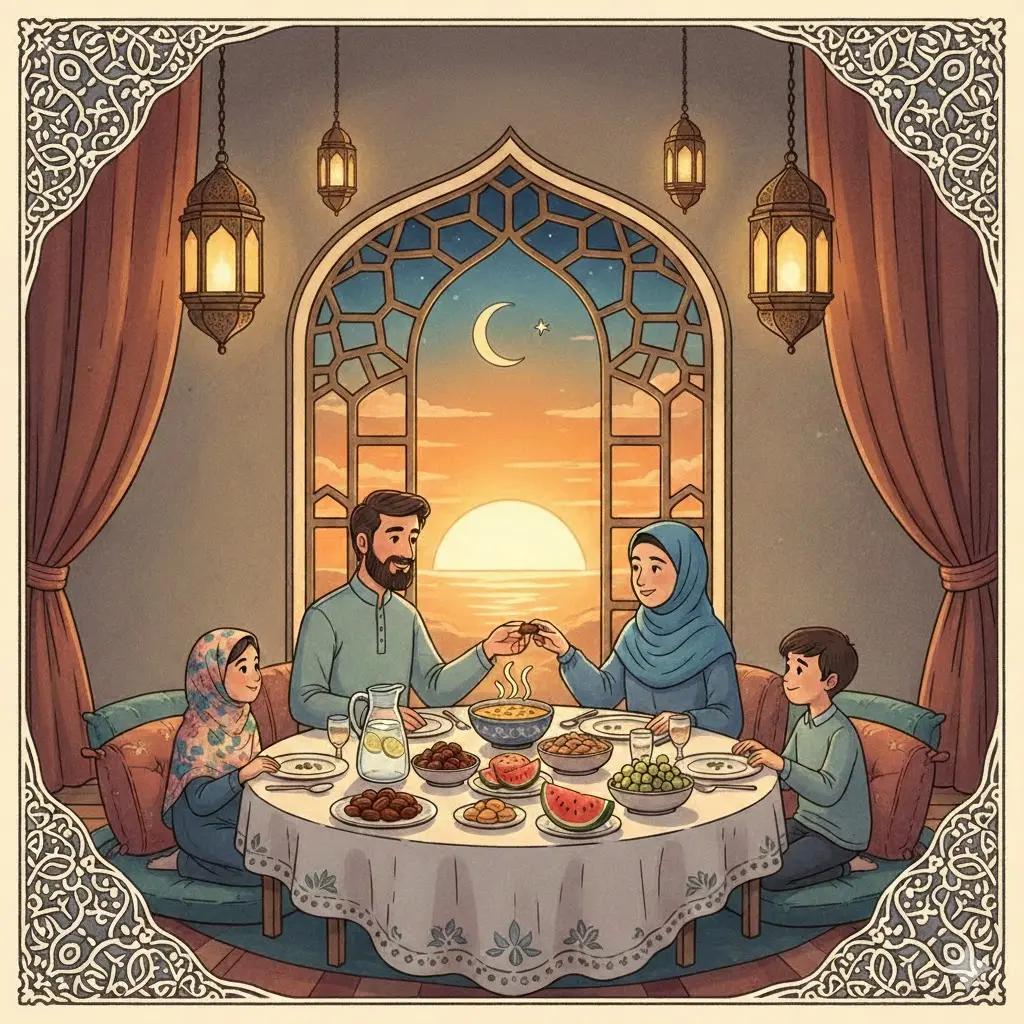
What is Iftar?
İftar is derived from the Arabic root "fatr", which means "to break" or "to open," particularly in the sense of breaking the fast. As a religious term, iftar refers to the act of properly ending the fast, which Muslims observe from dawn until sunset for worship. Generated by Artificial Intelligence. " image-element-format="right" image-height="1024" image-source="https://cdn.t3pedia.org/media/uploads/2026/02/16/hxHqpvCLd9WRQaT6fvLLp01Gfph2x51s.jpg" image-width="1024"> Timing and Practice of I
ENMiray GÜR
RoRose Sherbet
Gül şerbeti is a traditional non-alcoholic beverage made from rose petals or rose water, sweetened with sugar or honey. Within Turkish cuisine culture, floral sherbets hold a significant place, and gül şerbeti was widely consumed especially during the Ottoman period, finding broad usage from the imperial kitchen to folk cuisine. Sherbets in general are beverages prepared by mixing water with sugar, honey, or similar sweeteners and enriching them with fruit, flower, or herbal aromas. In this cont
EN
Meryem Şentürk Çoban
Boat Fast
Tekne orucu is a traditional practice rooted in Anatolia’s deep cultural heritage, designed to instill the habit of fasting in children and nurture an Islamic identity. It is based on the principle of having children fast only for a portion of the day rather than the full day, particularly before they reach puberty. Generated by Artificial Intelligence. " image-element-format="right" image-height="1024" image-source="https://cdn.t3pedia.org/media/uploads/2026/02/16/9gelmwLM0Nf7UUgObrJftCG62rNdVi
ENMiray GÜR
İftar Nedir?
İftar, kelime anlamı olarak Arapça "yarmak, kesmek" veya "orucu açmak" mânalarına gelen fatr kökünden türetilmiştir. Dinî bir terim olarak ise, Müslümanların tan yerinin ağarmasından gün batımına kadar ibadet amacıyla tuttukları orucu, akşam vakti girince usulüne uygun şekilde sonlandırmasıdır. Yapay Zeka ile Oluşturulmuştur. " image-element-format="right" image-height="1024" image-source="https://cdn.t3pedia.org/media/uploads/2026/02/16/hxHqpvCLd9WRQaT6fvLLp01Gfph2x51s.jpg" image-width="1024"&g
TRMiray GÜR
GüGül Şerbeti
Gül şerbeti, gül çiçeğinin yaprakları veya gül suyundan hazırlanan, şeker ya da bal ile tatlandırılan geleneksel bir alkolsüz içecektir. Türk mutfak kültüründe çiçekli şerbetler arasında önemli bir yere sahip olan gül şerbeti, özellikle Osmanlı döneminde yaygın biçimde tüketilmiş ve saray mutfağından halk mutfağına kadar geniş bir kullanım alanı bulmuştur. Şerbetler genel olarak suyun şeker, bal veya benzeri tatlandırıcılarla karıştırılması ve meyve, çiçek ya da bitkisel aromalarla zenginleştiri
TRMeryem Şentürk Çoban
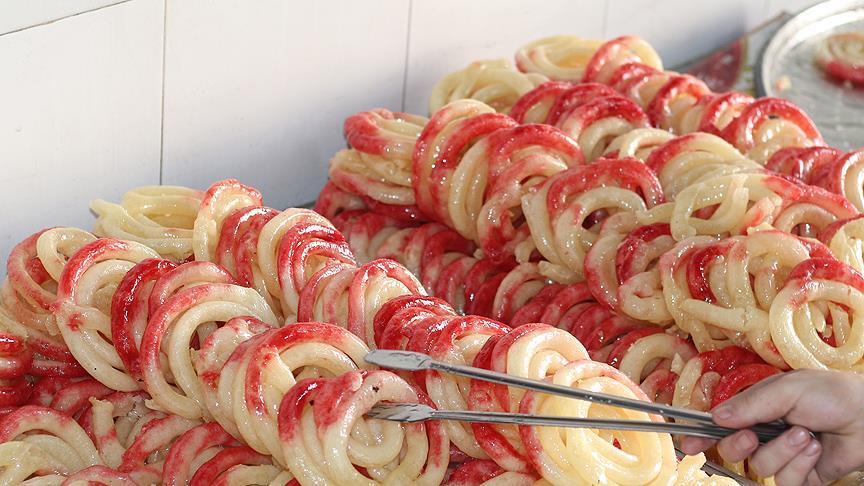
Ramazan Halva (Zülbiye)
Ramazan Helvası is a traditional sweet widely consumed in the Bergama region of Türkiye, also known as Zülbiye. This dessert, commonly served on iftar tables during the month of Ramadan, is prepared using basic ingredients such as flour, sugar, and fat, and is distinguished by its unique texture. Ramazan helvası, as part of Bergama’s cultural heritage, is enjoyed by both locals and visitors. History and Origins The origins of Ramazan helvası trace back to traditional Turkish sweets rooted in Ott
EN
Meryem Beyza Utkulu
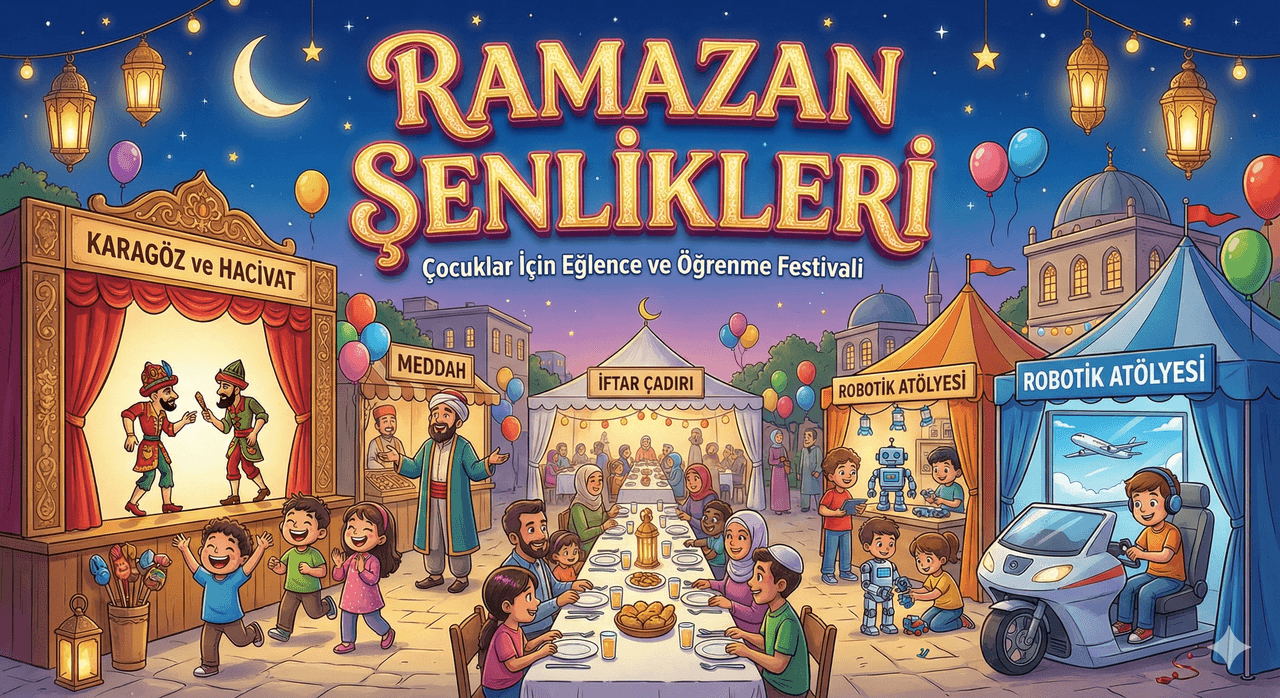
Ramadan Celebrations
Ramadan festivities are wonderful celebrations held to make this special month even more joyful, colorful, and filled with love. Like a festival, every corner glows with light and people embrace one another. What Are Ramadan Festivities? The month of Ramadan, known as the “sultan of eleven months,” is spent together through activities that combine fun and learning—these are called Ramadan festivities. Thanks to these events, streets come alive, markets buzz with energy, and every place is filled
EN
Mustafa Cem İnci