

`hubble-telescope` Related Article Results
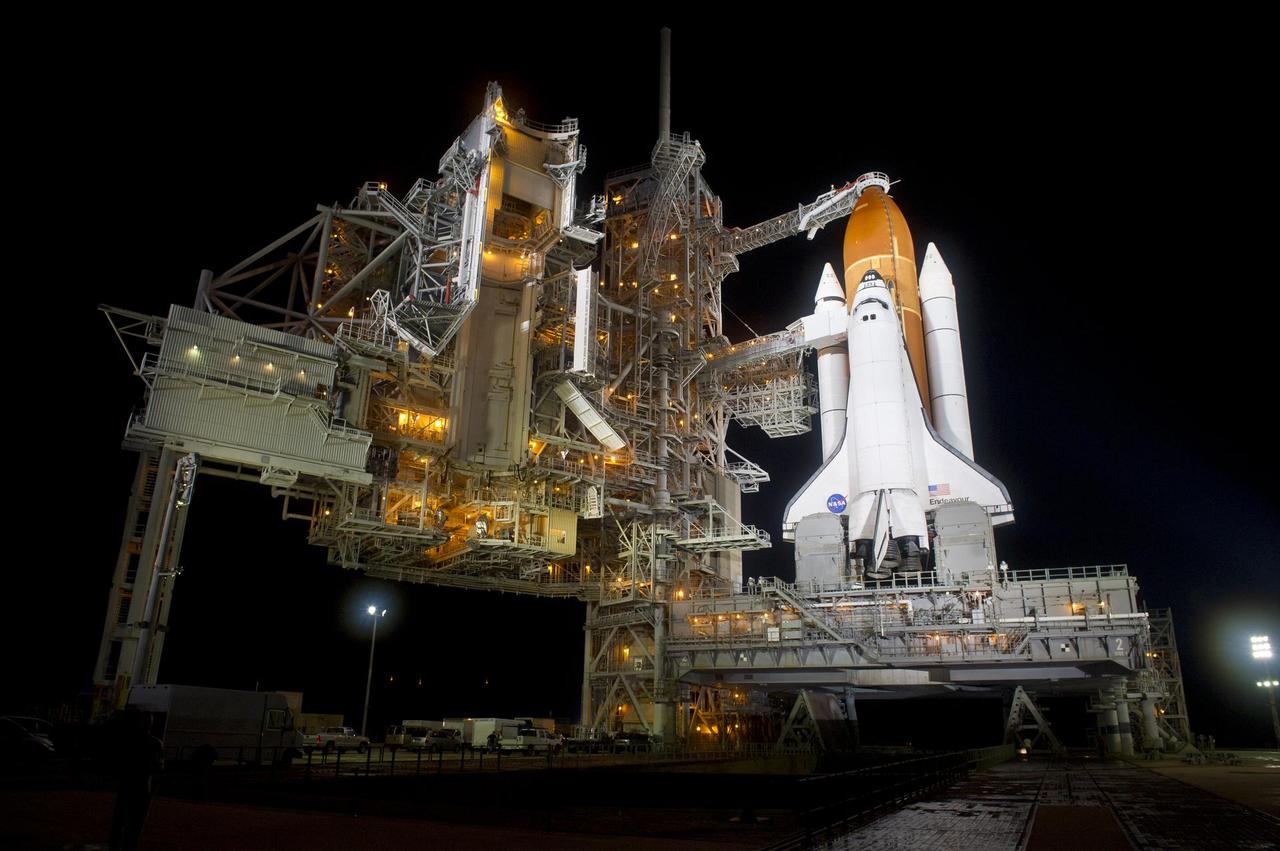
Space Shuttle Endeavour
The Space Shuttle program marked a major advancement in human space exploration, and a series of space vehicles were produced within the scope of NASA's Space Shuttle Program. One of these vehicles was the Space Shuttle Endeavour. First launched in 1991, Endeavour contributed to space research and was used in various scientific missions. History of the Endeavour Space Shuttle Endeavour (OV-105) was produced due to the need for a new space shuttle following the Challenger disaster in 1986. Produc
EN
Osman Özbay
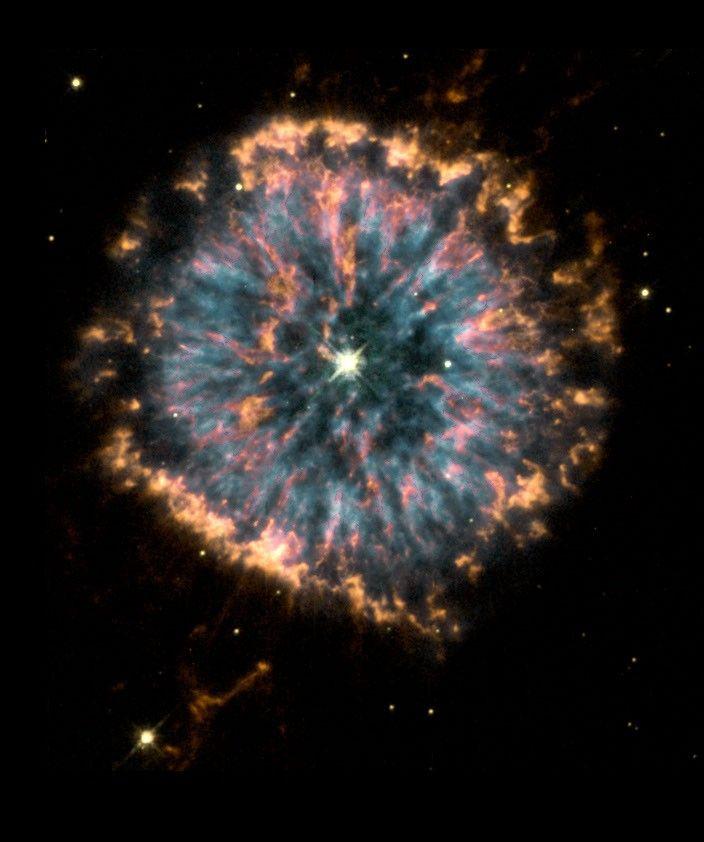
Eye of Heaven Nebula (NGC 6751)
NGC 6751 is a compact planetary nebula located in the direction of the Aquila constellation. This object, sometimes referred to in popular sources as the Eye of Heaven, lies approximately 6,500 light years from Earth. The nebula formed when the outer layers of a central white dwarf star were ejected into space during the final stages of its life. Physical and Structural Properties NGC 6751 is a classic example of a planetary nebula with a bipolar morphology. Examination of its overall structure
ENOsman Özbay
 Sp
SpSpace Shuttle Atlantis: History, Missions, and Contributions
The Space Shuttle Atlantis was a spacecraft developed under NASA’s Space Shuttle Program and designed to be reusable. From its first flight in 1985 to its final mission in 2011, it completed numerous important missions. NASA’s Space Shuttle Program, launched in the 1970s, aimed to make human spaceflight more economical and sustainable. Atlantis, one of the five shuttles developed under this program, was actively used from 1985 onward and completed 33 successful missions. History and Technical Sp
ENOsman Özbay
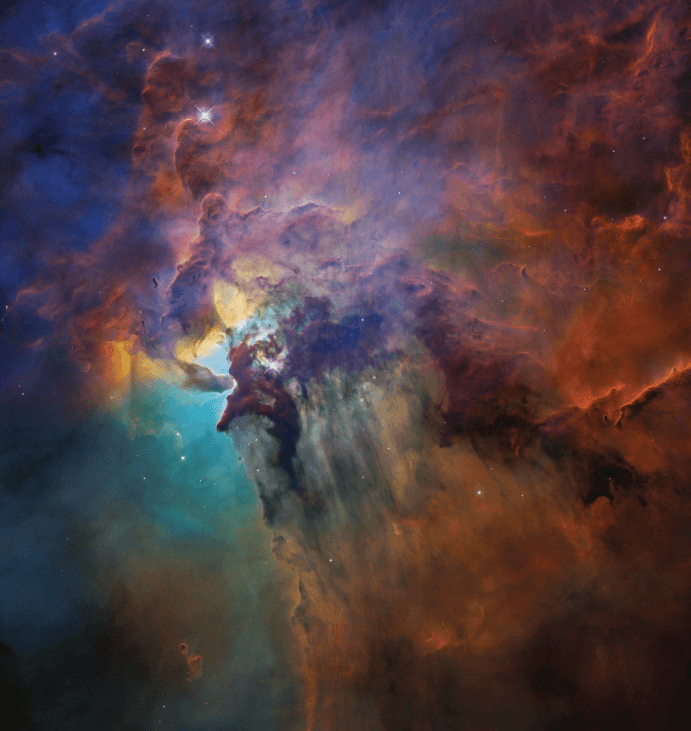
Lagoon Nebula (Messier 8)
Lagoon Nebula (Messier 8) is a massive star-forming region located in the direction of the Sagittarius constellation. This nebula is one of the few that can be observed with the naked eye from Earth. Approximately 4,100 light-years away, the Lagoon Nebula contains a vast cloud of hydrogen gas and numerous young stars currently forming within it. Classification and Structure The Lagoon Nebula is classified as an emission nebula. Such nebulae consist of ionized gas illuminated by intense ultraviol
ENOsman Özbay