

`history-of-technology` Related Article Results
 Wh
WhWhat is a Phonograph?
Phonograph is one of the first devices designed for recording and reproducing sound. Invented in 1877 by Thomas Edison, it operates by recording sound waves onto a physical surface on and then replaying that recording. Initially capable of recording onto cylinders, the phonograph gradually evolved into a device that could record and play sound on discs. It is historically recognized as the first home audio playback device and dominated commercial sound distribution for much of the 20th century.
EN
Nihal Fırat Özdemir
MeMedieval Locks and Keys
In the Middle Ages, locks and keys served as essential tools for both security and prestige important. During this period, the need for security became critical due to threats such as theft, invasion, and attack. Locks were used in various contexts including homes, castles, churches, chests, and containers where valuable items were stored like common. The locks and keys of the Middle Ages Era laid the foundation for early security systems and exhibited considerable diversity modern. Types of Loc
ENNihal Fırat Özdemir
MeMedieval Looms
In the Middle Ages, weaving looms found increasing use in both agricultural communities and urban centers. Particularly in West and Central Europe, with the growth of guilds and trade, the art of weaving became a professional craft. Looms were primarily used to process wool, linen, and cotton like as the main raw materials. Throughout the Middle Ages, handlooms were common in households, but larger looms were employed in workshops for commercial production. The Spread of Looms: Domestic Use: Pea
ENNihal Fırat Özdemir
CiCinematographic Instruments in the Middle Ages
Although “cinematic” devices did not exist in the modern sense during the Middle Ages, certain optical devices were used for performance and entertainment purposes. These technologies reflected human interest in visual illusions by combining science and art. During the Middle Era and later the Renaissance period, particularly the magic lantern (laterna magica) and magic boxes emerged as captivating optical display devices. These instruments created early period cinematic effects through the mani
ENNihal Fırat Özdemir
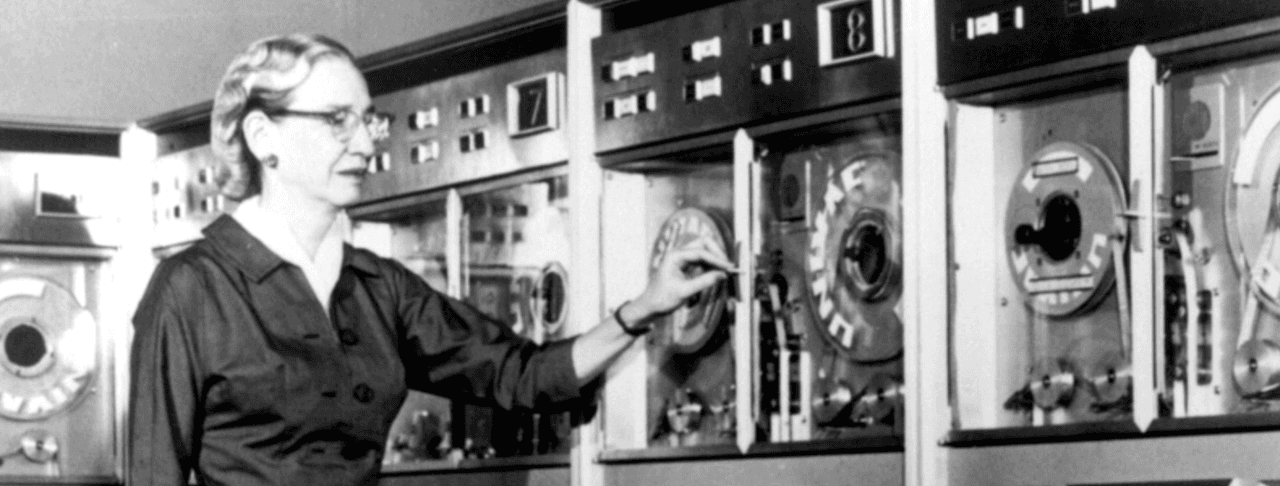
Grace Hopper
Grace Murray Hopper (9 December 1906, New York – 1 January 1992, Arlington, Virginia) was an American computer scientist, mathematician, and rear admiral. She was the first person to propose the concept of machine-independent programming languages. As one of the earliest programmers of the Harvard Mark I computer, she was the architect of many fundamental concepts still used in software development today. Early Life and Education She was born on 9 December 1906 in New York City as the eldest of
EN
Arda Songur
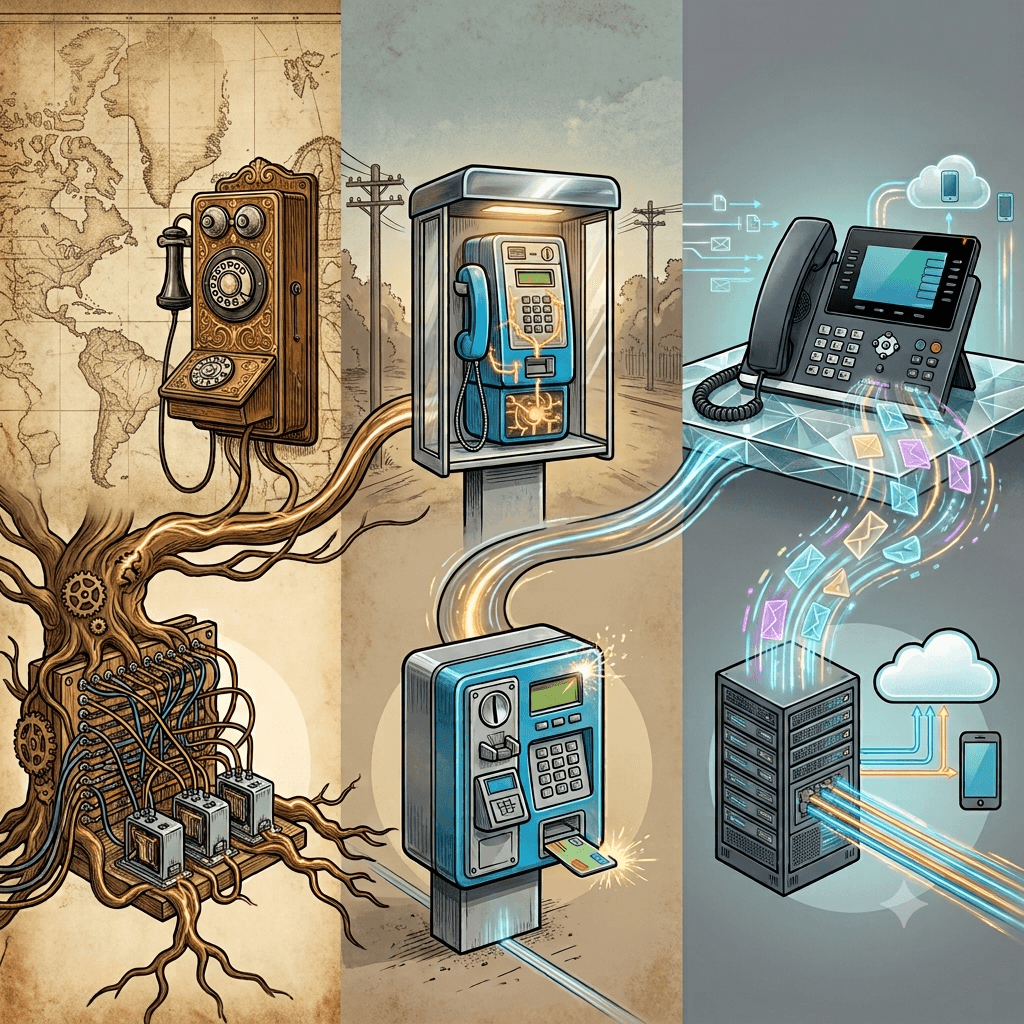
Fixed-Line Telephone Communication in Türkiye
Fixed-line telephone is a communication device that operates through a wired connection at a specific location and enables voice communication. As one of the key inventions in communication technology, the fixed-line telephone has followed a path marked by bans, customs seizures, foreign company concessions, nationalization efforts, institutional transformations, and technological breakthroughs from the Ottoman Empire to present-day Türkiye. History of the Fixed-line Telephone Fixed-line telepho
EN
Nida Öztürkmen