

`history-of-islamic-science` Related Article Results
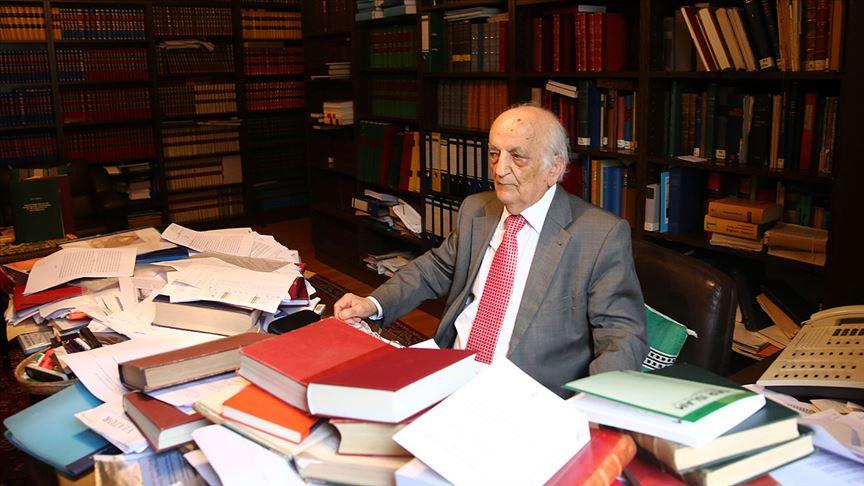
Prof. Dr. Fuat Sezgin
Prof. Dr. Fuat Sezgin (1924–2018) is a scholar who researched documented and transmitted the history of Islamic sciences through written works to future academic literature. Born in Bitlis, Sezgin received his education in Arabic-Persian philology at Istanbul University, conducted extensive studies on manuscripts, and played a pivotal role in institutionalizing the history of science through the institutes and museums he established in Türkiye and Germany. Birth Family Background and Childhood (
EN
Seher Yıldız Külünk

Seeking the Lost Link in the History of Science: George Sarton and Fuat Sezgin
In the historiography of science, Eurocentric narratives for a long historical period have evaluated scientific development as a linear and progressive trajectory extending from Ancient Greece to the European Renaissance. This approach confined the production of scientific knowledge to specific geographic and cultural centers, often positioning the Islamic scientific tradition as merely an intermediate stage responsible for transmitting ancient knowledge.George Saliba, How Did the Islamic Scient
EN
Emrullah Köker
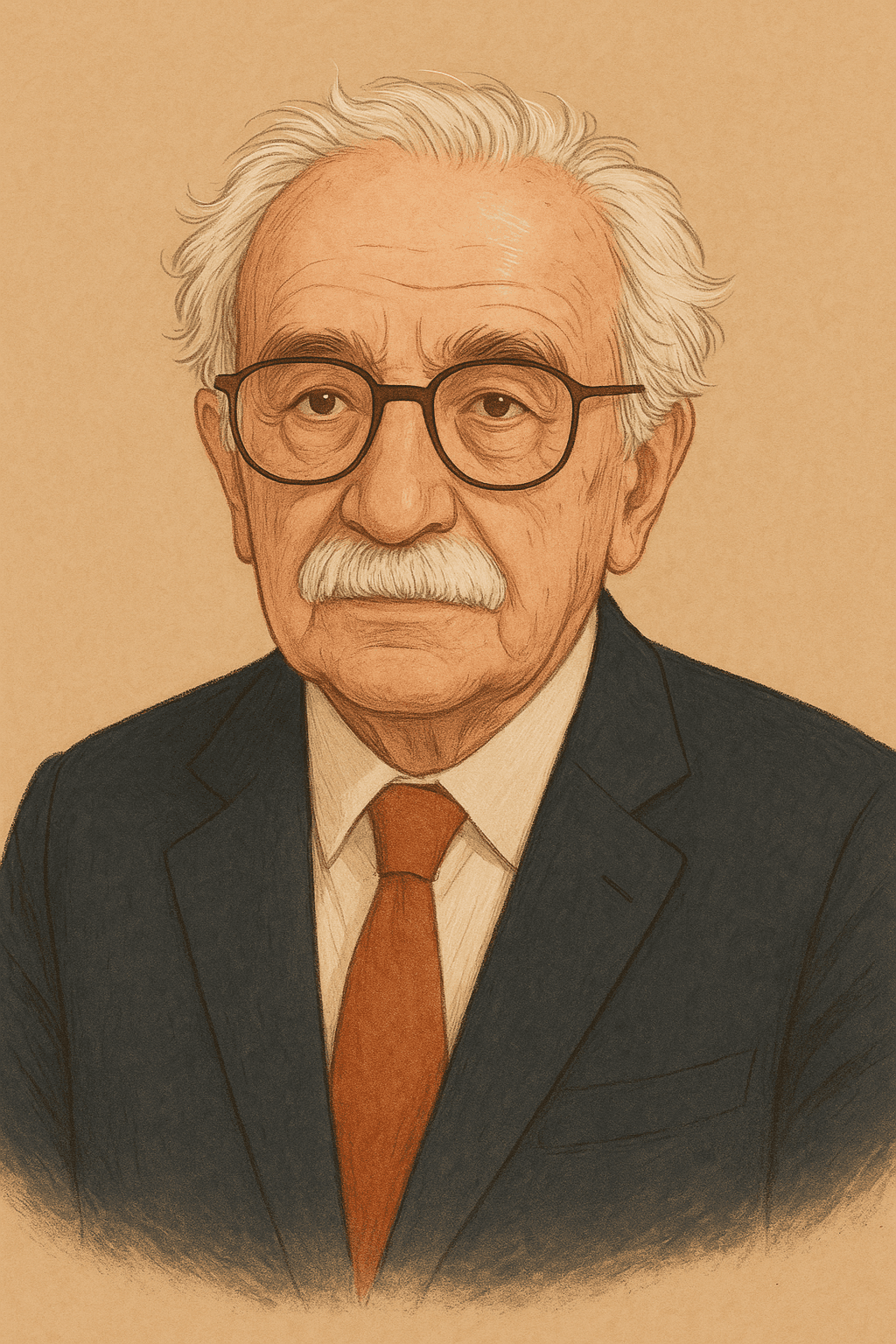
Fuat Sezgin: Pioneer of the History of Islamic Science
Fuat Sezgin is a Turkish academic recognized as one of the leading figures in the history of Islamic science. He has brought to light the scientific and technical heritage developed in the medieval Islamic world and challenged long-standing assumptions in Western historiography of science. He dedicated his life to documenting and promoting the scientific contributions of Islamic civilization. 🏡 Who is Fuat Sezgin? Professor Dr. Fuat Sezgin was born on 24 October 1924 in Bitlis. He completed his
EN
Seher Yıldız Külünk
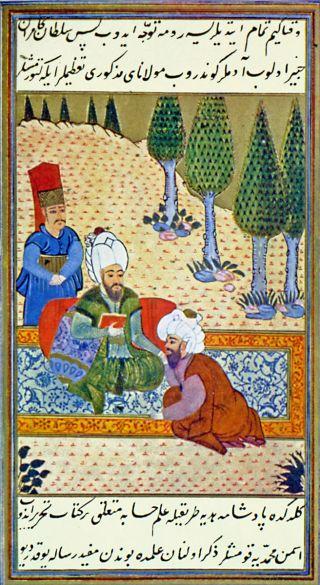
From Samarkand to Istanbul: Ali Qushji's Astronomical Legacy
Ali Kuşçu was a distinguished scholar, mathematician, and observer who lived in the 15th century and is regarded as one of the founders of astronomical education in Osmanlı. He is believed to have been born in Samarkand and to have acquired the epithet “Kuşçu” because his father served as the falconer-in-chief (doğancıbaşı) to Ulugh Bey. As a youth, he received his education at the Ulugh Bey Observatory, one of the most advanced scientific centers of his time. There he studied mathematics astron
EN
Rahşan Kızıltepe
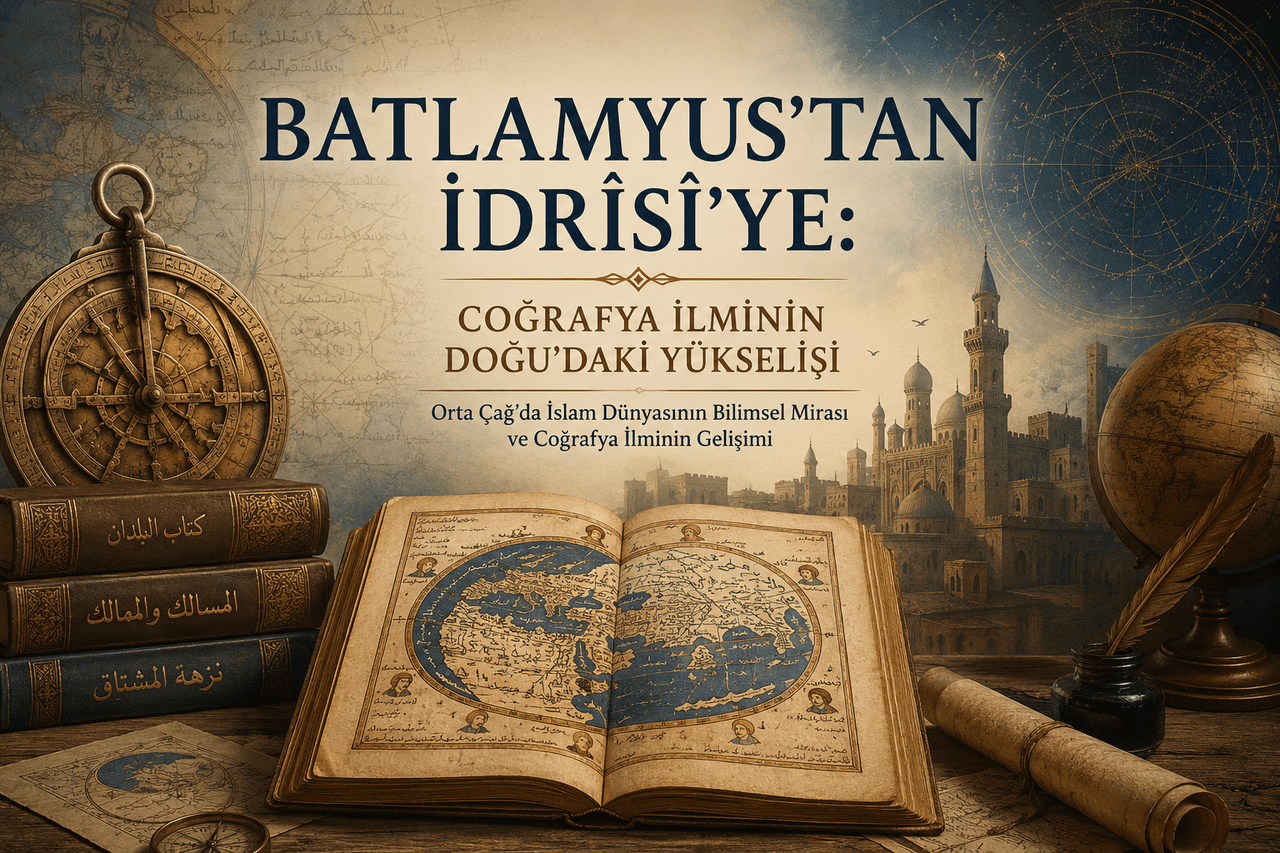
From Ptolemy to al-Idrisi: The Rise of Geography in the East
In the history of science, when examining developments in Europe, attention is typically given to the rediscovery of the ancient Greek heritage and the advancements following the Renaissance. However, while Europe was still grappling with conflicts between religion and science, the Islamic world was preserving, studying, and expanding upon the ancient Greek legacy, thereby establishing a significant scientific corpus. One of the most striking examples of these developments is the progress made i
EN
EMİRHAN ÇELEBİ