

`history-of-art` Related Article Results
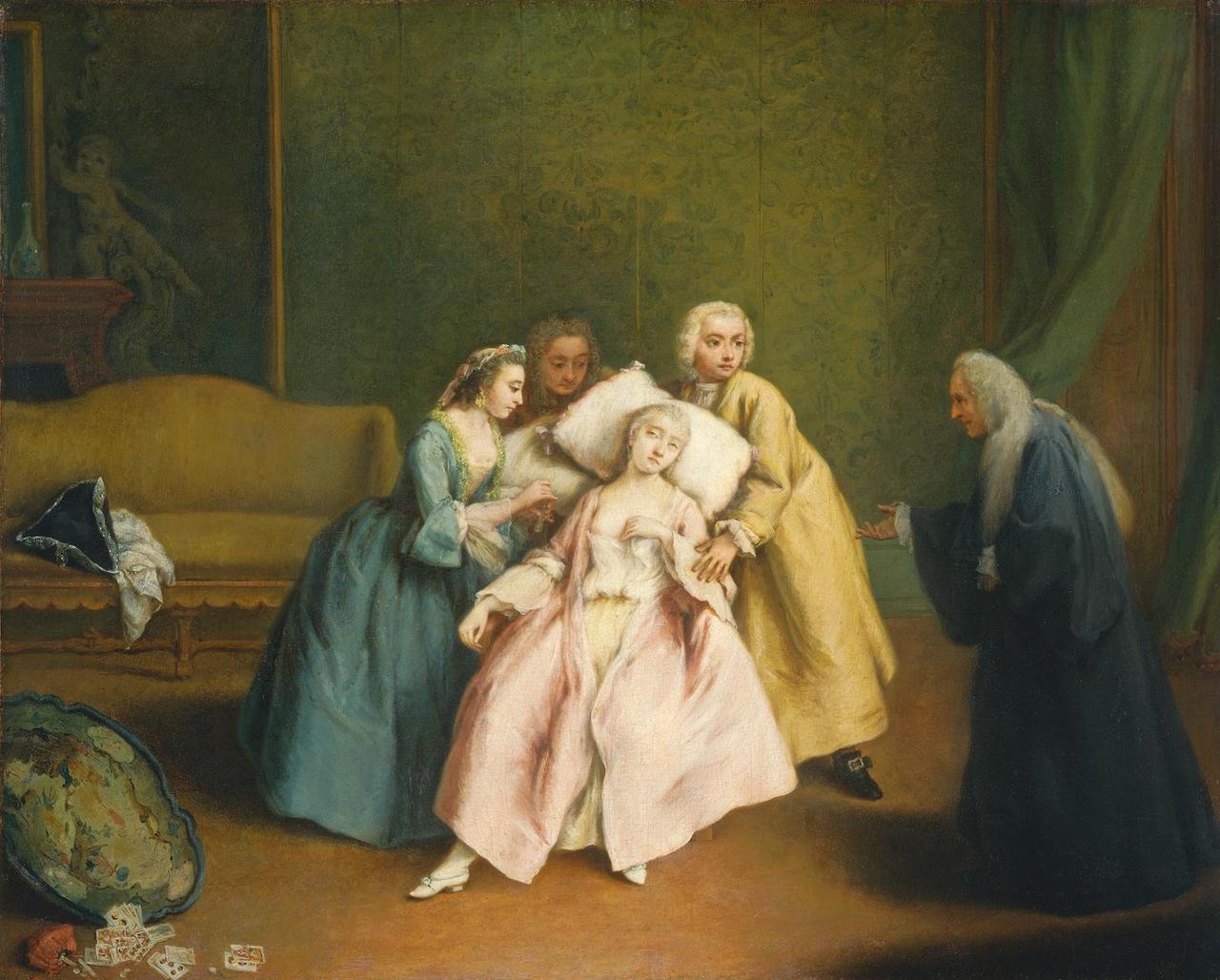
Stendhal Syndrome
Stendhal syndrome is a phenomenon that describes psychological and physical symptoms arising from intense emotional responses to art. This condition typically manifests as an overwhelming emotional concentration experienced in the presence of a single artistic work or cultural artifact. First identified in 1989, this phenomenon underscores the profound impact art can have on the human mind. History The Stendhal syndrome is based on an experience reported by French writer Marie-Henri Beyle (Stend
EN
Muhammet Ali Demir
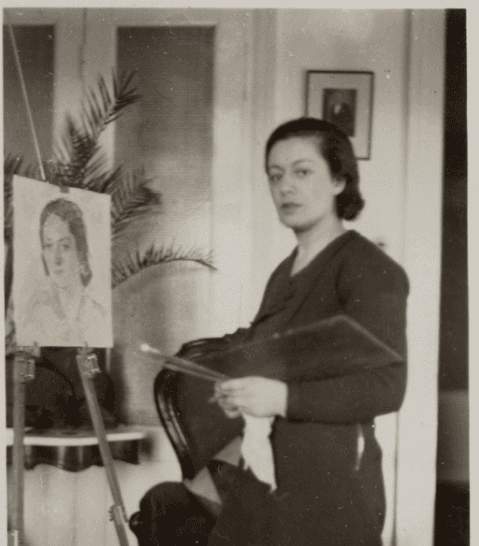
Sabiha Rüştü Bozcalı
Sabiha Rüştü Bozcalı is a Turkish painter, graphic artist and illustrator. From the early years of the Republic, she produced works documenting the country’s cultural transformation and created numerous illustrations for banks, public institutions and publishing houses. She synthesized contemporary graphic art with her classical art education received in Europe. Educational Journey Bozcalı began her painting education in Istanbul and later studied at various art academies in Europe. It is known
EN
Seviye Nur Gönülölmez
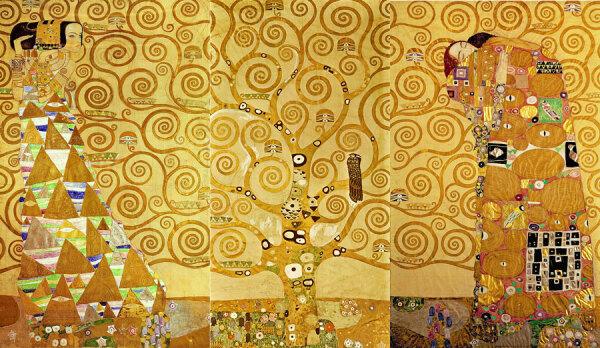
Tree of Life (Painting)
The Tree of Life (The Tree of Life), is the central panel of the Stoclet Frieze, designed by Gustav Klimt for the dining room of the Palais Stoclet in Brussels, Belgium. The work is regarded as one of the most comprehensive examples of modern mosaic art from the period, associated with movements such as surrealism and magical realism. The frieze was produced using the inlaid marble technique and is considered a masterpiece of applied art. The dining room, where Josef Hoffmann’s architecture, Kli
EN
Cemile YAKAÇ
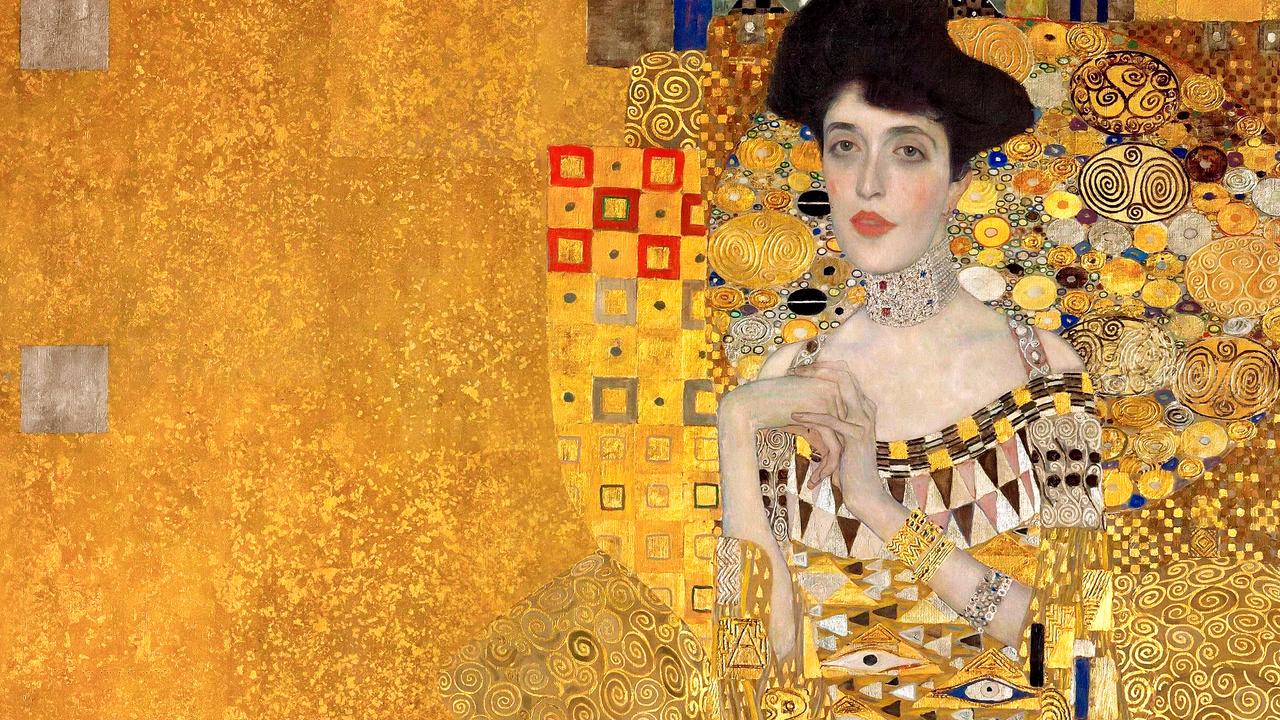
Gustav Klimt
Gustav Klimt is an Austrian painter born in 1862 in Baumgarten near Vienna. Klimt, one of the founding members of the Vienna Secession movement, emerged as one of the most notable representatives of figurative painting during the late 19th and early 20th centuries. His works, which attracted the attention of both art circles and the public, continued to draw interest in the international art market after his death; masterpieces such as The Kiss, Beethoven Frieze and Bauerngarten have become cult
EN
Nazlı Kemerkaya
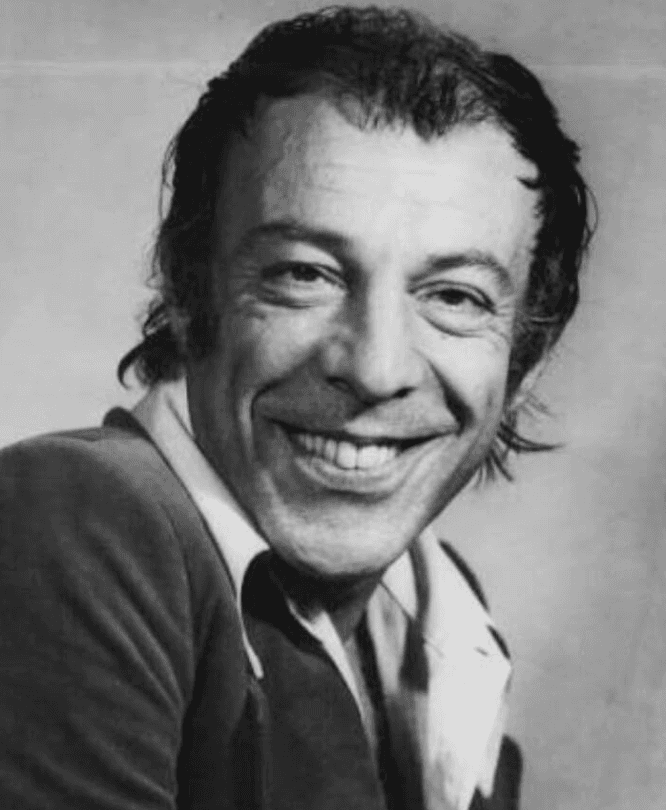
Münir Özkul
Münir Özkul was born on 15 August 1925 in the Bakırköy district of Istanbul. While studying at Istanbul Boys’ High School, he began to develop an interest in the arts. He took his first steps in acting as a high school student in 1940 at the Bakırköy Halkevi. The artist received education at Istanbul University’s Faculty of Economics and the Department of Art History at the Faculty of Letters. However, he did not complete his university studies due to his growing dedication to theatre and the in
ENSeher Gökalp
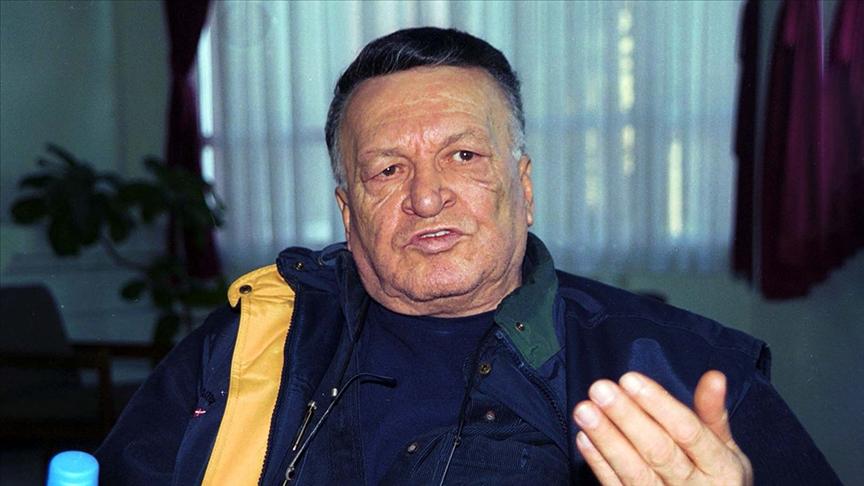
Kartal Tibet
Kartal Tibet (born 27 March 1938, Ankara – died 1 July 2021, Istanbul) was a Turkish actor, director, and screenwriter. Throughout his career, he played leading roles in 120 films and directed 56 feature films as well as numerous television series. Birth, Education, and Youth Years Kartal Tibet was born in Ankara to a teacher mother and father. His father, Hasan Tibet, later became a lawyer. He learned to read and write by the age of five and began reading newspapers to his grandfather. He won f
EN
Hamza Aktay
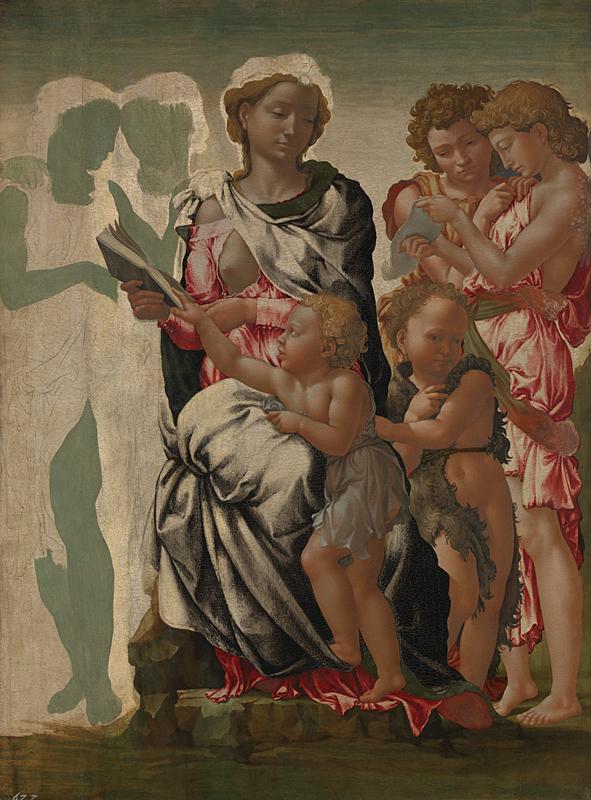
Madonna from Manchester (Painting)
The Manchester Madonna, attributed to the Italian Renaissance artist Michelangelo Buonarroti, is an unfinished panel painting executed in egg tempera on poplar wood. The work has been popularly known by this name since it was exhibited in 1857 at the Great Manchester Exhibition (Manchester Art Treasures Exhibition). Dating approximately to 1494–1497, it is considered one of the earliest surviving paintings by the artist.【1】 Historical Context Michelangelo received training in drawing and composi
ENCemile YAKAÇ
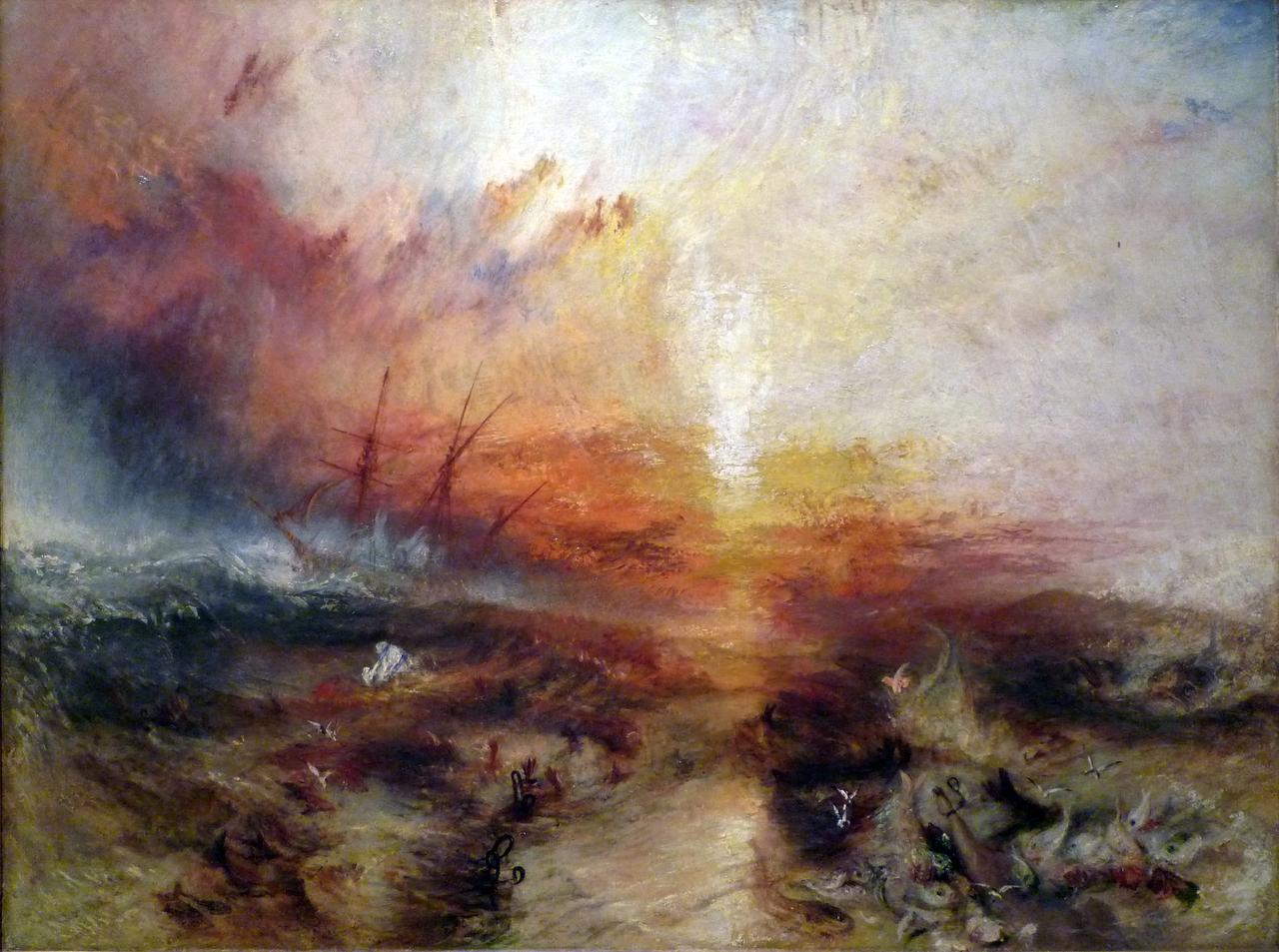
Slave Ship (Painting)
Slave Ship is a painting created in 1840 by the English artist Joseph Mallord William Turner. The work was executed in oil on canvas and measures 90.8 cm × 122.6 cm. The painting is currently part of the collection of the Museum of Fine Arts Boston, where it is on display.【1】 The Artist Joseph Mallord William Turner (1775–1851) is one of the most significant figures in British painting. He served for many years as Professor of Perspective at the Royal Academy.【2】 Turner is renowned for his paint
ENDevran Karataş
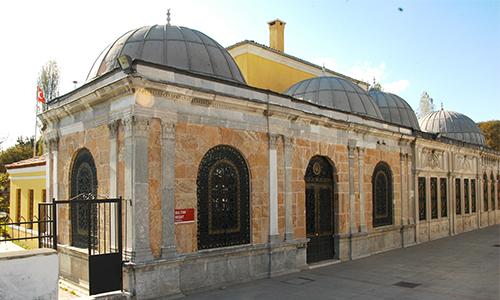
Adile Sultan Türbesi
Adile Sultan Türbesi is an architectural structure located at the end of Bostan İskelesi Street in the Eyüpsultan district of Istanbul, built in the mid-19th century and containing the tombs of members of the Ottoman dynasty and state officials. Location and Environmental Features The structure is situated to the left of Hüseyin Paşa Türbesi and directly opposite the Hüseyin Paşa Library.【1】 The area where the türbe stands is historically known for its proximity to Bostan İskelesi, the pier wher
EN
Gözde Cabadak
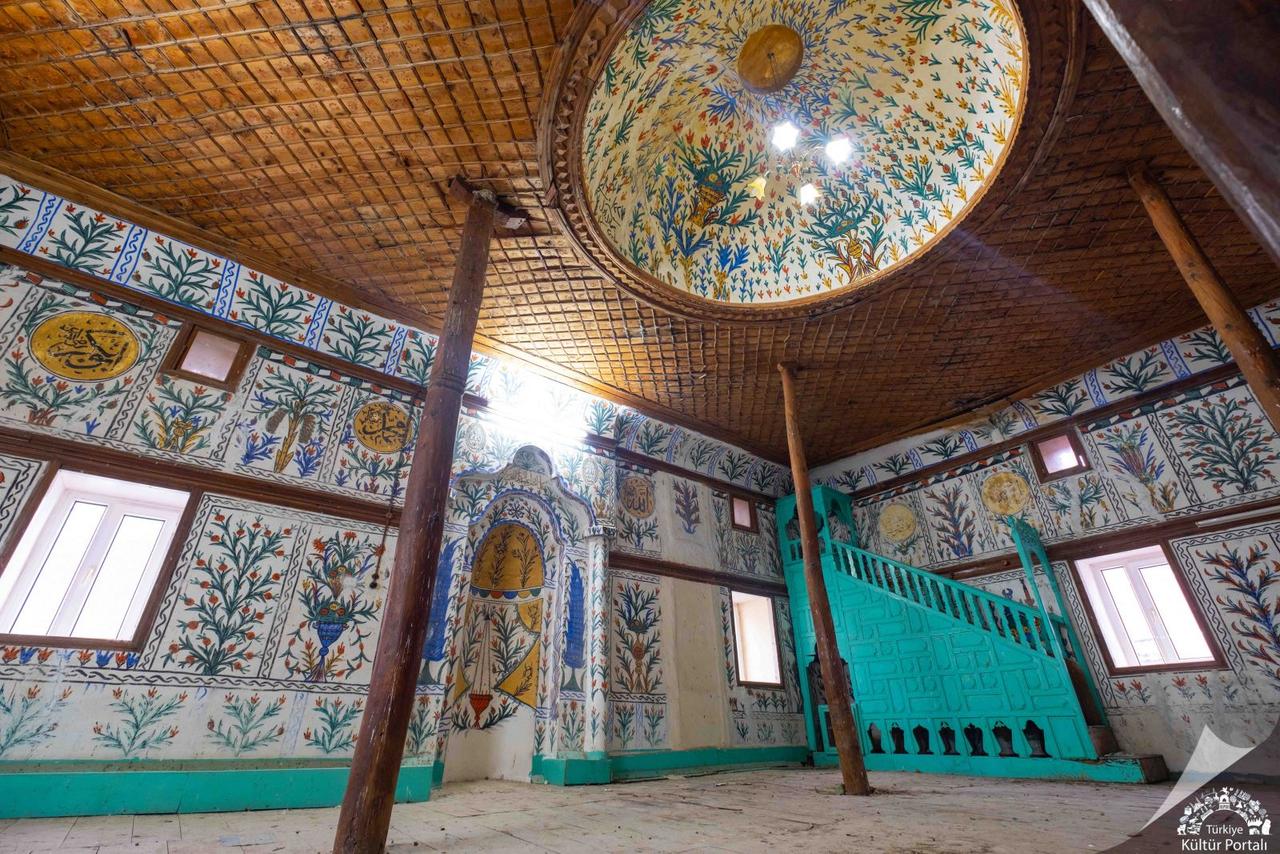
Akköy Upper (Old) Mosque
The Akköy Upper Mosque, located in the Akköy Neighborhood of the Pamukkale District in Denizli, constitutes an important example among the late-period rural mosques of the Ottoman State in terms of its architectural features, decorative program, and construction technique. An Ottoman Turkish inscription inside the dome bears the date 1327 AH (1909–1910 CE), which is believed to refer not to the mosque’s original construction but to subsequent restoration and decoration works. Based on its decora
EN
Sevgi Kıraç