

`historicalstructure` Related Article Results
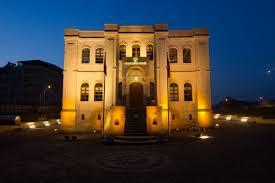
Hamidiye Barracks
Hamidiye Barracks is a structure built during the final period of the Ottoman Empire, under the reign of Sultan Abdulhamid II, to administer the Hamidiye Regiments in Cizre. It was constructed by Mustafa Pasha (Misto-i Miri), Chief of the Miran Tribes of Cizre and Commander of the Hamidiye Regiments, in the southeast corner of Cizre Castle to manage the deployment and administration of the regiments. Construction began after the establishment of the Hamidiye Regiments in 1892 and has retained it
EN
Rukiye Asan
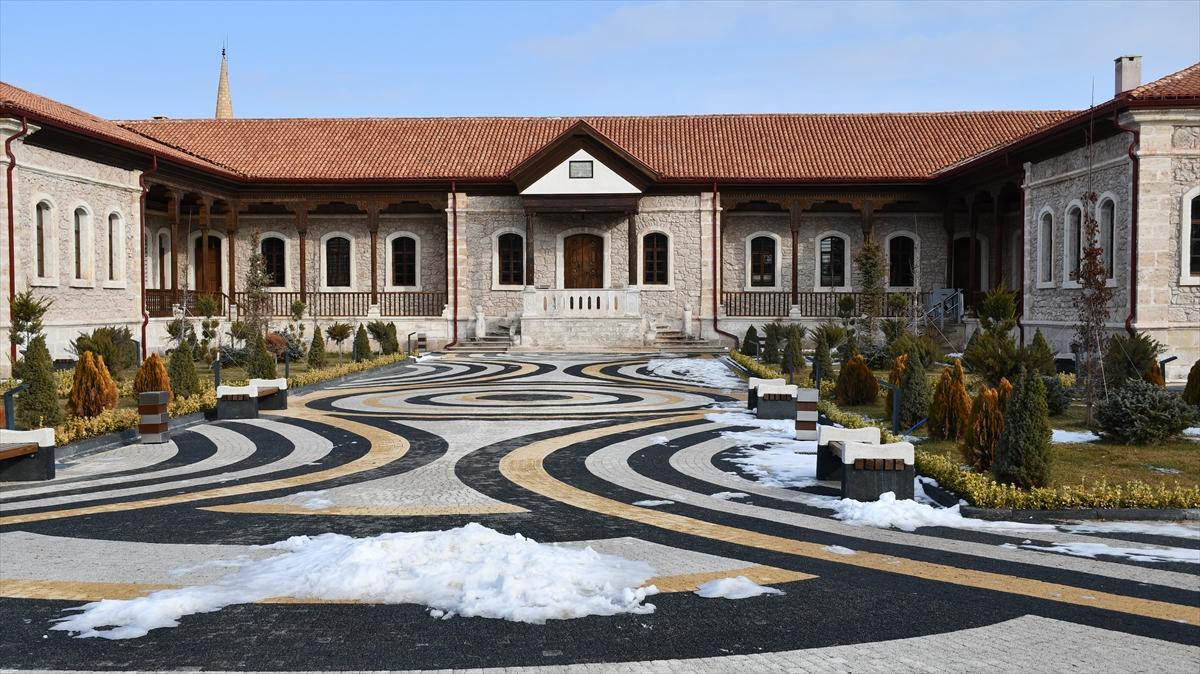
Museum of the Industrial School
Sivas Sanayi Mektebi Müzesi is a cultural heritage institution distinguished by its layered history spanning from the Ottoman era to the present, operating under a “living museum” approach. Constructed in 1902, the building served various functions including an industrial school, an art school, and a prison before being restored in 2019 and opened to the public as a museum in 2021. The museum is dedicated to preserving and promoting both the historical identity of the building and the traditiona
EN
Zeynep Yılmaz
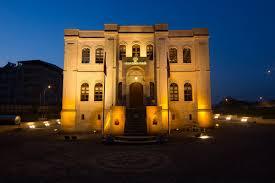
Hamidiye Barracks
Hamidiye Kışlası is a structure built during the final period of the Ottoman Empire, under Sultan II. Abdülhamit, to administer the Hamidiye Regiments in Cizre. It was constructed by Mustafa Paşa (Mısto-i Miri), Chief of the Cizre Miran Tribes and Commander of the Hamidiye Regiments, on the southeast corner of Cizre Kalesi to manage the deployment and administration of the regiments. Construction began after the establishment of the Hamidiye Regiments in 1892, and the bina has retained its origi
EN
Rukiye Asan
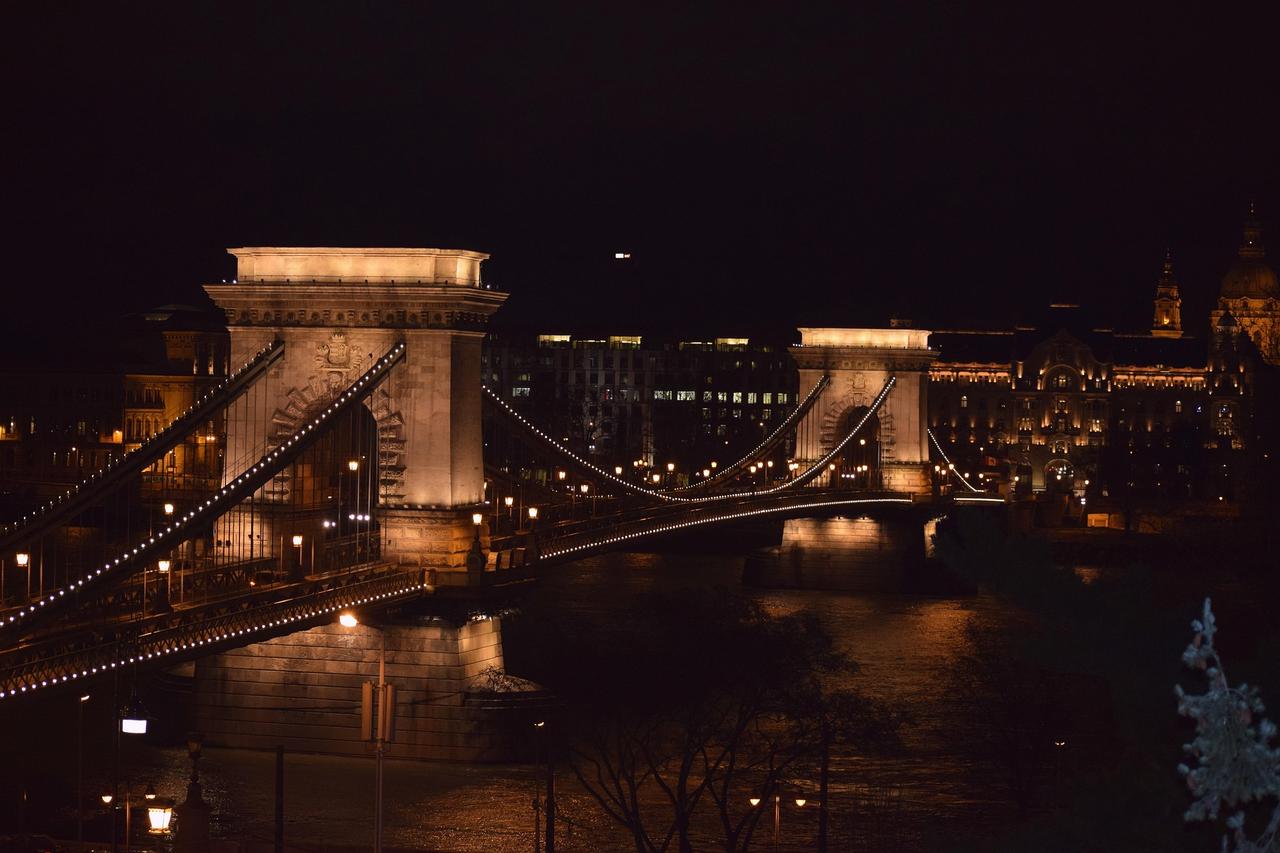
Széchenyi Chain Bridge
Széchenyi Chain Bridge, a suspension bridge spanning the Danube River in Budapest, the capital of Hungary, connecting the districts of Buda and Pest. The bridge was constructed between 1839 and 1849 and holds the distinction of being the first permanent bridge over the Danube River in Hungary. The structure was designed by British engineer William Tierney Clark, while the construction was overseen locally by Adam Clark. The bridge derives its name from István Széchenyi, one of its key supporters
EN
Fatmanur Mavibaş