

`historicalsources` Related Article Results
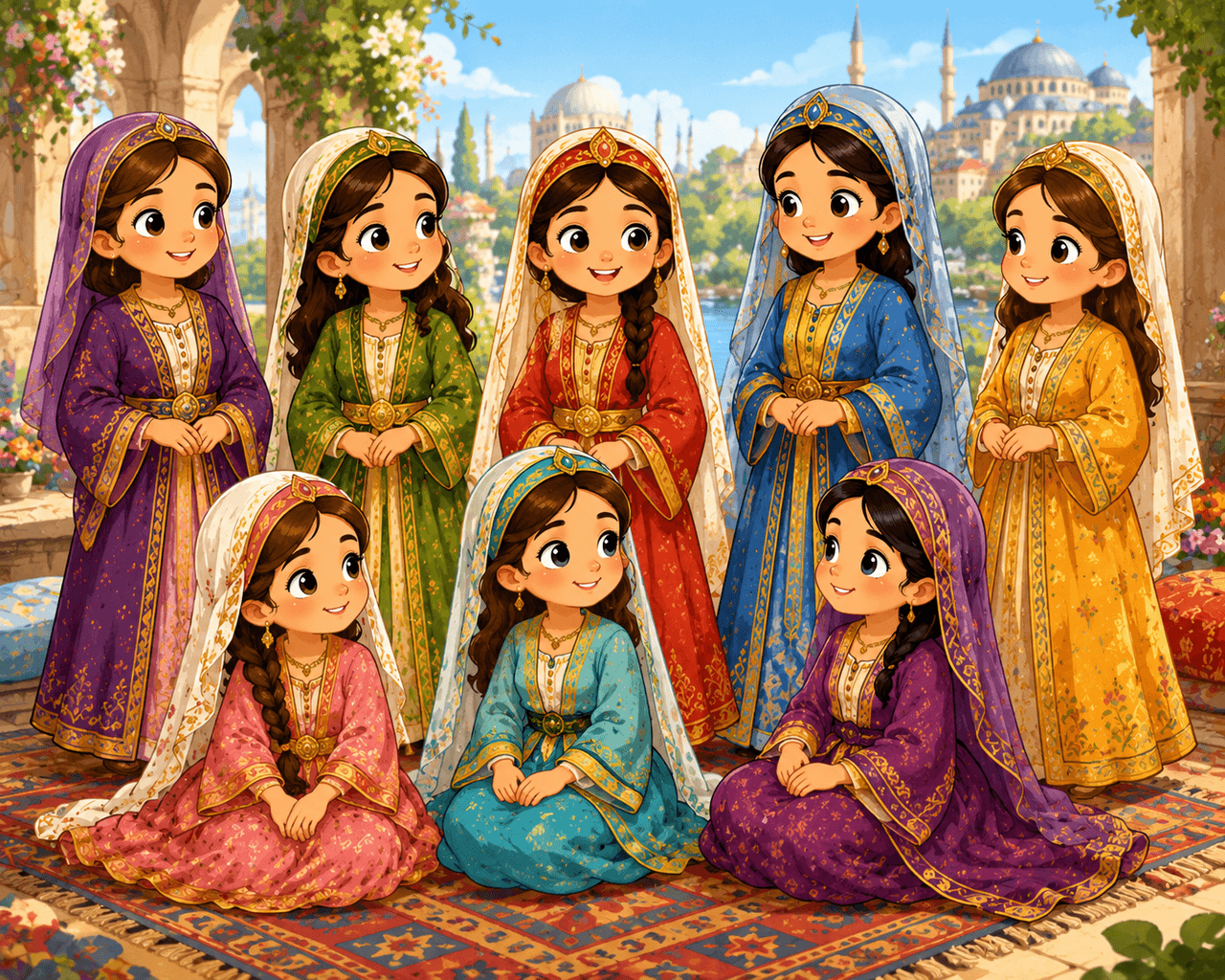
Women's Clothing in the Ottoman Empire
Ottoman women’s clothing was not merely a means of covering the body but also a way to express personal taste, wealth, and the social environment in which they lived. During this period, clothing was meticulously sewn like works of art, with each garment containing a unique story. The Ottoman woman’s wardrobe was filled with colorful fabrics and delicate embroidery. Literacy on Women’s Dress in the Ottoman Era (Generated with AI assistance) " image-element-format="right" image-height="1122" imag
EN
Saime Kılıç
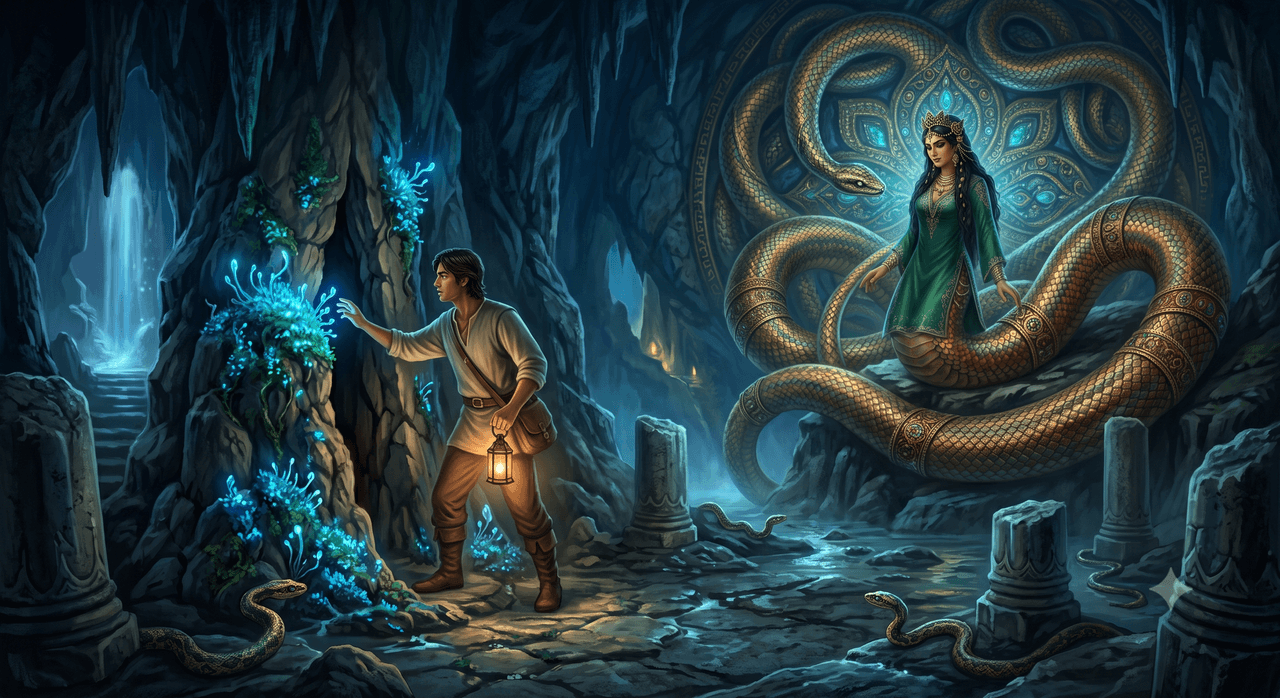
Shahmaran (Shahmeran) Legend
The Shahmaran Legend; a traditional narrative cherished and preserved through oral and written cultural traditions within Turkish storytelling, reaching the present day in various forms.【1】 The mythical creature known as Shahmaran or Shahmeran, described as having a human head—largely female—and a serpent’s body, derives from the Persian expression “Shah-i Mârân,” meaning “king of serpents.” In Semitic legends, this being is referred to as “Yamliha,” a name carrying the meanings “to rule” or “to
EN
Talha Yıldırım