

`historical-structure` Related Article Results
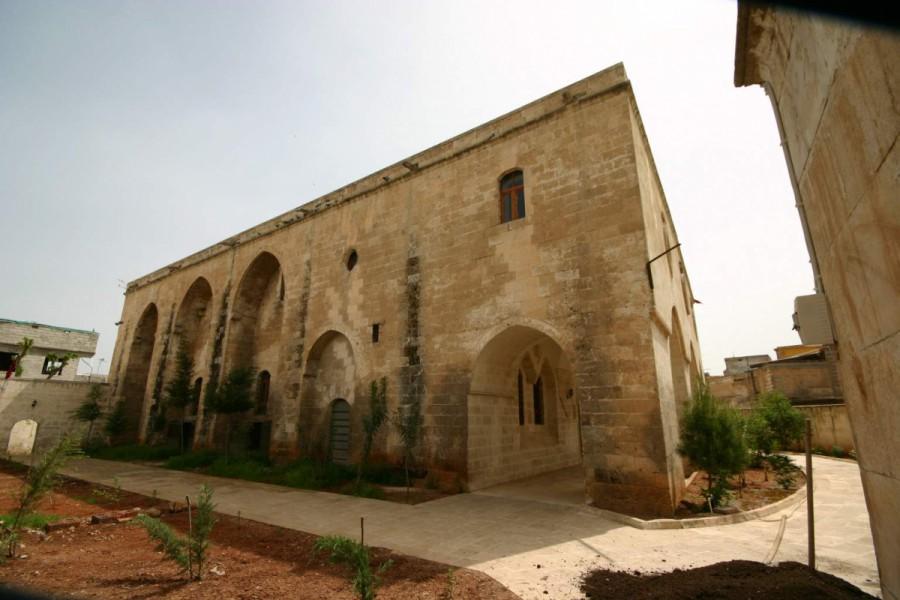
Reji Church (Church of Saint Peter and Saint Paul)
Reji Church, also known as the Church of Saint Peter and Saint Paul, is a historical place of worship located in the Eyyübiye district of Şanlıurfa. Built in 1861 atop the ruins of a church dating back to the 6th century, it stands northeast of Ellisekiz Square. Through its various functions and transformations over different periods, it stands as an important cultural heritage site reflecting the city’s layered cultural and religious history. Interior of Reji Church (Şanlıurfa Governorate " ima
EN
Emine Karabacak
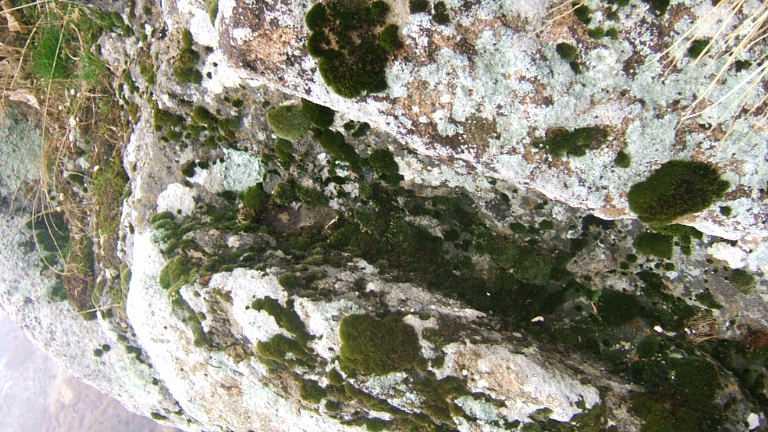
Ambar Castle
Ambar Kalesi is a historical defensive structure located within the boundaries of Mazgirt district in Tunceli province, in Türkiye’s Eastern Anatolia Region, and is assessed to date from the Urartian period. Built on rugged terrain, the fortress is among the significant archaeological remains that shed light on the ancient history of the region through its geographical features and architectural remnants. Location and Geographical Features Ambar Kalesi is constructed on a high and steep hill app
EN
Yusuf İslam Tuğla
 Bi
BiBilecik Museum
Bilecik Museum is an archaeology and ethnography museum located in the city center of Bilecik, Türkiye, housed within a historic building. The museum building, which has served various public functions in the past, currently operates as a museum under the Ministry of Culture and Tourism. The structure is notable for its architectural history and functional transformation, and it hosts collections that reflect the cultural heritage of the region. History The museum building was constructed in 179
EN
Meltem Saraç
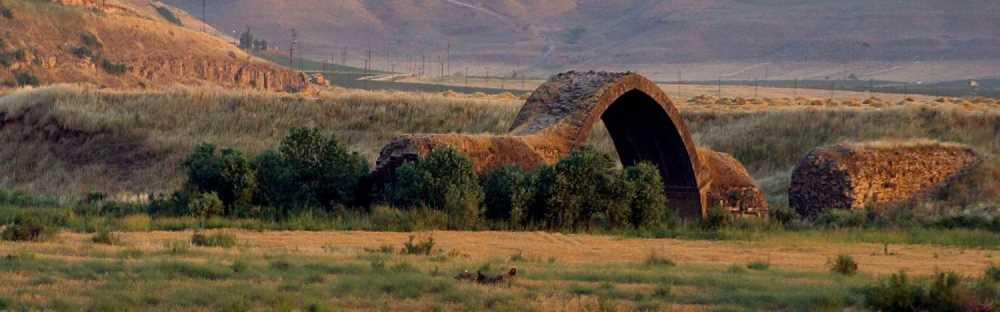
Yafes Bridge
Yafes Bridge is a historic stone bridge located within the boundaries of Cizre district in Şırnak Province, spanning the Tigris River. Due to its architectural form, location, and function, it is one of the significant components of Cizre’s cultural and historical fabric. The bridge has survived to the present day as a noteworthy example in the history of architecture, having played a role in facilitating urban and rural transportation in past centuries. Location and Physical Characteristics The
ENYusuf İslam Tuğla
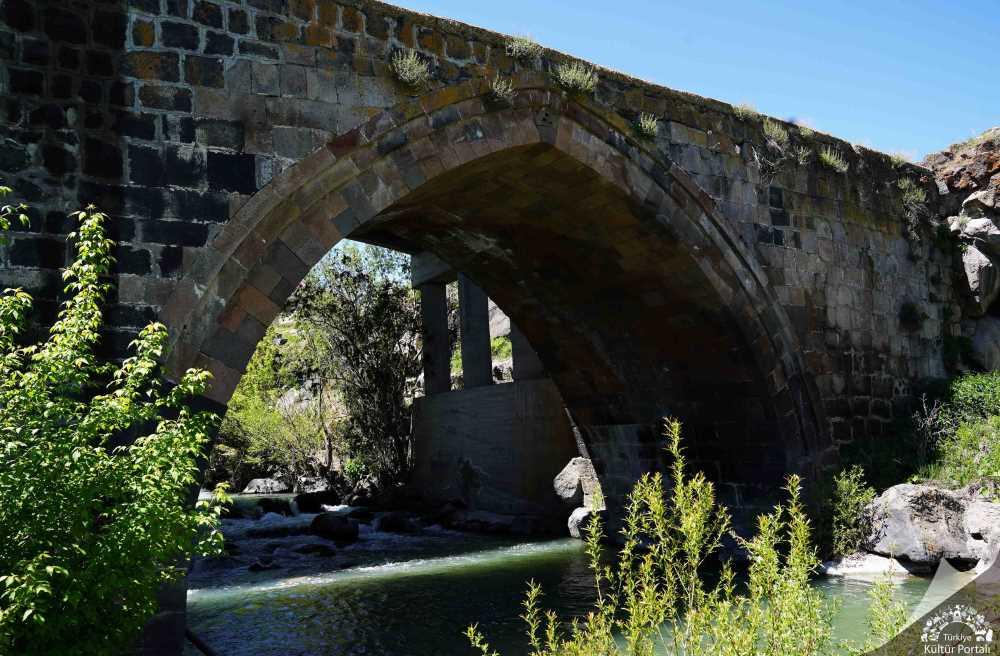
Hatun Bridge
Hatun Köprüsü is a historical structure located over the Şekerik Stream at the entrance to the Malazgirt district of Muş province in Türkiye’s Eastern Anatolia Region. The bridge is believed to have been constructed during the Seljuk period and is among the surviving Seljuk-era structures. Structural Features The bridge was constructed using cut stone. It measures approximately 30 metres in length and 6.5 metres in width, with an arch span of 12 metres. No inscription detailing the construction
EN
Ayşenur Yazıcı
GaGaziantep Kurtuluş Camii
Kurtuluş Camii is a historical structure located in the Tepebaşı Neighborhood of Şahinbey District in Gaziantep. It was constructed between 1873 and 1892 as the Valide Meryem Church. During its time as a church, it is known to have also served as a prison for a period. The building was restored in 1984 and converted into a mosque in 1988. Most recently, a comprehensive five-year restoration project carried out by the Regional Directorate of Foundations was completed, and the mosque was reopened
ENMeltem Saraç
DeDenizli Atatürk House and Ethnography Museum
Denizli Atatürk House and Ethnography Museum is a cultural building located in the city center of Denizli, at 459 Saraylar Street. Although no definitive document exists regarding the construction date of the museum building, research indicates that it was built in the late 19th century by the Greek-origin architect Kimon Vandazoflus. During the early years of the Republic, the building served as a party headquarters and holds historical significance as the place where Mustafa Kemal Atatürk spen
ENMeltem Saraç
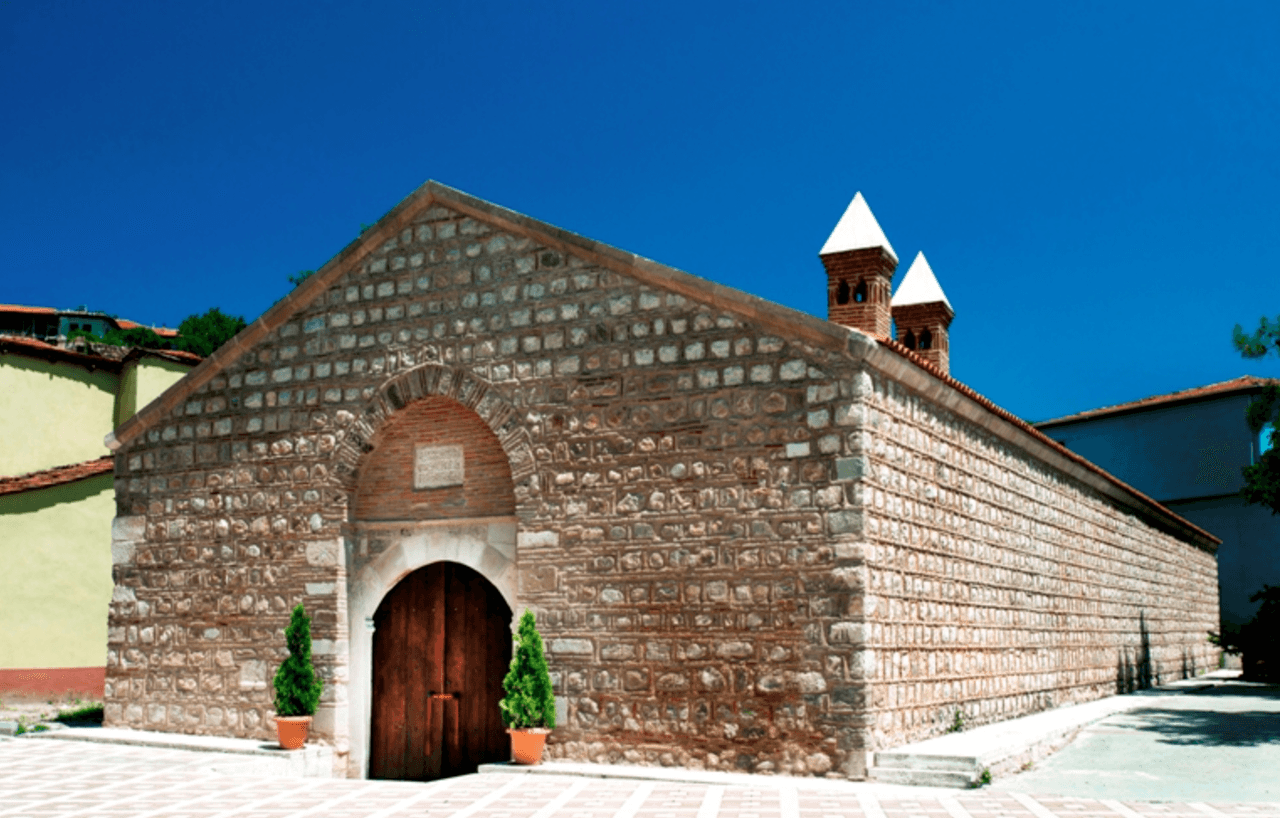
Mihal Bey Han (Stone Caravanserai)
Mihal Bey Hanı, located in the Gölpazarı district of Bilecik Province, is a caravanserai dating to the early period of the Ottoman Beylik. The structure is single-story, rectangular in plan, and features walls constructed of alternating stone and brick masonry. The han consists of three main sections: the entrance, the intermediate space, and the stable/camel area. Its dimensions are approximately 19 by 13 meters. Historical Background and Foundation The han is situated in the Orta Mahalle neigh
EN
Ömer Faruk Günay
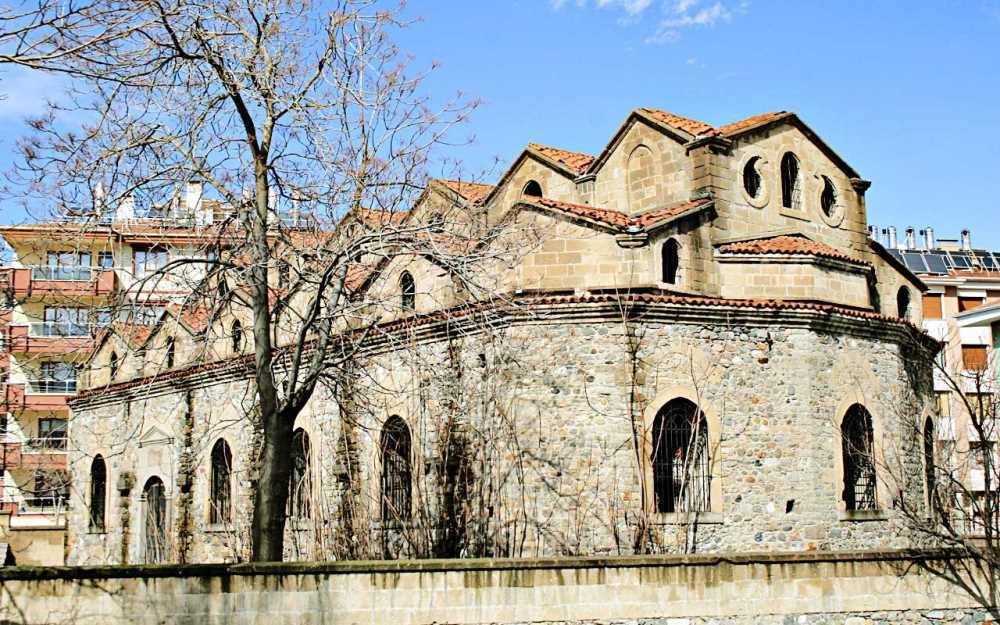
Church of Aya Baniya (Aya Payana)
The structure located in the Turan Neighborhood of Isparta is believed to have been constructed in the 1750s and is an Orthodox church. Although dated to the Late Ottoman period the building has entrance doors on its north west and east sides. History The structure is generally accepted to have been built in the middle of the 18th century around the 1750s.【1】 It functioned as an Orthodox church during the Late Ottoman period. Although dated to the 18th century its architectural plan continues th
ENÖzlem Çetin
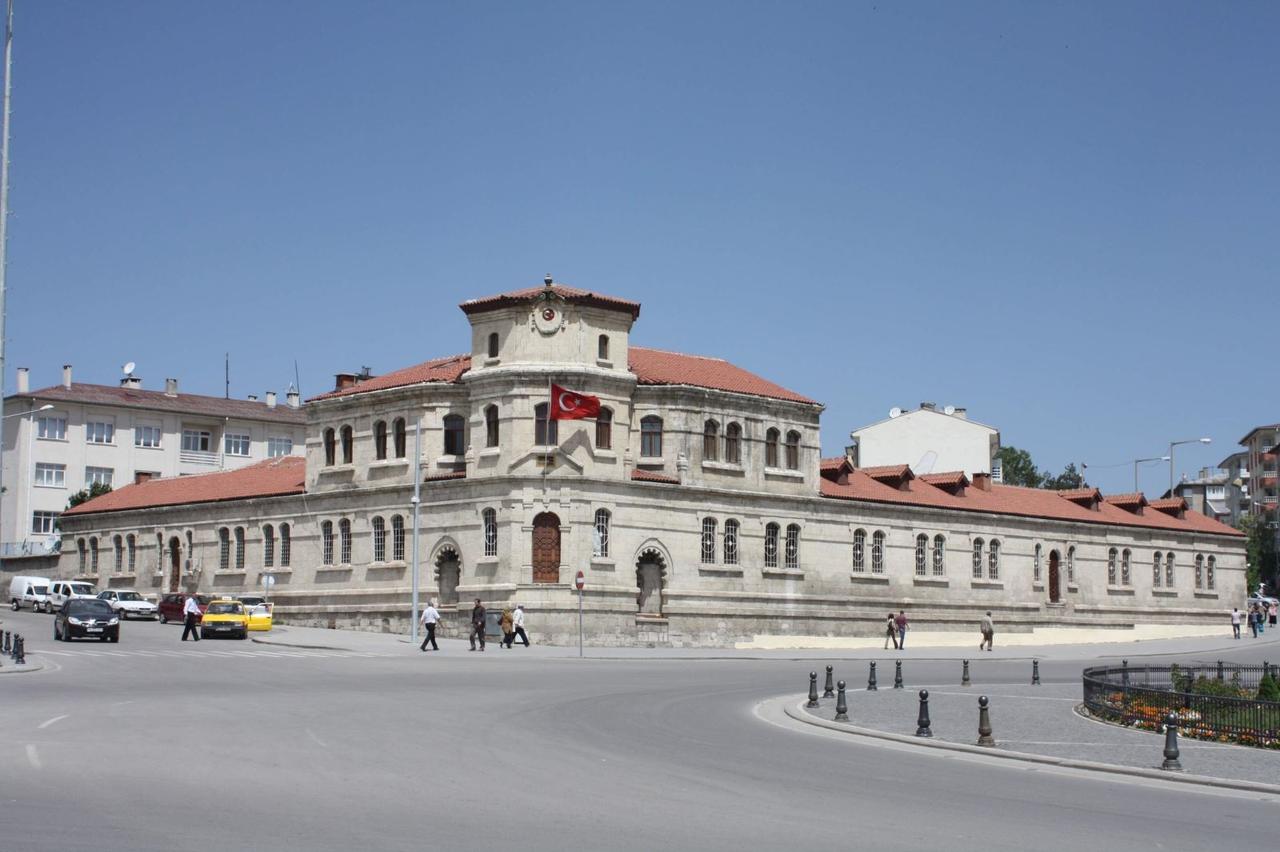
Gendarmerie Building - Sivas
Jandarma Building is a historical public structure located within the Government Square complex in the city center of Sivas, constructed in 1908 (Hijri 1326) by Governor Reşit Akif Paşa as the “Gendarmerie Directorate.” This stone building, serving military-administrative functions during the Ottoman period, is currently protected as a registered cultural heritage asset. Location and Urban Context The building is situated in the administrative core of Sivas city, surrounding Government Square. L
EN
Yusuf İslam Tuğla