

`herzberg` Related Article Results
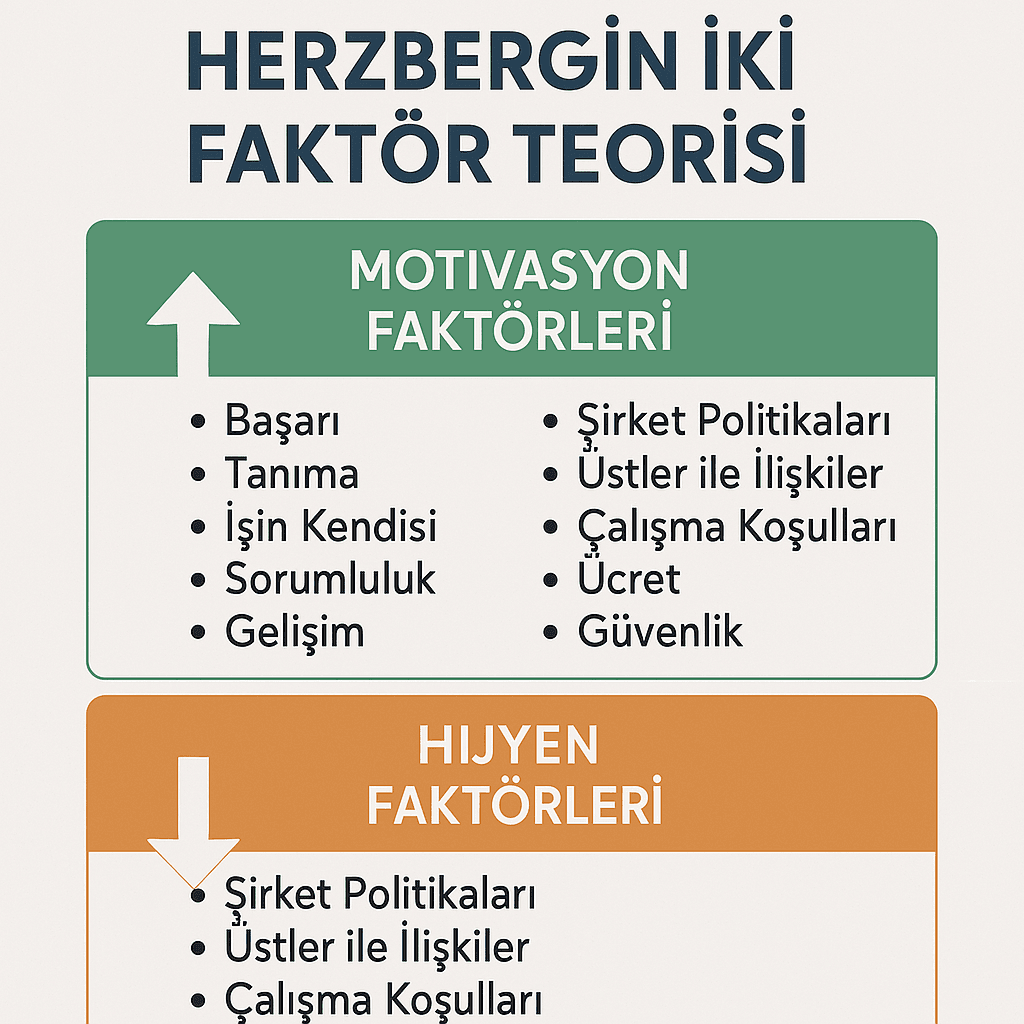
Herzberg's Two-Factor Theory
Herzberg’s Two-Factor Theory is a theory developed by Frederick Herzberg in 1959 and introduced into the literature to explain employee motivation. The theory distinguishes between two fundamental factors that determine satisfaction and dissatisfaction in the workplace: motivational factors and hygiene factors. This approach has become an important reference point in research on organizational behavior, human resource management, and job satisfaction. Core Assumptions of the Theory According to
EN
Yeşim Can
Herzberg’in İki Faktör Teorisi
Herzberg’in İki Faktör Teorisi, 1959 yılında Frederick Herzberg tarafından geliştirilmiş ve çalışan motivasyonunu açıklamak amacıyla literatüre kazandırılmış bir teoridir. Teori, bireylerin iş yerindeki doyum ve doyumsuzluklarını belirleyen iki temel faktörü birbirinden ayırarak açıklamaktadır: motivasyonel faktörler ve hijyen faktörleri. Bu yaklaşım, özellikle örgütsel davranış, insan kaynakları yönetimi ve iş tatmini araştırmalarında önemli bir referans noktası olmaktadır. Teorinin Temel Varsa
TRYeşim Can
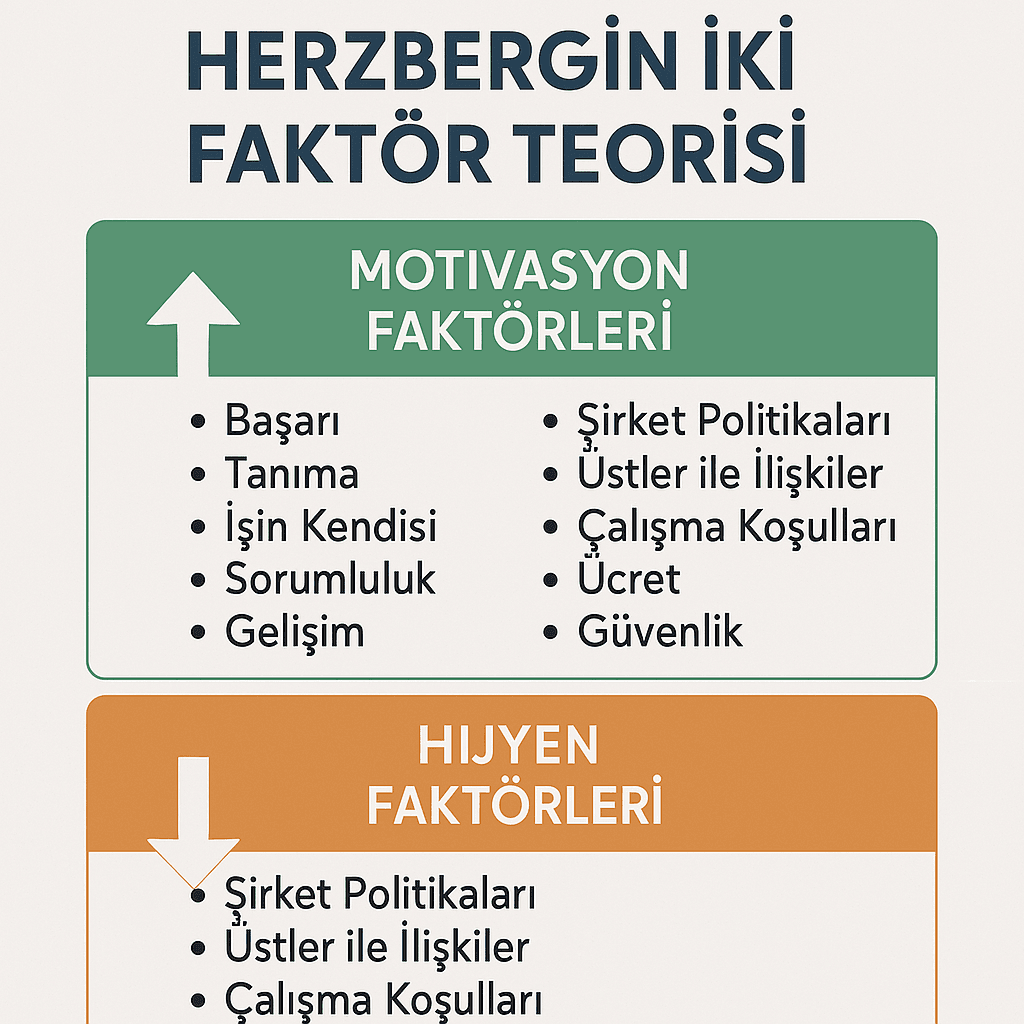
Herzberg's Two-Factor Theory
Herzberg’s Two-Factor Theory is a theory developed by Frederick Herzberg in 1959 and introduced into the literature to explain employee motivation. The theory distinguishes between two fundamental factors that determine satisfaction and dissatisfaction in the workplace: motivational factors and hygiene factors. This approach has become a significant reference point in organizational behavior, human resource management, and job satisfaction research. Core Assumptions of the Theory According to He
EN
Yeşim Can
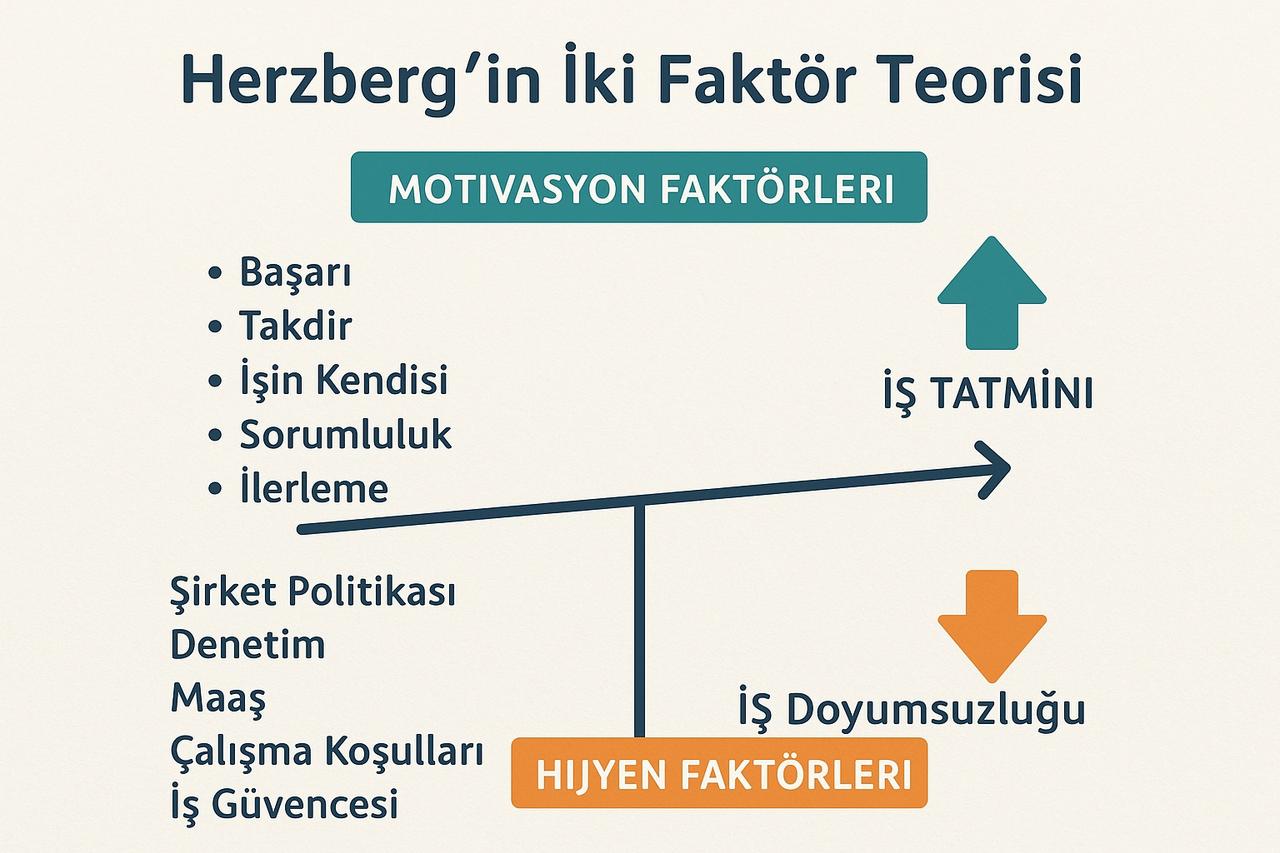
Herzberg's Two Factor Theory
Herzberg's Two-Factor Theory is a theory developed by Frederick Herzberg in 1959 and introduced into the literature to explain employee motivation. The theory explains the satisfaction and dissatisfaction of individuals in the workplace by distinguishing between two fundamental factors: motivational factors and hygiene factors. This approach serves as a significant reference point particularly in the fields of organizational behavior, human resource management, and job satisfaction research. Fun
ENYeşim Can