

`heroes` Related Article Results
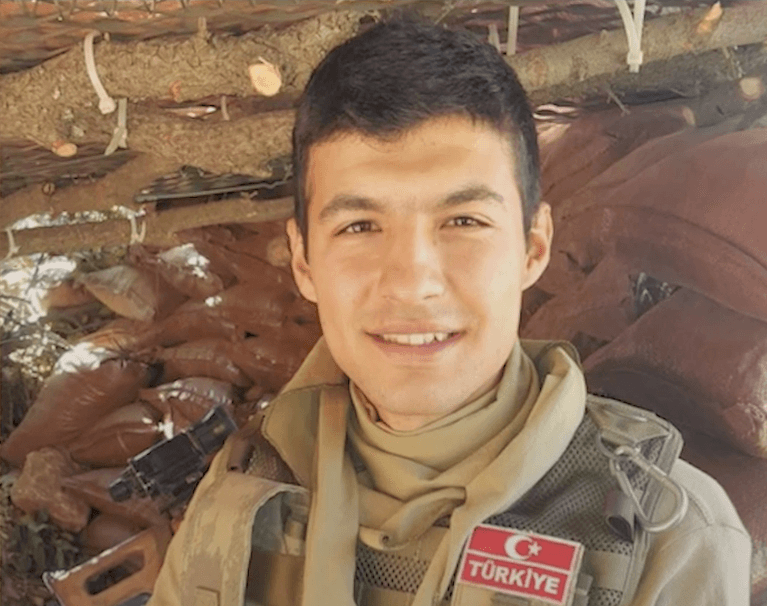
Oğuzhan Küçük
Oğuzhan Küçük was a Turkish soldier who, prior to his military career, engaged in livestock farming in Karaman. He lost his life on 26 June 2017 during a PKK attack on the Tekeli Base Area in Şemdinli district of Hakkâri and was later honored by having his name given to an educational institution in his hometown. Family Structure and Early Life Oğuzhan Küçük was born on 1 October 1995 in Karaman to the couple Alaaddin and Şerife Küçük.【1】 Oğuzhan Küçük completed his primary and secondary educati
EN
Gözde Cabadak
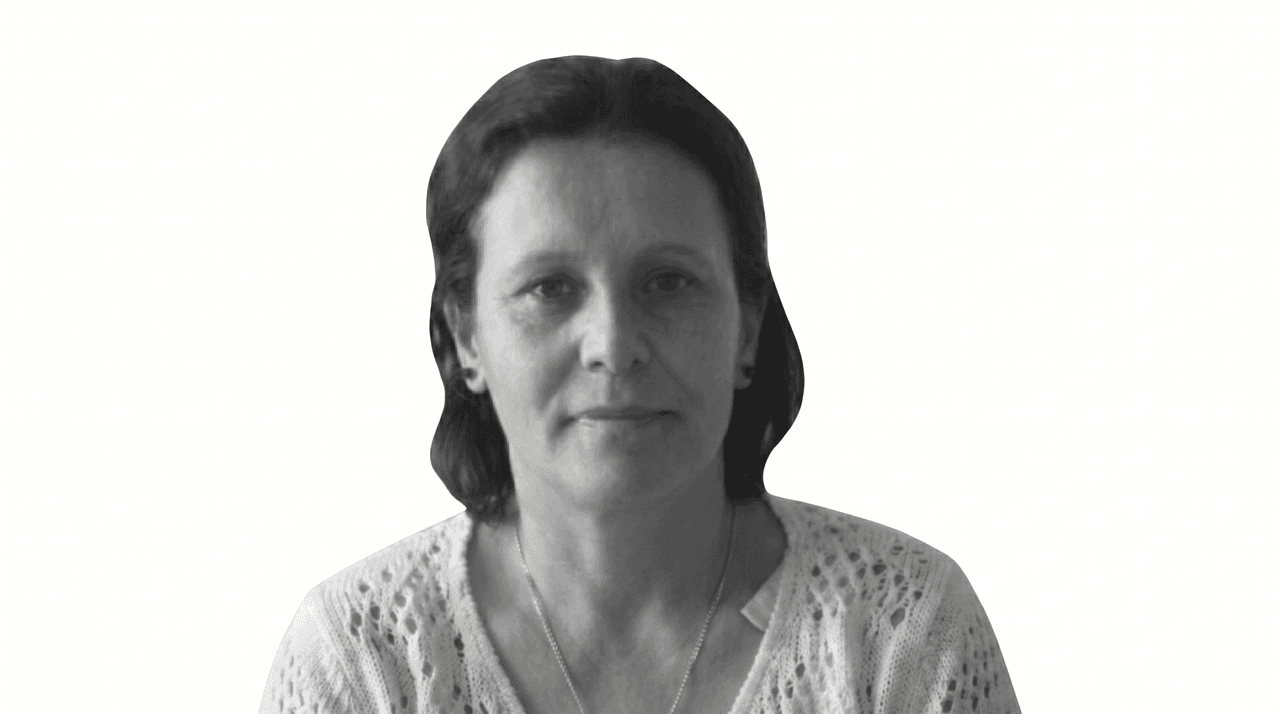
Yıldız Gürsoy
Yıldız Gürsoy (1974–2016) a Turkish citizen who was fatally wounded while demonstrating civilian resistance in front of the General Staff Headquarters in Ankara during the military coup attempt on 15 July 2016.【1】 Personal History Yıldız Gürsoy was born on 1 January 1974 in the Sarıkaya district of Yozgat. She was one of six siblings in her family; one of her siblings had previously died in a traffic accident. Approximately 20 years ago, Gürsoy separated from her spouse and lived as a single par
ENGözde Cabadak
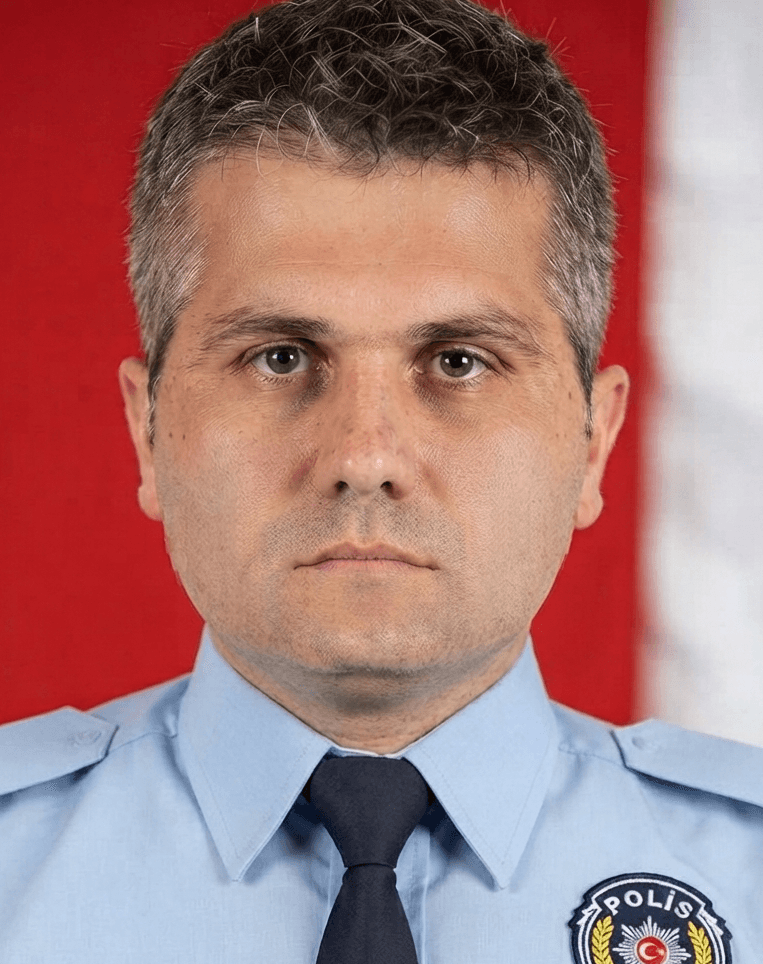
Münür Alkan
Münür Alkan was a police officer who lost his life during the clashes that occurred on the 15 July 2016 Coup Attempt at the 15 July Martyrs Bridge where he was on duty. Early Life and Education He was born on 18 June 1975 in Tekirdağ. He completed his primary education at Fevzi Çakmak Primary School and his secondary and high school education at Namık Kemal High School. He graduated from the Public Administration Department of Anadolu University in 2014. He married Aylin Garip Alkan in 2008 and
EN
Azra Karaca
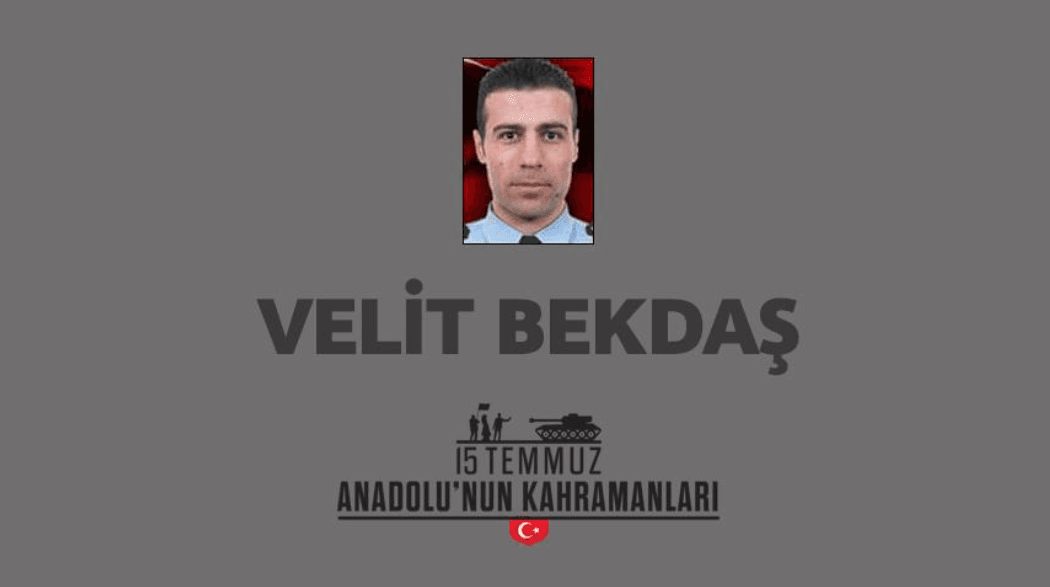
Velit Bekdaş
Velit Bekdaş served as a Special Operations Police officer under the General Directorate of Security and was martyred at the age of 30 during aerial attacks in Ankara. Throughout his professional career, Bekdaş was assigned to strategic posts in Eastern Anatolia and abroad. He lost his life when the unit he was serving at during the night of July 15 was bombed.【1】 Early Life and Family Information Velit Bekdaş was born on January 1, 1986, in the Midyat district of Mardin. He was the son of Abdül
ENGözde Cabadak
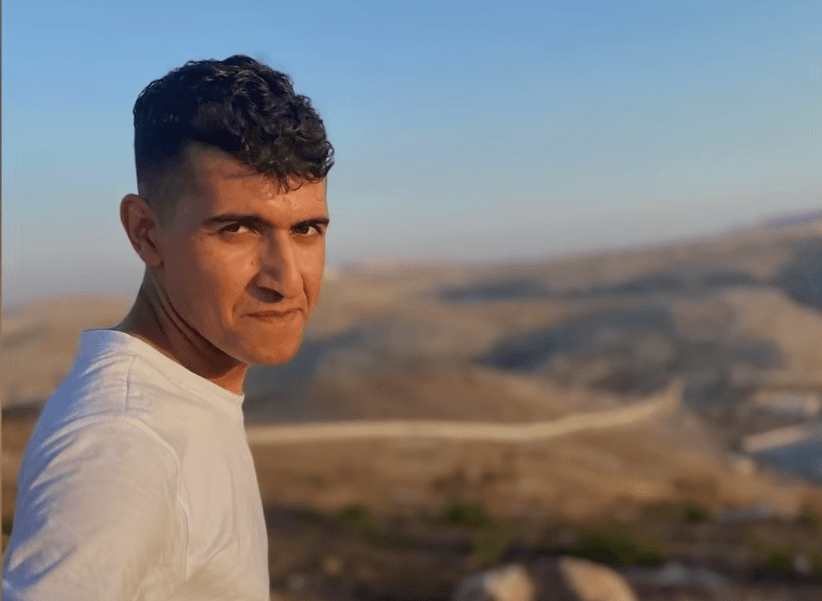
Eyyüp Uğurlu
Eyyüp Uğurlu (1997–2022) was a Turkish soldier who served as military personnel in the Turkish Armed Forces. He was martyred on 26 November 2022 during Operation Claw-Lock, conducted in northern Iraq. Life Eyyüp Uğurlu was born on 16 August 1997 in the Kanyon neighborhood of Gaziantep (known as Kayoni in some sources). His family originally hailed from the Suruç district of Şanlıurfa, and his father, Celal Uğurlu, had been engaged in tailoring and ready-made clothing business in Gaziantep for ma
ENGözde Cabadak
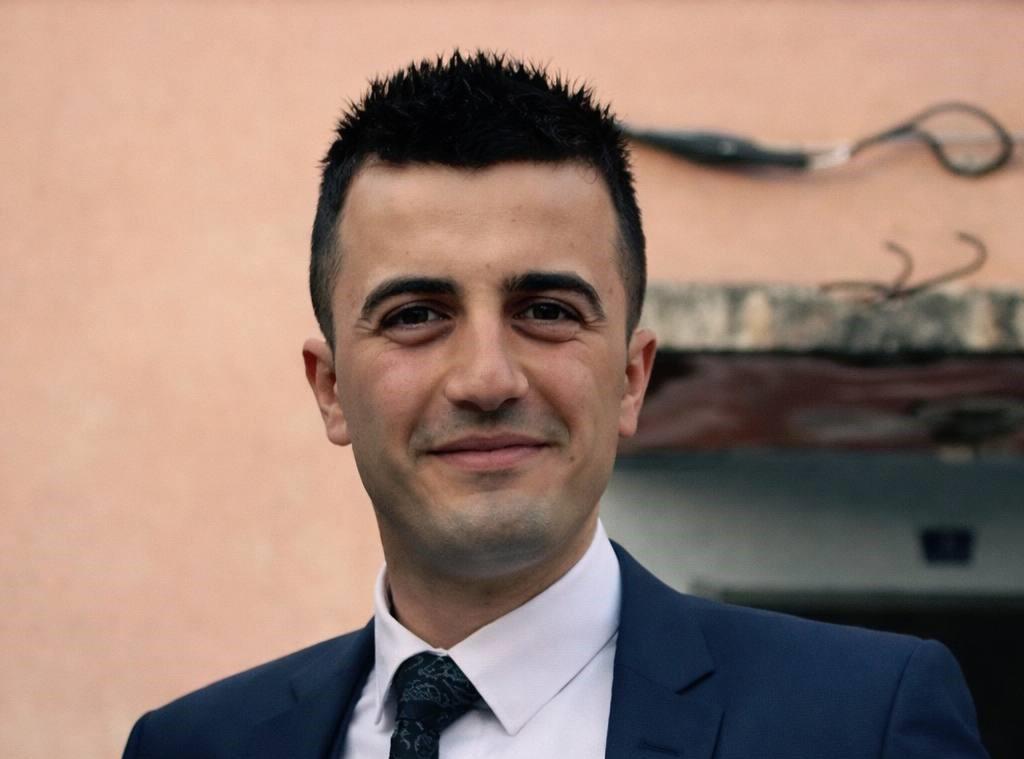
Mehmet Oruç
Mehmet Oruç (1 January 1991 – 15 July 2016) was a Turkish police officer who served in the Turkish Security Organization. Throughout his career, he was assigned to the Çevik Kuvvet Branch Directorate and underwent helicopter pilot training at the Gölbaşı Special Operations Directorate. He was killed during the attack on the Gölbaşı Special Operations Directorate on 15 July 2016 coup attempt. His funeral was held in his hometown of Adana. Early Life and Education Mehmet Oruç was born on 1 January
EN
Fatmanur Mavibaş
What Is Mythology?
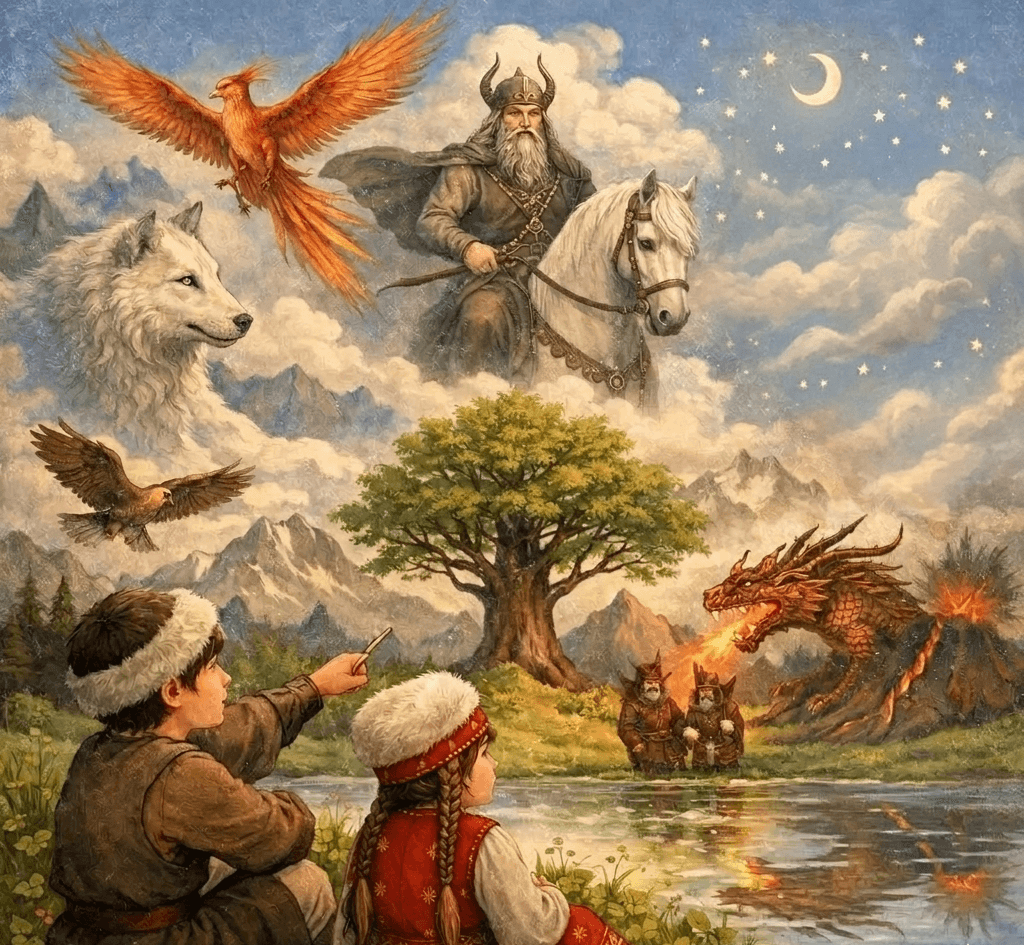
Mythology consists of stories that describe the beliefs, gods, heroes, and natural phenomena of ancient societies. Myths are not merely products of imagination; they guide people in understanding the world, life, and social order. (Generated by artificial intelligence) ' image-element-format="right" image-height="1024" image-source="https://cdn.t3pedia.org/media/uploads/2026/03/09/NcZgsu0FeVa70KkvSzrNfcoBAWWcGW0m.png" image-width="1024"> Mythology develops children’s imagination and helps the
EN
Nursena Güller
Manas Epic: The Heritage of the Kyrgyz People
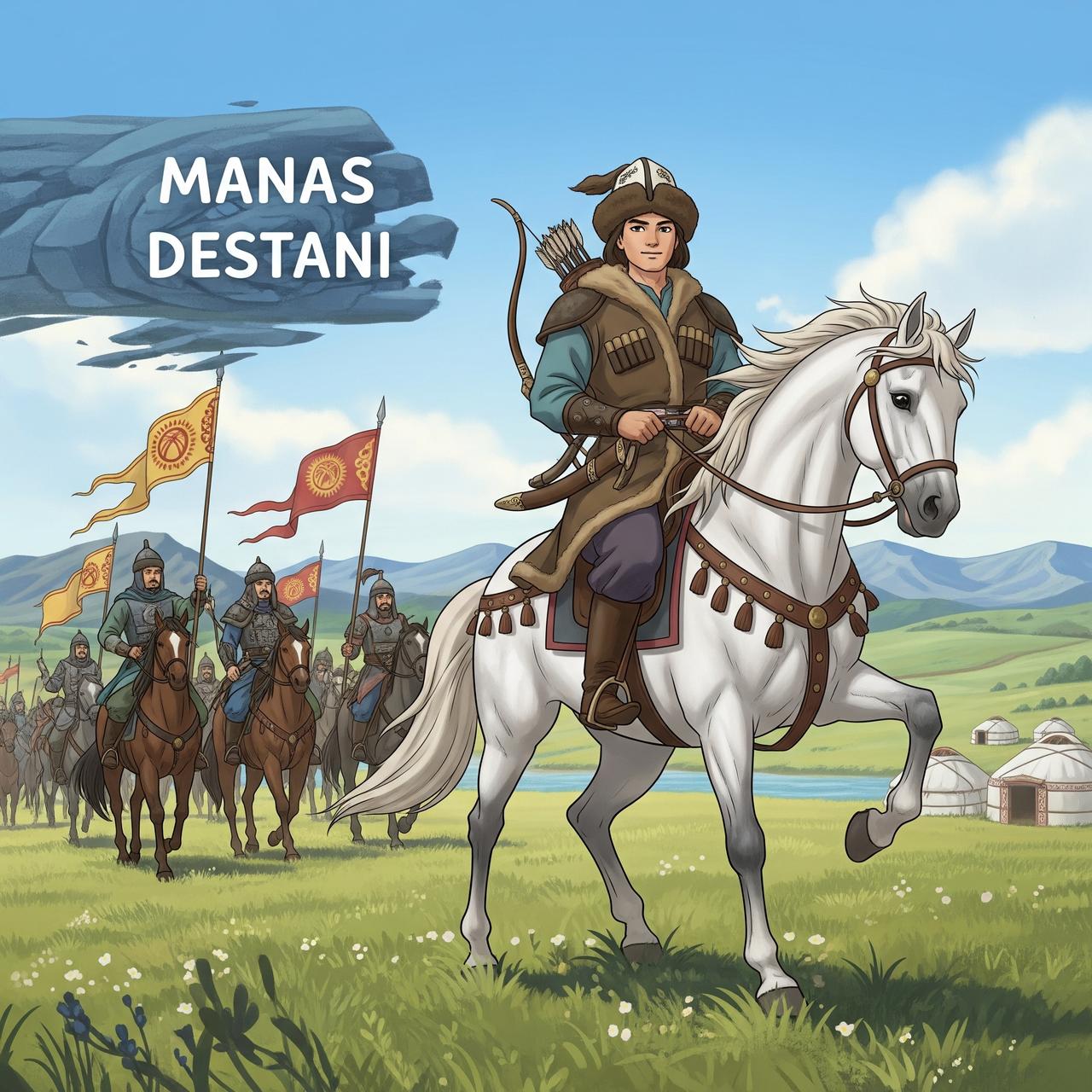
The Manas Epic, what do you say to encountering a vast epic that tells the thousand-year-old story of the Kyrgyz people? This epic is called Manas. It is a monumental tale that recounts not just the bravery of a single hero but the courage, friendship, and dreams of an entire people, passed down through generations until today. The Manas Epic is more than just a book; it is the living memory of the Kyrgyz. The Manas Epic narrates the adventures of its namesake hero Manas and his family. It is so
EN
Kasım Emre Anıl
 Gr
GrGreek Mythology
Greek mythology is a cultural and literary reflection of the ancient Greek peoples’ efforts to understand the universe, their gods, nature, humanity, and heroic history. The term “mythology” derives from the Greek words “mythos” (word, story, legend) and “logos” (reason, thought, discourse); these narratives formed the foundation of rituals and left lasting impacts on art, literature, philosophy, and social structures. Greek myths have reached us primarily through the works of poets such as Hesi
EN
Duygu Şahinler
Batuhan Ergin
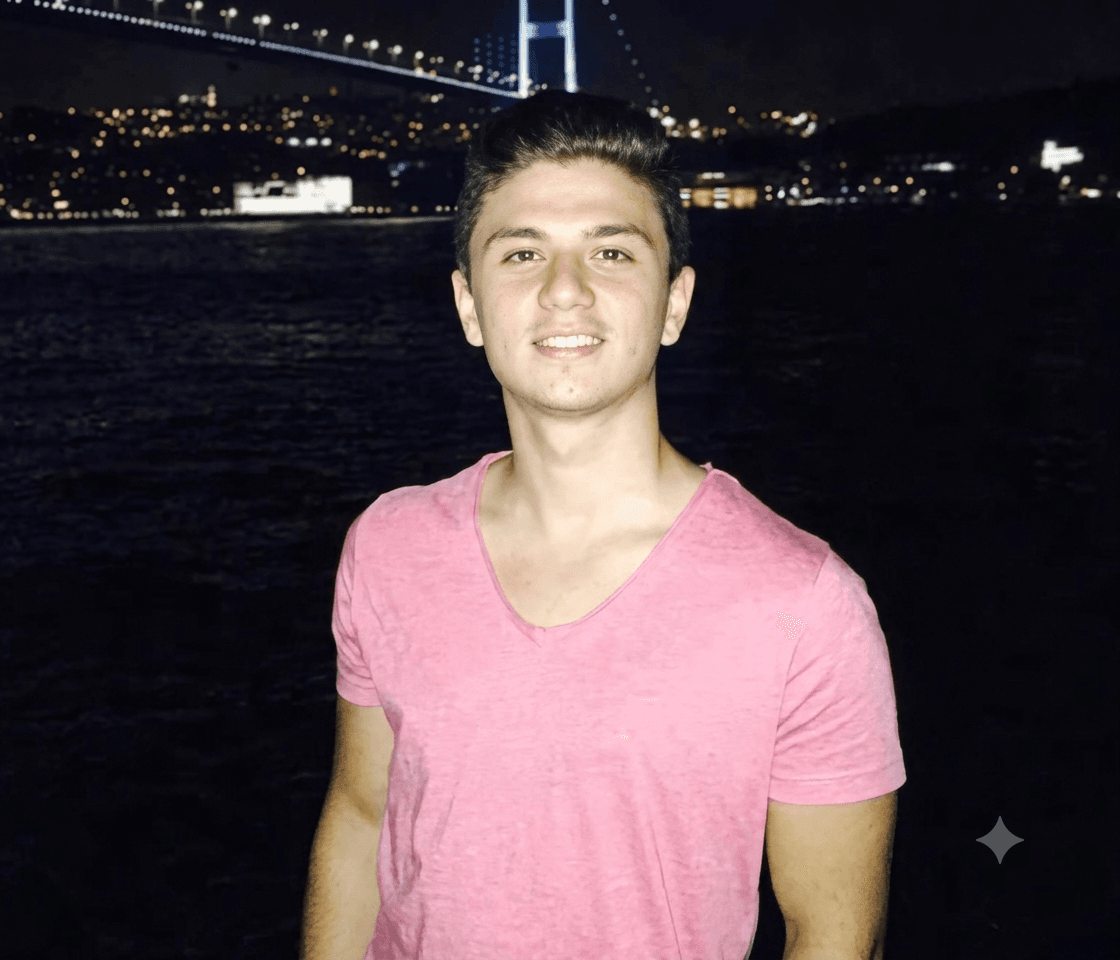
Batuhan Ergin was born on 29 November 1995 in Istanbul as the second child of Ahmet and Deniz Ergin. He spent his childhood and youth in Istanbul. Known by his family and close circle for his loyalty to his homeland, nation, and flag, Ergin completed his military service as a commando in Bitlis before returning to Istanbul. After his discharge, he resumed his civilian life. The 15 July Coup Attempt and His Martyrdom One of Batuhan Ergin’s long-standing dreams had been to own a motorcycle. On 15
EN
Berranur Öksüzömer