

`hattic` Related Article Results
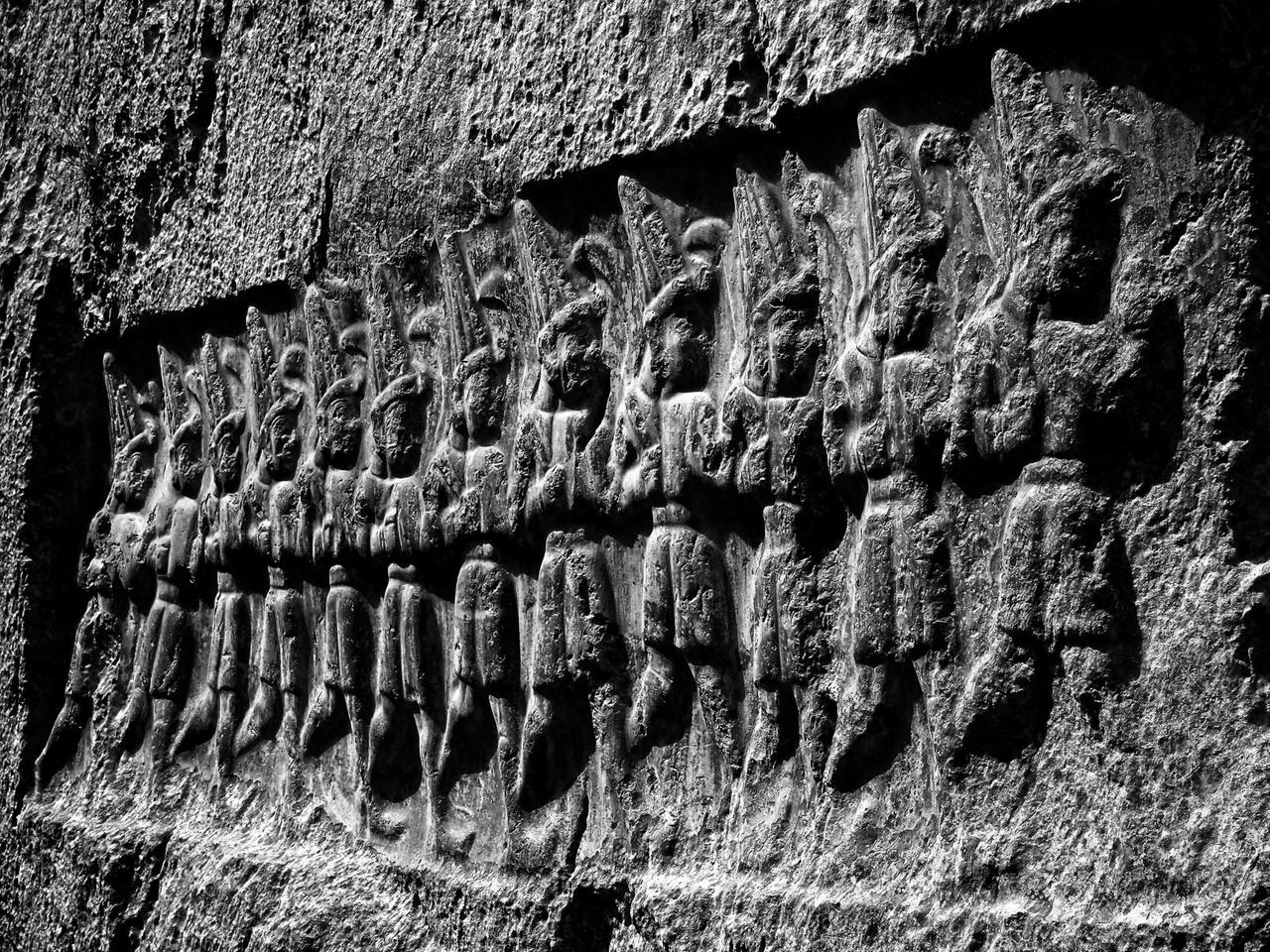
Hittite Art
Hittite art is one of the most powerful religiously grounded artistic traditions in Anatolia. For the Hittites, art was not merely an aesthetic expression; it was a means to make the presence of the gods visible, to solidify ritual practice, and to sanctify social order. Therefore, understanding Hittite art is equivalent to understanding their religion and mythological worldview. Artistic production was constructed entirely upon the foundations of worship, ritual, and divine representation. The
EN
Meryem Şentürk Çoban
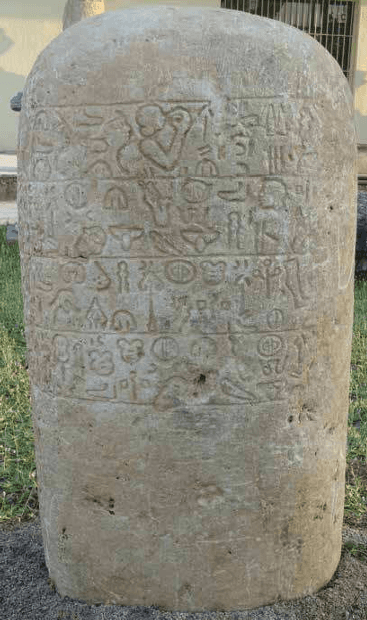
Languages Spoken in the Hittite Empire
In the heart of Anatolia, the Hittite Empire, which rose in the 2nd millennium BCE, attracted attention not only through its political and military power but also through its cultural diversity. Tens of thousands of tablets unearthed from the capital Hattusa reveal that this civilization had a multilingual structure. In this empire where multiple ethnic communities coexisted, several languages were used in daily life religious rituals and diplomatic correspondence. Hittite: The Official Language
ENMeryem Şentürk Çoban