

`handicrafts` Related Article Results
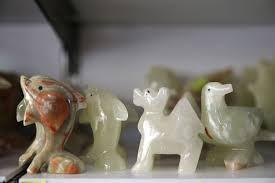
Onyx Stone
Onyx stone is a type of travertine, mineralogically derived from calcite (CaCO₃), characterized by a banded appearance and ornamental qualities. Although geologically classified within travertine formations, it differs due to its distinct colored bands and potential for decorative use. Its colorful appearance results from the precipitation of calcium carbonate carried by cold bicarbonate-rich groundwater as it emerges to the surface, in environments containing various metal ions such as iron and
EN
Nursena Güller
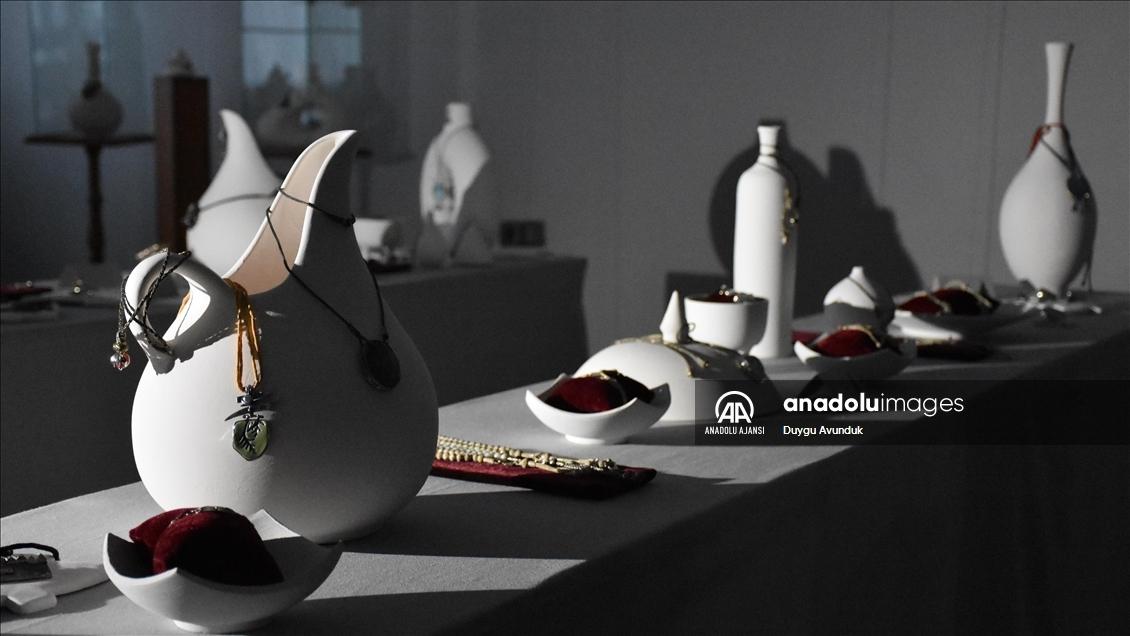
The Art of Kazaziye
Kazaziye is a traditional Turkish craft based on wire weaving. Today, this art is primarily practiced in the Trabzon region and involves the manipulation of special wires made by winding silver or gold threads, 0.08–0.18 mm in thickness, around nylon or ibrişim yarn using various knotting and weaving techniques. Products created through this technique include jewelry and ornamental items such as necklaces bracelets rings earrings and prayer bead whips. The fundamental techniques used in kazaziye
EN
Ömer Yasır Altuntaş
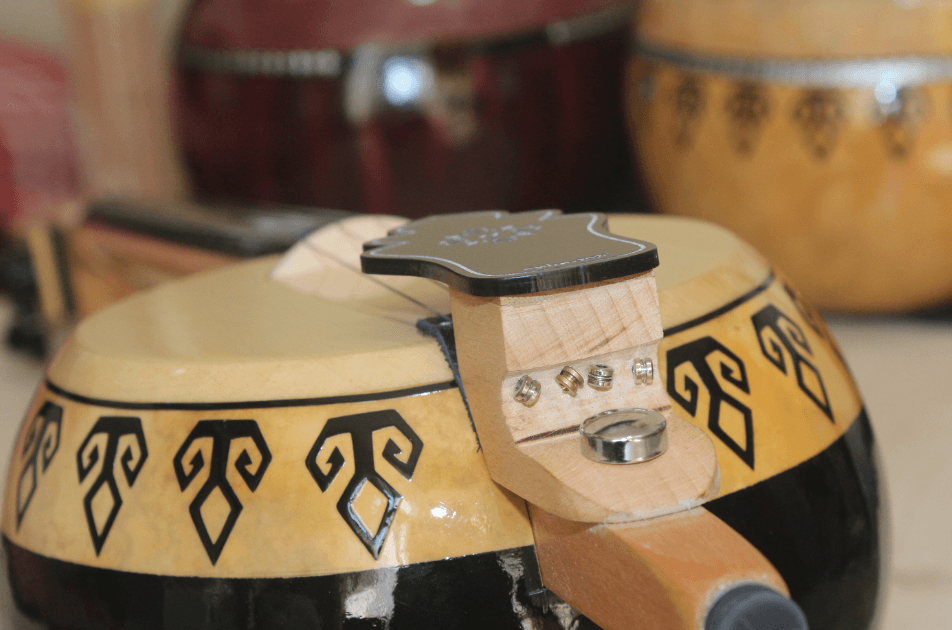
Kabak Kemane
Kabak kemane is a Turkish folk music instrument with a body traditionally made from a gourd, a skin-covered soundboard, and played with a bow. Distinguished among stringed and bowed instruments by its skin covering, this instrument gained widespread popularity in Anatolia, particularly in the western and southwestern regions, and over time evolved from a local instrument into one recognized and performed throughout Türkiye. Image of Kabak Kemane (Visit İzmir) " image-alternate="" image-element-f
EN
İremsu Ümit
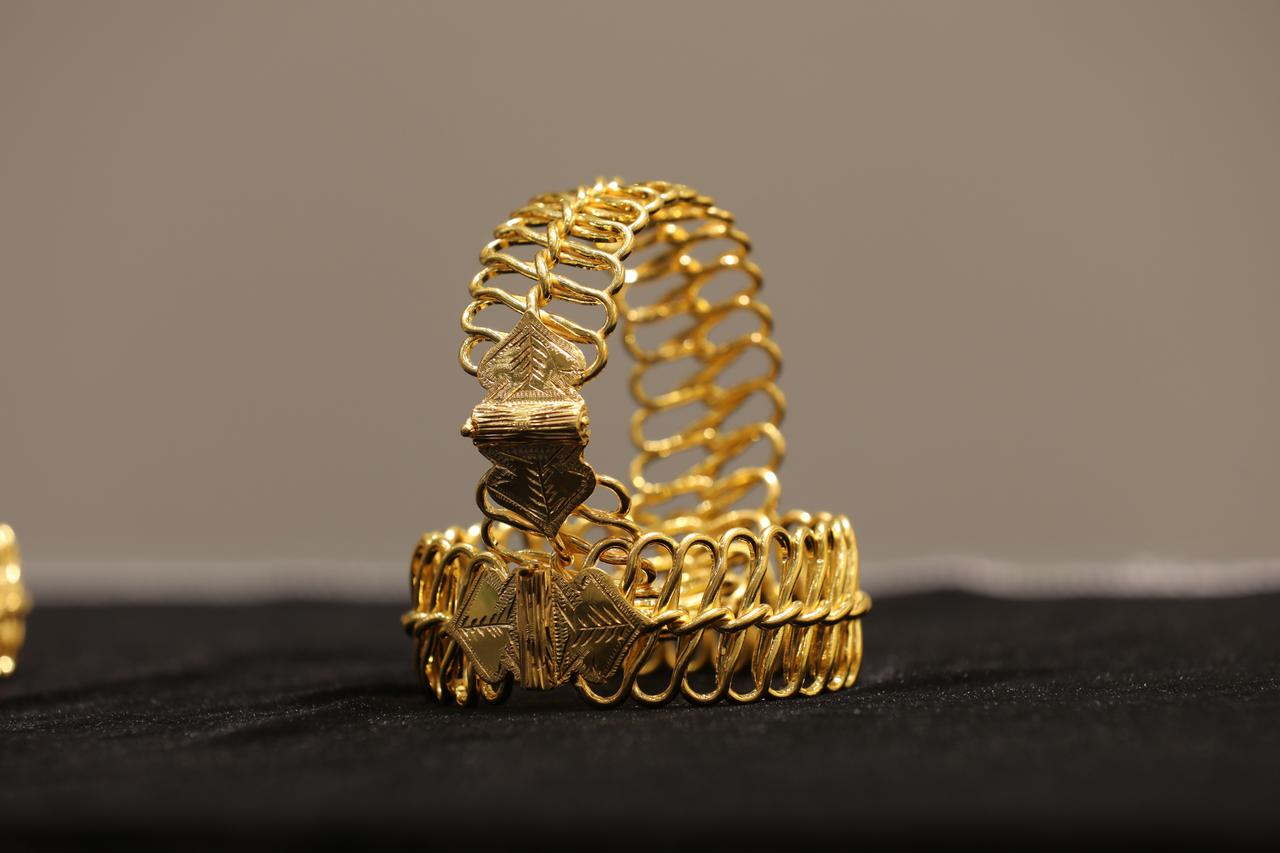
Maraş Burma Bileziği
Maraş burma bracelet (or Maraş burma) is a valuable piece of jewelry recognized for its unique production technique, design, and durability, and is among the traditional handicrafts specific to Kahramanmaraş. It has been officially protected under geographical indication status as a “Mahreç Mark” by the Turkish Patent and Trademark Office. Product Description and Distinguishing Features The Maraş burma bracelet is a type of bracelet typically made from 22-carat (916 thousandths) gold, formed by
EN
Caner Sefa Koçyiğit
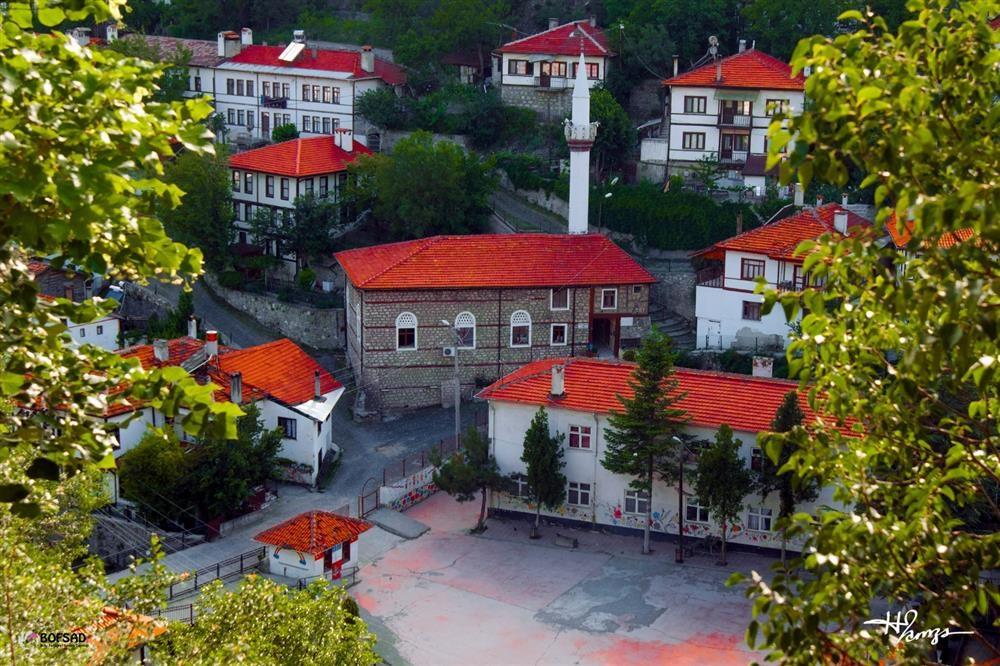
Göynük (District)
Göynük is a charming district of Bolu province, located 98 km from the city center, covering an area of 1,437 km², and situated at an altitude of 730 meters above sea level. The district has a population of 14,412. It is notable for largely preserving the traditional Turkish lifestyle culture of Anatolia, Ottoman architecture, and its natural texture. In 2017, the district was granted the "Cittàslow" (Slow City) title and was registered as an urban conservation area. Göynük (Bolu Directorate of
EN
Melahat Pamuk
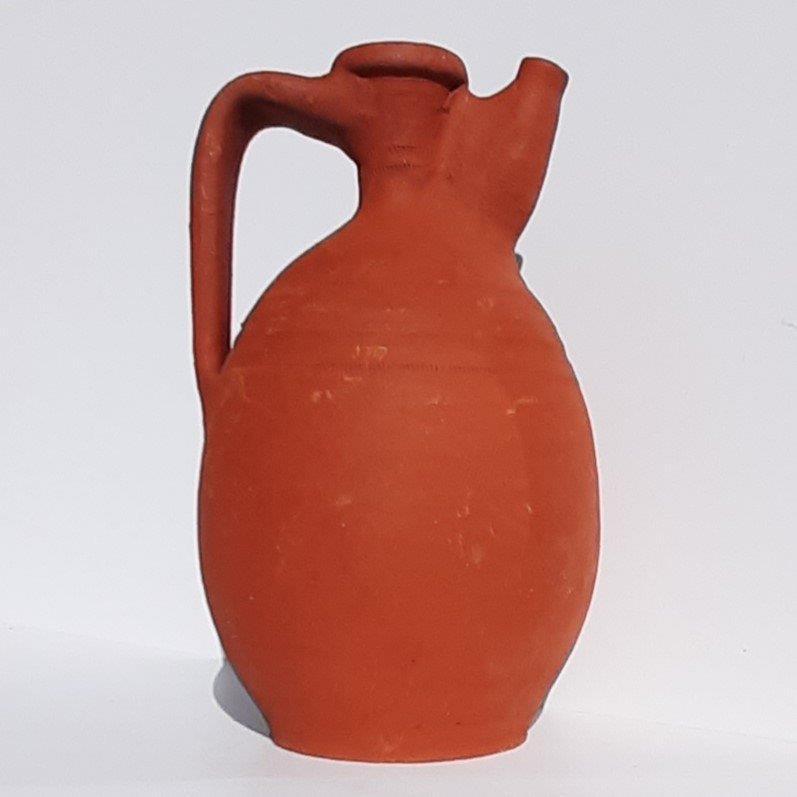
Kızılhisar Cup
Kızılhisar Bardağı is a traditional craft product made from red clay in the Serinhisar district of Denizli Province. Registered as a geographical indication in 2025 under Law No. 6769 on Industrial Property, this cup stands as a tangible representation of regional culture and a product of technical mastery, defined by local soil usage, shaping techniques, and firing processes. Kızılhisar Bardağı (Culture Portal) " image-element-format="right" image-source="https://cdn.t3pedia.org/media/uploads/2
EN
Elif Laçin
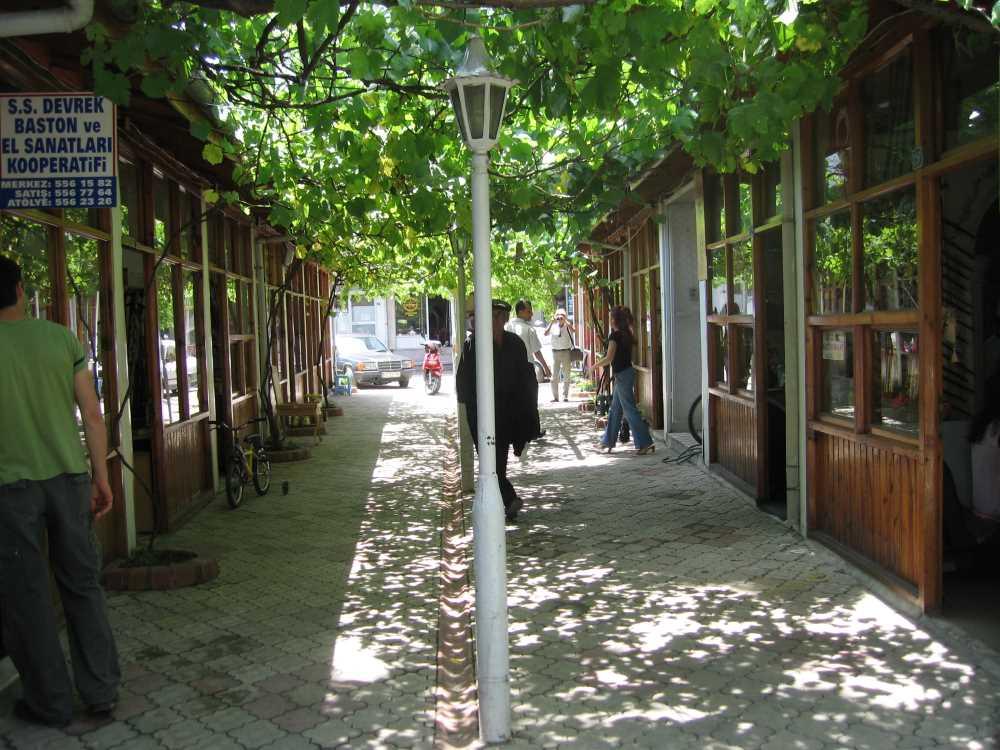
Bastoncular Bazaar (Zonguldak)
Devrek district, located within the boundaries of Zonguldak province, is a significant center known nationally and internationally for its tradition of cane production. Devrek cane crafting has a deep-rooted history extending back to the Ottoman period. The Kastamonu Vilayet Salnamesi (H.1310/M.1892) mentions artisans in Devrek engaged in cane production. In this context, Devrek cane crafting is not merely a craft but a way of life in which cultural heritage has been transmitted across generatio
EN
Yusuf İslam Tuğla
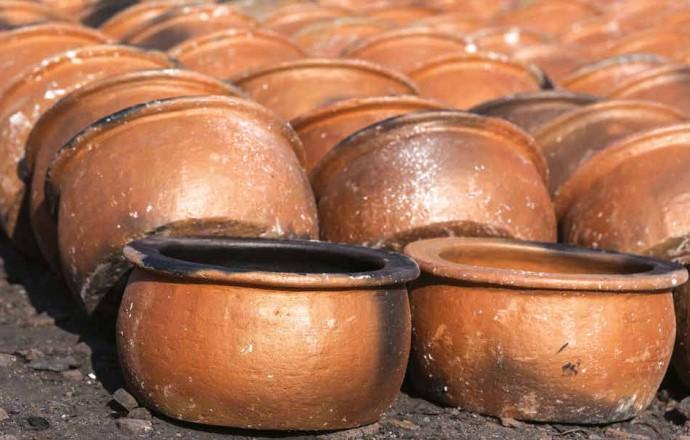
Sorkun Pot
Sorkun Pottery is an original craft product that has survived to the present day as the result of an 800-year-old artisanal tradition in Sorkun Village, located in the Mihalıççık district of Eskişehir. These pots, protected under a geographical indication registration, are produced using methods rooted in nature and traditional knowledge, far removed from the mass production effects of the industrial age. Sorkun Çömleği (Eskişehir Provincial Directorate of Culture and Tourism) " image-element-fo
ENElif Laçin
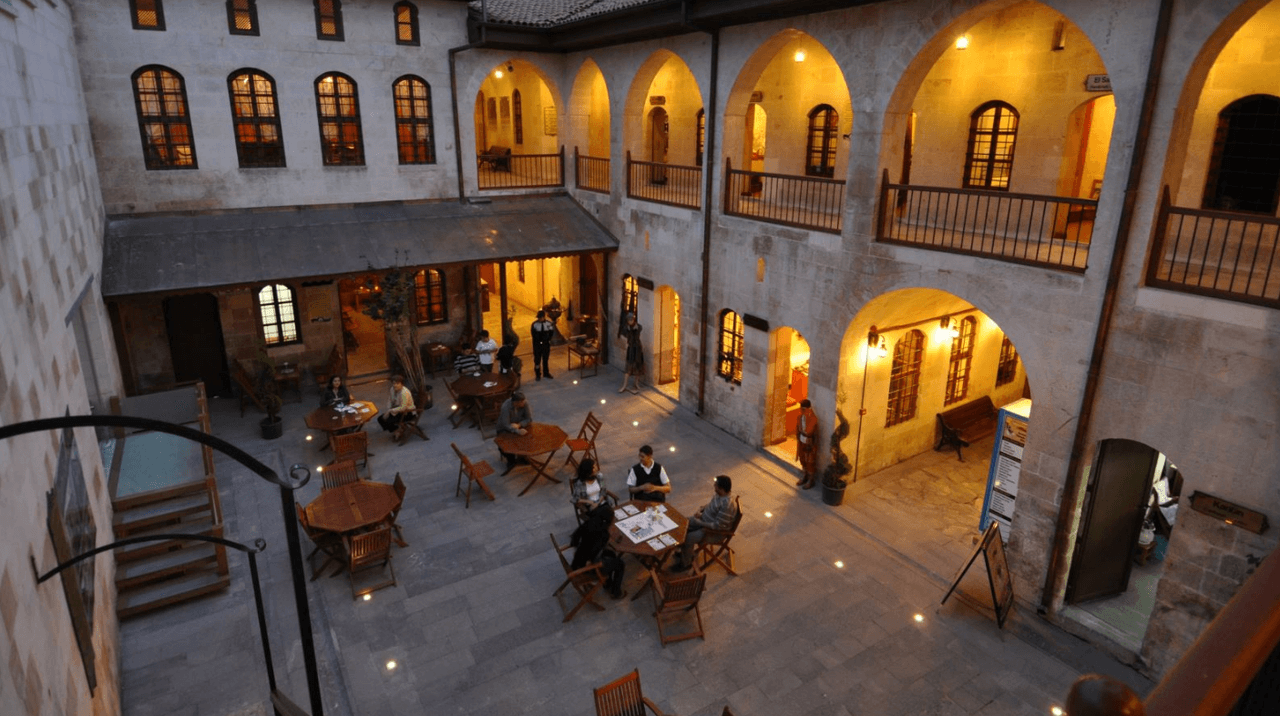
Gaziantep Customs House
Gümrük Han is an Ottoman caravanserai located in the Şahinbey district, one of the central neighborhoods of Gaziantep, on Gümrük Street. It was constructed in the second half of the 19th century. Today, it is known as the "Living Museum" and serves as a center for the production and sale of traditional handicrafts. The building stands out for its architectural features, functional transformation, and role in the transmission of cultural heritage. History and Architectural Structure According to
ENSelin Yalçın
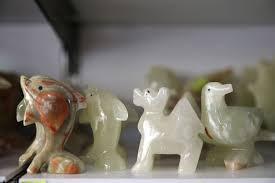
Onyx Stone
Onyx stone is a type of travertine of calcite (CaCO₃) origin, characterized by a banded appearance and ornamental qualities. Although geologically classified within travertine formations, it differs due to its colorful banding and potential for decorative use. Its colored appearance results from the precipitation of calcium carbonate carried by cold bicarbonate-rich groundwater as it emerges to the surface, within environments containing various metal ions such as iron and manganese. During this
EN
Nursena Güller