

`handicraft` Related Article Results
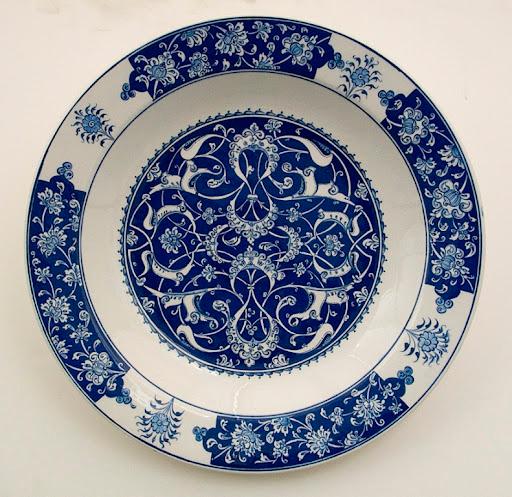
Iznik Ceramic
Iznik Tile is a traditional ceramic type produced in the district of Iznik, within Bursa Province in Türkiye. It is distinguished by its high quartz content, white slip layer, and glossy transparent glaze. Iznik tiles, widely used in Ottoman architecture between the 15th and 17th centuries, attract attention for both their aesthetic and technical qualities. Thanks to the original raw materials and underglaze decoration techniques employed, vibrant colors and intricate motifs are preserved beneat
EN
Sabiha Meyra Şahinler
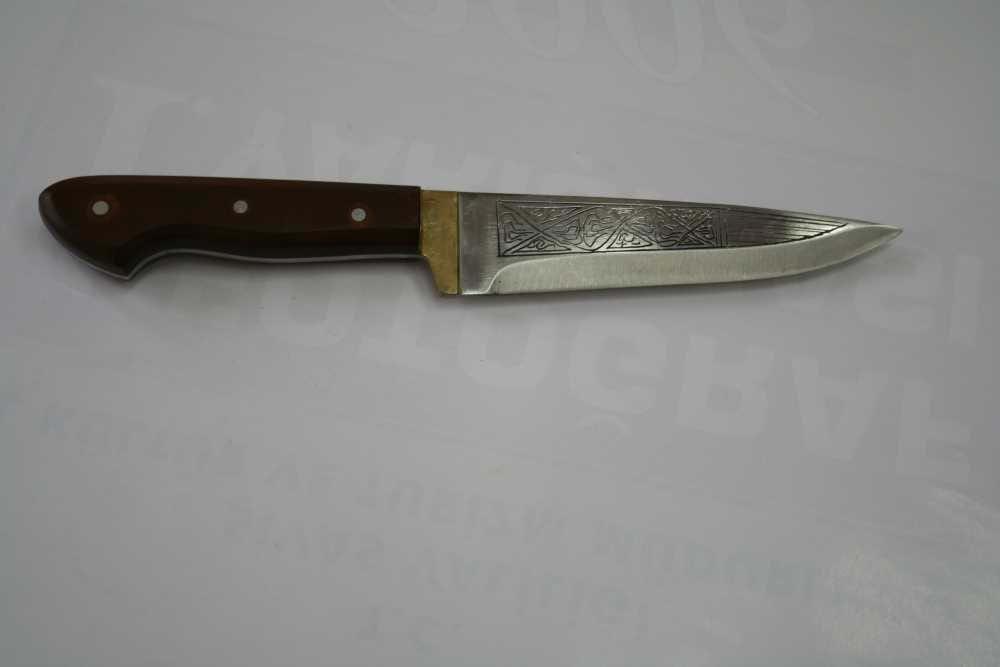
Sivas Knife
The Sivas knife is a handcrafted product belonging to the traditional crafts of Türkiye, with production continuing for many years. Knife-making activity is recognized as part of the cultural heritage of Sivas Province, forming a local area of expertise in both production techniques and the variety of materials used. Historical Development and Production Process The history of knife production in Sivas extends back to the Ottoman period. This craft continues to be practiced today, primarily base
EN
Zeynep Şule Bingöl
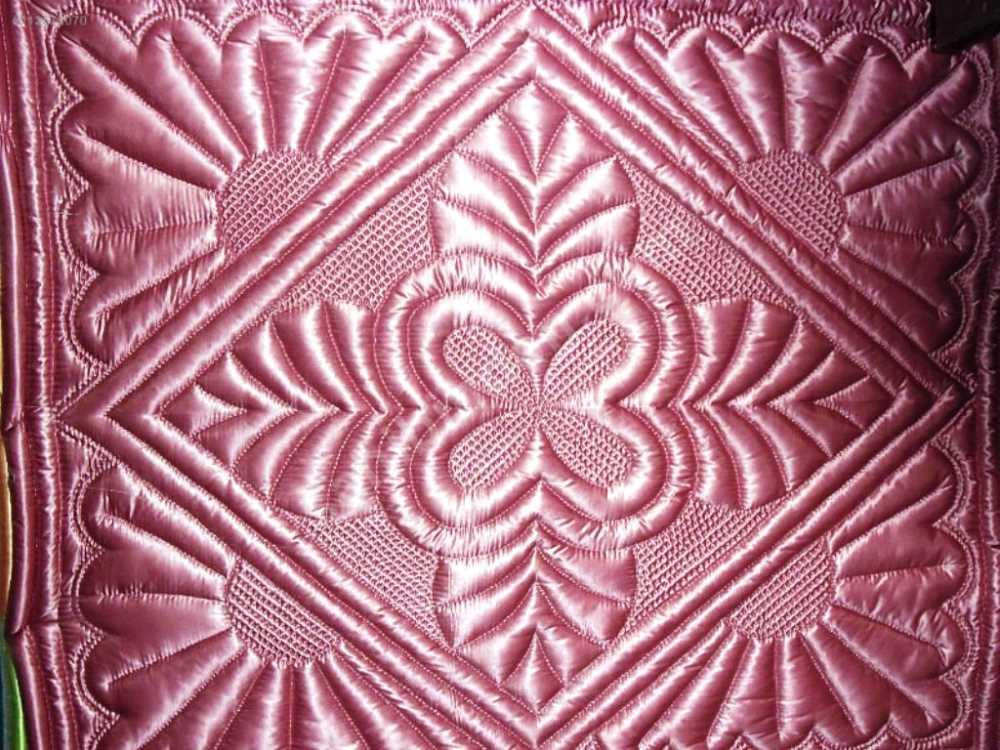
Kilis Quilt
Kilis Yorganı is a traditional handicraft unique to the city of Kilis in southern Türkiye, crafted using traditional production techniques and featuring distinctive patterns. This product, with historical roots spanning centuries, combines skilled craftsmanship, cultural motifs, and local production practices. In 2022, it was officially registered with a geographical indication mark, granting it legal protection under geographical indication status. Technical Features and Production Process The
EN
Elif Laçin
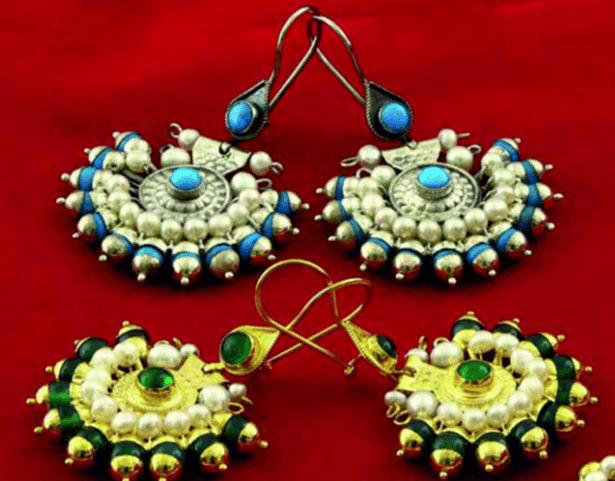
Sivrihisar İncili Küpe
Sivrihisar İncili Küpe is a traditional piece of jewelry unique to the Sivrihisar district of Eskişehir, entirely crafted by hand. Pearls adorned with gold or silver beads are combined in a floral design. The red stone at the center symbolizes “fire,” the blue stone at the top represents the “evil eye,” and the surrounding pearls signify “purity and cleanliness.” This art, passed down from generation to generation by local jewelers, embodies a cultural value deeply associated with the region. Hi
ENElif Laçin
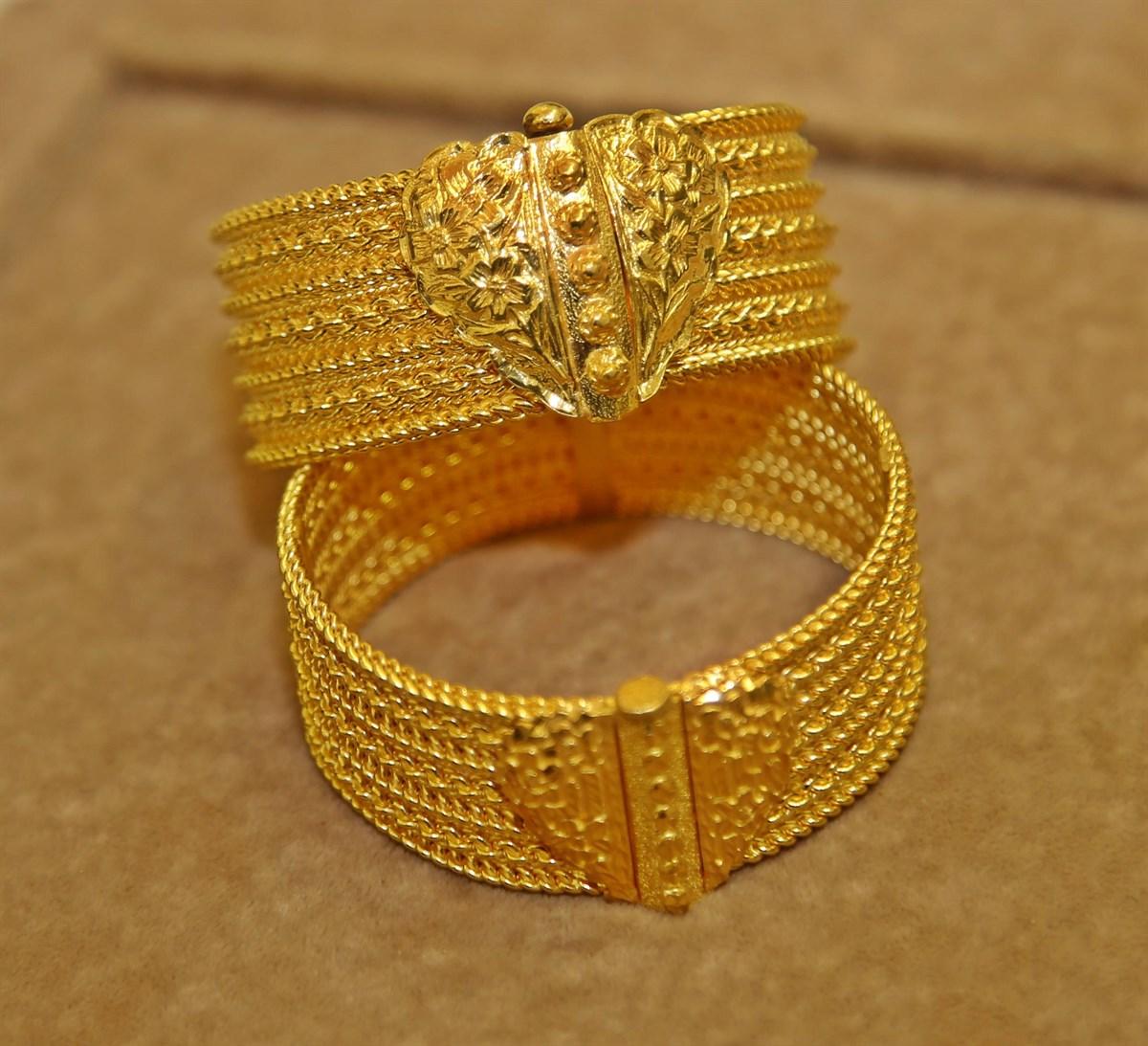
Tokat Bracelet
The Tokat bracelet, also known as the Tokat Mengil Bracelet, is a traditional craft product unique to the province of Tokat. The production process begins with drawing gold into wire form, followed by shaping the wires into spirals, chains, and triangles. Different models of Tokat bracelets are created by arranging these wires in specific numbers and sequences. The bracelets, with an average weight ranging between 80 and 110 grams, come to life through mastery of wirework, intricate arrangement,
ENElif Laçin
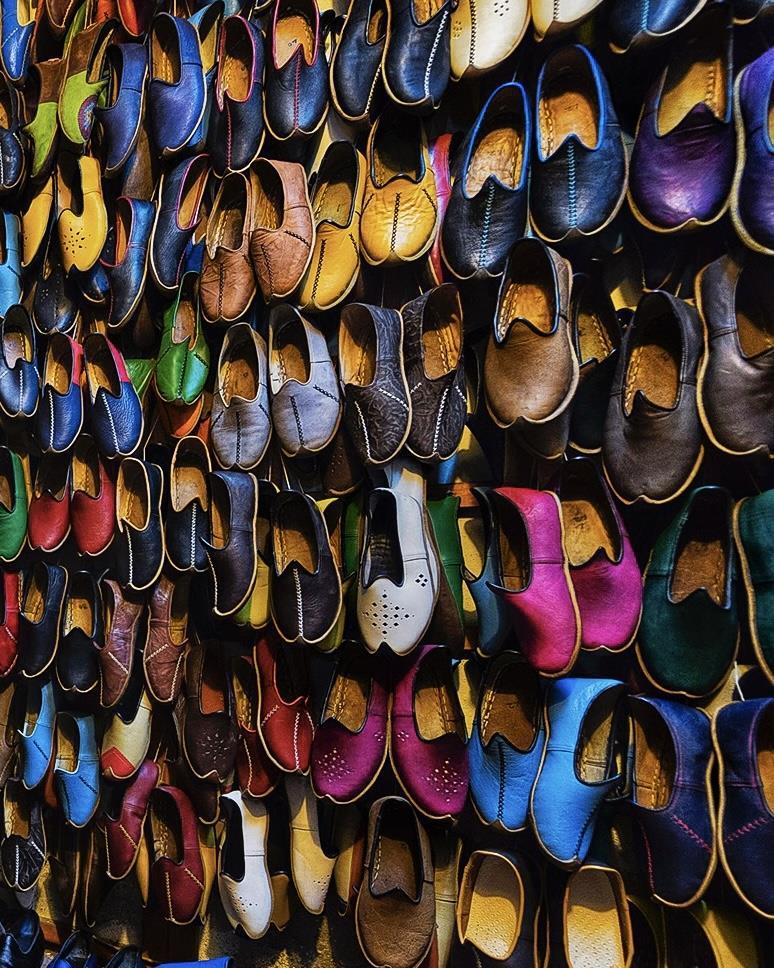
Kahramanmaraş Yemeni
Kahramanmaraş Yemenisi is a type of lightweight shoe produced entirely with natural materials using traditional methods native to Kahramanmaraş. Calfskin is used for the upper part of the shoe, thin goat leather for the binding (kıyı), sheepskin for the inner sole and camelskin or buffalo hide for the outer sole. A layer of clay is placed between the inner and outer soles, which are then bonded together using a natural adhesive derived from tree roots, and the yemenis are sewn entirely by hand u
EN
Zelal Çakar
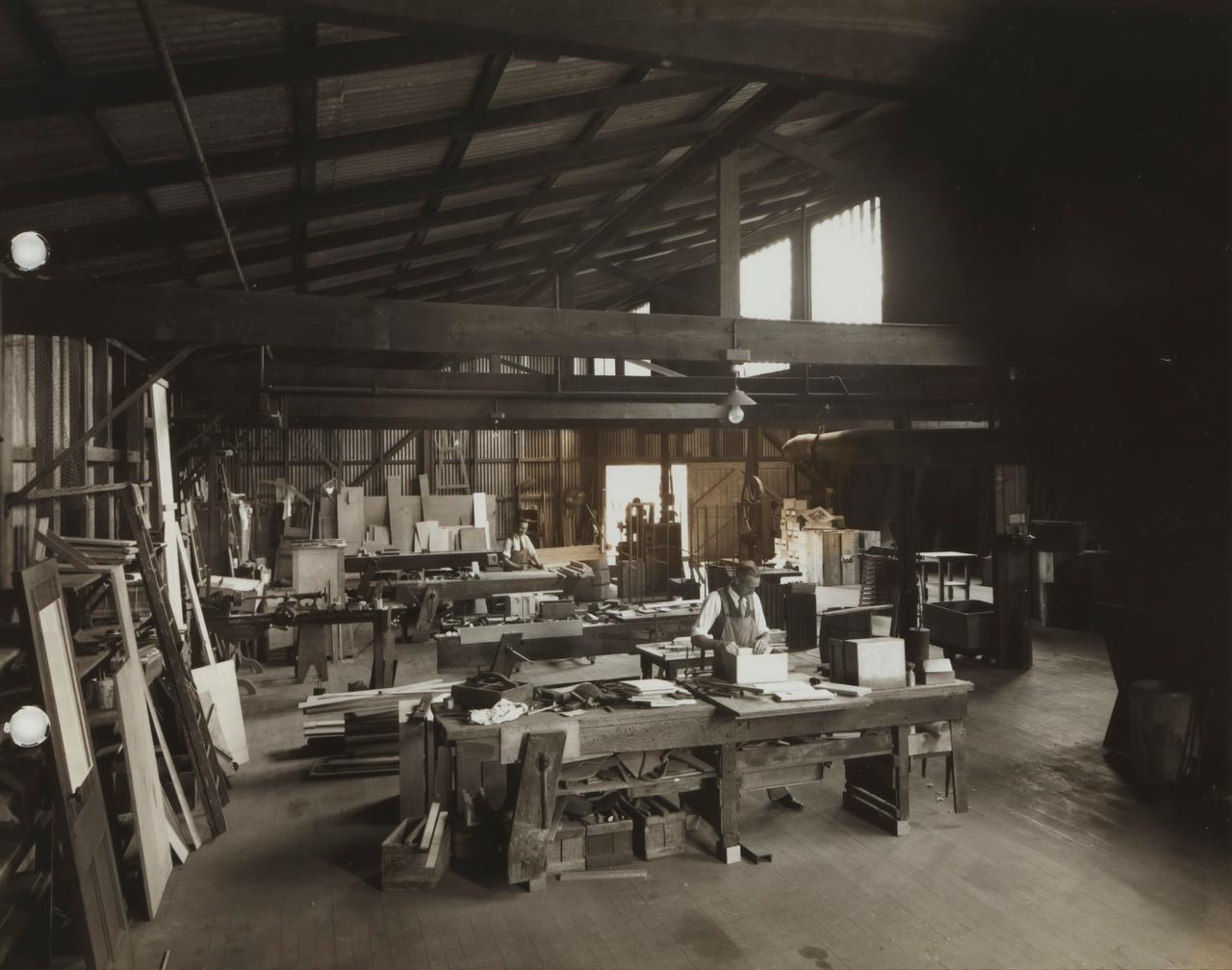
Arts and Crafts Movement
The Arts and Crafts movement is a multidisciplinary art, design, and architectural movement that emerged in the second half of the 19th century in England as a response to the mass production ethos introduced by the Industrial Revolution. It championed handcraftsmanship, naturalness, and craftsmanship over industrial standardization. This movement developed not only as an aesthetic orientation but also as an ideological stance, forming a comprehensive reaction against alienation of labor, discon
EN
Esra Özkafa
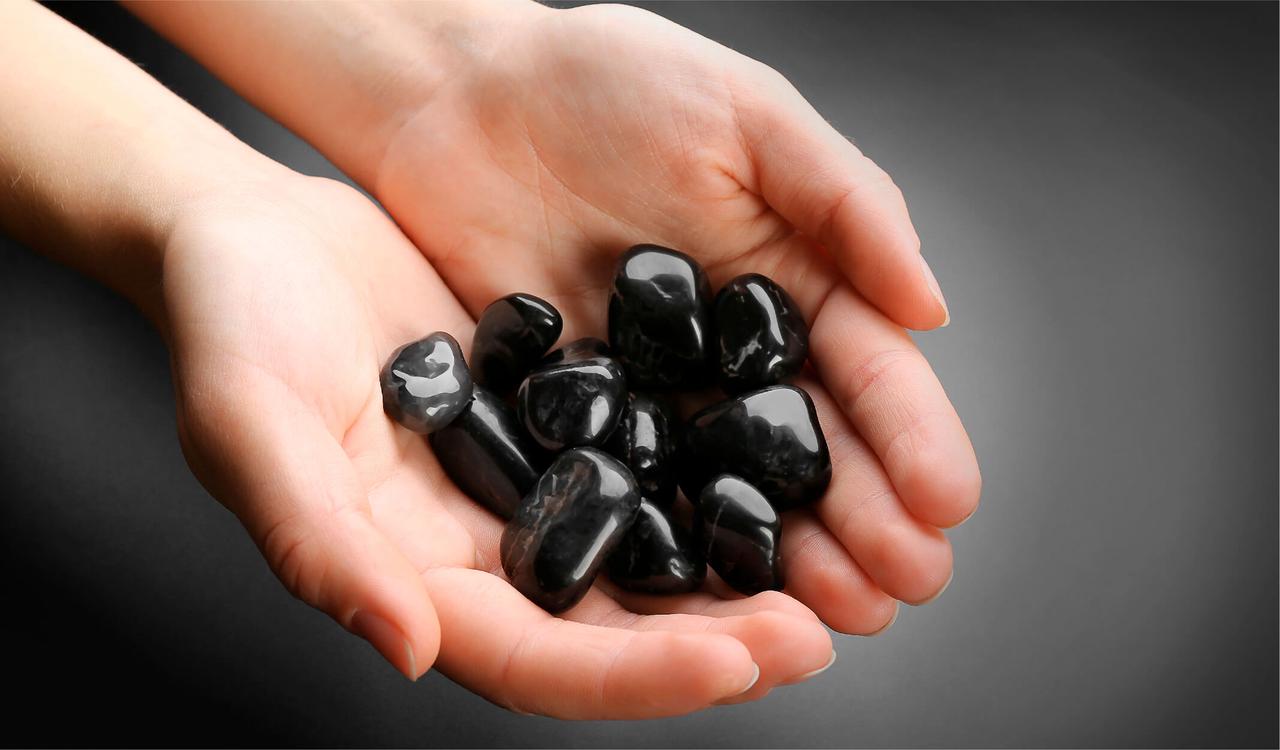
Oltu Stone
Oltu Stone is a valuable mineral extracted from the Oltu district of Erzurum and also known as "Black Amber." This stone forms as lens-shaped layers within marl beds 70–80 cm thick, found in Neogene-aged sedimentary formations. These lenses, composed of marl and clay, have fractured due to tectonic movements. Oltu Stone is typically black in color but can occasionally appear in brown, gray, or greenish tones. When first extracted, the stone is soft but hardens upon exposure to air. This ease of
EN
Muhammed Fatih Türk
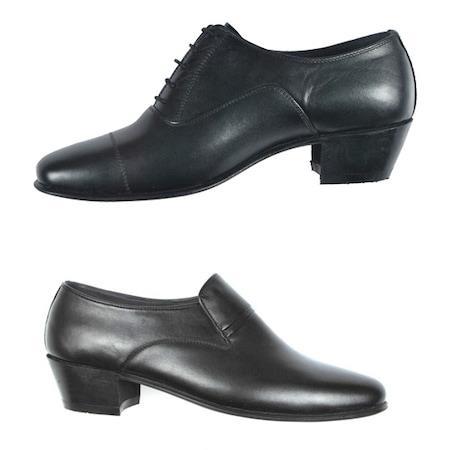
Egg Heeled Wednesday Shoe
Yumurta Topuk Çarşamba Ayakkabısı is a traditional shoe type produced in the Çarşamba district of Samsun province in Türkiye for over a century, based entirely on craftsmanship. Its earliest production dates back to the 1900s. It gained widespread popularity in the 1930s and became closely identified with the region from the 1950s onward. The term "Yumurta topuk" refers to the shoe’s wooden heel, approximately 35 mm in height, which over time evolved into the defining characteristic that gave th
EN
Elif Laçin
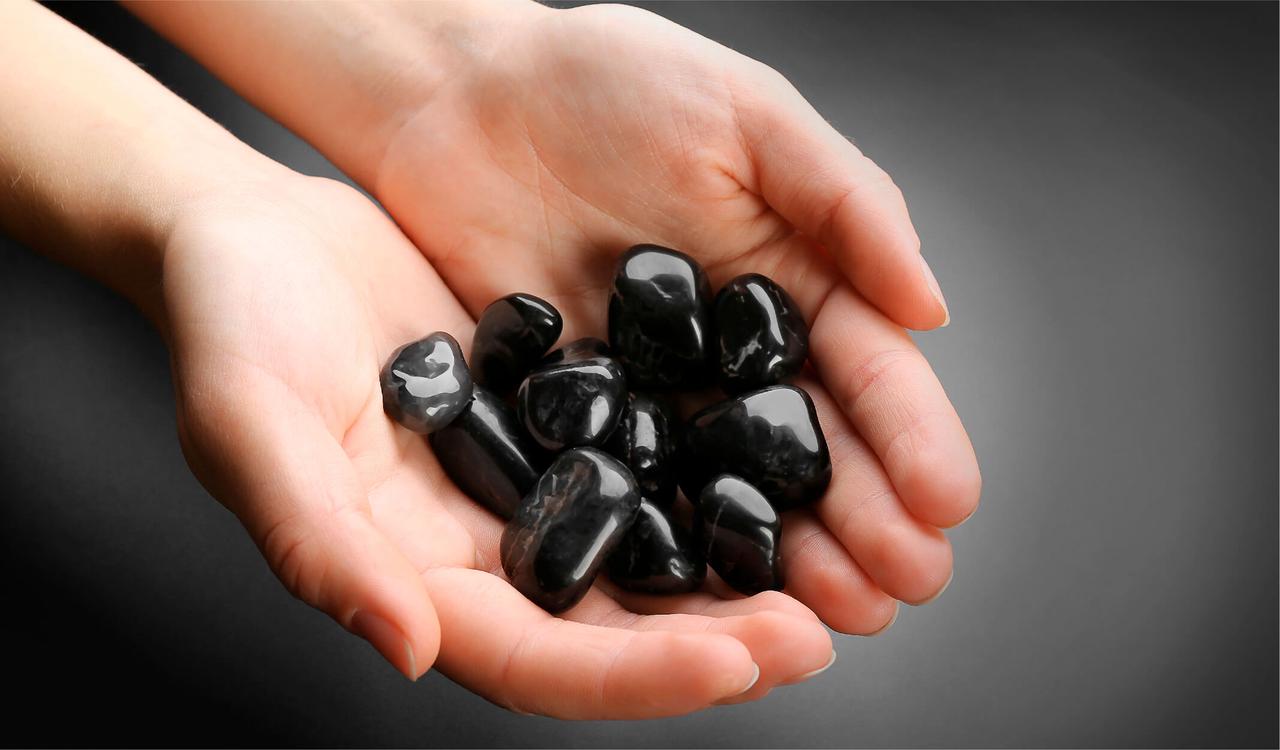
Oltu Stone
Oltu Stone is a valuable mineral extracted from the Oltu district of Erzurum and also known as "Black Amber." This stone forms within sedimentary layers, appearing as lens-shaped bodies several centimeters thick within marl beds that are 70–80 cm thick and of Neogene age. These lenses, composed of marl and clay, have fractured due to tectonic movements. Oltu Stone is typically black in color but can occasionally be found in brown, gray, and greenish tones. When extracted, the stone is soft but h
EN
Muhammed Fatih Türk