

`grammar` Related Article Results
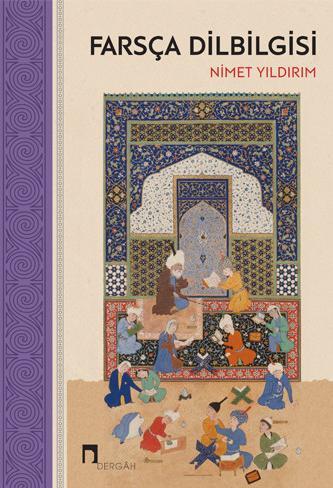
Persian Grammar (Book)
Persian Grammar is a linguistic study authored by Nimet Yıldırım. Published in February 2024 as part of Dergâh Yayınları’s Persian Literature series, the work aims to present a comprehensive and systematic grammar overview. Subject The book is organized into four main sections: Persian Alphabet and Sounds – The Persian script system, phonological units, and orthographic conventions are introduced. Parts of Speech – Linguistic categories such as noun, verb, adjective, pronoun, adverb, preposition
EN
Muhammed Samed Acar
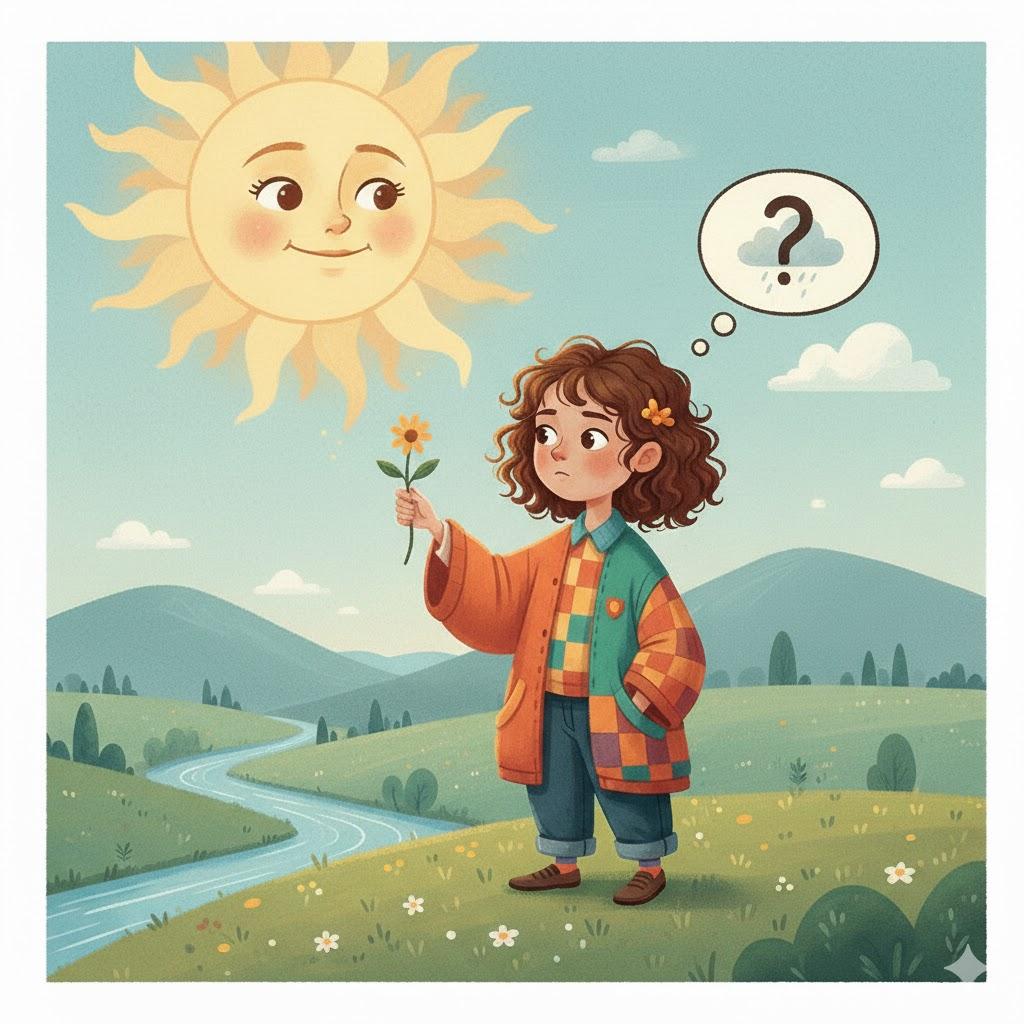
What Is Kinaye (Allusion)?
Kinaye, also known as allusion, is the use of a phrase in such a way that it suggests both its literal and metaphorical meanings. In kinaye, the intended meaning is most often the metaphorical meaning. The expression is indirect and implicit rather than explicit. Kinaye is a figure of speech that demonstrates the subtleties of language. It frequently appears in everyday speech literary texts and proverbs. It encourages children to listen more carefully and interpret meaning thoughtfully. What Do
EN
Nursena Güller
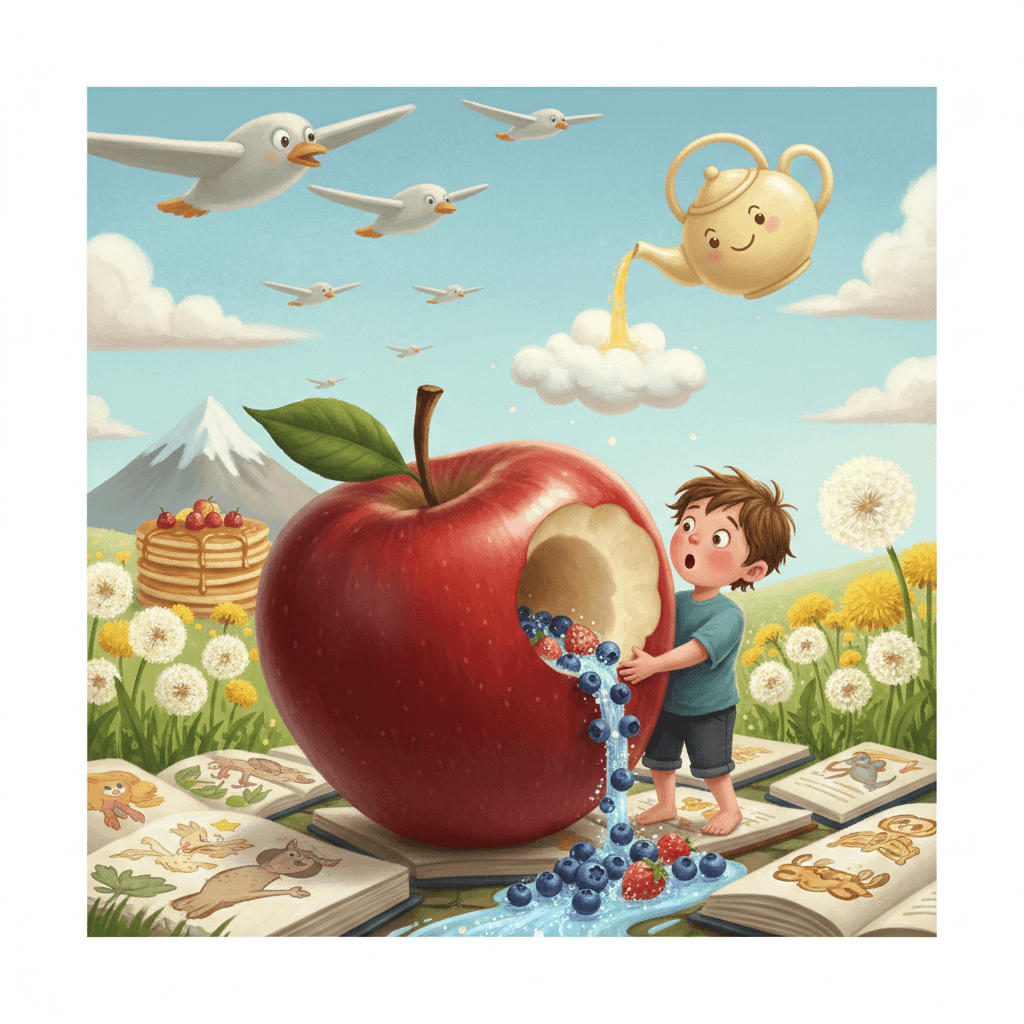
What Is Exaggeration (Hyperbole)?
Exaggeration is the act of presenting something as greater or more impressive than its actual value or condition. In literature and speech, it is used to convey events and emotions more powerfully. Hyperbole, unlike ordinary exaggeration, adds art and beauty. Where Do We Encounter It? Hyperbole is frequently used in books and stories. Poets or writers may amplify events to make heroes, love, or nature more compelling. For example, a poet might say that a soldier’s ancestors descended from the sk
ENNursena Güller
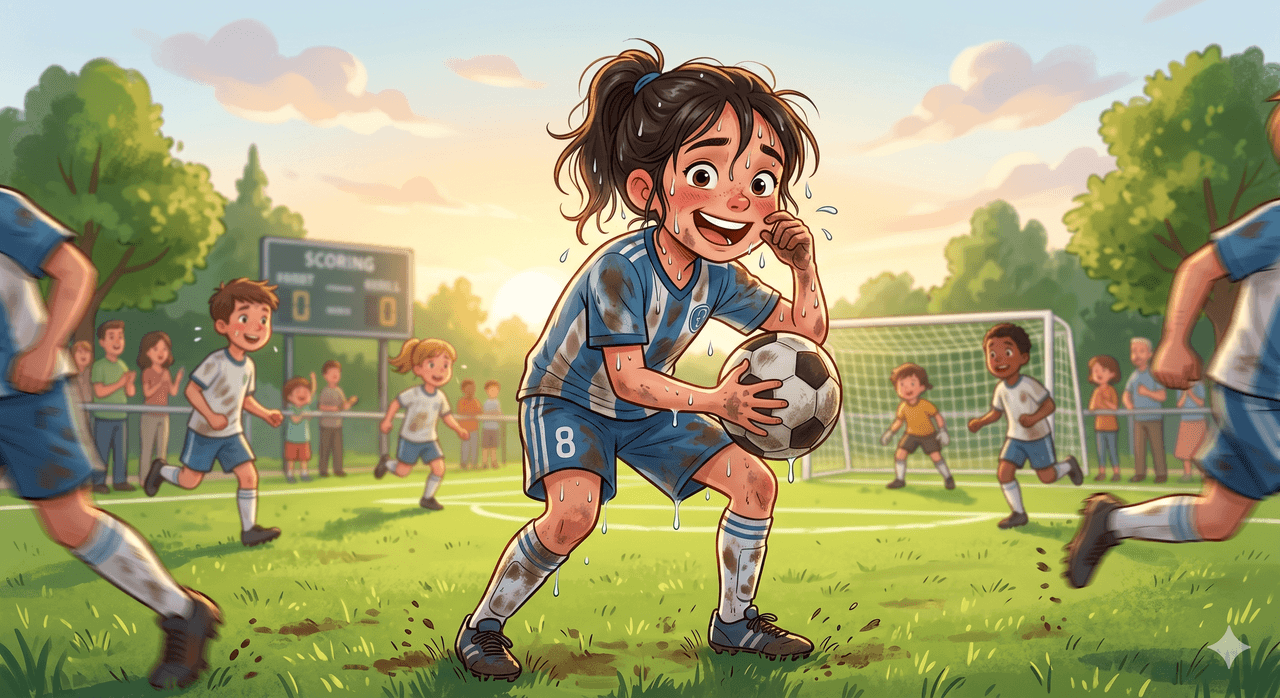
Remain Within the Blood
Have you ever lost track of time while playing a game you loved so much that you ended up drenched in sweat? Or found yourself gasping for breath while struggling to finish a school project that demanded immense effort? In our language, there is a wonderful idiom that perfectly captures this exact state—the great physical or mental exertion we expend: Kan ter içinde kalmak. What Does This Idiom Mean? The idiom "Kan ter içinde kalmak" means to become extremely exhausted and drenched in sweat whil
EN
Şehrinaz İrem Canbaba
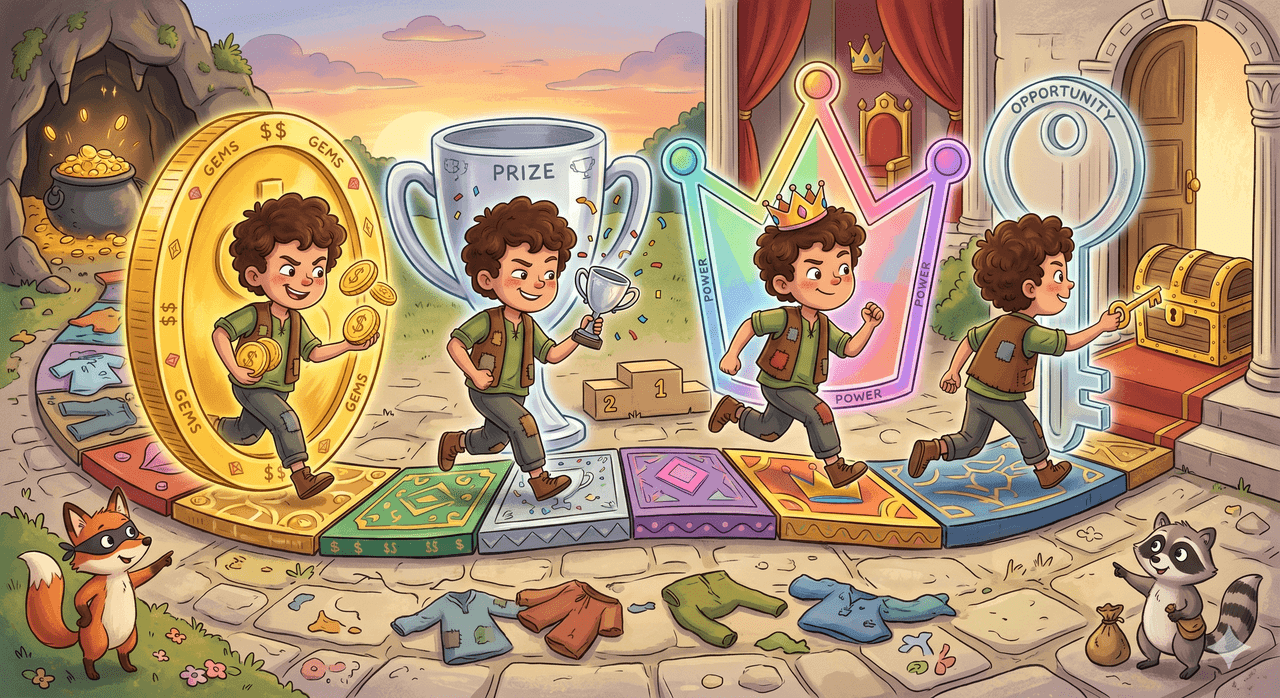
To go from mold to mold
"Kalıptan kalıba girmek" is an expression that means a person adapts their behavior frequently to suit every situation solely to protect their own interests or gain some advantage. Have you ever seen someone playing a game who constantly bends the rules to their own benefit just to win? This expression is used precisely to describe such situations and people. What Does It Mean? Think of a cake mold! If you pour the batter into a star-shaped mold you get a star-shaped cake; if you pour it into a
ENŞehrinaz İrem Canbaba
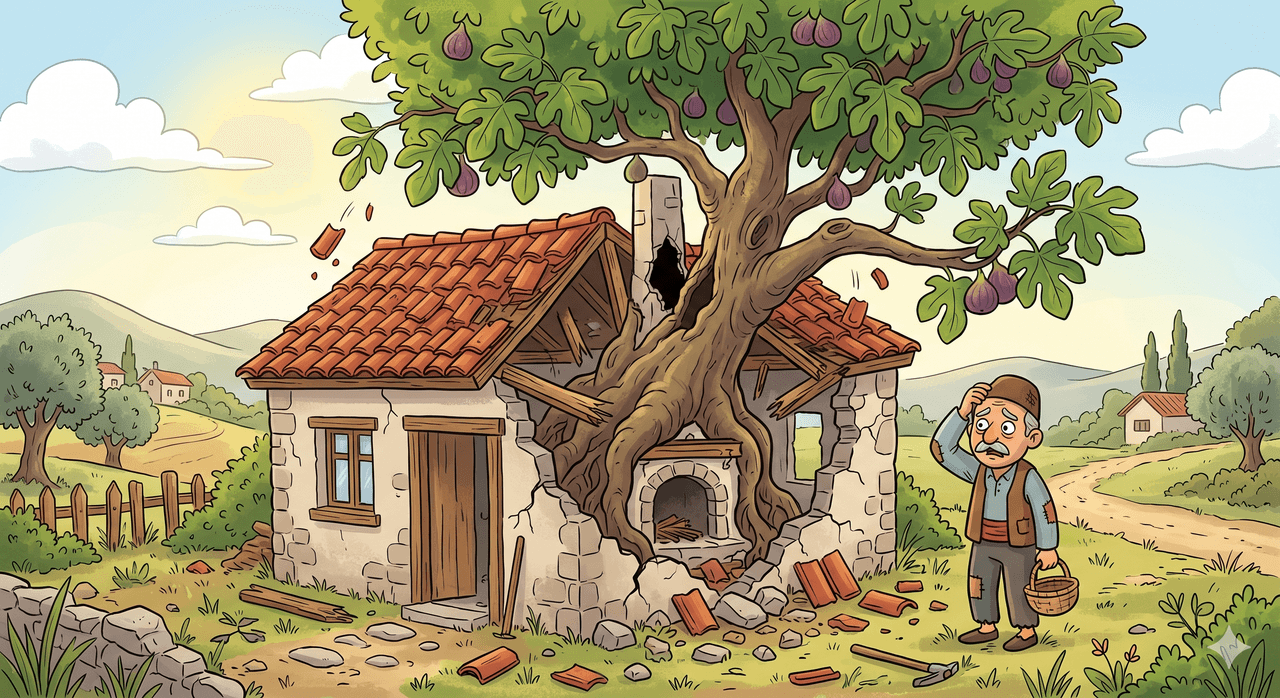
Planting a Fig Tree at the Hearth
In the magical world of words, sometimes a phrase we hear conveys something entirely different. "Ocağına incir dikmek" is a fascinating idiom frequently encountered in our language. At its core, it means to disrupt someone’s established order or to cause them serious harm. But how could the delicious fruit-bearing fig trees possibly be connected to a disturbed arrangement? Let us explore together the origins of this ancient and intriguing expression! Our Cultural Heritage: Idioms and Their Place
ENŞehrinaz İrem Canbaba
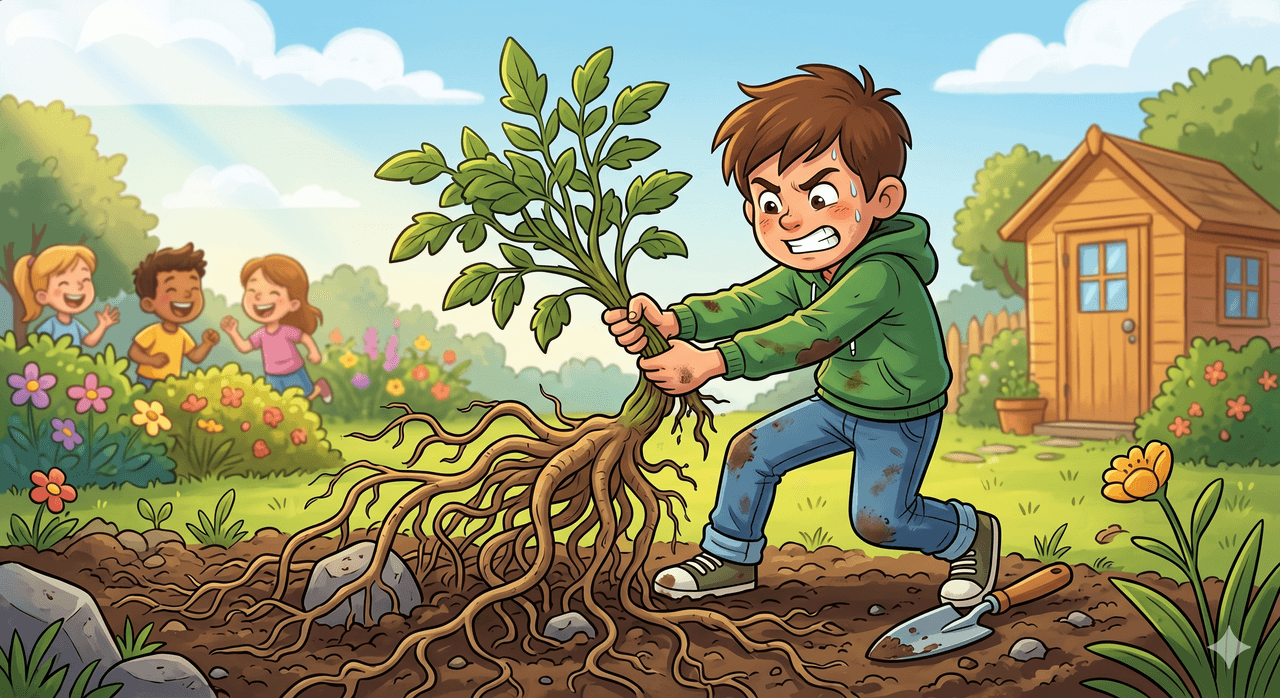
Uprooting
Have you ever found it extremely difficult to get through the stages while playing a game, trying to invent something new, or solving a tough puzzle? Sometimes the situations we face or the tasks we take on exhaust us so much that we feel like giving up. In Turkish, we have a wonderful idiom that describes these challenges in a vivid and colorful way: "Kök söktürmek". (Generated by Artificial Intelligence) " image-element-format="right" image-height="1536" image-source="https://cdn.t3pedia.org/m
ENŞehrinaz İrem Canbaba

To Door Frame
"To open a door" means to introduce a topic and prepare the person you are speaking to for it. Have you ever tried to ease into a conversation by saying, "My old bicycle is starting to feel too small for me," before asking your family for a new one? That moment is precisely when you gently open a door for the real subject you want to discuss! Starting conversations about new and exciting things can sometimes be difficult, which is why this expression comes to our aid in communication. Representa
ENŞehrinaz İrem Canbaba
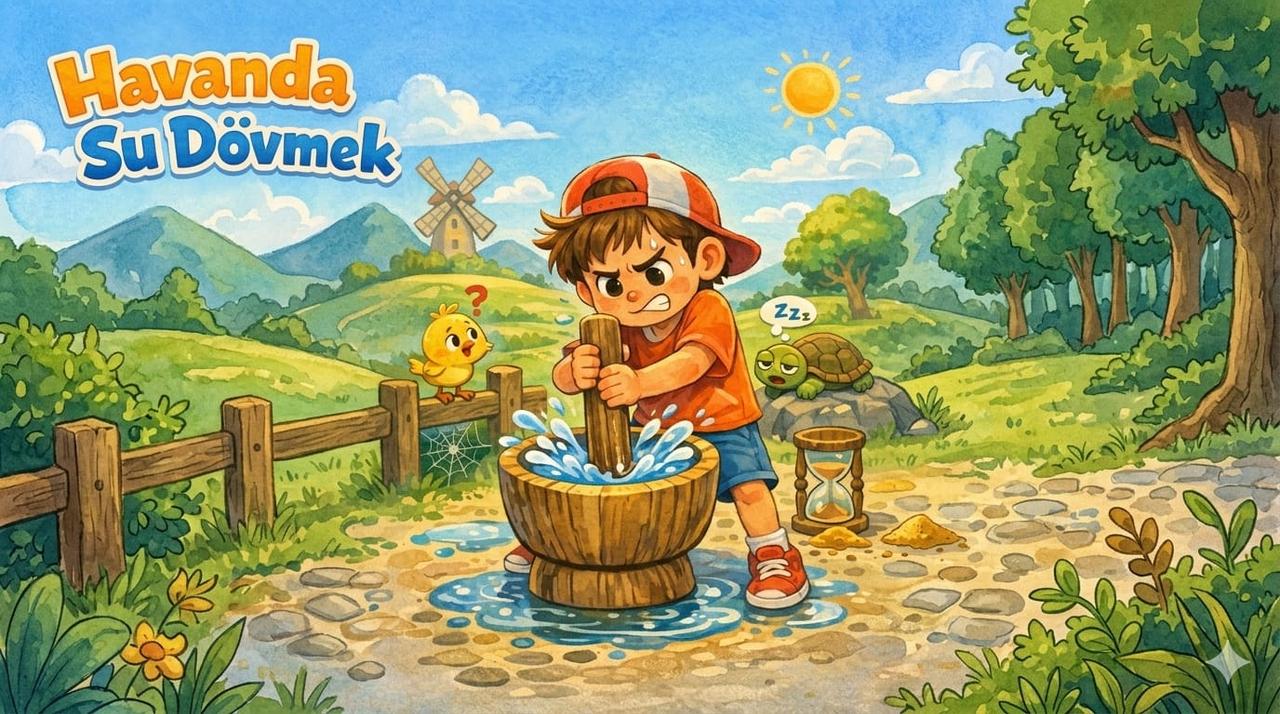
Pouring Water in the Air
Have you ever seen the hollow vessels used in the kitchen to crush garlic or walnuts, known as "havan"? What if you were to fill one of these vessels with water and try to crush it with a mallet? The water would not be crushed; its shape would not change—it would only splash everywhere. This is precisely the situation described by the Turkish idiom havanda su dövmek , which captures this amusing and futile scenario. Let us now step together into the world of this idiom, which has lived in our la
ENŞehrinaz İrem Canbaba
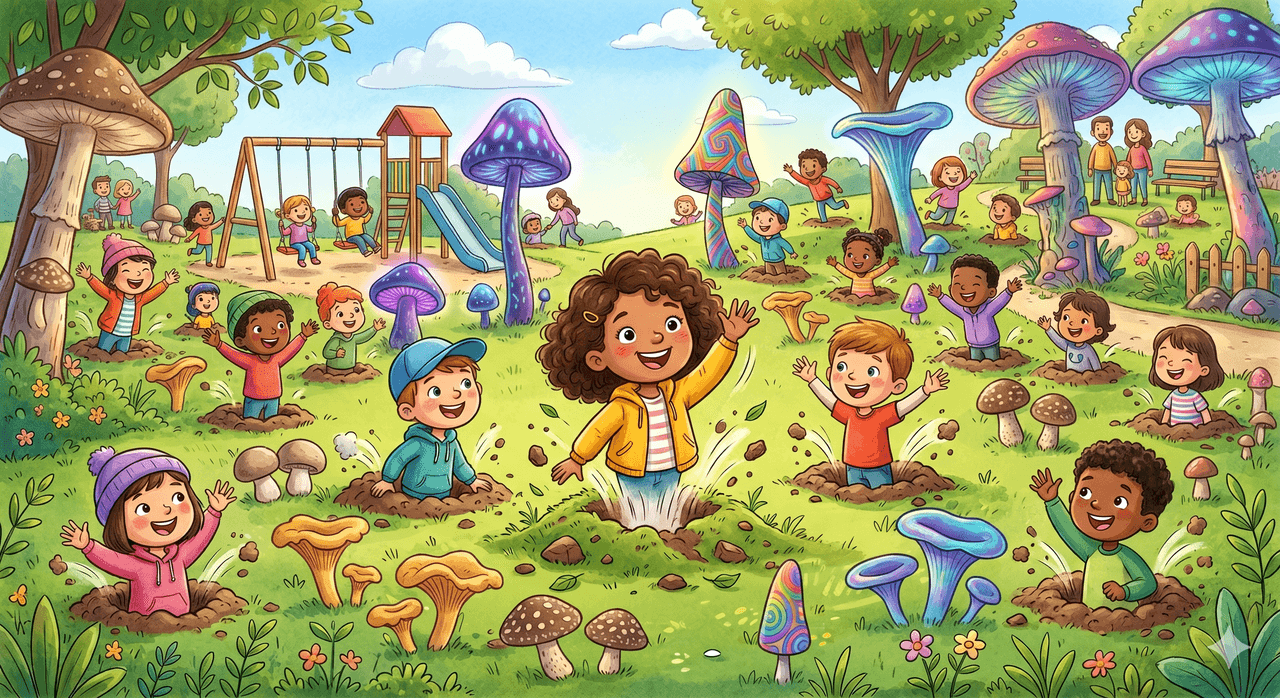
To grow from the ground like a mushroom
Imagine walking through a forest after the rain has fallen. One day earlier, there was nothing on the ground, but the next day you can see countless mushrooms sprouting everywhere. This expression, "to spring up like mushrooms", is a colorful way we use in daily life to describe situations that appear suddenly and unexpectedly, just like these mushrooms. The Origin of This Expression and Its Place in Our Culture Expressions are invaluable parts of our cultural heritage, passed down from generati
ENŞehrinaz İrem Canbaba