

`geopolitical-position` Related Article Results
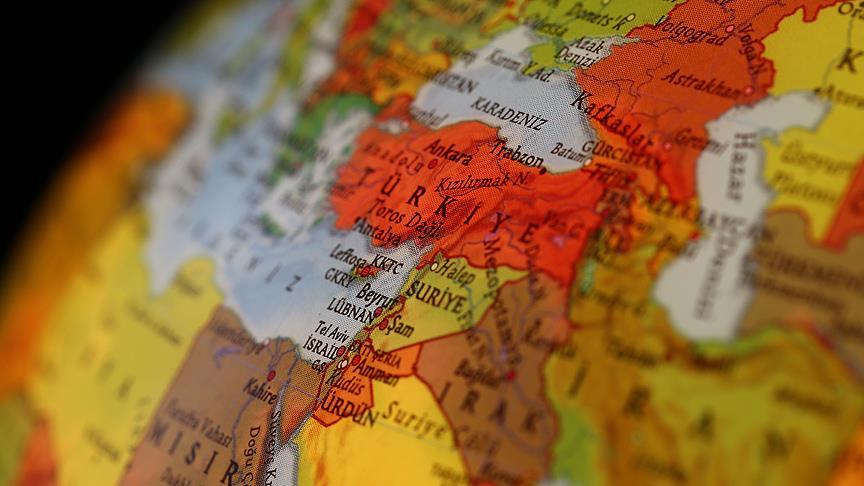
Türkiye's Strategic Culture
Türkiye’s strategic culture is shaped by the interaction of its historical experience, geopolitical position, and political culture. This culture is grounded in long-term thinking, flexibility, and multidimensional balancing policies in decision-making processes. Certain enduring behavioral patterns in Turkish foreign policy constitute the permanent elements of its strategic culture. Historical Background Türkiye’s strategic culture is rooted in a continuous understanding of security and foreign
EN
Fatihhan Adana
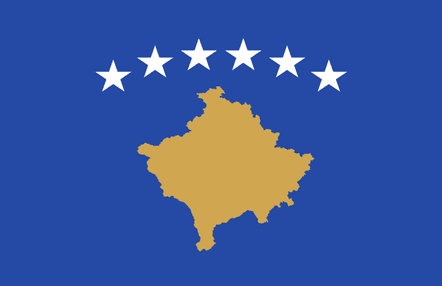
Kosovo
Kosovo, officially the Republic of Kosovo, is a landlocked country located in the Balkan Peninsula. It has a total area of 10,905 square kilometers. Its capital is Pristina, and its official languages are Albanian and Serbian.【1】 Kosovo unilaterally declared its independence on 17 February 2008 following the crises during the dissolution of the Socialist Federal Republic of Yugoslavia and a period of administration by the United Nations. With a young population of 1,585,566, the country has expe
EN
Elhanur KARADAŞ
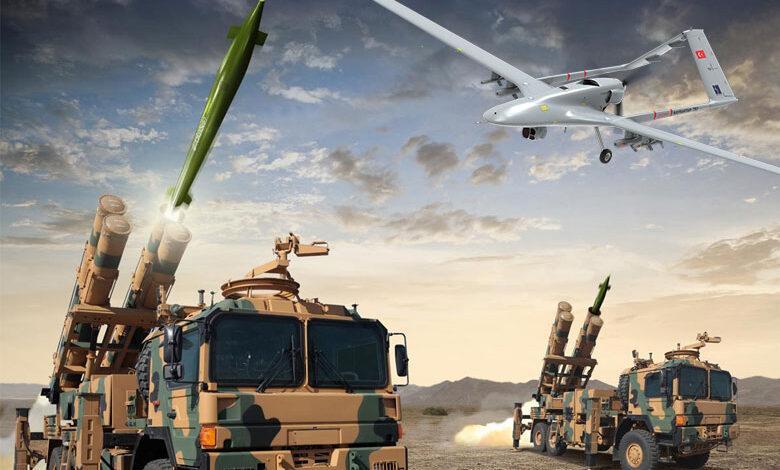
History emerges from the pen of the prepared.
Türkiye is located in a geographic region that connects three continents, with dense and sometimes risky neighboring borders. This strategic position provides our country with significant advantages, while also bringing serious responsibilities and challenges. Throughout history, Türkiye has frequently faced various threats and has understood that ensuring its security requires not only military strength but also technological superiority. Therefore, the development of national and indigenous te
EN
Hatice Mehlika Biten