

`geographicalmark` Related Article Results
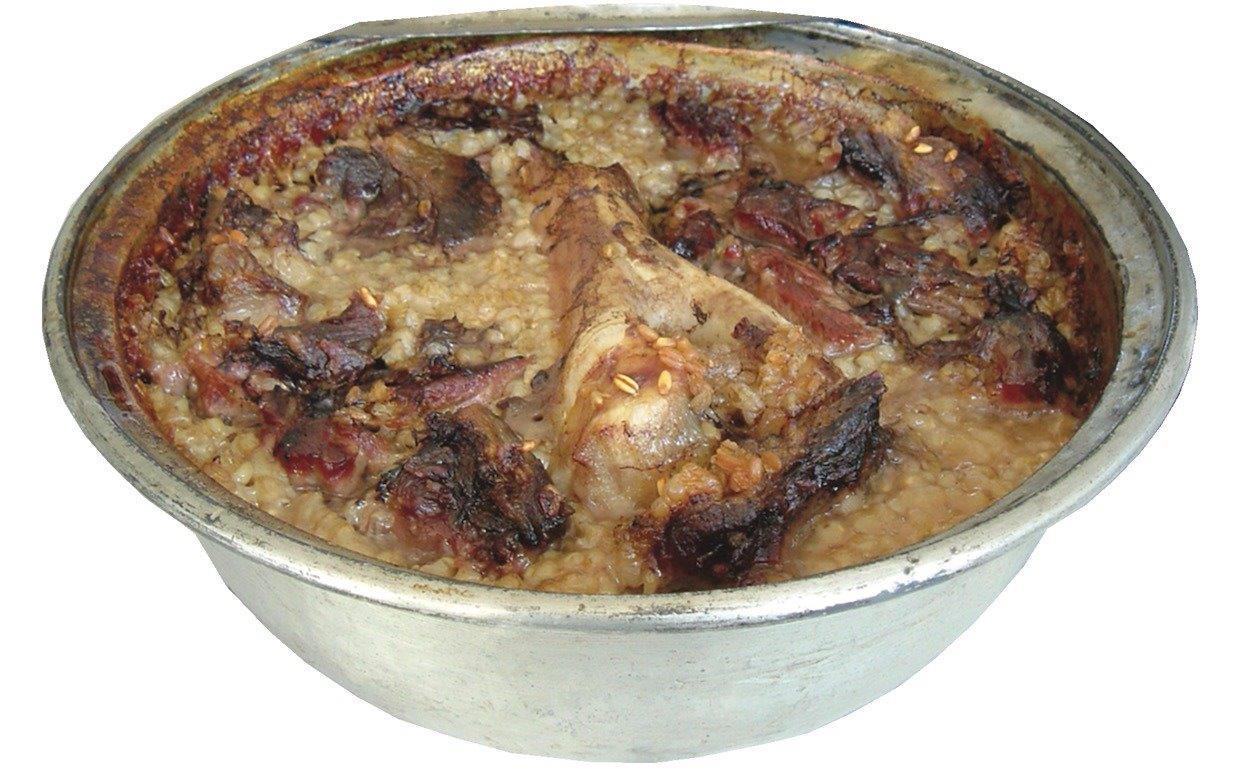
Akşehir Hersesi
Akşehir hersesi is a traditional dish specific to the Akşehir district of Konya Province. Prepared with meat, bone, and cracked wheat and slow-cooked over wood fire for an extended period, this dish represents a significant element of the region’s deep-rooted culinary culture. The product, owned by the Akşehir Municipality, was officially registered as a geographical indication on 7 April 2022 under Law No. 6769 on Industrial Property. The geographical boundary is limited to the Akşehir district
EN
Sinem Bostan

Akçabelen (Çetmi) Sugar Bean
Akçabelen (Çetmi) Sugar Bean is a traditional bean variety cultivated within the boundaries of Beyşehir district in Konya province, Türkiye, particularly in Akçabelen Neighborhood. It was officially registered on 29 August 2019 and is protected under its geographical origin. The registration was carried out by the Akçabelen Village Agricultural Development Cooperative. Geographical indication registration safeguards the product’s uniqueness and quality characteristics under Law No. 6769 on Indus
ENSinem Bostan
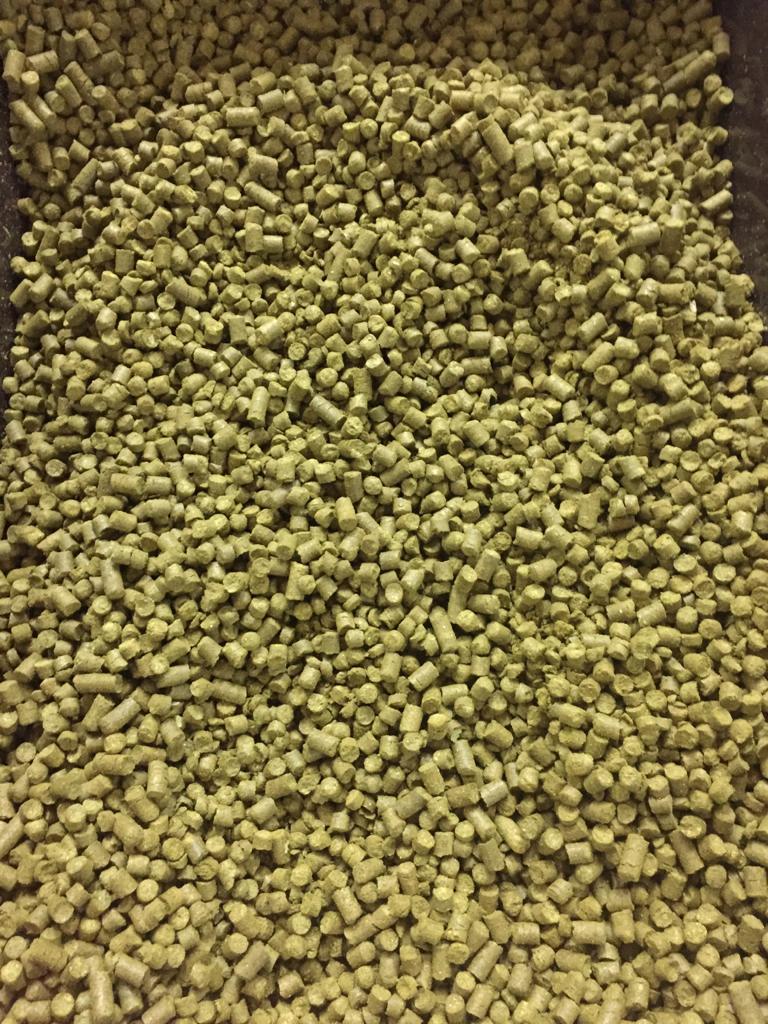
Bilecik Sherbetçiotu
Bilecik hop, isim aldığı Bilecik ilinde üretilen ve coğrafi olarak tescillenmiş bir üründür. Bu ürün, Humulus lupulus adıyla bilinen, tırmanıcı ve çok yıllık bir bitkinin taze kozalaklarının işlenmesiyle elde edilir. Toplanan yaş kozalaklar kurutularak balya veya pelet formuna getirilir. Bitki, 7,5 metreye kadar uzayabilen yapısıyla dikkat çeker ve temmuz ile eylül ayları arasında yeşilimsi beyaz renkte, strobil tipinde çiçekler açar. Bilecik'in coğrafi konumu, hem Marmara hem de İç Anadolu ikli
EN
Nida Üstün
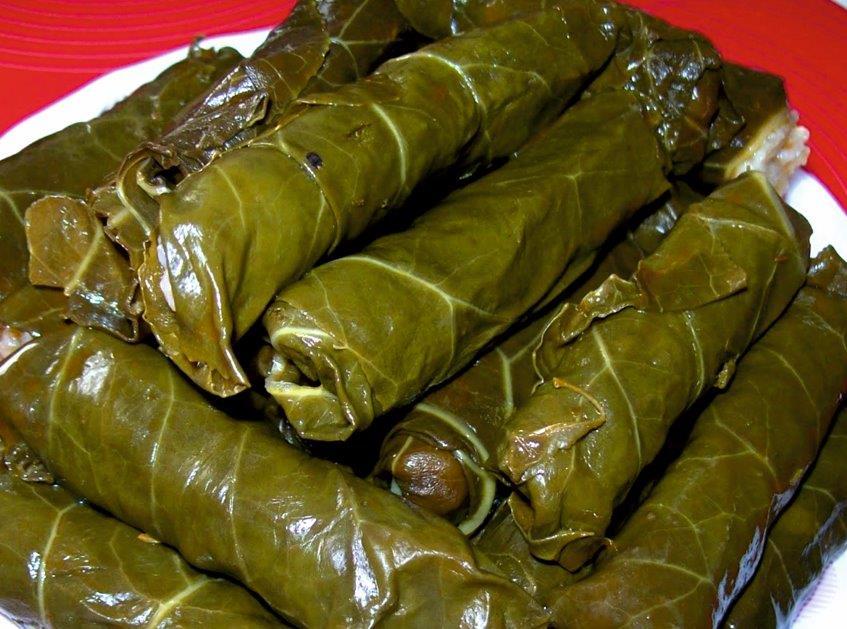
Ordu Olive Oil Stuffed Cabbage Rolls / Ordu Olive Oil Beet Leaves Rolls
Ordu Olive Oil Stuffed Cabbage / Ordu Olive Oil Beet Leaves Roll is a traditional dish specific to Ordu province, made by wrapping rice or bulgur-based filling in cabbage leaves. The cabbage, known in Latin as Brassica oleracea, is also locally referred to as “pancar” in the region. The filling is prepared with dried onion, parsley, garlic, tomato paste, red pepper flakes, black pepper, vegetable oil and salt. The leaves are blanched, wrapped around the filling, and cooked in a pot with hot wate
EN
Sabiha Meyra Şahinler
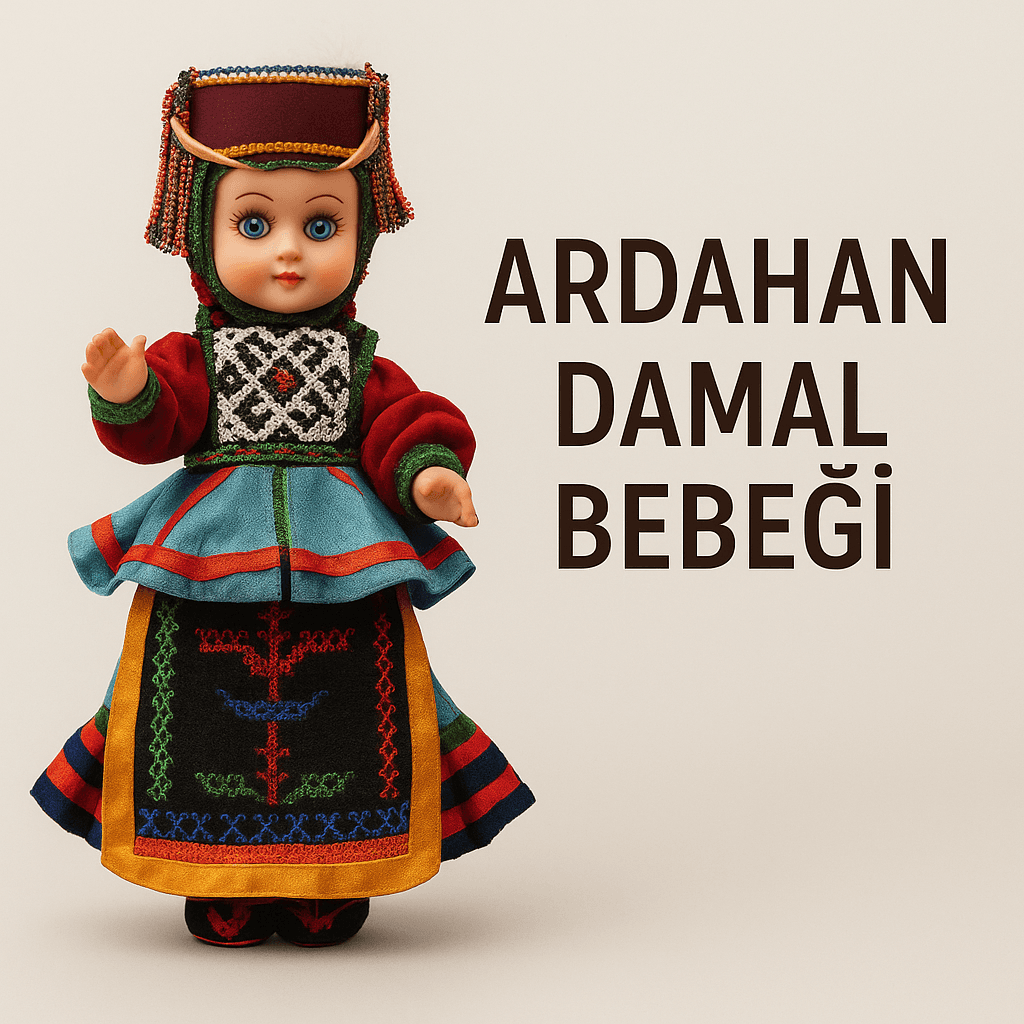
Damal Bebeği
Damal Bebeği is a cultural figure unique to the Damal district of Ardahan province in Türkiye, handcrafted and reflecting traditional women’s attire. Beyond being a toy or decorative item, it is an important intangible cultural heritage element that preserves the region’s folkloric values, traditional crafts, and clothing culture, and serves as a source of livelihood for the local population. In 1996, the Damal Bebeği won first place in the handcraft category at the “Regional Folkloric Dolls” co
EN
Işılay Deniz
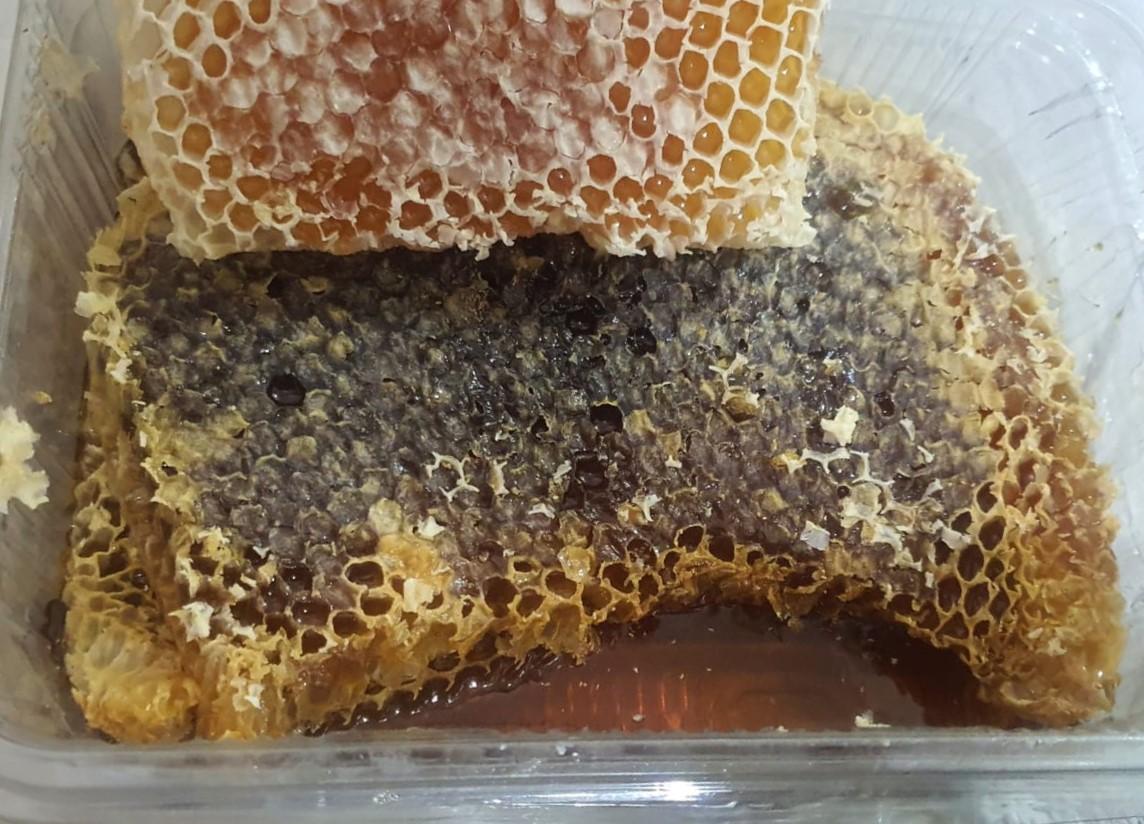
Niğde Geven Honey
Niğde Geven Honey is a floral honey variety produced by bees collecting nectar from the geven plant and other flowering plants. Following an application by the Niğde Province Beekeepers Union, it was officially registered on 12 December 2025 with a geographical indication certificate as a name of origin. Geographical Boundary and Protection The geographical boundary is limited to Niğde Province. To preserve the product’s high quality and prevent any physical, chemical or sensory organoleptic cha
EN
Sema Koçal

Çermik Pepper
Çermik Pepper is a red-colored, thin-skinned variety of pepper cultivated in the Diyarbakır district of Çermik. After drying, it is ground and used in the production of flaked pepper, powdered pepper, and pepper paste. It has a spicy flavor profile. Geographical Origin and Cultivation Area The production area of Çermik Pepper is limited to the Çermik district of Diyarbakır. In addition to local market sales, approximately 250 kilograms per week are exported to several European countries, primari
EN
Zelal Çakar
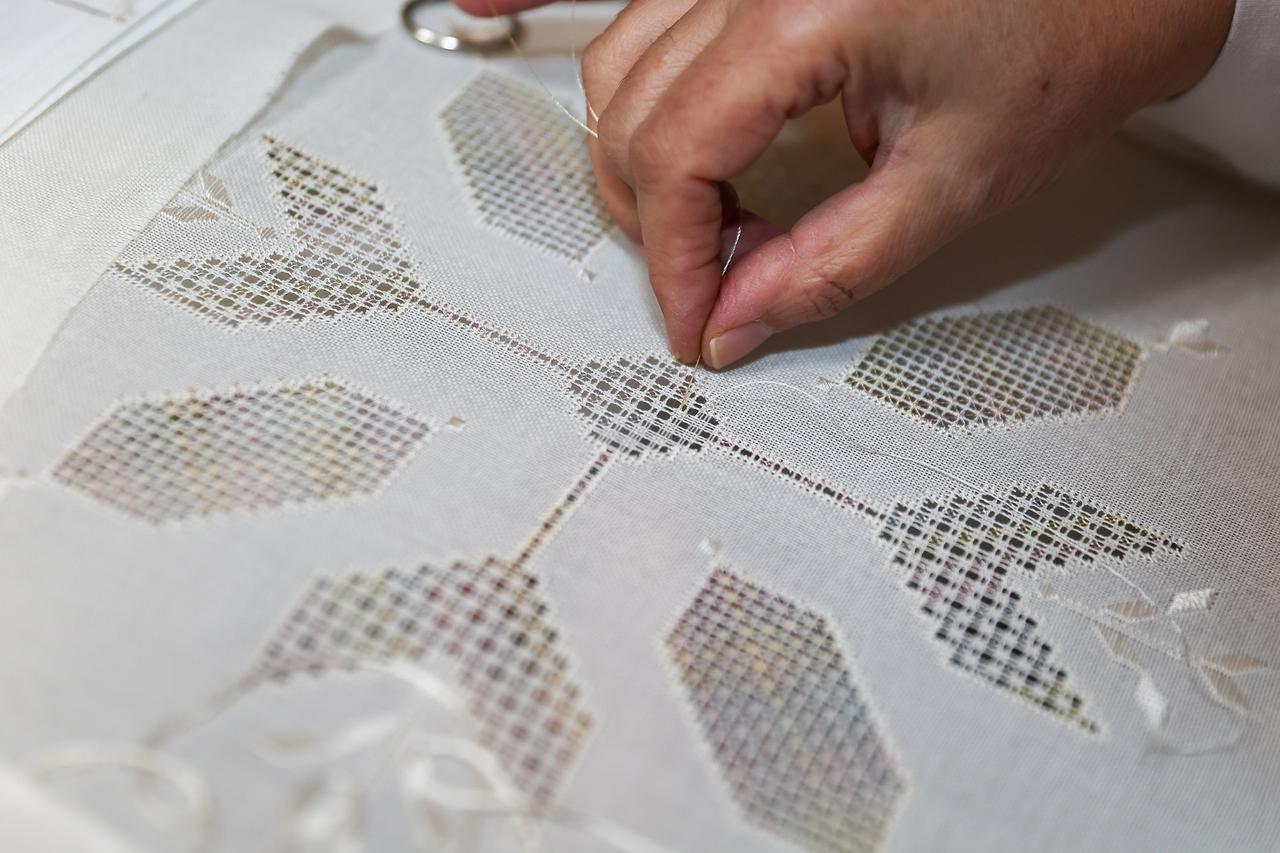
Antep İşi Embroidery
Antep İşi Embroidery is a type of embroidery unique to the Gaziantep region, created by pulling and counting threads from the fabric. Traditional Antep İşi is worked in white, yellow, and cream threads on white or cream fabric, while Colorful Antep İşi is enriched with threads of various colors using susma and ajur techniques. Designs are inspired by nature, geometric shapes, carpet and kilim motifs, and figurative elements. Each piece is individualized by the creativity of the artisan, resultin
EN
Elif Laçin
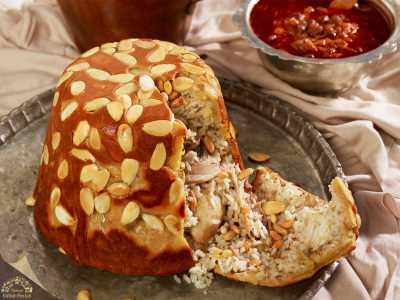
Curtain Rice
Perde Pilav is one of the most refined and delicious dishes in Turkish cuisine, adorning tables for centuries. This traditional delicacy, closely associated with Siirt, attracts attention with its rich aroma that delights the palate and its visually striking presentation. Named after the thin dough layer, called “perde,” that envelops the rice, this dish is known as a festive meal prepared for special occasions and offered to guests. Perde Pilav features rice sautéed in butter, mixed with fried
EN
Yunus Emre Sağlam