

`genetic` Related Article Results
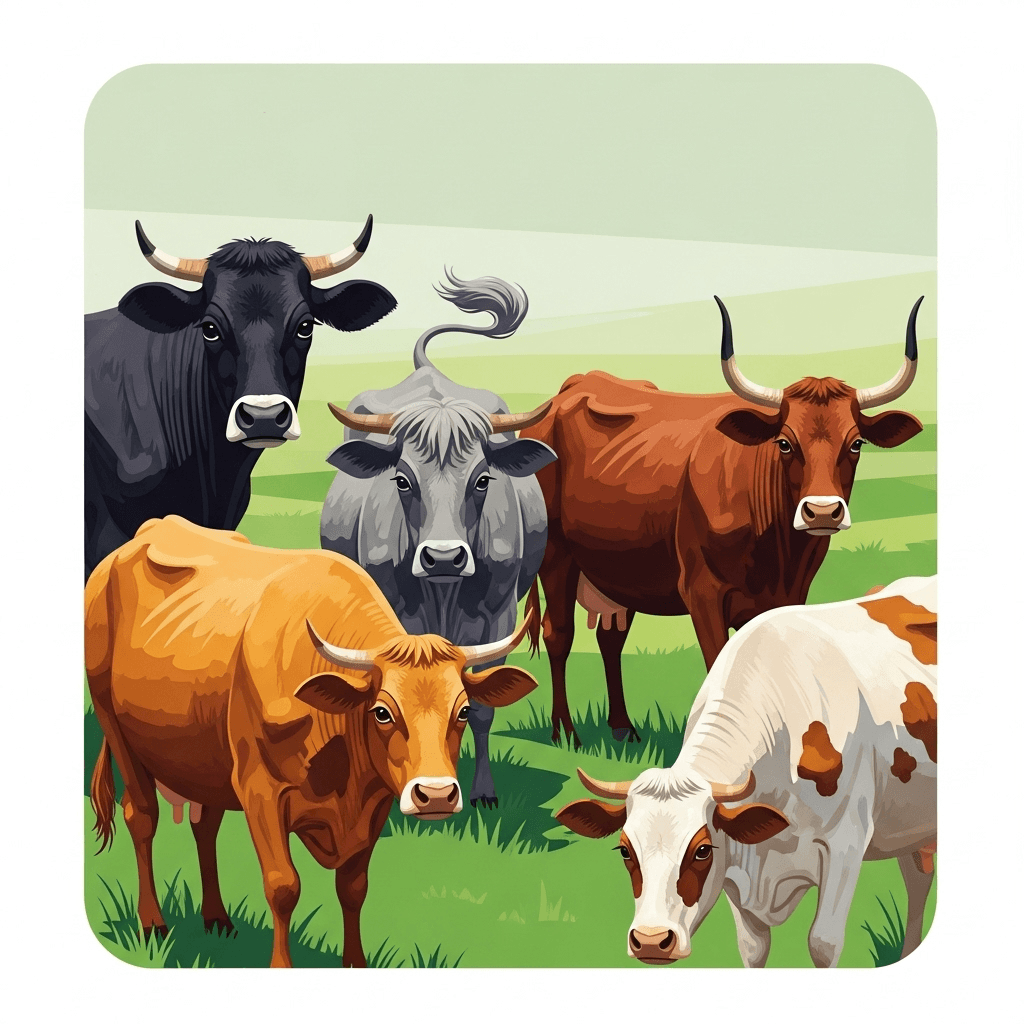
Native Cattle Breeds of Türkiye
Anatolia is recognized as one of the regions where many domesticated livestock animals, including cattle, were first domesticated. The cattle populations that spread from here formed the genetic foundation of Türkiye’s native breeds. These breeds are distinguished by their high adaptability to the harsh climatic and environmental conditions of their regions, natural resistance to diseases, and ability to utilize low-quality feed. However, over time, increasing interest in higher-yielding exotic
EN
Yunus Emre Yüce
 Ge
GeGenetic Compensation
Genetic compensation is a biological mechanism that enables an organism to maintain its viability and fitness despite genetic or environmental disruptions. In molecular biology, this concept is defined as a resistance mechanism developed against genetic mutations, while in evolutionary biology and ecology, it is regarded as an adaptive evolutionary process that preserves the ancestral phenotype under changing environmental conditions. Genetic Compensation in Molecular Biology At the molecular le
EN
Emine Nur ERDEM
TeTelomerase
Telomerase is a ribonucleoprotein complex that synthesizes DNA repeat sequences at chromosome ends, thereby preventing telomere shortening and playing a central role in determining cellular lifespan. This structure is active in numerous biological processes, primarily human cell division, aging, cancer, and immune system regulation. Telomeres consist of repetitive DNA sequences located at the ends of chromosomal DNA and shorten slightly with each cell division. In cells where telomerase is activ
EN
Bekir Öztürk

Tourette Syndrome
Tourette (Turet) Syndrome (TS) is a neurodevelopmental disorder affecting the central nervous system. Characterized by involuntary motor and vocal tics, this syndrome typically begins in childhood and follows a fluctuating course over time. It is approximately five times more common in boys than in girls. This article examines the diagnostic criteria, etiology, pathophysiology, clinical course, and treatment approaches of TS. Definition and Tics The primary clinical feature of Tourette Syndrome
EN
Miray GÜR
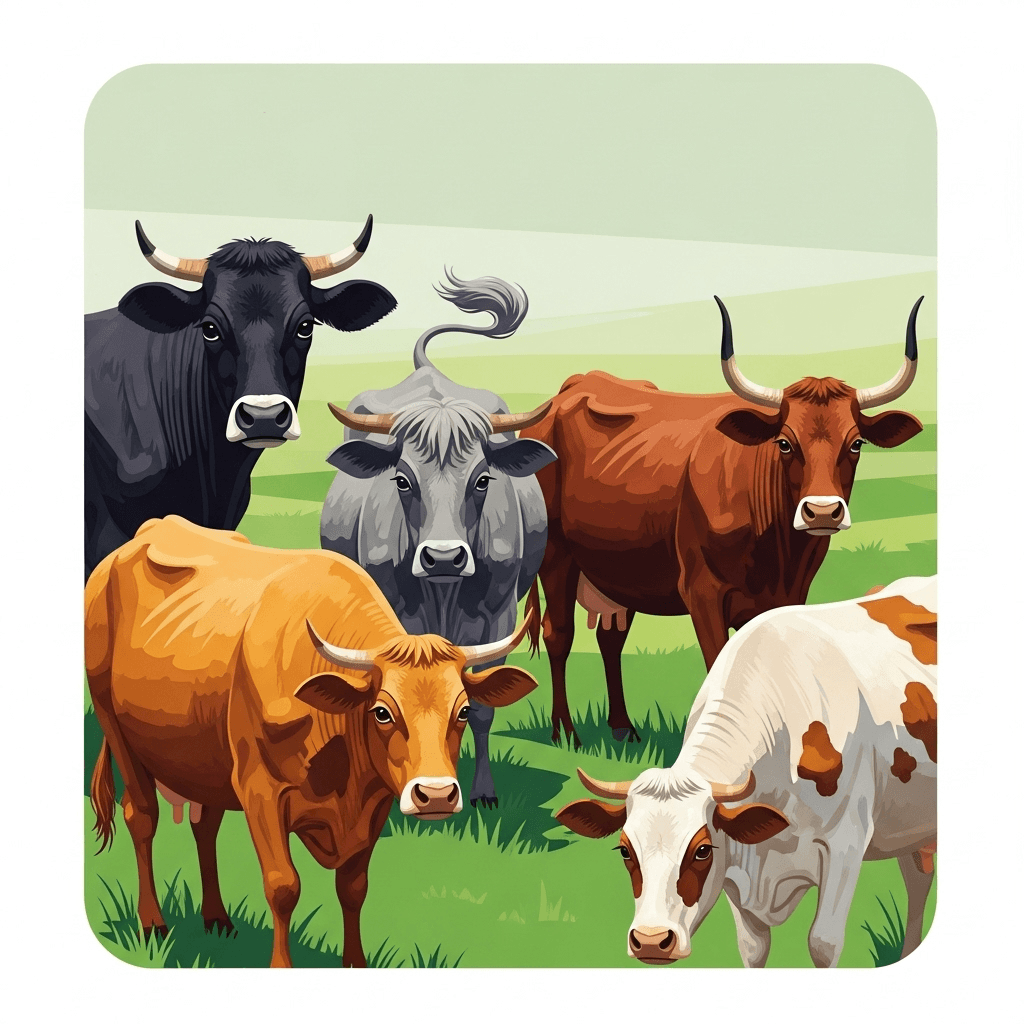
Native Cattle Breeds of Türkiye
Anatolian geography is recognized as one of the regions where many domesticated livestock animals including cattle were first domesticated. The cattle populations that spread from here formed the genetic foundation of Türkiye's native breeds. These breeds are distinguished by their high adaptability to the harsh climatic and environmental conditions of their regions natural resistance to diseases and ability to utilize low-quality feed. However over time increased interest in higher-yielding exo
ENYunus Emre Yüce

Genetic Disorder
Genetic disorders are health conditions caused by changes in an individual’s hereditary material (DNA). These changes may manifest as mutations in a single gene, the combined effect of multiple genes, or chromosomal abnormalities. Genetic disorders can be inherited directly through genetic transmission or may arise from new mutations. These disorders can affect a wide range of conditions, from neuropsychiatric illnesses and metabolic syndromes to developmental delays and behavioral disturbances.
EN
Şevket Kaynar

What is DNA?
DNA (Deoxyribonucleic Acid) is the molecule that carries the genetic information determining the structure and characteristics of living organisms. It is found in the nucleus of our cells and functions like a “manual” that dictates how our body operates. The Discovery of DNA The double helix structure of DNA was discovered in 1953 by James Watson and Francis Crick. This discovery marked a pivotal turning point in the development of genetics. The Structure of the DNA Molecule DNA consists of two
EN
Fatma Köroğlu