

`food-technology` Related Article Results
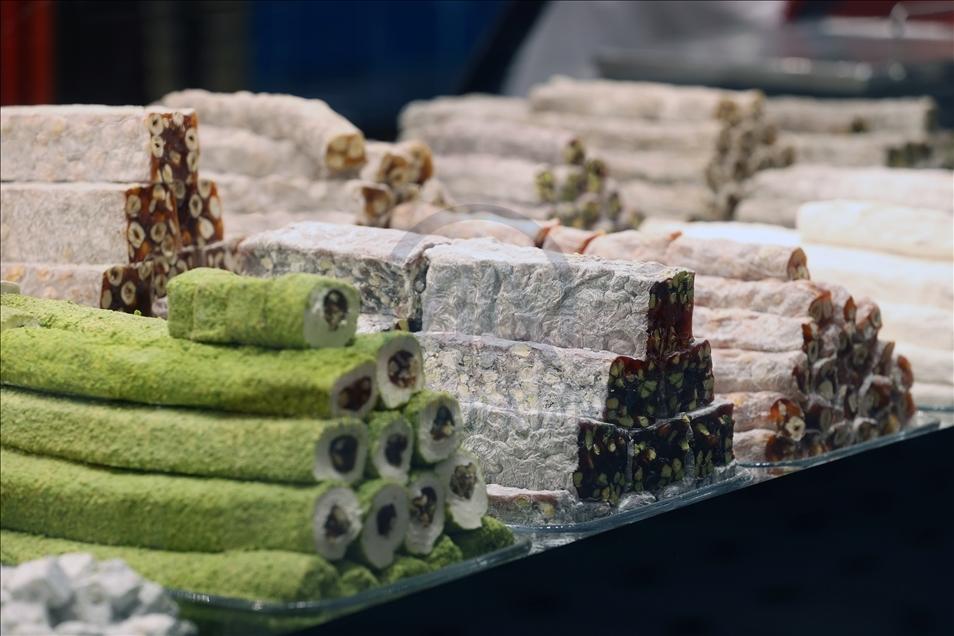
Turkish Lokum
Turkish Delight is a confection made by mixing sugar, water, starch, and acid regulators in specific proportions and cooking them to produce a soft, elastic, and chewable sweet. Citric acid (lemon salt), tartaric acid, or potassium bitartrate (cream of tartar) may be used in its production. Optional additives such as fruit pieces, rose petals, flower extracts, hazelnuts, pistachios, walnuts, coconut, and kaymak may be added according to preference. According to the Turkish Food Code, Turkish Del
EN
Zelal Çakar

Umami
Umami is a Japanese term meaning “delicious” or “pleasant taste,” recognized as one of the fundamental components of taste. Considered the fifth basic taste alongside sour, sweet, bitter, and salty, umami is primarily associated with amino acids and nucleotides such as glutamate, inosinate, and guanylate. It presents a savory, meaty, and lingering flavor profile. The scientific definition of this taste was established in the early 20th century by Japanese scientist Kikunae Ikeda, who identified
EN
Sümeyye Akkanat Terzioğlu