

`folkliterature` Related Article Results
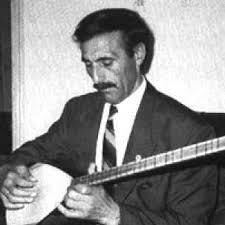
Şeref Taşlıova
Şeref Taşlıova was born in the village of Gülyüzü, within the Çıldır district of Kars Province (now within the boundaries of Ardahan), in a settlement known locally as “Pekreşen.” His father was Hacı, a migrant from Borçalı, and his mother was Nergis Hanım. His family had migrated from the village of Salahlı in the Caucasus to Türkiye and belonged to the community known in the Kars region as “Terekeme.” His grandfather Halil Efendi’s interest in folk poetry played a decisive role in shaping his
EN
Sümeyye Akkanat Terzioğlu
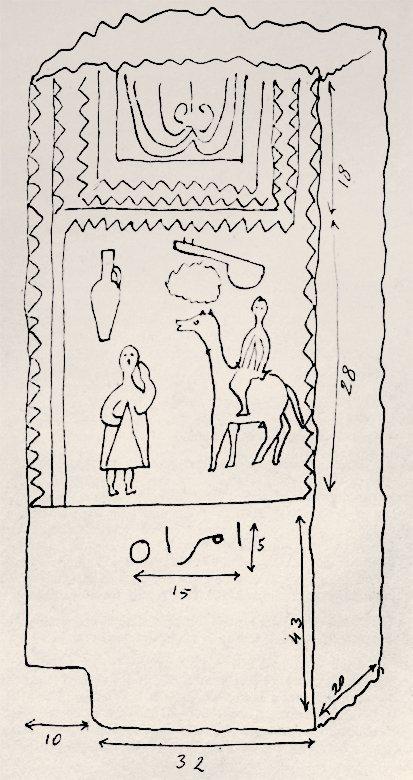
The Story of Emrah and Selvihan
The Story of Emrah and Selvihan is a folk tale from Turkish folk literature that belongs to the tradition of courtship, combining both prose and poetry. The tale is associated with Emrah of Erciş and is among the widely told love-themed folk stories across Anatolia. Emrah of Erciş Emrah of Erciş is a folk poet traditionally believed to have lived in the 17th century and associated with the Erciş district of Van. He is recognized as an âşık who was trained in the âşıklık tradition, playing the sa
EN
Rabia Dalkıran
 Yo
YoYoung Osman Ballad
Genç Osman Türküsü is an epic folk ballad that recounts the heroism of a young warrior from Aksaray who fell martyr during the Baghdad Campaign conducted by the Ottoman Empire in the 17th century. The lyrics and story of the ballad have been preserved in various versions across different regions of Anatolia. The Story of Genç Osman Born in 1621 in the village of Dorikini in Aksaray, Osman lost his father at a young age and was raised by his mother. He excelled in wrestling, archery, and swordsma
EN
Eyüp Ecmel Acat
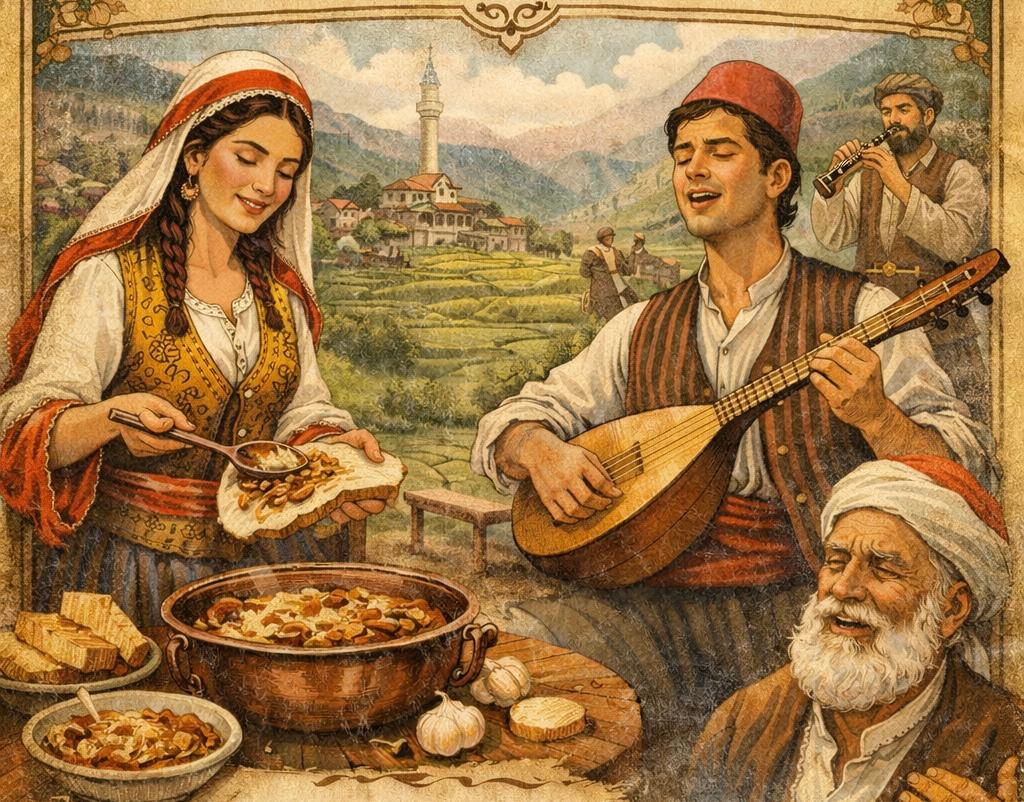
Tiridine Bandım (Folk Song)
Tiridine Bandım is an anonymous folk song from the Anatolian folk music repertoire, associated with the Kastamonu region and its surroundings in terms of both lyrics and melody. The song emerged within the oral culture tradition and contains narrative elements reflecting local life practices and social relationships. Everyday speech patterns, regional linguistic features, and narrative structure reveal characteristics of the cultural environment in which the song developed. Origin and Historical
EN
Beyza Başar

Shahmaran (Shahmeran) Legend
The Shahmaran Legend; a traditional narrative cherished and preserved through oral and written cultural traditions within Turkish storytelling, reaching the present day in various forms.【1】 The mythical creature known as Shahmaran or Shahmeran, described as having a human head—largely female—and a serpent’s body, derives from the Persian expression “Shah-i Mârân,” meaning “king of serpents.” In Semitic legends, this being is referred to as “Yamliha,” a name carrying the meanings “to rule” or “to
ENTalha Yıldırım
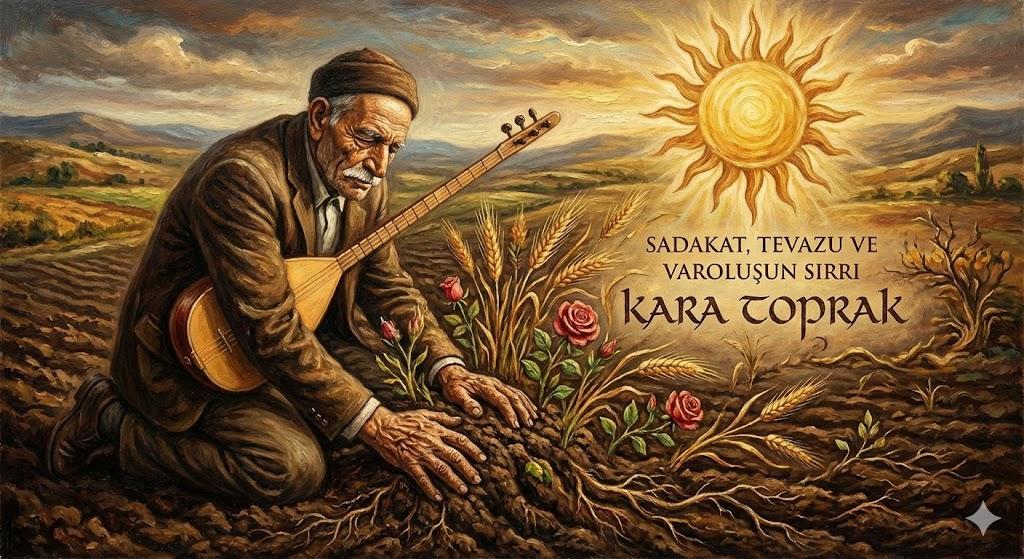
The Sage of Saz and Soil: An Existential Analysis of Âşık Veysel’s Poem “Kara Toprak”
Within the thousand-year tradition of Turkish folk poetry, the ancient bond between nature and humanity has never acquired a depth of meaning as profound as that expressed through the saz of Âşık Veysel. A life that began in 1894 in the Şarkışla district of Sivas and was plunged into darkness at the age of seven due to smallpox ultimately gave rise to the most luminous philosophy of nature in Turkish literature. The pinnacle of this philosophy is undoubtedly the poem “Kara Toprak,” which defines
EN
Bahtiyar Bora ERGÜN
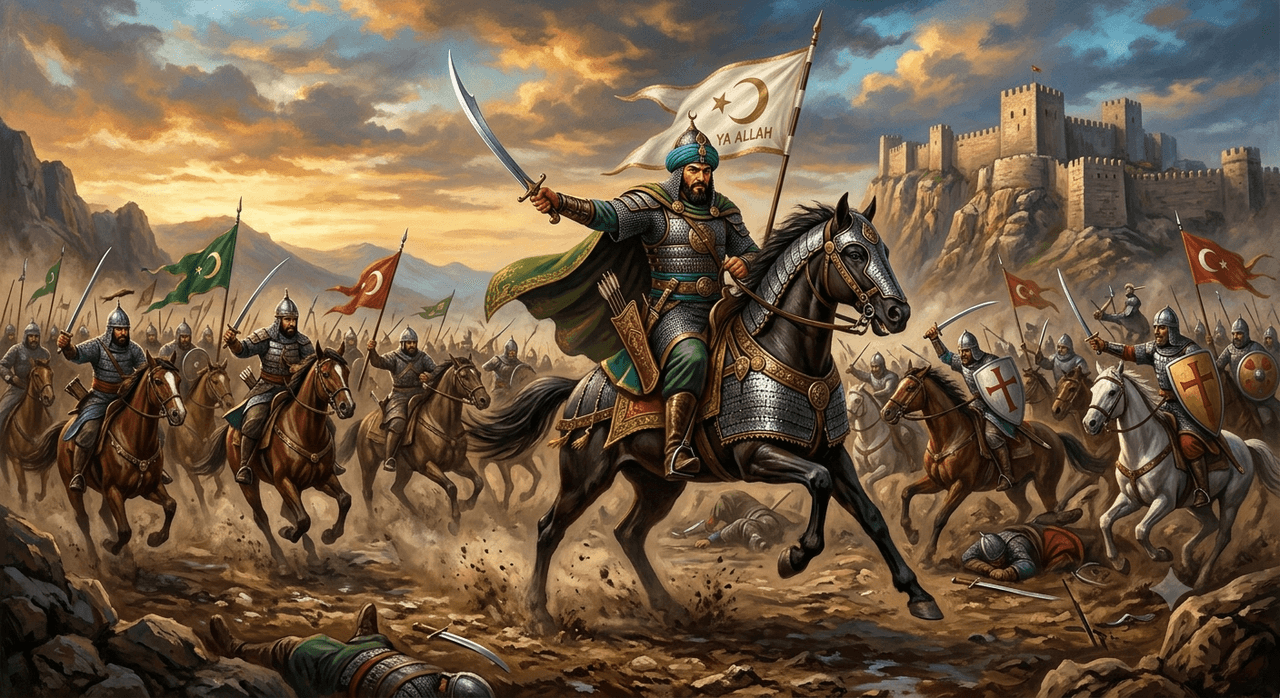
Epic of Battal Gazi
Battal Gazi Epic is an epic folk tale that recounts the military and religious campaigns of the historical hero Battal Gazi, who gained fame in the 8th century for his achievements during the Umayyad-Byzantine wars, in his efforts to spread and defend Islam. This work is also known by various titles such as Menakıb-ı Gaazavâtı -ı Seyyid Battal Gazi, Hikayet-i Seyyid Battal Gazi, Seyyid Battal Gazi Menkıbeleri, and Kitab-ı Battal Gazi. Its longest and most complete title is recorded as "Hazret-i
ENTalha Yıldırım