

`folk-culture` Related Article Results
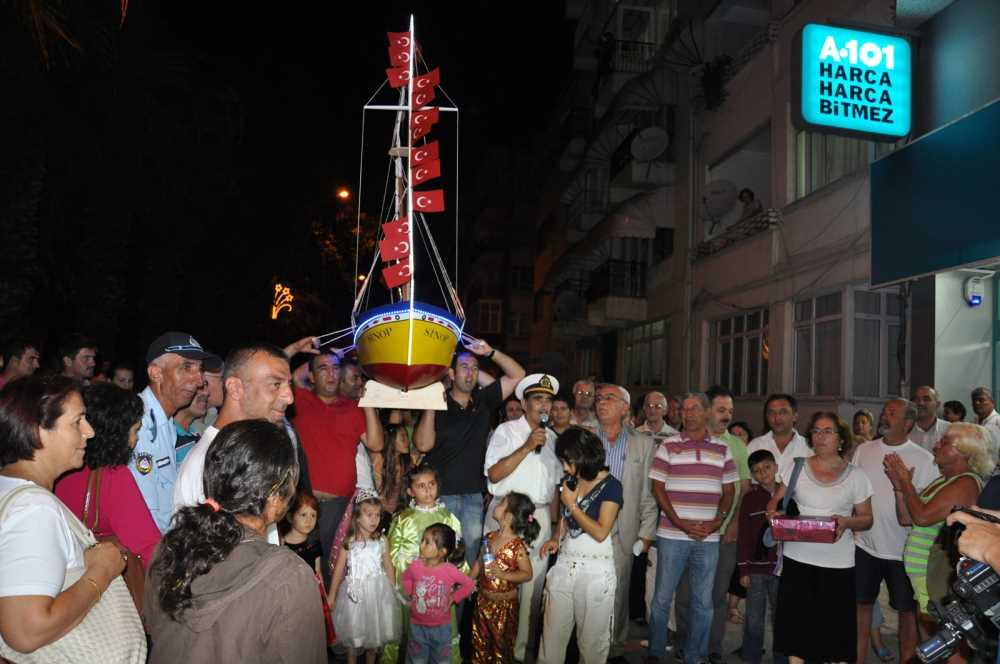
Helesa Tradition
The Helesa tradition is a traditional practice observed on the fifteenth night of Ramadan in the Gerze district of Sinop province, Türkiye, which fosters social solidarity and preserves cultural values. Known locally as “Heyamola” or simply “Helesa,” this event is an important element of folk culture passed down from generation to generation in Sinop and its surroundings. Origin and Meaning According to legend, the Helesa tradition originates from an incident in which sailors in the Black Sea we
EN
Zeynep Şule Bingöl
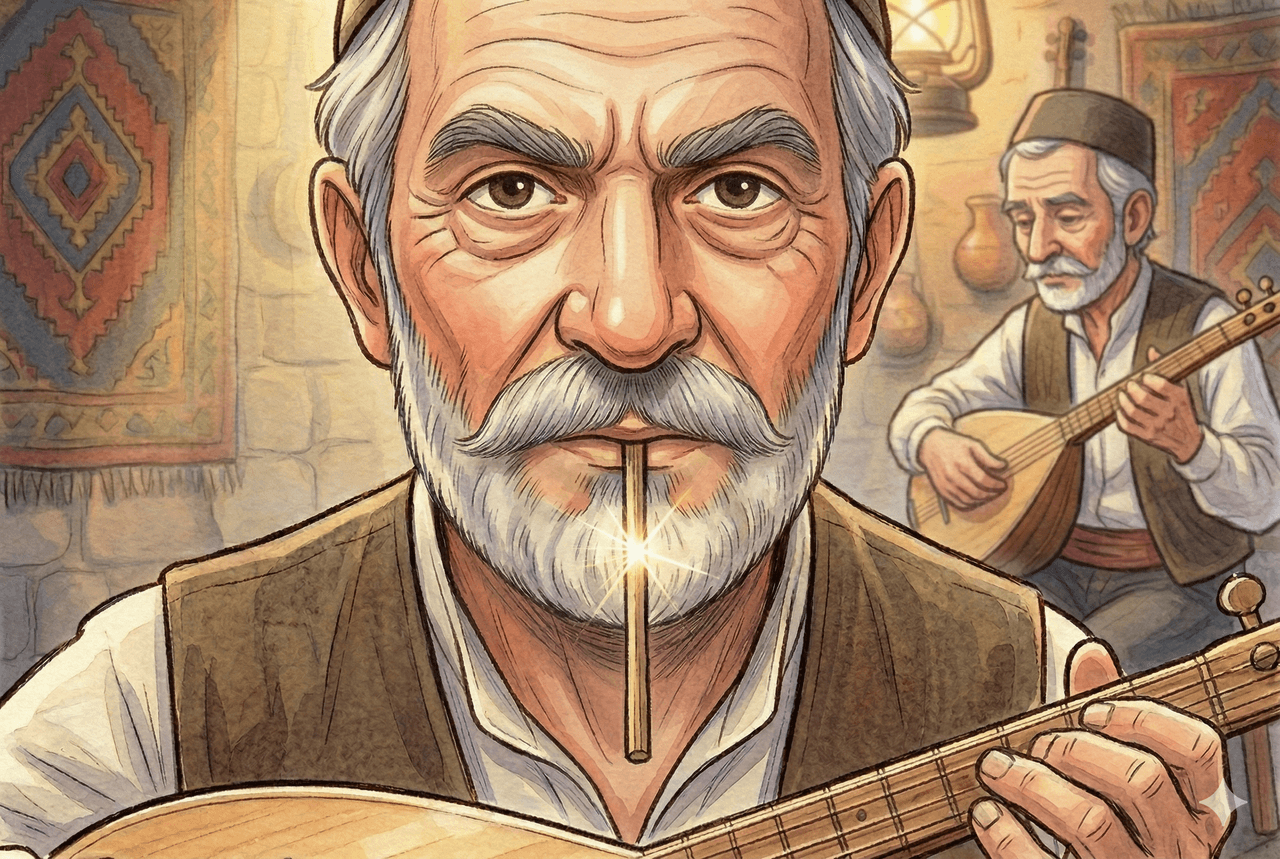
Lebdeğmez (Lip-Not-Touched) Tradition
Have you ever tried speaking without letting your lips touch each other or biting your lower lip? Have you ever wondered how you would say words like “Baba” or “Meyve,” which contain the letters “B” or “M,” without moving your lips at all? Isn’t that quite difficult? For centuries, our folk poets in Anatolia and neighboring regions have mastered this challenge. The tradition of poets competing by reciting poetry to each other without using the labial consonants "b, p, m, v, f" is known as lebdeğ
EN
Esra Nur Bulut
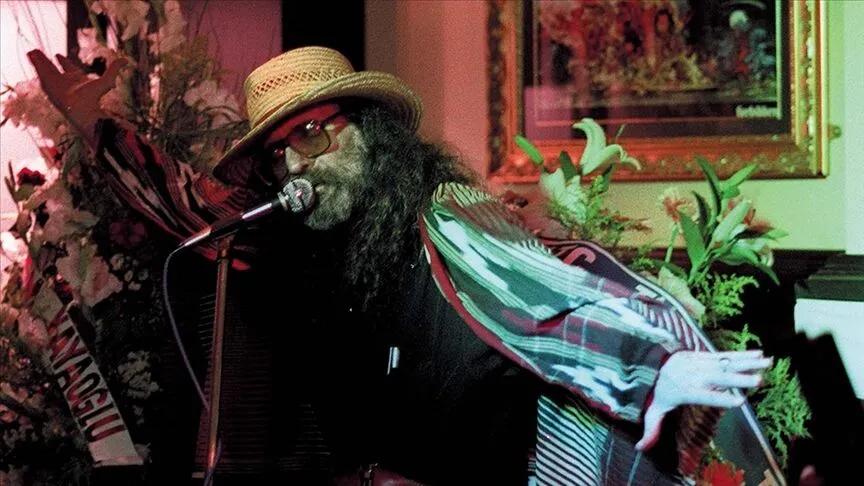
The Dervish of Rock Music: Cem Karaca
When we cry, laugh, or feel sorrow, the voice that has always been beside us is that of the 20th–21st century dervish Cem Karaca. Would you like to take a closer look at him alongside Barış Manço? After reading about Barış Manço, I wanted to embark with you on a deep journey into the life of Cem Karaca, one of the most unique figures in Turkish music. He was a true "Anadolu rock poet," blending the thousand-year breath of Anatolia with the tones of rock. Entering the Heart of Art: Toto and Mehme
EN
Gözde Cabadak
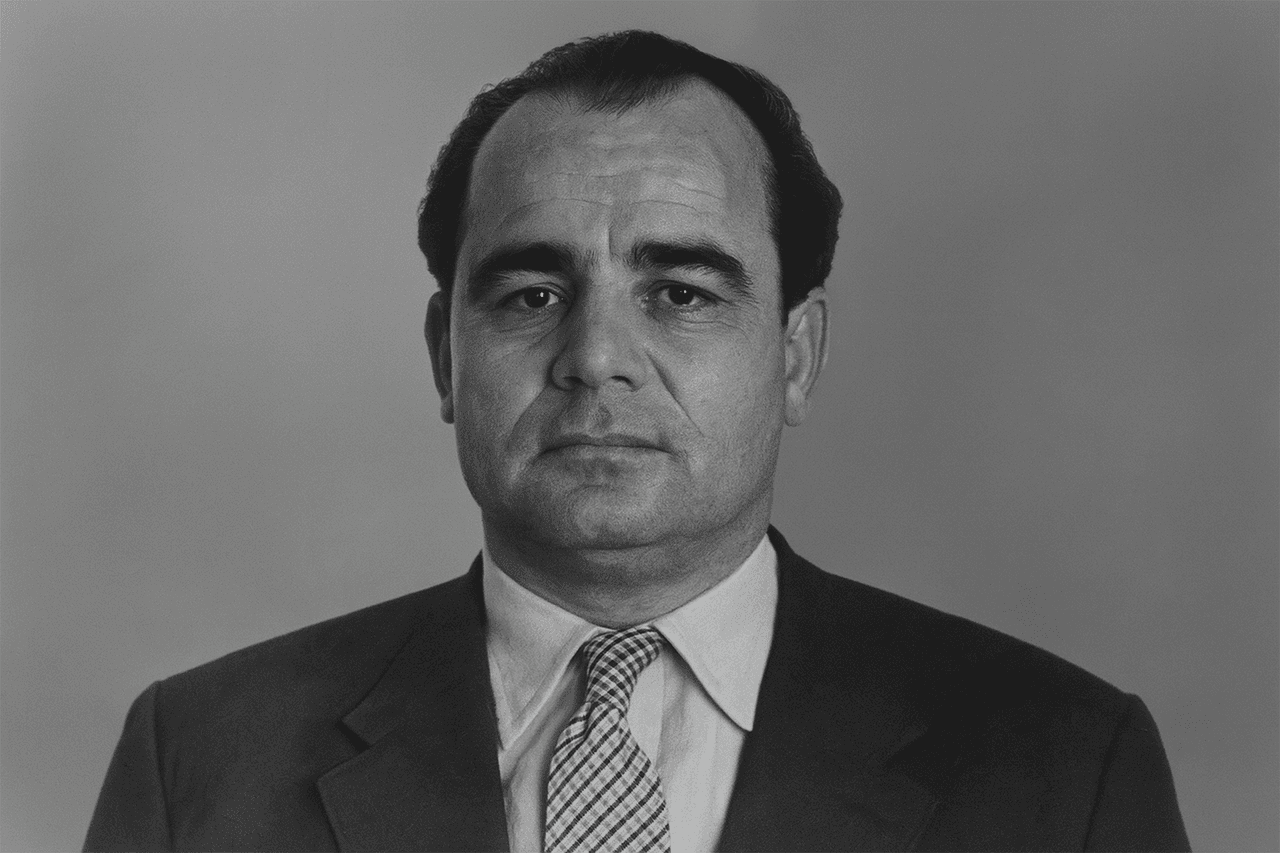
Behçet Kemal Çağlar
Behçet Kemal Çağlar was a poet, writer, engineer, and member of parliament who played an active role in the political and cultural life of the Republic era. He held various positions including inspector of Halkevleri, deputy of Erzincan, teacher, and manager of TRT. In his poetry he explored Anatolia, folk culture, and the values of the Republic. He co-authored the “10th Year March” with Faruk Nafiz Çamlıbel and incorporated simple language and folk poetry forms into his literary output. His dev
EN
Yunus Emre Sağlam
The Pendle Witch Trials
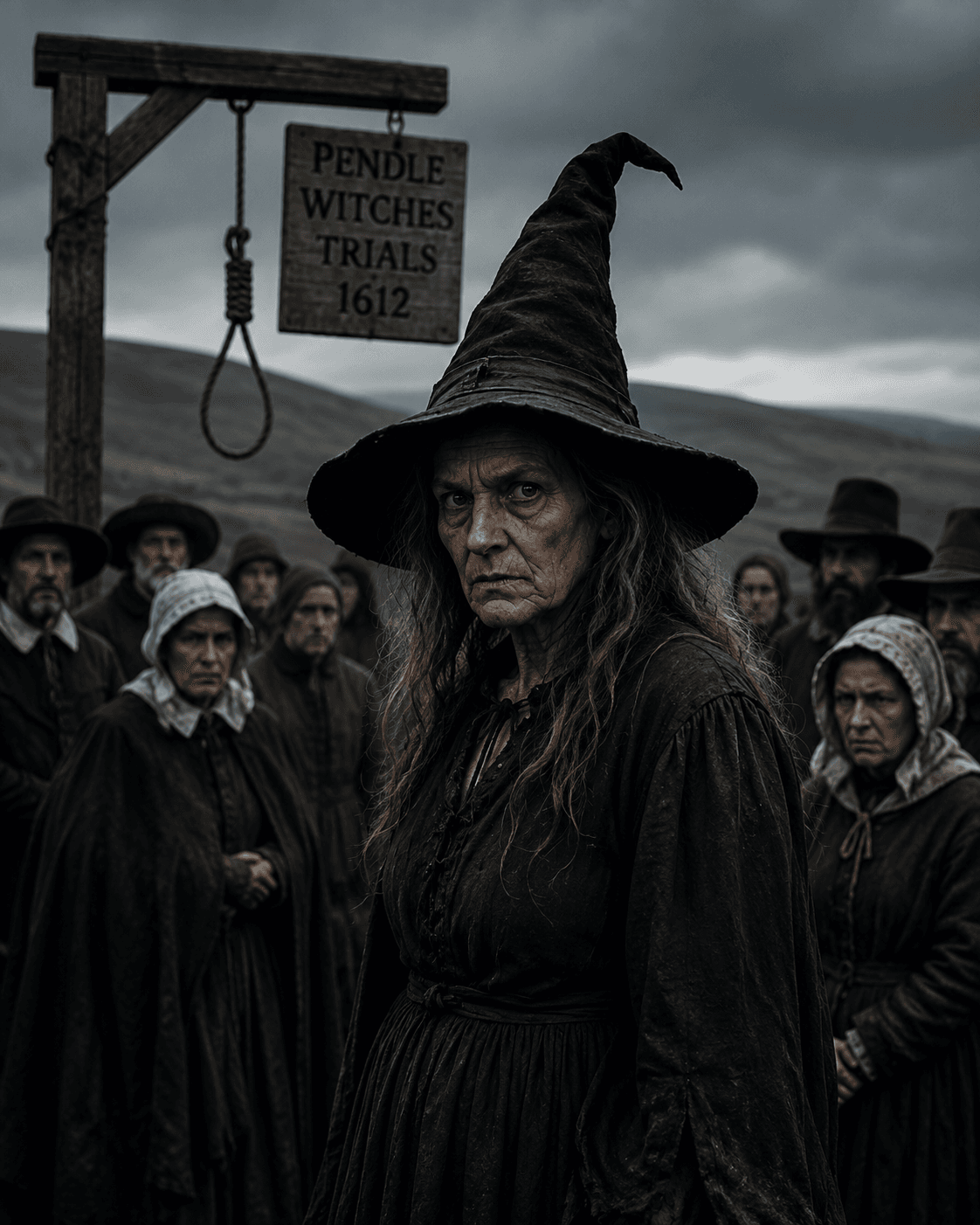
The Pendle Witch Trials, which took place in 1612 in the county of Lancashire, England, are among the most extensive witch trials in the country’s history. Considering that fewer than 500 people were executed for witchcraft over a period of more than 300 years in England, the death sentences handed down in the Pendle case alone accounted for approximately 2 percent of all witch executions in English history.【1】 Details of the case have reached us through the official records compiled and publish
EN
Nursena Şahin
Gıyıdan Türküsü
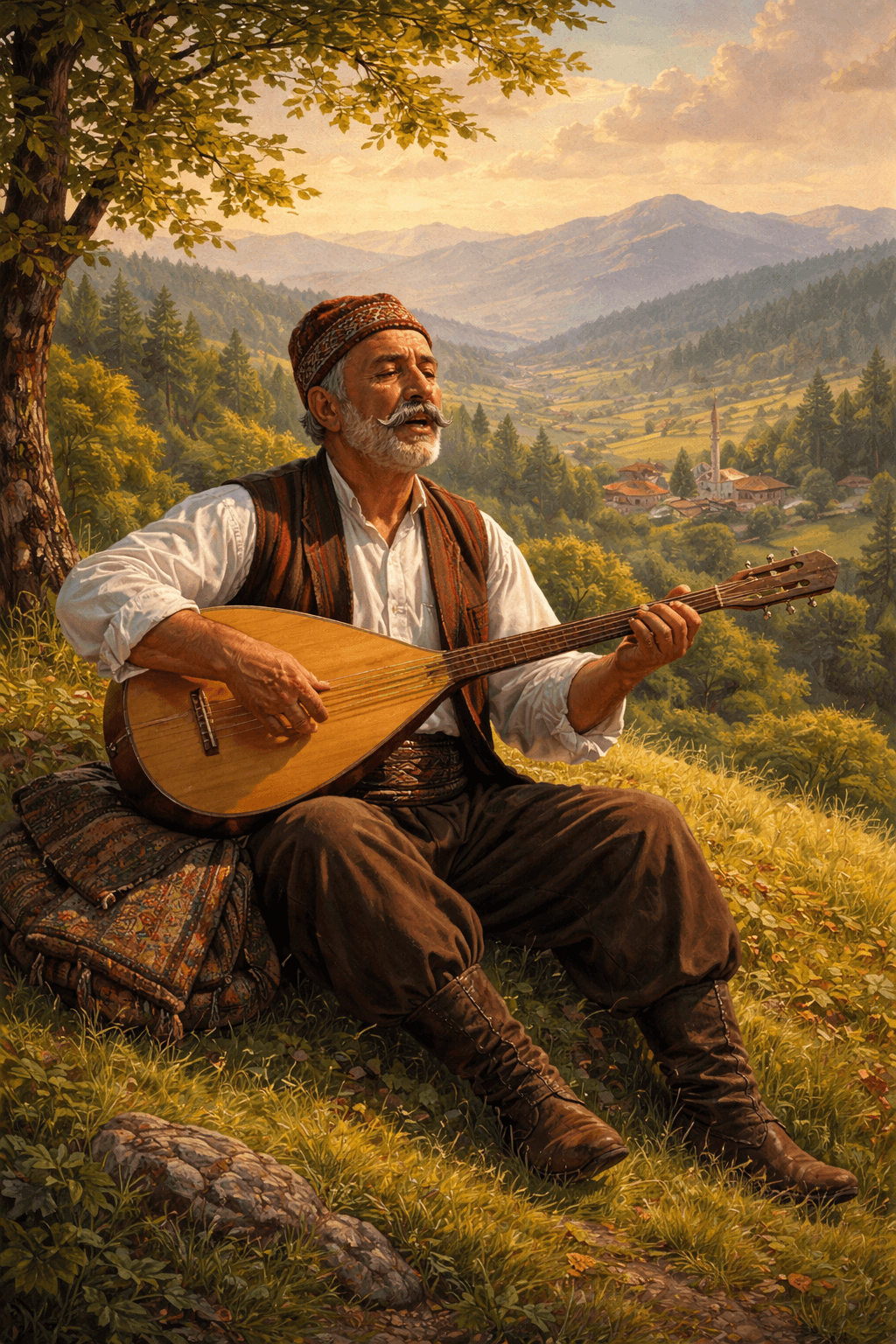
Gıydıvan Türküsü, Kastamonu region’s oral cultural products, distinguished by its integration with local narratives, regional speech patterns, and anonymous character, is a traditional Turkish folk song that powerfully conveys themes of love, separation, and fate through a compelling expressive language. Hasan Yılmaz - Gıydıvanın Kızları (Cihan Müzik) " youtube-video-element-format="right" youtube-video-id="1xserXx1UIs"> Origin and Naming of the Folk Song Gıydıvan Türküsü’s origins are rooted
EN
Beyza Başar