

`fish` Related Article Results
 Si
SiSilivri
Silivri is a district located on the western edge of İstanbul, along the Sea of Marmara coast, covering an area of place. Due to its proximity to İstanbul, it is a historically and culturally significant settlement. With its growing industry and agricultural sectors, it has experienced rapid expansion in recent years. Silivri’s origins trace back to Ancient Greece, and throughout history it has been governed by the Roman Empire, the Byzantine Empire, and the Ottoman Empire. As a result, Silivri
EN
İrem Hatip
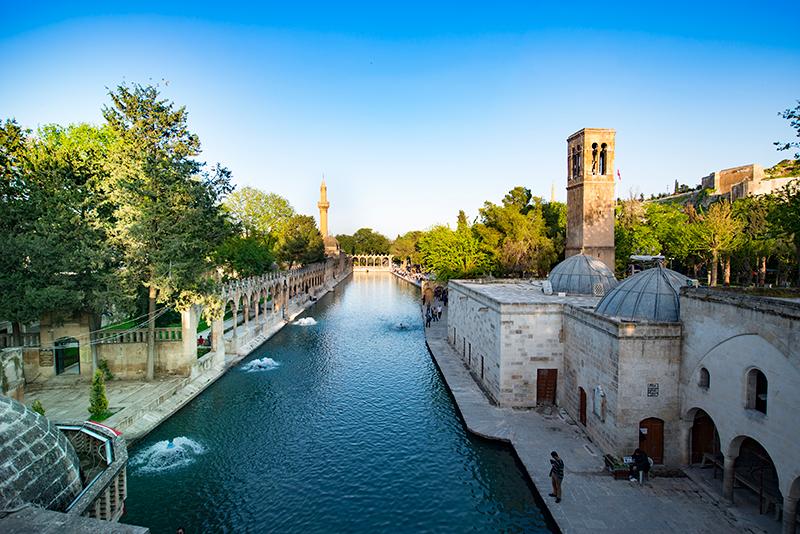
Balıklıgöl Şanlıurfa
Balıklıgöl is a lake complex and its surrounding area, located in the center of Şanlıurfa, recognized as one of the city’s most significant spatial focal points due to its historical, religious, cultural, and natural characteristics. The area consists of two main water bodies: Halilü’r-Rahman Lake and Ayn-ı Zeliha Lake. Together with the sacred sites, historical structures, open spaces, and landscape arrangements around them, these lakes form a cohesive cultural landscape. Balıklıgöl has been sh
EN
Sevgi Kıraç
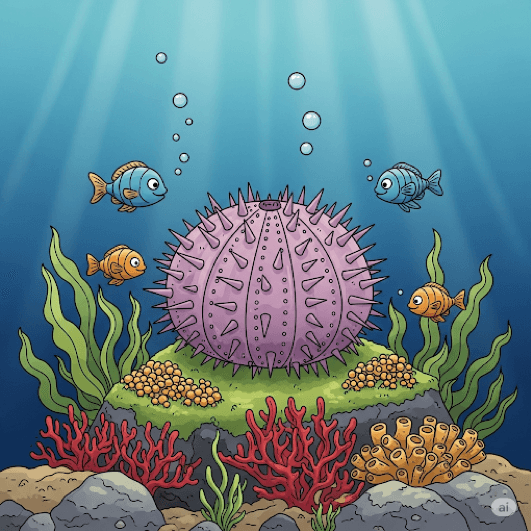
Sea Chestnut
Have you ever looked downward toward the seabed while swimming in the sea and seen spiky, ball-like creatures? These are sea urchins, the spiky spheres of the oceans. Sea urchins are creatures that live throughout the world’s oceans and strongly prefer rocky habitats. They belong to a special group of animals that scientists call Echinoidea. Where Do They Live? Sea urchins can live in all oceans and seas. They are commonly found on rocky and stony seabeds in shallow waters, where they like to hi
EN
Nida Üstün
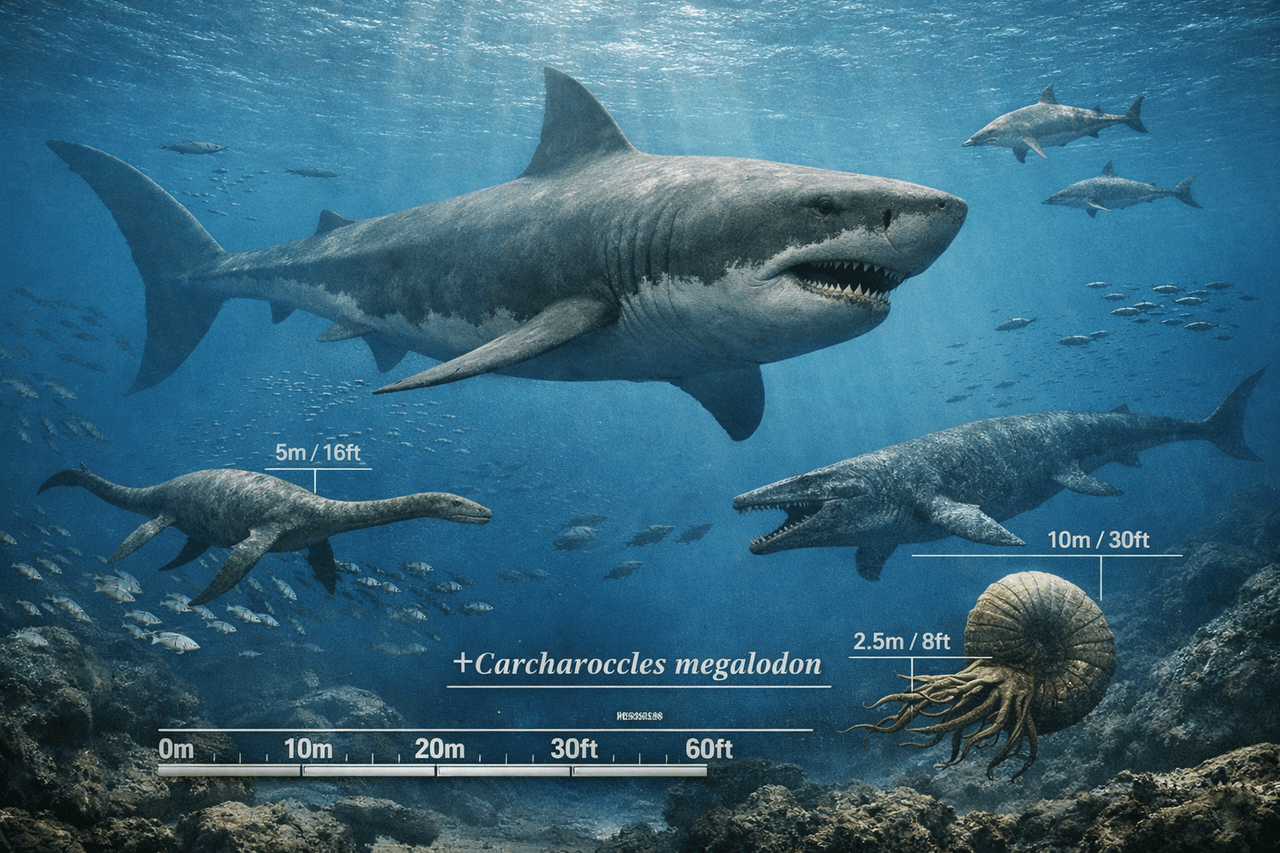
Megalodon (Carcharocles megalodon)
Megalodon (Otodus megalodon) is an extinct giant shark species that lived approximately 23 million to 3.6 million years ago during the Miocene and Pliocene epochs and is regarded by scientists as one of the largest marine predators to have ever existed. Fossil evidence indicates that megalodon inhabited large parts of the world’s oceans. Because it had a skeleton composed largely of cartilage, like modern sharks, most remains preserved today consist of teeth and vertebrae. Its triangular, serrat
EN
Fatma Aslan
SiSilivri
Silivri is a district located on the coast of the Marmara Sea in the western part of İstanbul. Due to its proximity to İstanbul, it is a significant settlement both historically and culturally. With its growing industry and agricultural sectors, the region has been expanding rapidly in recent years. Silivri’s historical roots extend back to Ancient Greece and over time it was ruled by the Roman Empire, the Byzantine Empire and the Ottoman Empire. As a result, Silivri possesses a rich cultural an
EN
İrem Hatip
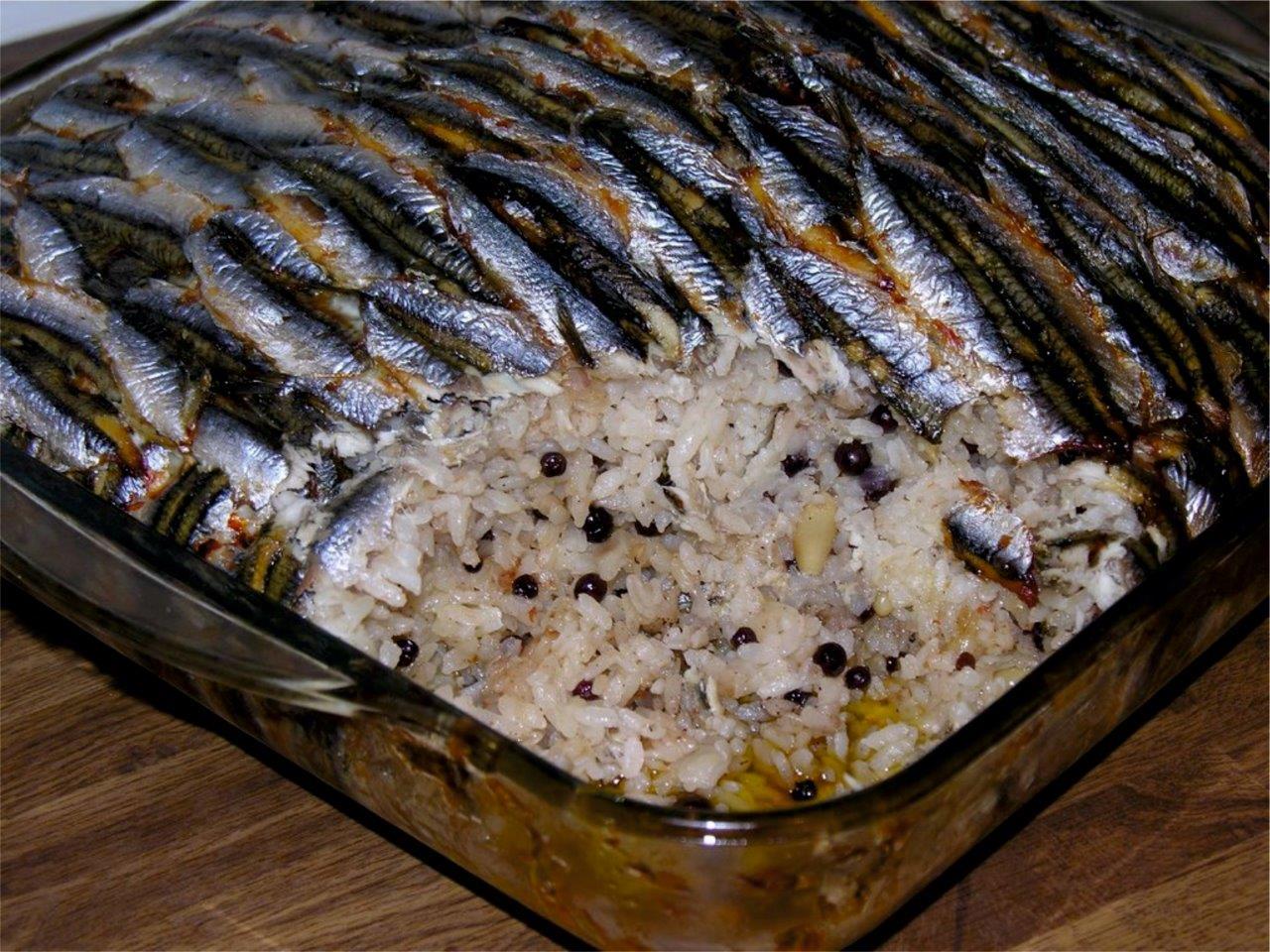
Ordu İçli Tava
Ordu İçli Tava is a traditional dish specific to the province of Ordu, prepared by cooking anchovies together with stuffed rice. Large anchovies are arranged along the base and edges of the pan to form a layered structure with the stuffed rice; this structure is then cooked on a stove or in an oven. The stuffed rice contains rice, onion, currants or raisins, shelled pistachios, spices, and parsley. Registration On 26 July 2023, the Turkish Patent and Trademark Office registered Ordu İçli Tava as
EN
Sabiha Meyra Şahinler
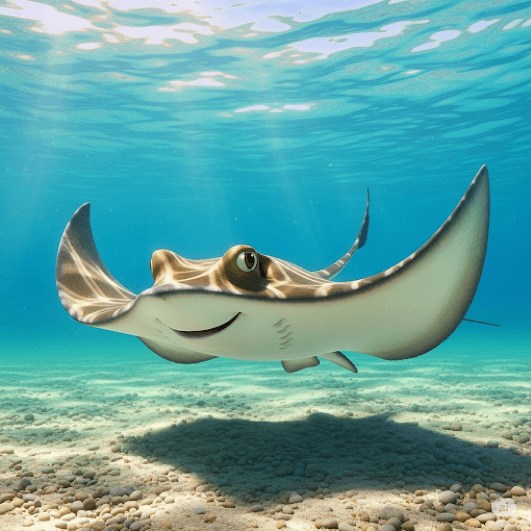
Vatoz Fish
Have you ever seen a fish gliding like a flying carpet over the seafloor? Rays are striking creatures distinguished by their flat, broad bodies that live on the ocean and river floors. The fins along the sides of their bodies resemble wings, and rays propel themselves through water by flapping these fins. Rays are closely related to sharks. Where Do They Live? 🗺️ Rays typically prefer shallow coastal areas in tropical and temperate seas and can be found in nearly all the world’s oceans except t
ENNida Üstün
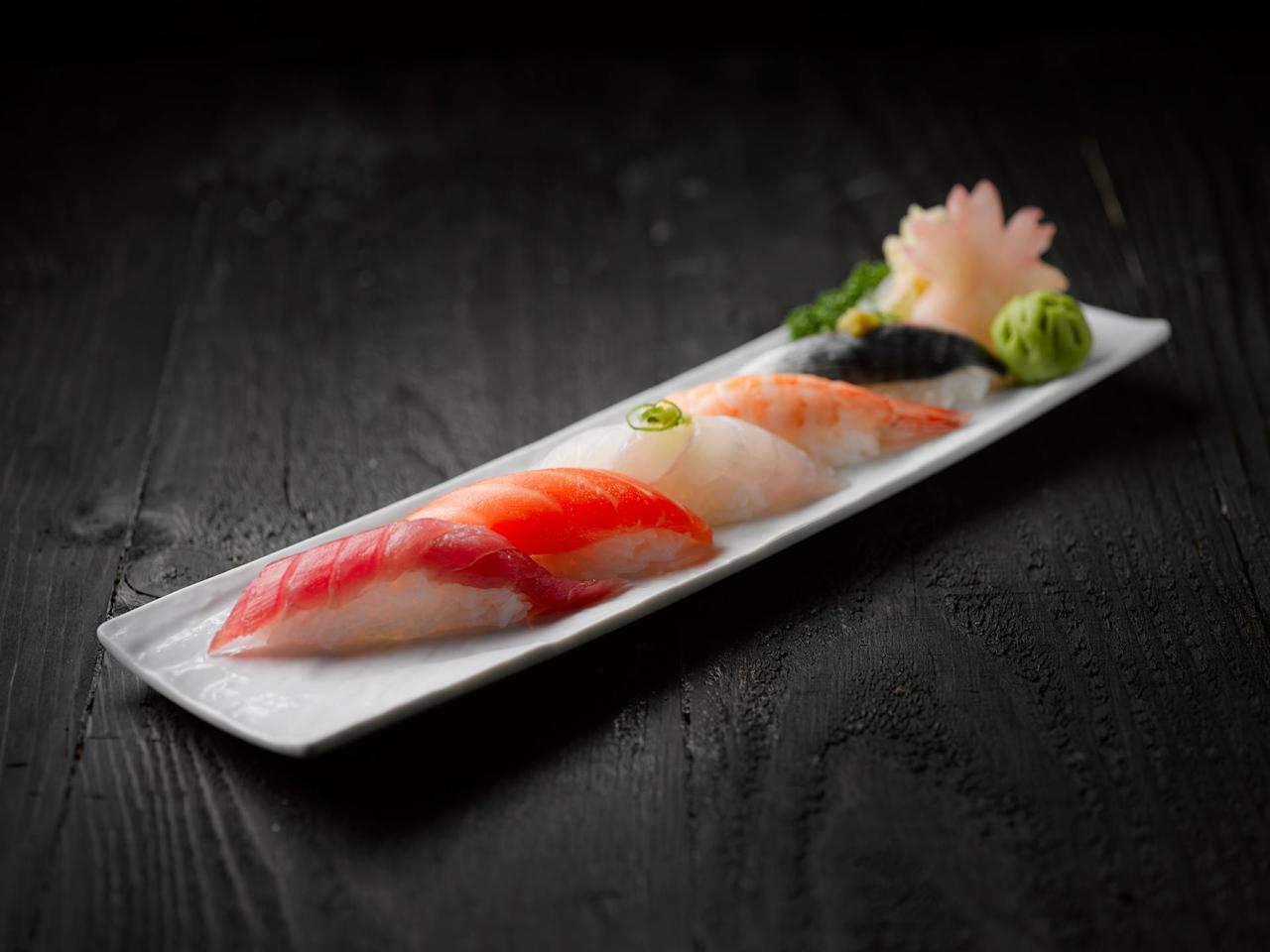
Sushi
Sushi, as a distinctive and historical product of Japanese cuisine, is a type of dish that has become widespread around the world. Featuring both traditional and modern variations, sushi typically consists of key ingredients such as raw or lightly cooked fish, seafood, rice, and seaweed (nori). History and Cultural Context The origins of sushi lie in the combination of fish and rice through various techniques developed in Japan. Over time, different types of sushi—such as nigiri, maki, and temak
EN
Ömer Faruk Bilcan
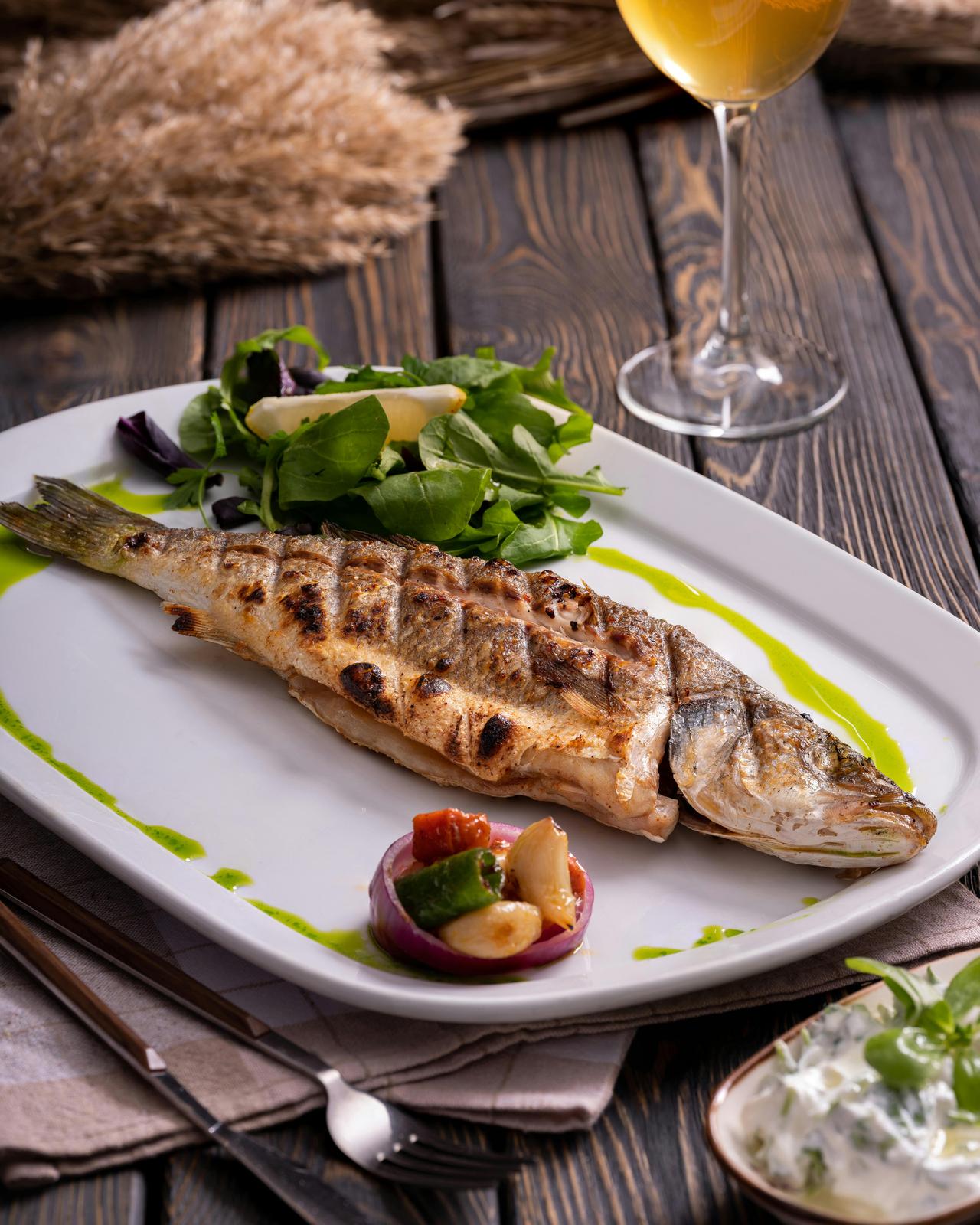
Pescatarian Diet
In recent years, dietary habits and food preferences have shown significant diversity, much like fashion trends. In addition to well-known groups such as vegans, those following ketogenic diets, and individuals consuming gluten-free diets, another nutritional style has emerged—less widely known but increasingly influential: pescatarianism. This dietary pattern excludes red or white meat but includes fish and seafood in the diet. In this regard, pescatarianism offers both an alternative to conven
EN
Ayşenur Bayraktar
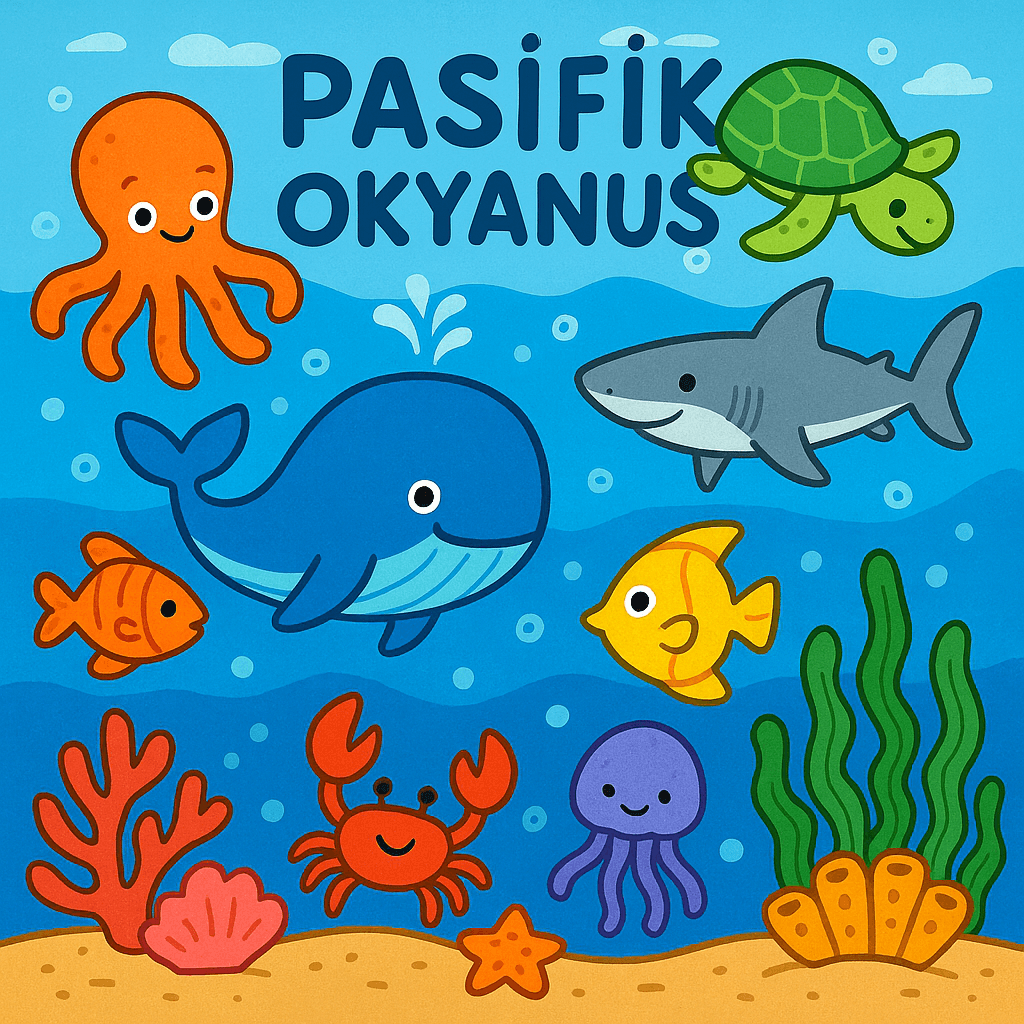
Pacific Ocean
The Pacific Ocean is the largest and deepest ocean on Earth, covering more than one-third of the planet’s surface! Due to its vast size, it contains thousands of islands. The Pacific is one of the most important bodies of water shaping our planet’s atmosphere, climate, and life. 🌎Where Is the Pacific Ocean Located? The Pacific Ocean lies east of Asia and Australia and west of the American continents. When you look at a map, you see a huge blue area between two major continents—that is the Pacif
EN
Dilan Nur Kaya