

`feature-extraction` Related Article Results
Histogram of Oriented Gradients (HOG)
Computer vision detection and vision-based object detection have gained increasing attention in recent years. Numerous algorithm have been developed in this field, and these algorithms are particularly used for tasks such as object classification, object recognition, and movement analysis such as. The Histogram of Oriented Gradients (HOG) algorithm is a widely used and proven feature extraction method in this context. Example of the HOG Algorithm (Source: Batuhan Daz) Foundations of the HOG Algo
EN
Beyza Nur Türkü

Speeded-Up Robust Features (SURF)
Scale-Invariant Feature Transformation (Speeded-Up Robust Features - SURF) is a widely used feature inference method in computer vision and image processing. SURF is effectively applied in applications such as object recognition, image matching, and 3D reconstruction like. It is preferred due to its robustness to method and scale changes and its efficient fast performance. Development of SURF Before the development of SURF, one of the most widely used methods in feature extraction was SIFT (Scal
ENBeyza Nur Türkü

Speeded-Up Robust Features (SURF)
Scale-Invariant Feature Transformation (Speeded-Up Robust Features - SURF) is a widely used feature extraction method in computer vision and image processing. SURF is effectively applied in applications such as object recognition, image matching, and 3D reconstruction. This method is preferred due to its robustness to scale changes and its fast computation speed. Development of SURF Before the development of SURF, one of the most widely used methods in feature extraction was SIFT (Scale-Invarian
ENBeyza Nur Türkü
Autoencoder
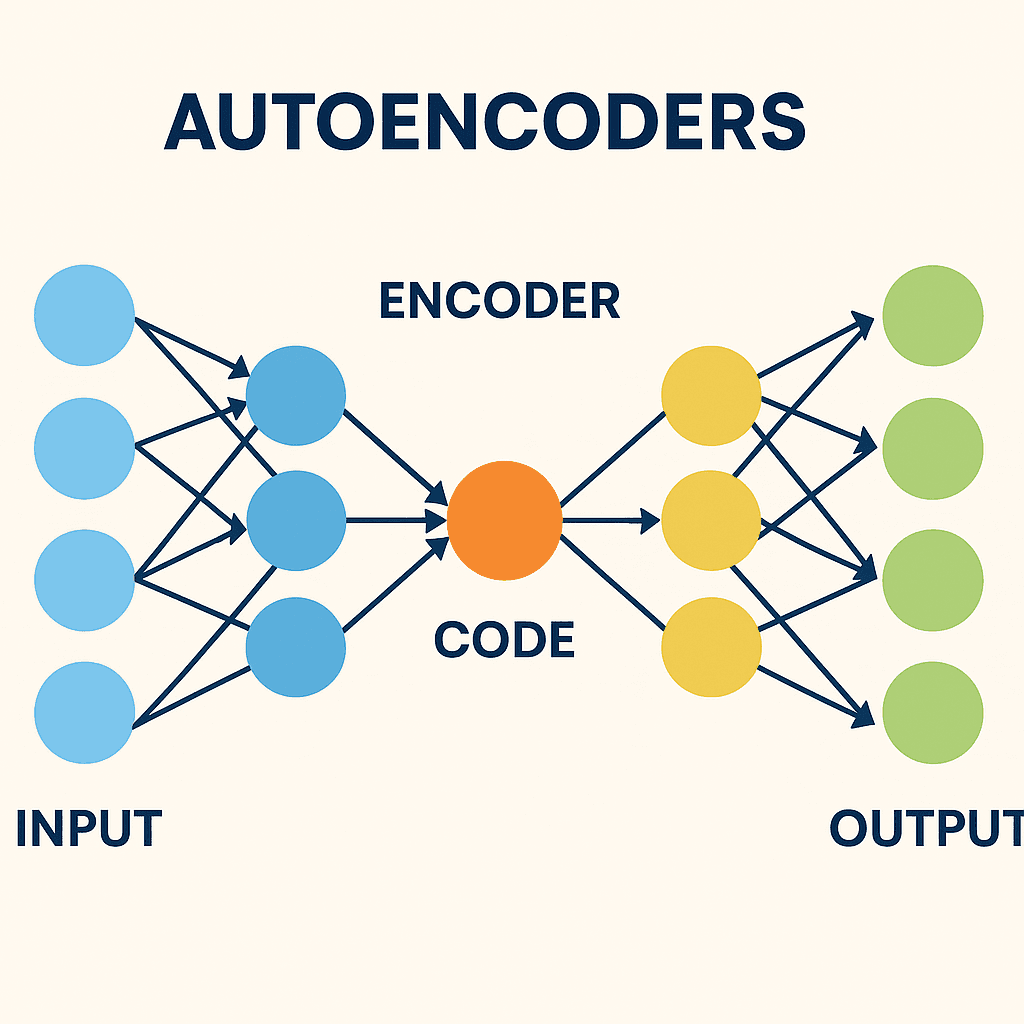
Autoencoders are a type of artificial neural network based machine learning method that learns by compressing input data into a lower-dimensional meaningful representation and reconstructing the input from this representation. First introduced in the 1980s, autoencoders operate within the framework of unsupervised learning and aim to learn important features within the data to construct a low-dimensional representation. In this architecture where input and output data are identical, the training
EN
Gülçin Özer
Autoencoder
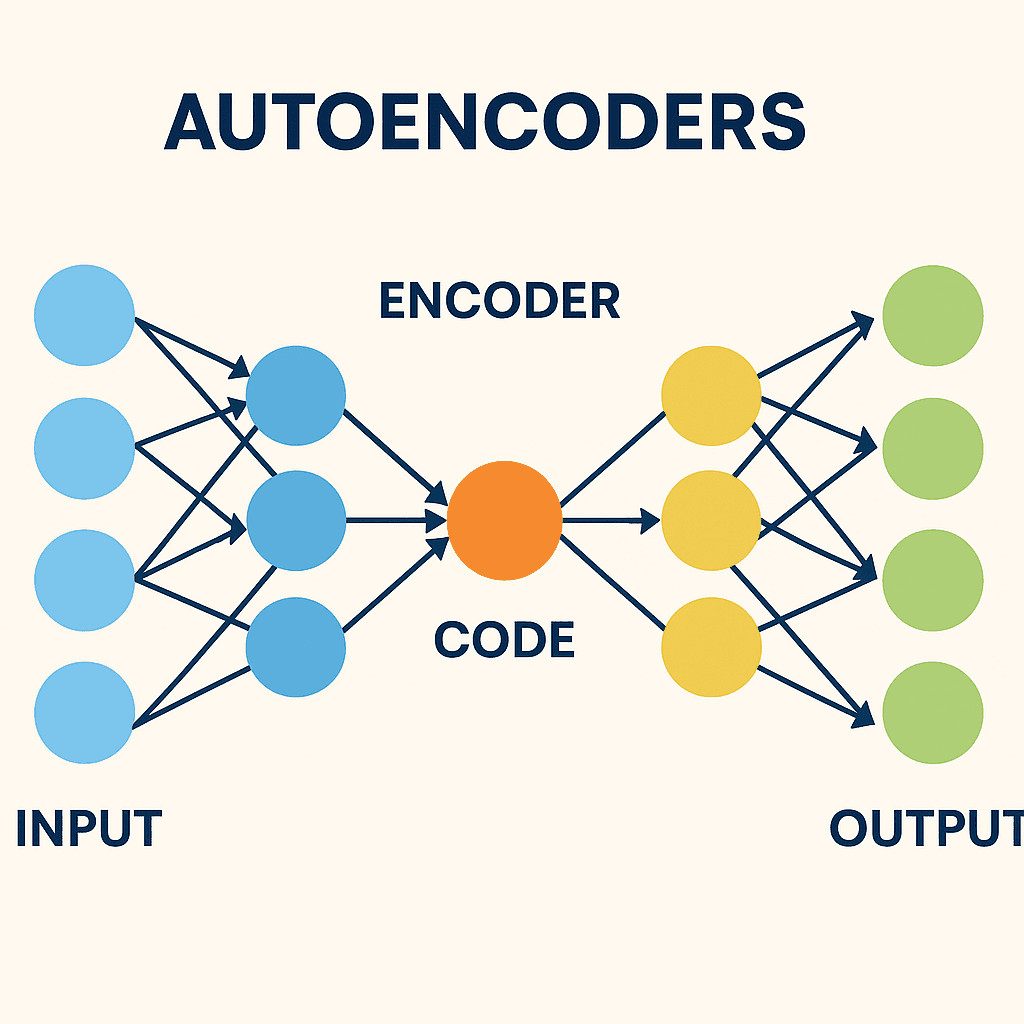
Autoencoders are a machine learning method based on artificial neural networks that learn by compressing input data into a lower-dimensional, meaningful representation and reconstructing the input from this representation. First introduced in the 1980s, autoencoders operate within the framework of unsupervised learning, with the primary goal of learning important features within the data to construct a low-dimensional representation. In this architecture, where input and output data are identica
EN
Gülçin Özer