

`extinction` Related Article Results
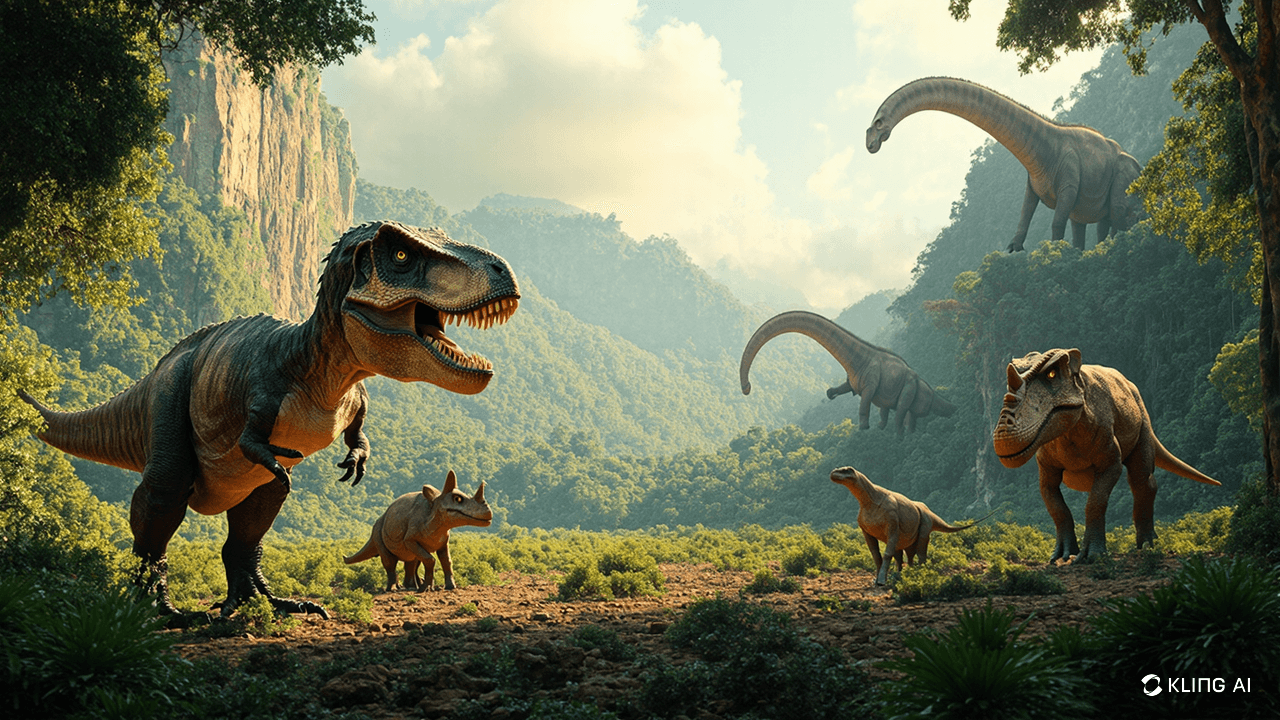
Dinosaurs (Children)
Dinosaurs were creatures that lived on our planet a very, very long time ago. Science Scientists say that dinosaurs first appeared around 230 million years ago! Since then, they lived all around the world and evolved into many different species. What Were Dinosaurs Like? Dinosaurs were animals that ranged in size from as small as a car to as large as a giant building. Some dinosaurs were herbivores, meaning they fed on only plants. The Apatosaurus, a like giant dinosaur, enormous tree ate leaves
EN
Erva Öztürk
 Wo
WoWoolly Mammoth (Mammuthus primigenius)
Woolly mammoth, a species of mammoth that lived throughout the Pleistocene epoch—also known as the “ice age” (approximately 2.58 million to 11,700 years ago)—became extinct during the Holocene. Its closest living relative is the elephant (Elephas maximus). Knowledge of its physiology and behavior, as an extinct species, has been derived from frozen carcasses found in Siberia and Alaska, as well as from skeletal remains, teeth, gut contents, fecal samples, and prehistoric cave drawings (row stoma
EN
Oğuzhan Özdemir
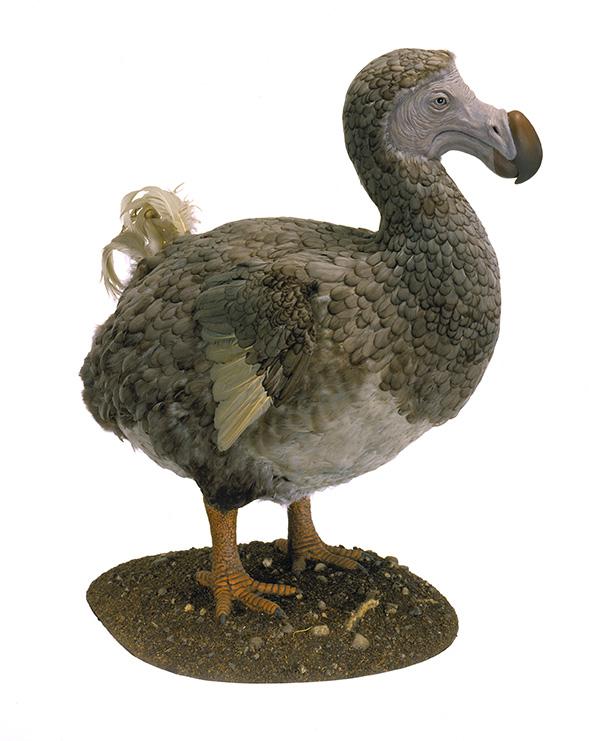
Dodo
The dodo ( Raphus cucullatus ) is an extinct, flightless bird species endemic to the island of Mauritius, located east of Madagascar in the Indian Ocean. It belongs to the subfamily Raphinae, a group of extinct flightless birds within the pigeon and dove family (Columbidae). The dodo’s closest living relative is the Nicobar pigeon. Morphology and Physical Characteristics The appearance of the dodo is known only from 17th-century drawings, paintings, and written accounts. Consequently, its exact
ENRamazan Bayat
Snakebird (Anhinga rufa)
Anhinga (Anhinga rufa) is a specialized aquatic bird species of tropical and subtropical origin belonging to the family Anhingidae. It is characterized by its slender, elongated neck which, when hunting in water, gives it a snake-like appearance. The bird derives its name from the fact that while submerged in water to hunt, only its neck and head remain visible above the surface. Although morphologically related to cormorants, it is distinguished by its spear-like bill and unique hunting techniq
ENElif Nur Sarı
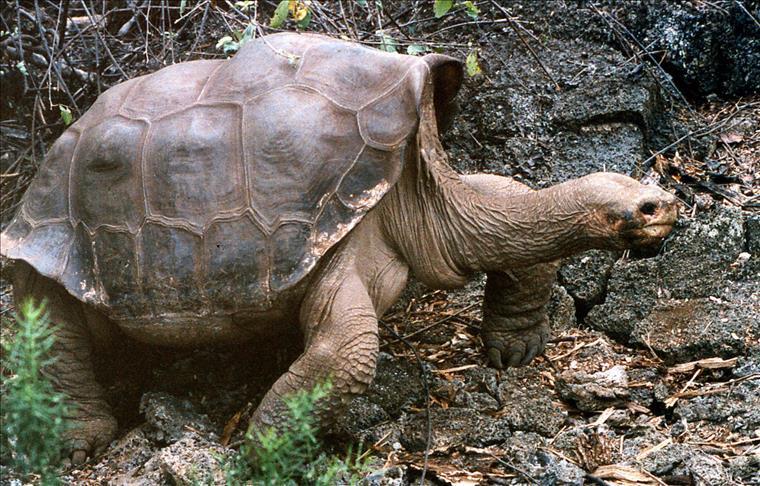
Only George
Lonesome George is the last known male individual of the Pinta Island giant tortoise, a subspecies of the giant land tortoises endemic to the Galápagos Islands. Lonesome George represents the abingdoni subspecies native to Pinta Island. Because of this, Lonesome George has become not only a member of the Galápagos fauna but also one of the iconic symbols of conservation biology.【1】 Lonesome George is described as “the world’s most famous conservation icon.”【2】 Discovery of Lonesome George The la
EN
Meryem Şentürk Çoban
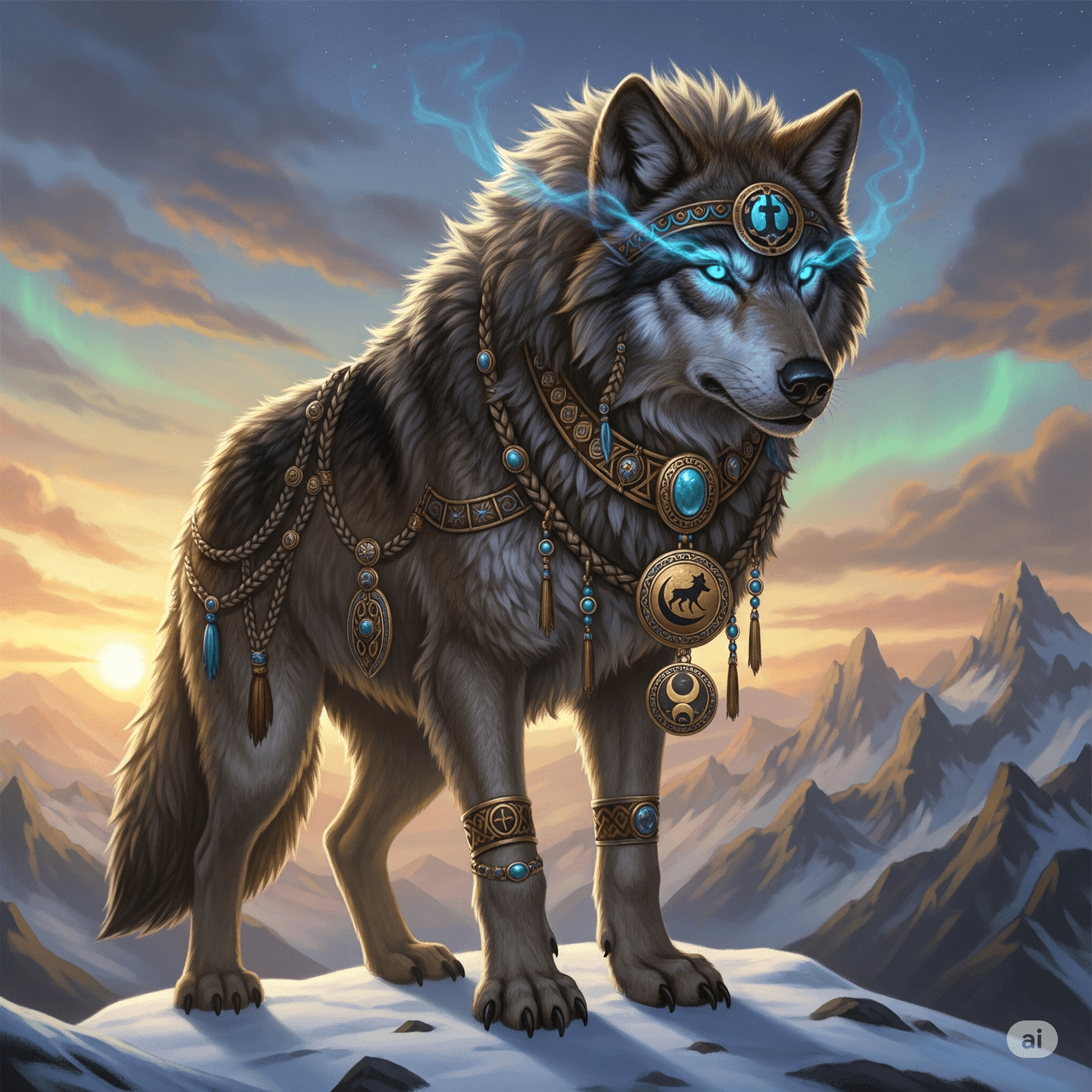
Ulukurt
The dire wolf was a giant species of wolf that lived in prehistoric times. It was larger and more powerful than the modern gray wolf. It survived by hunting across North and South America. Today it is known as an extinct species and continues to attract scientific interest. History and Fossil Records Dire wolves lived in very ancient times during the Pleistocene epoch, which ended approximately 10,000 years ago. Their fossils have been found especially in places such as the Rancho La Brea Tar Pi
EN
İbrahim Filiz
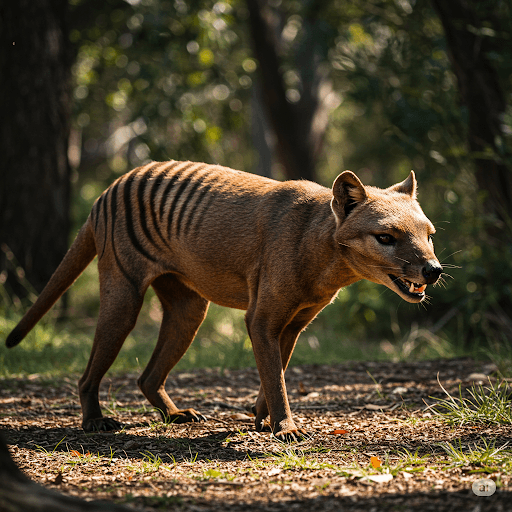
Tasmanian Tiger
The Tasmanian Tiger (Thylacinus cynocephalus) is one of the most well-known carnivorous marsupials that became extinct in the modern era. Native to Australia’s fauna, this species survived for a long time on the island of Tasmania. Due to factors such as intensive hunting following European colonization, habitat loss, and competition, it became extinct in the early 20th century. Morphology and Evolutionary Characteristics Physical Structure The Tasmanian tiger was a medium-sized carnivorous mars
ENEmre Özen