

`existence` Related Article Results
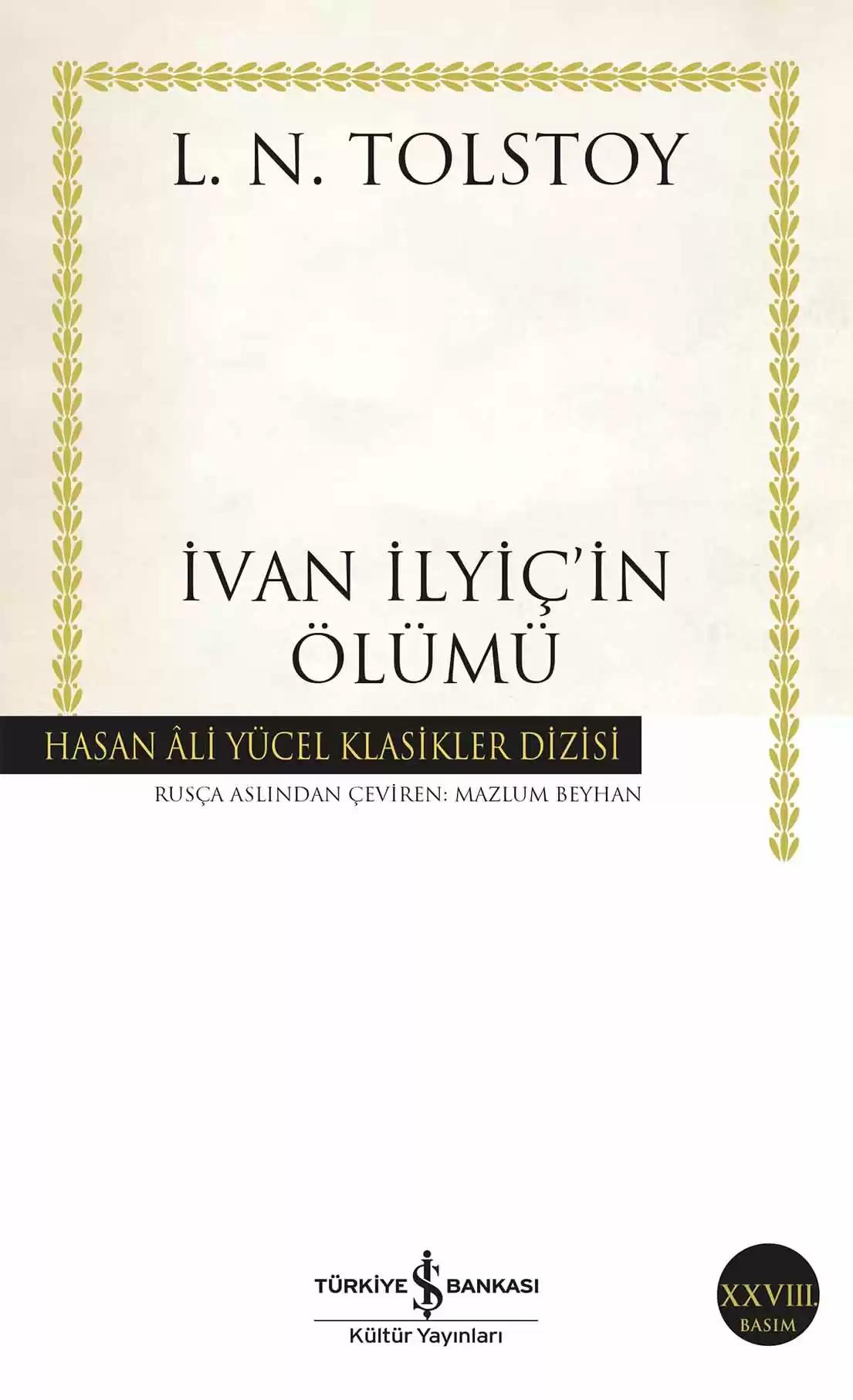
The Death of Ivan Ilyich (Book)
Written by Leo Tolstoy in 1886, The Death of Ivan Ilyich is a short novel that examines the social structure and individual life of 19th-century Russian society. The work reflects Tolstoy’s moral and religious views and is situated within the tradition of Russian realism. At the same time, it has contributed to the development of the modern philosophical novel as one of the early examples to explore existential themes. Subject and Structure The central character, Ivan Ilyich Golovin, is a middle
EN
Zeynep Şule Bingöl
 Ho
HoHow Does a Human Live?
From the moment a human becomes aware of their existence, they contemplate how and why they exist, the purpose of life, and how to navigate it beyond death. As a thinking being, the human is prepared for learning through education provided by the family into which they are born. It is also possible to plant the seeds of instruction in the same environment. When individuals reach the age where these educational seeds have sprouted and grown, they begin to question their own existence. Thus, the j
EN
Nida Öztürkmen

Escape from Simulation: The Truman Show and the Longing for Truth
“Within the human being, there is a call of love’s truth that no simulation can fully silence.” The Truman Show is a powerful metaphysical allegory that illustrates not only how modern humanity is enclosed by media alone but also how the ontological status of the human being is transformed in a world where representation has replaced reality. The film is often read in the context of television culture, the surveillance society, or media manipulation; yet these readings frequently miss the deeper
EN
Ali Ömer Yurddaş

Shelf Life of Words
Life is sometimes like a library; thousands of sentences line the shelves, but we can only take down and read those that resonate with our current age, pain, or joy. The rest remain as dusty books waiting their turn. Not Love at First Sight, but Alienation at First Hearing Some sentences we hear only once, without truly listening. They enter one ear and exit the other. Perhaps we fail to understand them because of the childish joy of that moment, or perhaps we dismiss them due to the youthful ar
EN
Sena Nur Dündar
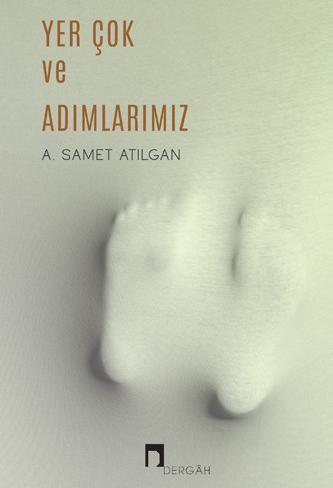
Place Many and Our Steps (Book)
Place, Many and Our Steps is the first poetry collection by A. Samet Atılgan. Published in 2022 as part of Dergâh Publications’ Turkish Literature series, the work consists of 55 pages and stands out through its rhythmic poetry examples. Following his previously published poems and writings, the author seeks to find his own voice within the literary landscape through this book. Poetic Structure and Themes The book explores the individual’s existential crises, relationship with space, and spiritu
EN
Muhammed Samed Acar
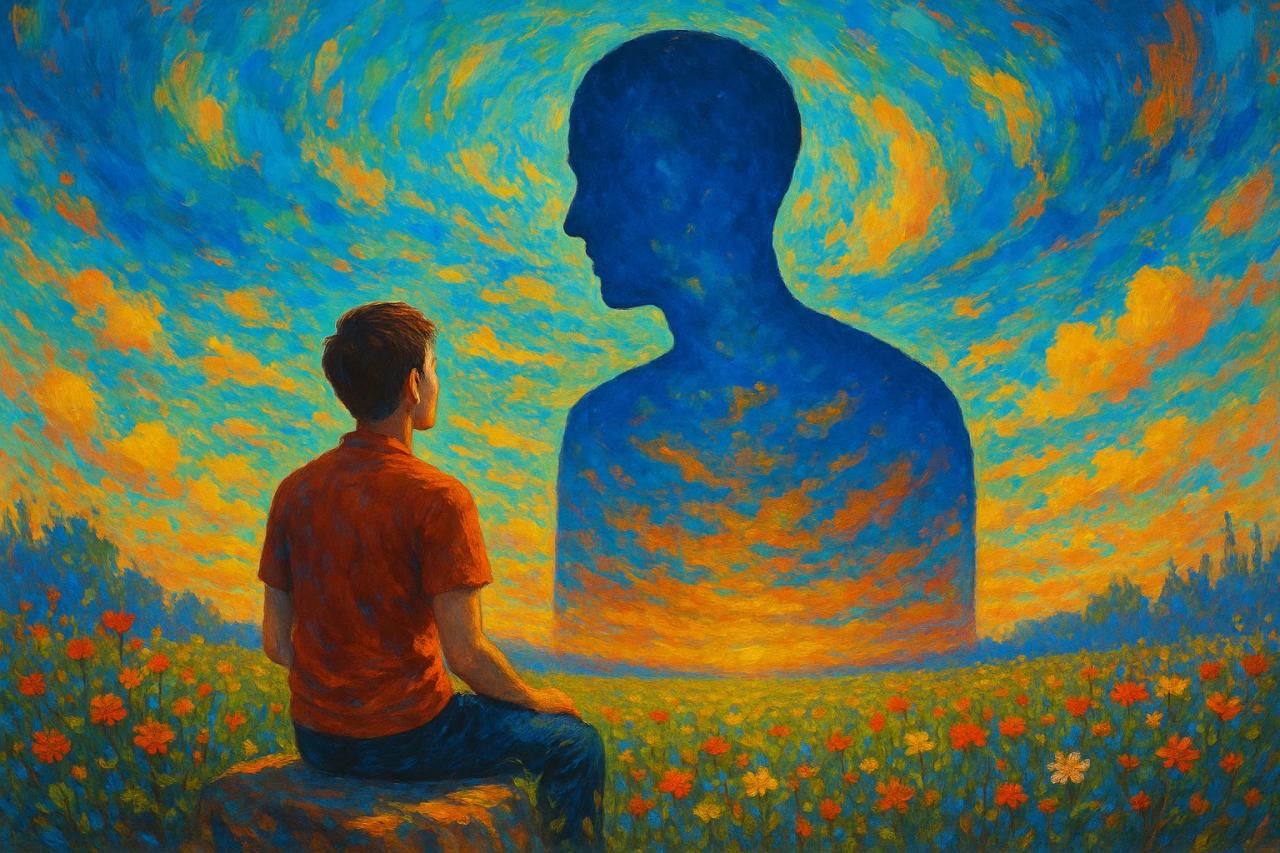
Are You There Who Fear Nonexistence?
One day, your breath will leave your chest for the last time. The world will continue to turn, but over time those who remember your name will fall silent. But the real question is: Did you truly exist in this world? Did you make your presence felt through your own identity, your actions, and the value you added to those you loved? Existence is not merely breathing or taking steps; it is knowing where you are walking, being aware of whose presence you are in, and giving meaning to the life entru
EN
Hümeyra Yılmaz
ThThe House of Truth
“From the womb to the market, from the market to the grave…” says Yunus.Yunus Emre, Divan, haz. Abdülbaki Gölpınarlı (İstanbul: Türkiye İş Bankası Kültür Yayınları, 2012), 145. ">【1】 The first gift to a human being is a home; the first trust is shelter. The home is humanity’s refuge; to be deprived of it is the gravest injustice possible. For our existence derives its foundation from truth. A person who loses truth becomes like a tree without roots, toppled by the wind. Everything has its lim
EN
Lale Alp
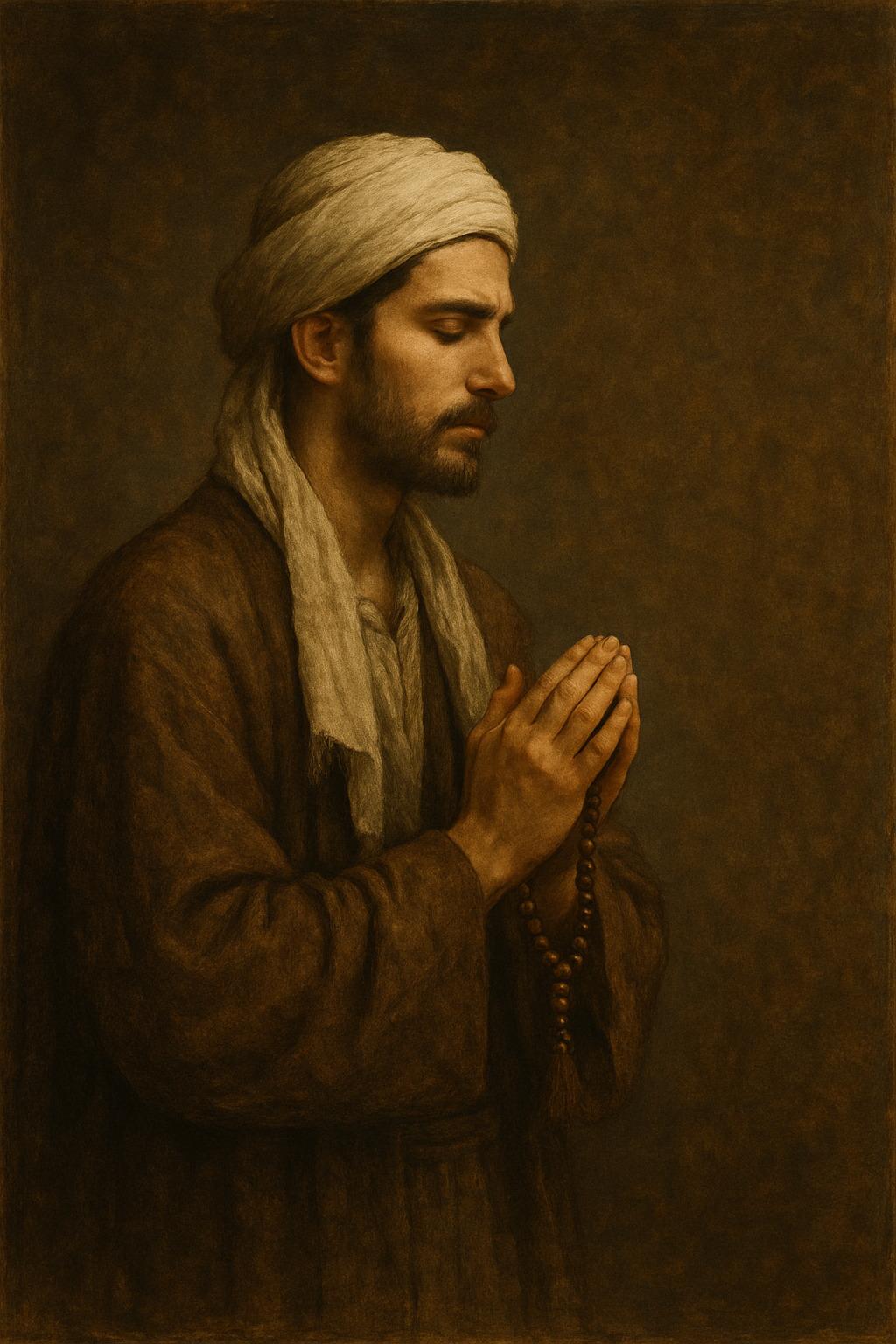
Love and Trial
I was reflecting on love—what love truly is. I realized that love is not merely an experience confined between two different genders, as many people believe. I came to understand that love is a form of attachment that a person feels toward any material or spiritual object, and that this attachment constitutes a trial. These trials take various forms: Some become enamored with the Divine, striving to forget the world and all its possessions, seeking to attain the “true reality,” where their prima
EN
Muhammed Sonğuralp
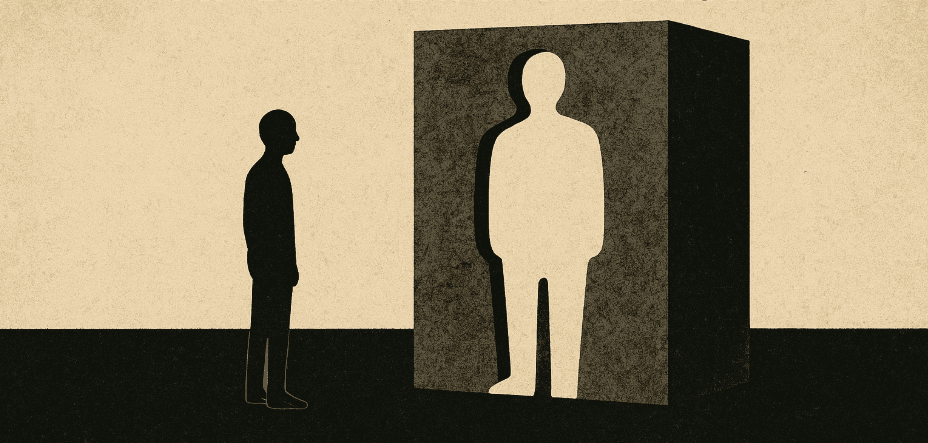
The Meaning of the Presence of Absence
We understand most things not when we lose them, but when we sense their absence. This is not a simple cause-and-effect relationship; it is a delicate paradox woven by human perception, habit, and the gradual erosion of memory. Existence only acquires a clear contour when framed by the boundaries of absence. It is precisely for this reason that absence is often the teacher, sometimes cruel but always honest. Our inner emotional world is like a lamp. When it remains constantly lit, you forget the
EN
Yeşim Can
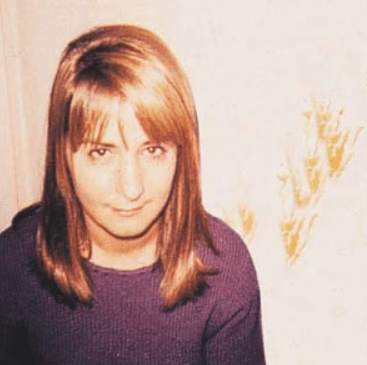
Tezer Özlü
Tezer Özlü was born in 1943 in the district of Simav, Kütahya, and throughout her life engaged in activities in the fields of education, art, and literature across various geographical regions. Her family’s professional relocations to different parts of Anatolia led her to spend her childhood in diverse social environments. Her education continued in several cities across Turkey and Europe, and she contributed significantly to artistic endeavors, particularly in theater and translation. Her work
EN
Neriman Çalışkan