

`evolution` Related Article Results
 Ev
EvEvolution
Origin Tekâmül has been adopted into Turkish from the Arabic word takāmul (تكامل). This word is derived from the Arabic root kml, which carries the meanings of “to be complete,” “to mature,” and “to attain proficiency.” The term Tekâmül, evolving from this root, acquired the meanings of “completion,” “maturation,” and “perfection.” Areas of Use Daily Life: Used to describe an individual’s gradual maturation in terms of knowledge, experience, and character. Social and Historical Studies: Used to
EN
Nisanur Emral
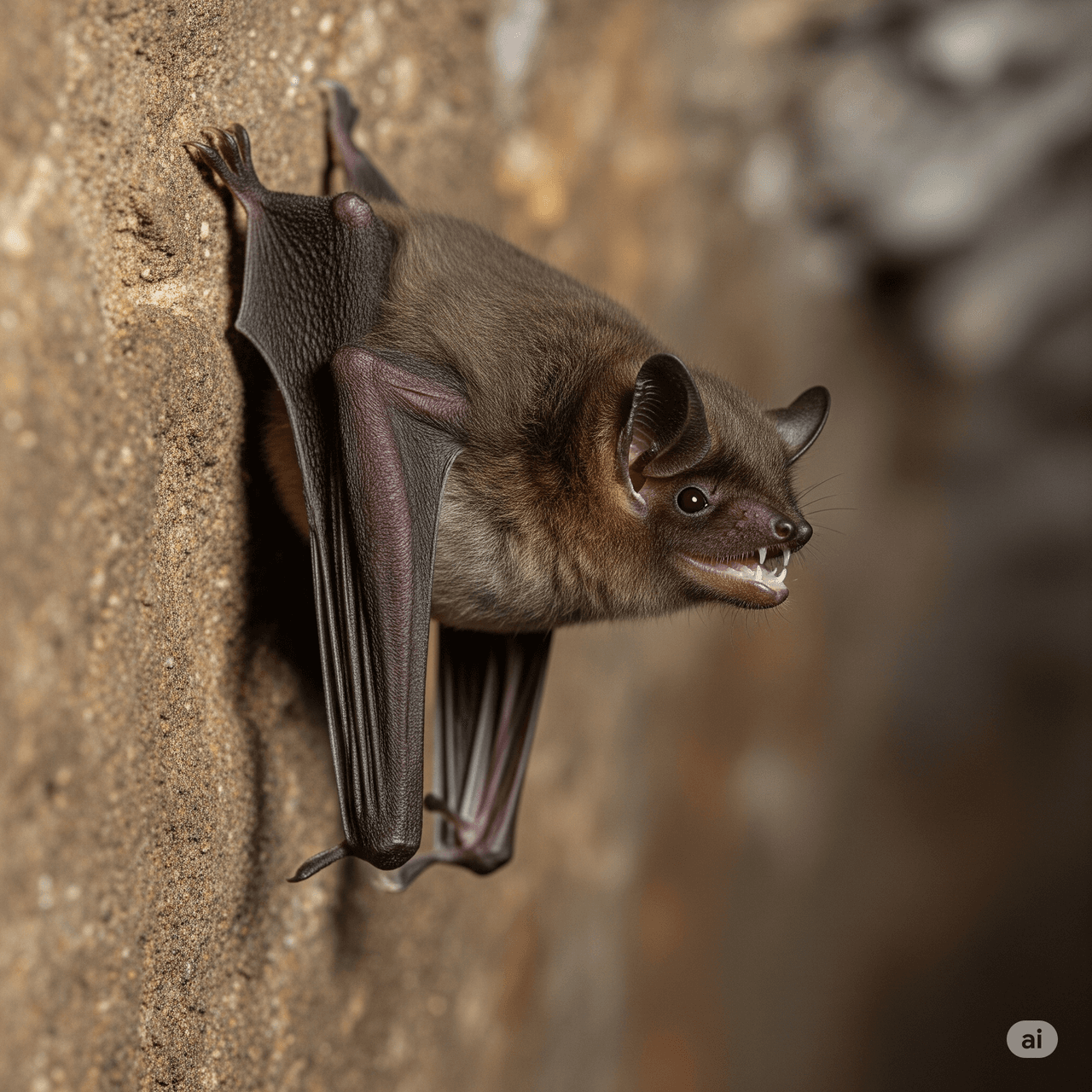
Vampire Bat (Desmodus rotundus)
Desmodus rotundus, commonly known as the common vampire bat, is one of only three bat species in the Neotropical biogeographic region that feed exclusively on blood and exhibits numerous evolutionary adaptations associated with its hematophagous lifestyle. Its body mass, ranging from approximately 20 to 43 grams, sharp incisors shaped like chisels, powerful olfactory senses, and infrared-sensitive upper lip receptors support the species’ unique trophic strategy. This colonial species has also be
EN
Fatih Atalay

Monkey
Monkeys are living organisms that constitute a branch of the order Primates, distinguished by their genetic diversity, evolutionary significance, behavioral complexity, and ecological functionality. Taxonomy and Evolutionary History Taxonomic Classification Monkeys are classified within the suborder Simiiformes of primates. This suborder is divided into two main groups: Old World monkeys (Cercopithecoidea) and New World monkeys (Platyrrhini). It is well established that Old World monkeys evolved
EN
Mustafa Özdemir
MAMAMUT
Mammoth refers to the subspecies within the genus Mammuthus of the elephant family. The most distinctive features of mammoth species are long, their curved tusks, and the long hairs seen in northern species. Although many mammoth species lived from the Pliocene epoch (approximately 5 million years ago) until the beginning of the Holocene, the vast majority of their populations became extinct during the Late Pleistocene epoch none. The closest living relatives of mammoths today are Asian elephant
ENOğuzhan Özdemir
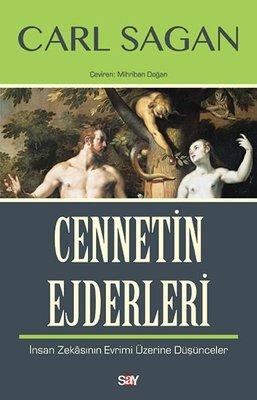
Dragons of Paradise (Book)
The Dragons of Eden (original title: The Dragons of Eden) is a popular science book written by American astronomer, astrophysicist and science communicator Carl Sagan. The book focuses on the evolution of the human brain its cognitive structure and intelligence. Content and Themes Carl Sagan’s book The Dragons of Eden concentrates on the structure and evolutionary development of the human brain while also examining the relationship between scientific thought and mythological narratives. The book
EN
Osman Özbay
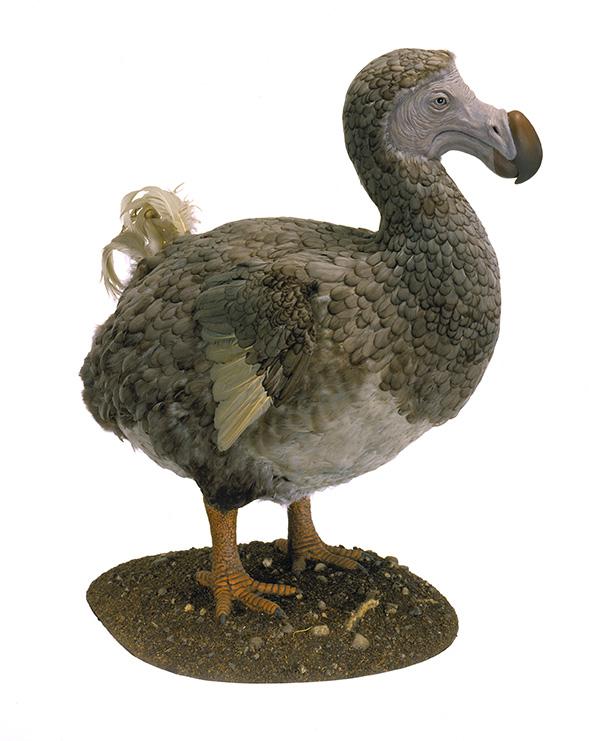
Dodo
The dodo ( Raphus cucullatus ) is an extinct, flightless bird species endemic to the island of Mauritius, located east of Madagascar in the Indian Ocean. It belongs to the subfamily Raphinae, a group of extinct flightless birds within the pigeon and dove family (Columbidae). The dodo’s closest living relative is the Nicobar pigeon. Morphology and Physical Characteristics The appearance of the dodo is known only from 17th-century drawings, paintings, and written accounts. Consequently, its exact
ENRamazan Bayat
ThThe Variable History of Music
Music is one of the oldest cultural expressions in human history and has evolved in various forms across different cultures and societies within time. Human beings’ first encounters with music may have begun with the imitation of natural sounds imitation, but in later periods of musical history it developed into a more complex structure under the influence of human emotions and social needs. This article aims to examine the development of music along key historical lines and to explain music’s p
ENHavva Karakaya

Aykut Kence
Prof. Dr. Aykut Kence is a biologist known in Türkiye for his scientific contributions in evolutionary biology and population genetics, as well as for his efforts in communicating scientific knowledge to the public. He played a significant role in shaping modern biology education in Türkiye and in defending the theory of evolution at the academic level. He spent the majority of his academic career at Middle East Technical University (METU), mentoring numerous students and authoring dozens of nat
EN
Neriman Çalışkan

Betül Kaçar
Prof. Dr. Betül Kaçar is a scientist specializing in molecular biology and astrobiology, with a focus on the chemical foundations and evolution of life. While investigating the origins of life processes on Earth, she also examines the potential for life in other regions of the universe. She continues her academic work at the University of Wisconsin-Madison and is internationally recognized for her projects conducted in collaboration with NASA. Education and Academic Background Kaçar completed he
ENSeviye Nur Gönülölmez
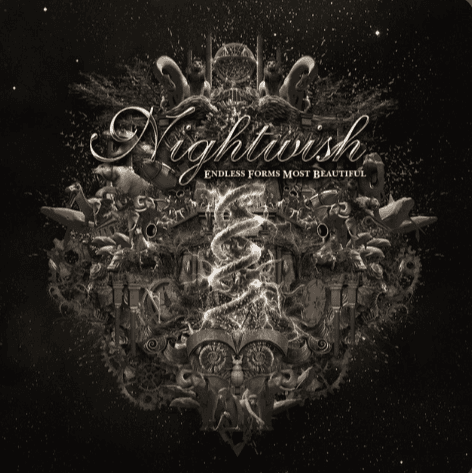
My Walden (Song)
My Walden is a track from Nightwish’s eighth studio album Endless Forms Most Beautiful, released in 2015. The album’s overarching theme centers on evolution, natural history, and the story of human existence; My Walden offers a narrative that symbolizes personal experience with nature and inner freedom within these themes. The song’s title is a direct reference to American philosopher and nature writer Henry David Thoreau’s 1854 work Walden; or, Life in the Woods. Thoreau’s account of living in
EN
Onur Çolak