

`etymology` Related Article Results
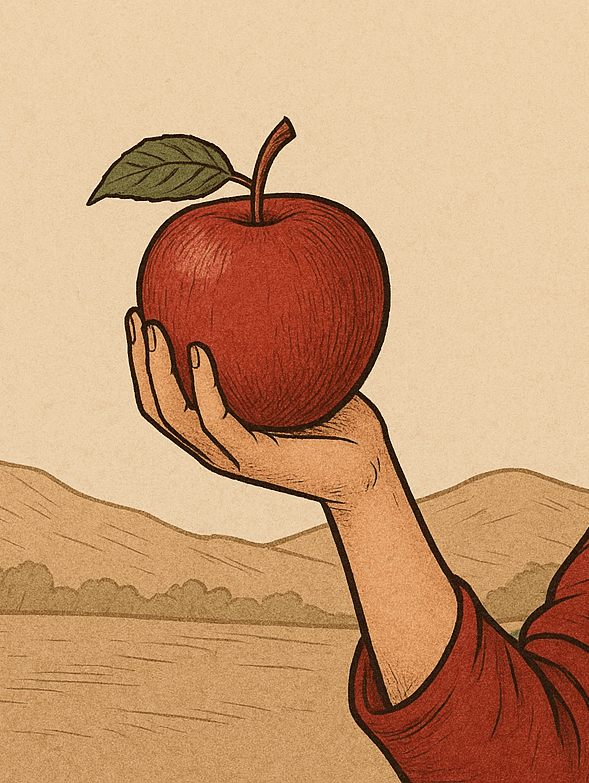
Almila
Almila is a word with historical, cultural, and mythological contexts in Turkish, both in terms of its word origin and its literary usage. Today used as a female given name, it holds a historical place through its etymological roots and its Turkish literary usage. Almila (Generated by Artificial Intelligence.) " image-alternate="" image-element-format="right"> Origin and Etymology The earliest form of the word Almila, as alımla, appears in Old Uyghur Turkish texts. In this usage, alımla means
EN
Muhammed Aşıroğlu
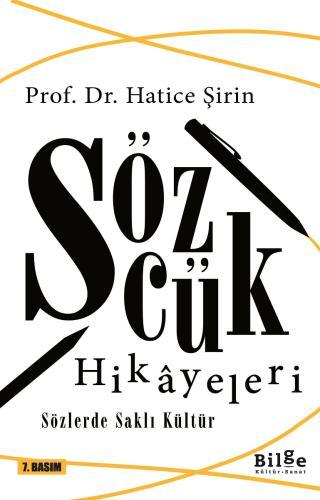
Word Stories: Culture Hidden in Words (Book)
Written by Prof. Hatice Şirin, a member of the Science Council of the Turkish Language Association, the work titled Word Stories (Culture Hidden in Words) was published in 2019. The book comprehensively examines the etymological origins of 134 words along with their historical shifts in meaning and cultural reflections. Objective and Scope of the Work In this work, etymology or what is termed “word story” is presented as a journey parallel to human history, tracing where words come from and wher
EN
Elif Laçin

The Importance of Language from the Conceptual Difference Between Duty and Responsibility
In the dictionary, the word “görev” is defined as “a duty, obligation, or responsibility” and is explained through three distinct concepts; it is a modern term shaped by the linguistic revolution. Etymologically derived from the verb “gör,” which originally carried the meaning of “the thing that must be seen or done,” the word gradually came to be used in institutional and human contexts to denote “assumed responsibility or obligation.” This article aims to examine why the word “görev” does not
EN
Gürkan Pur
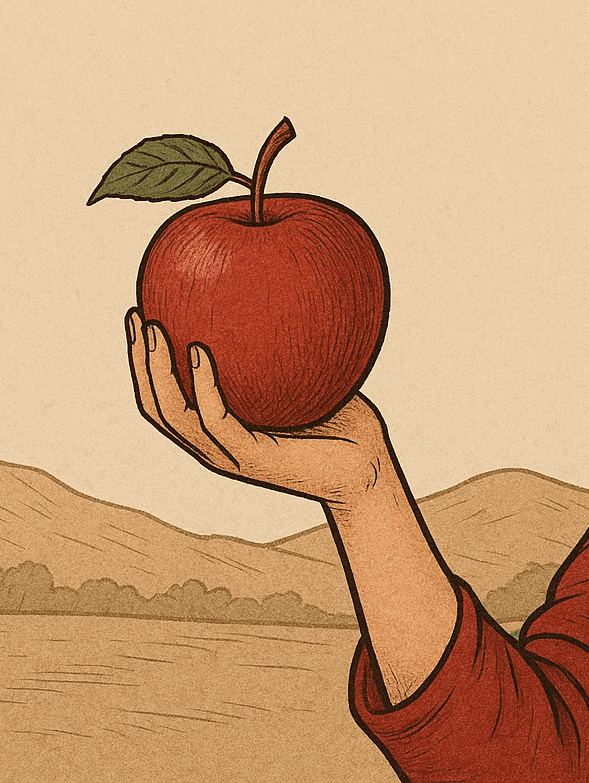
Almila
Almila is a word with historical, cultural, and mythological contexts, both in terms of its linguistic origin and its literary usage in Turkish. Today used as a female given name, it holds a historical place due to its etymological roots and its usage in Turkish literature. Origin and Etymology The earliest form of the word Almila is alımla, found in Old Uyghur Turkish texts. In this usage, alımla means “apple,” and the word has persisted in various forms across different Turkish dialects over t
EN
Muhammed Aşıroğlu

From Indivisibility to Chain Reaction: The Etymological Journey of Nuclear Science
Science explains the workings of the universe through mathematics and experiments, and typically draws on the languages of the past, especially Ancient Greek and Latin, to name its findings. The nuclear terminology that describes immense energy potential and complex engineering systems is no exception to this rule. The etymological origins of these words, stretching from laboratories to reactor cores, reveal the academic depth of science’s evolution over centuries. Atom: The Fragmentation of the
EN
Aybüke Yılmaz
 Ce
CeCerbeze (Dictionary)
Definition Cerbeze refers to superior intelligence or mental agility. It describes a person's ability to quickly and effectively find solutions in difficult situations or their capability to make clever remarks. It is often used to define outstanding success in situations requiring mental games or sharp intellect. In other words, cerbeze is having a deceptive intelligence that can make the wrong appear right. In some contexts, cerbeze can have both positive and negative connotations: Positive me
EN
Fatih Türk
EnEngebe
Köken Yunanca engopi (εγγοπή) “kırık, yarık” sözcüğünden alıntıdır. Eski Yunanca enkopḗ (εγκοπή) sözcüğünden evrilmiştir. Bu sözcük de Eski Yunanca kóptō (κόπτω) “kesmek, kırmak” fiilinden en+ ön ekiyle türetilmiştir. Kullanım Alanları Coğrafya ve Jeoloji: Yeryüzü şekillerini tanımlamada kullanılır. Haritacılık ve Arazi Planlaması: Yüzey şekillerinin belirlenmesinde kullanılır. Tarım ve İnşaat: Tarım arazilerinin verimliliği ve yapıların konumlandırılmasında önemli bir faktördür. Turizm ve Spor:
TR
Bilal Utku Karakoç
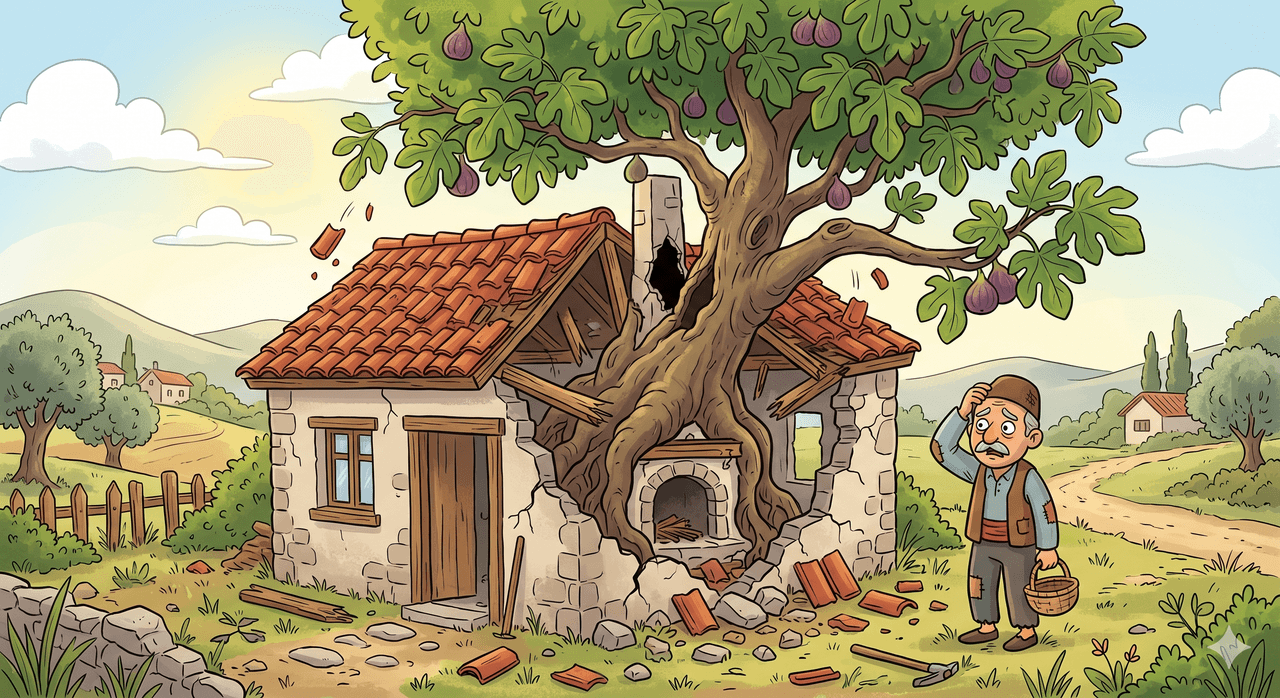
Planting a Fig Tree at the Hearth
In the magical world of words, sometimes a phrase we hear conveys something entirely different. "Ocağına incir dikmek" is a fascinating idiom frequently encountered in our language. At its core, it means to disrupt someone’s established order or to cause them serious harm. But how could the delicious fruit-bearing fig trees possibly be connected to a disturbed arrangement? Let us explore together the origins of this ancient and intriguing expression! Our Cultural Heritage: Idioms and Their Place
EN
Şehrinaz İrem Canbaba
İzİzzetinefis
Origin The word is a compound noun formed from the Arabic terms ʿizzet (value, dignity, honor) and nefs (essential being, self). Conceptually, it expresses the preservation of one’s intrinsic worth and dignity. Its usage in Turkish began to spread widely in literary and intellectual texts from the 19th century onward, as individual rights and honor came to the forefront. Areas of Use Literature: It is used to depict characters’ honor, dignified demeanor, and psychological depth in novels and sto
ENBeytullah Gümüş
ThThe Origin of the Word "OK"
OK (also written as O.K., okay, or okeh) is an American English expression that has become globally recognized to indicate approval, acceptance, agreement, assent, or acknowledgment. It is widely used in both spoken and written language. The expression can function as different parts of speech in English, including an adjective ("He is O.K."), a noun ("He got my O.K."), an adverb ("He finished the job O.K."), and a verb ("He O.K.'d my plan"). Etymology and Historical Development The origin of OK
ENYunus Emre Yüce