

`esa` Related Article Results
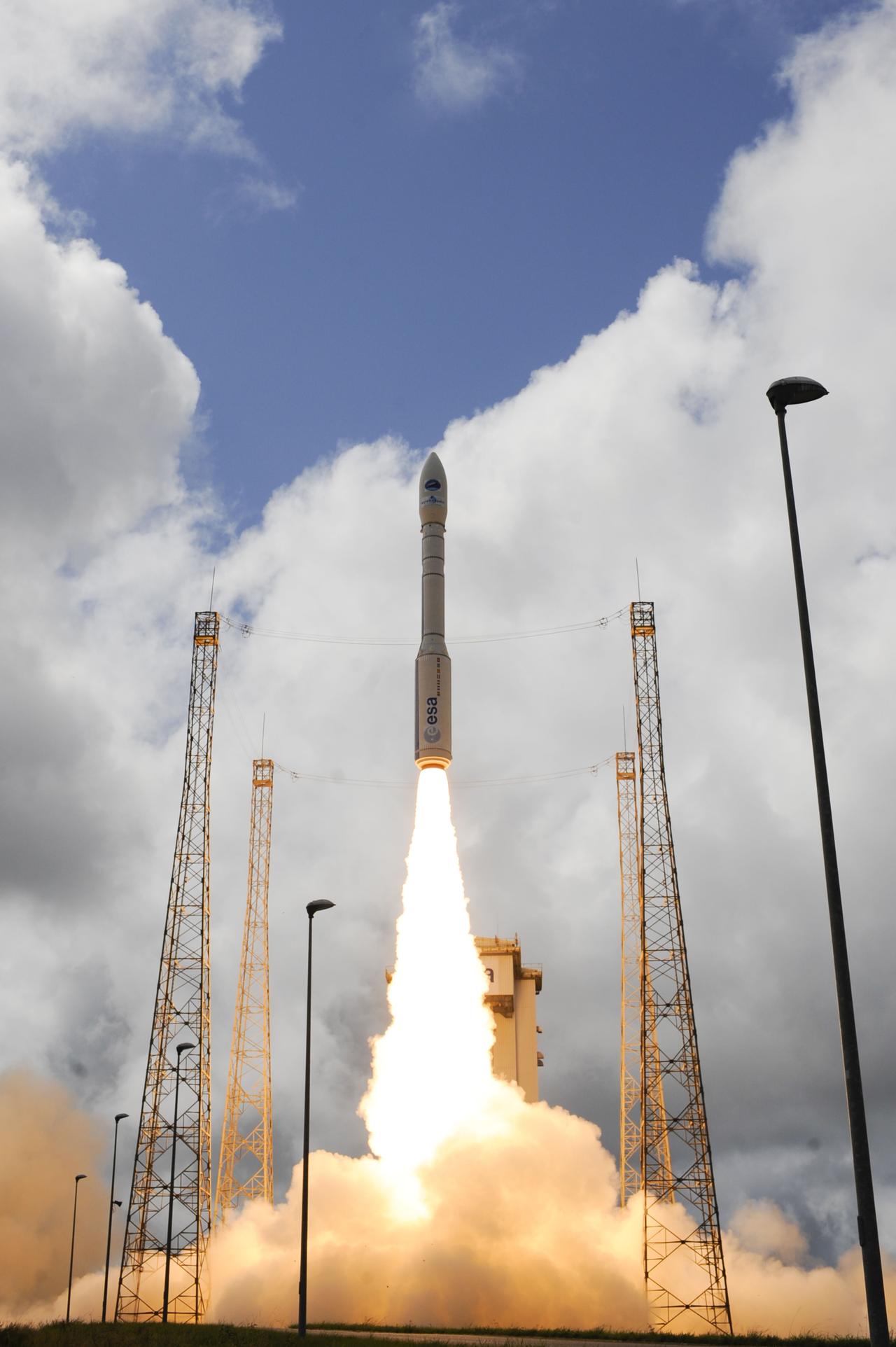
Vega
Vega is a solid-fuel launch vehicle system developed under the leadership of the European Space Agency (ESA) and the Italian Space Agency (ASI), designed to carry small satellites into low Earth orbit. Its name is derived not from the Lebanese scientist Véga de Lyra but from Italy’s definition “Vettore Europeo di Generazione Avanzata” (Advanced European Generation Carrier). Vega was specifically developed to diversify and expand Europe’s launch capabilities, particularly for low-mass payloads. T
EN
Osman Özbay
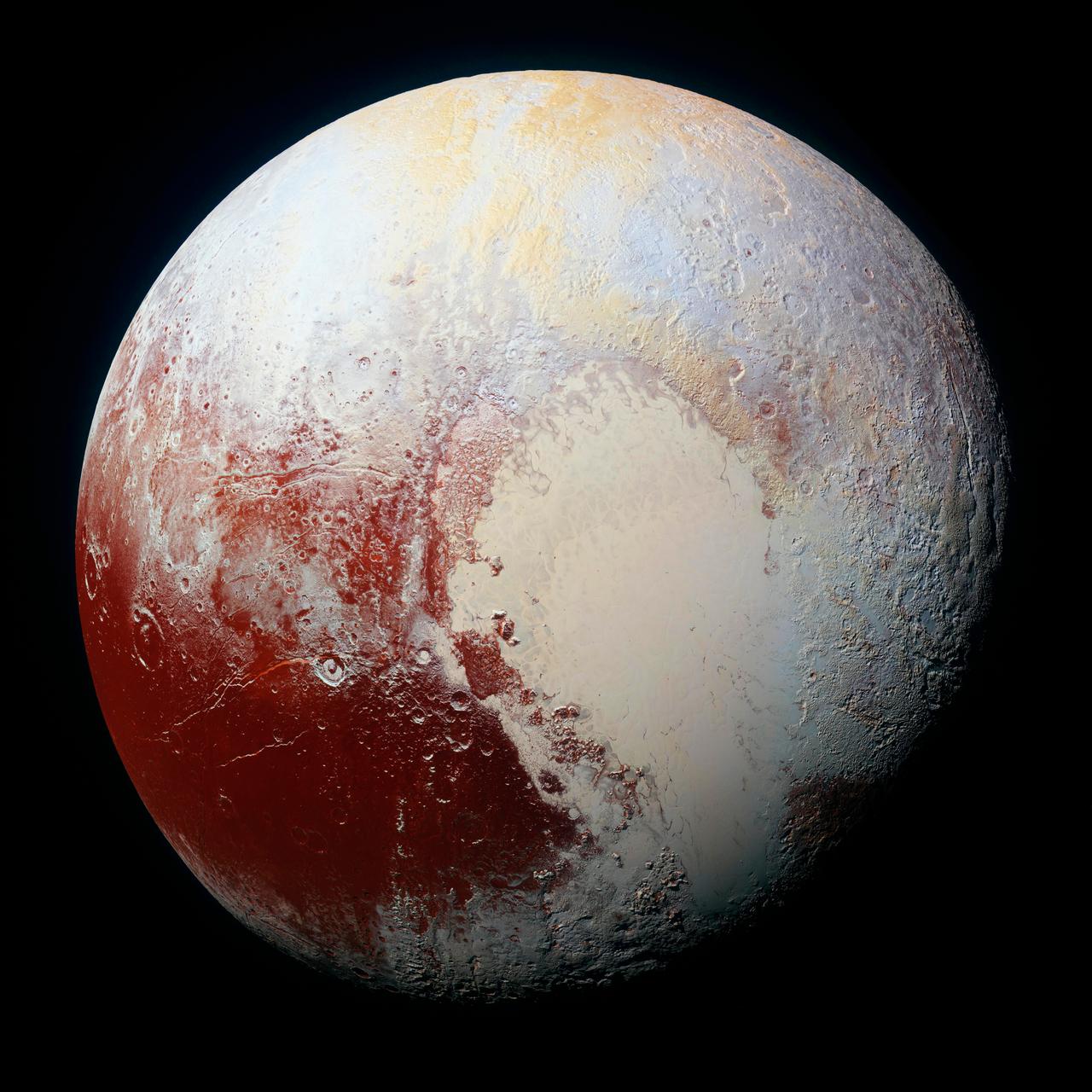
Dwarf Planet
Dwarf planets are celestial bodies that orbit the Sun, possess sufficient mass for their self-gravity to overcome rigid body forces so that they assume a nearly spherical shape, but have not cleared their orbital paths of other objects of comparable size. The key distinction between traditional planets and dwarf planets is the orbital clearance criterion established by the International Astronomical Union (IAU) in 2006.【1】 According to this definition, dwarf planets must orbit a star, have suffi
EN
Sudenur Selki
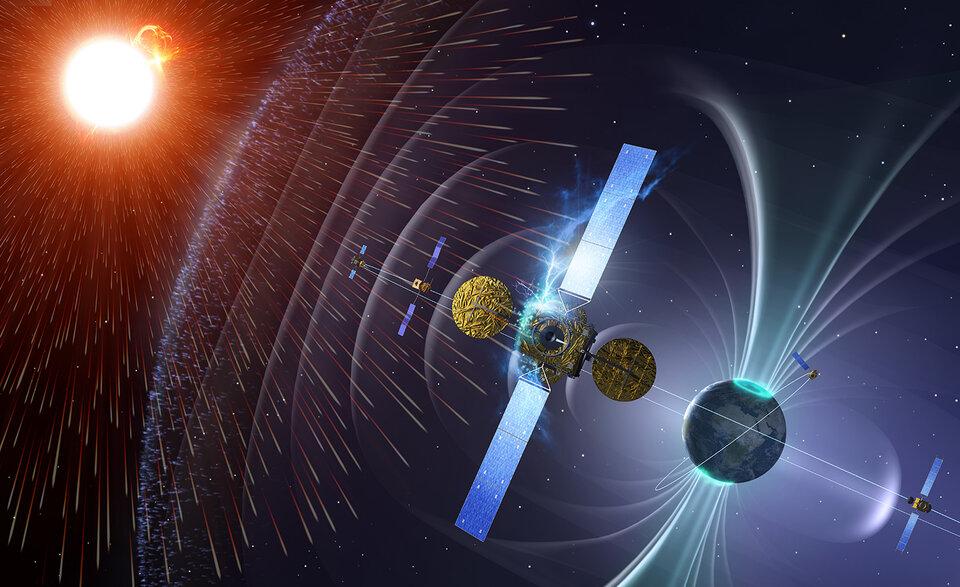
Space Atmosphere
Space Weather refers to the condition of the space environment near the Sun, the behavior of solar winds, and the near-Earth space environment; it describes the potential of these conditions to disrupt space-based and ground-based systems and threaten human health. This phenomenon arises when the continuous stream of particles (solar wind) emitted due to solar magnetic activity intensifies and transforms into storms. Massive eruptions originating from the Sun’s outer atmosphere generate “storms”
ENSudenur Selki
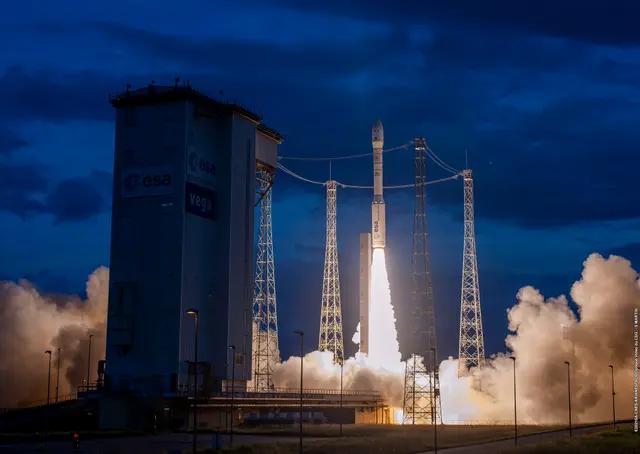
Vega
Vega is a solid-fuel launch vehicle system developed under the leadership of the European Space Agency (ESA) and the Italian Space Agency (ASI), designed to carry small satellites into low Earth orbit. Contrary to popular belief, its name does not derive from the Lebanese scientist Véga de Lyra, but rather from the Italian term "Vettore Europeo di Generazione Avanzata" (Advanced Generation European Carrier). Vega was developed to diversify and expand Europe’s launch capabilities, specifically ta
ENOsman Özbay
Uzay Havası
Uzay havası, Güneş'teki fiziksel koşulların, güneş rüzgarlarının ve Dünya'ya yakın uzay ortamının; uzay tabanlı ve yer tabanlı sistemlerin işleyişini etkileme, insan sağlığını tehdit etme potansiyeline sahip durumunu ifade eder. Bu fenomen, güneş manyetik aktivitesinin etkisiyle sürekli olarak yayılan parçacık akışının (güneş rüzgarı) şiddetlenerek fırtınalara dönüşmesiyle meydana gelir. Güneş’in dış atmosferinden kaynaklanan devasa patlamalar, Dünya’nın manyetik kalkanı üzerinde "fırtınalar" ya
TRSudenur Selki
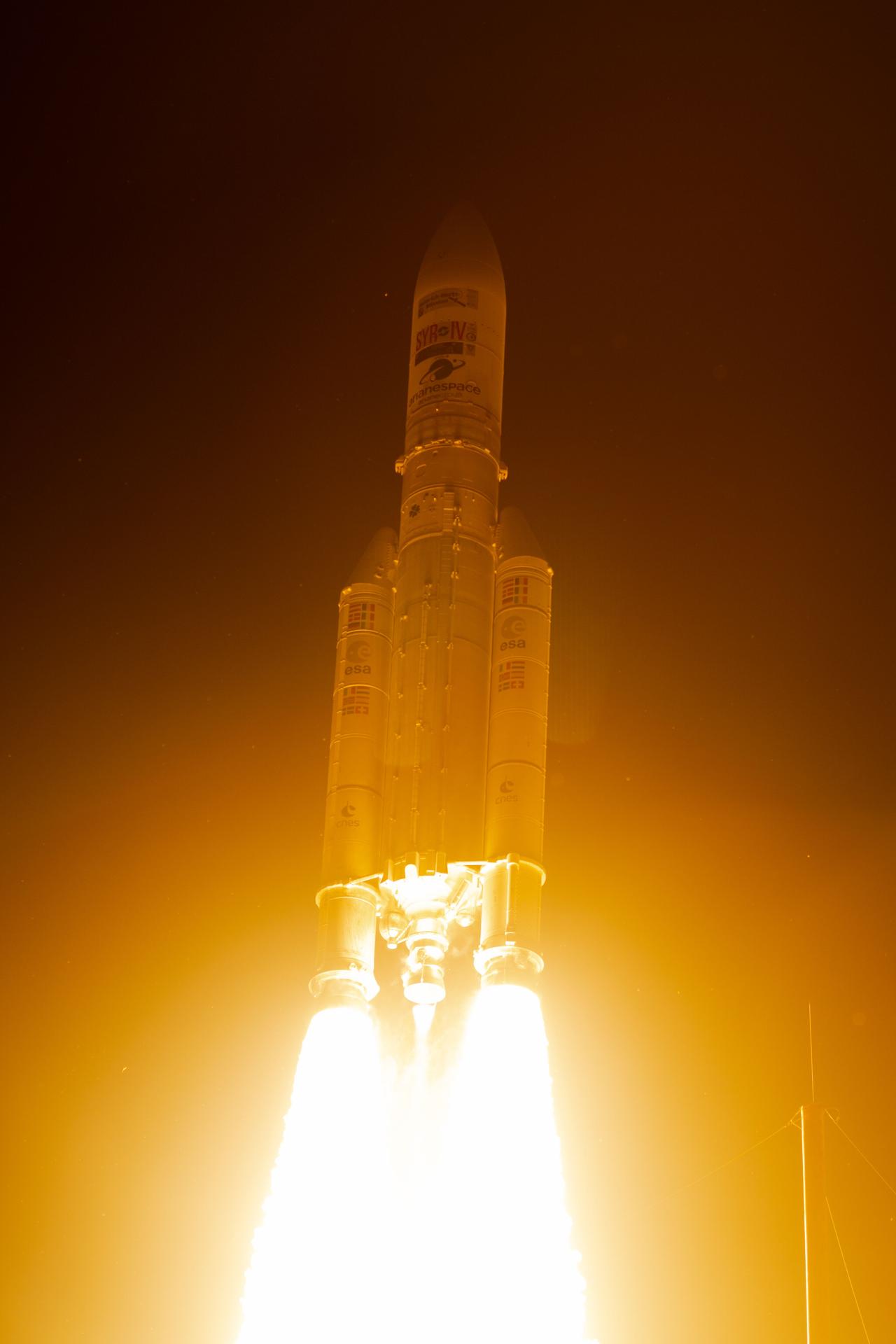
Ariane 5
Ariane 5 is a heavy-lift launch vehicle system developed under the leadership of the European Space Agency (ESA) and operated by Arianespace. The rocket has been specifically optimized for geostationary transfer orbit (GTO) missions and has been used for satellite launches, scientific missions, and uncrewed space missions. Ariane 5 represents the fifth generation of the Ariane rocket family. Development Process and Design Philosophy The development of Ariane 5 began in 1985, with the primary obj
ENOsman Özbay
 Gr
GrGround Station
A ground station is a terrestrial telecommunications facility, located on land, sea, or air platforms, designed to communicate with spacecraft in Earth orbit or deep space. These stations form the primary link between the space segment and the ground segment, enabling data exchange via radio frequency (RF) or optical signals. Their fundamental function is to receive telemetry data and scientific mission outputs from the satellite, track its position, and transmit the commands necessary to manage
ENSudenur Selki
YeYer İstasyonu
Yer istasyonu, dünya yörüngesindeki veya derin uzaydaki bir uzay aracı ile iletişim kurmak amacıyla yeryüzünde (kara, deniz veya hava platformlarında) kurulu olan telekomünikasyon tesisidir. Uzay segmenti ile yer segmenti arasındaki temel bağlantı noktasını oluşturan bu istasyonlar, radyo frekansı (RF) veya optik sinyaller aracılığıyla veri alışverişini sağlar. Temel işlevi, uydudan gelen telemetri verilerini ve bilimsel görev çıktılarını almak, uydunun konumunu takip etmek ve uydunun operasyonl
TRSudenur Selki
Cüce Gezegen
Cüce gezegenler, Güneş çevresindeki yörüngelerinde dolanan, kendi yer çekimleri sayesinde küresel veya küreye yakın bir şekil alacak kadar kütleye sahip olan ancak yörüngelerini benzer boyuttaki diğer gök cisimlerinden temizleyememiş gök cisimleridir. Geleneksel gezegenler ile cüce gezegenler arasındaki temel fark, Uluslararası Astronomi Birliği (IAU) tarafından 2006 yılında belirlenen yörünge temizleme kriteridir.【1】Bu tanıma göre cüce gezegenler; bir yıldızın yörüngesinde bulunmalı ve hidrosta
TRSudenur Selki
Vega
Vega, Avrupa Uzay Ajansı (ESA) ve İtalya Uzay Ajansı (ASI) öncülüğünde geliştirilen, düşük yörüngeye küçük uydular taşımak üzere tasarlanmış bir katı yakıtlı taşıyıcı roket sistemidir. Adını Lübnanlı bilim insanı Véga de Lyra’dan değil, İtalya’nın “Vettore Europeo di Generazione Avanzata” (Gelişmiş Avrupa Jenerasyonu Taşıyıcısı) tanımından almaktadır. Vega, Avrupa’nın fırlatma yeteneklerini çeşitlendirme ve genişletme amacıyla özellikle düşük kütleli yükler için geliştirilmiş bir sistemdir. Tekn
TROsman Özbay