

`epic` Related Article Results

Deer in Turkish Culture
Deer, has long stood out in Turkish culture as an animal imbued with sacred, guiding, protective, and symbolic meanings. Beyond being a game animal, it is a symbolic figure in myths, rituals, art, and folk literature. In ancient Turkic belief systems, particularly in shamanic traditions, the deer is seen as an expression of the bond between humans and nature; at times it serves as a guide leading humans to other realms, and at other times as a terrestrial manifestation of a divine being. Deer
EN
Hümeyra Yılmaz
What Are Nomadic Cultures?
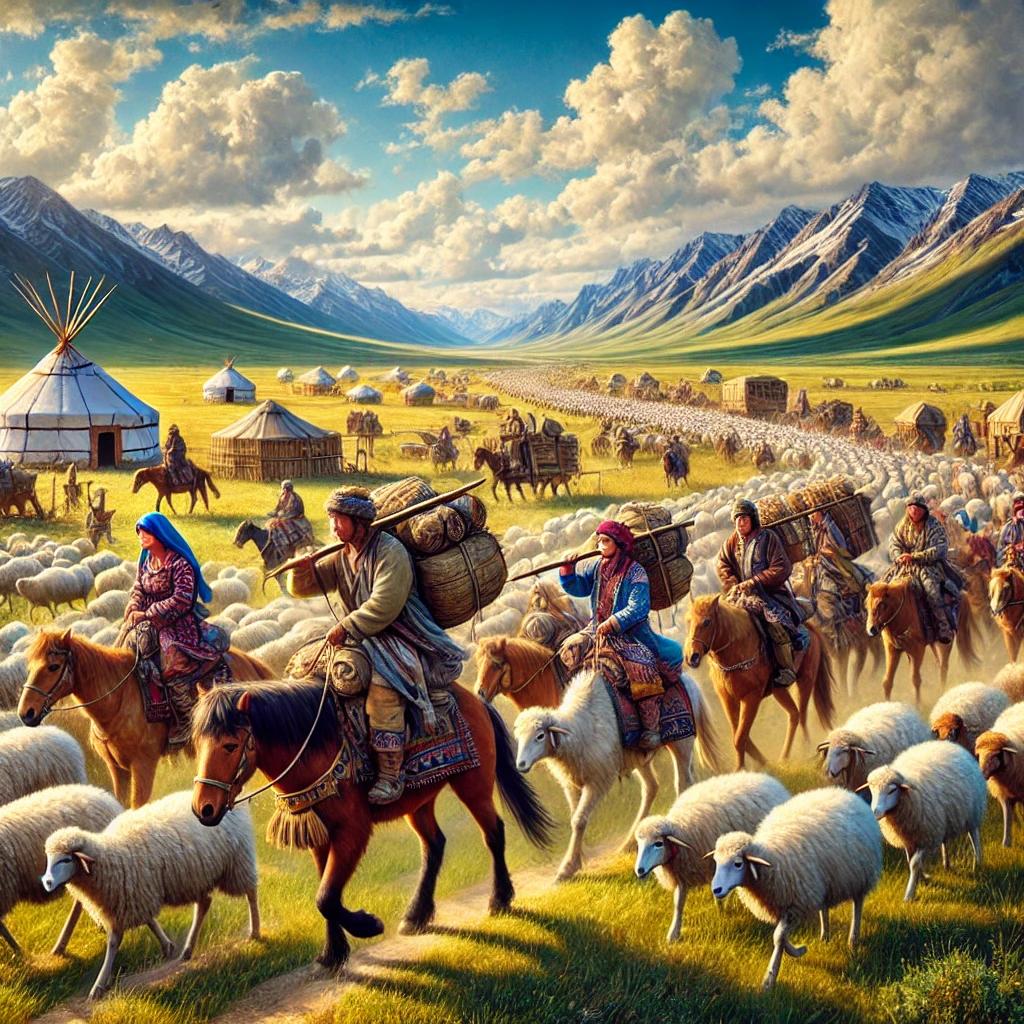
Nomadic cultures refer to a way of life in which people do not settle permanently in one place but move seasonally, according to climate conditions or the availability of food sources, often accompanied by their livestock. These people are called “nomads.” Nomads carry their homes, belongings, and animals with them. Before the transition to settled life, many people lived in this manner. What Was Nomadic Life Like? Nomadic life means living in close harmony with nature. To sustain their existenc
EN
Mustafa Cem İnci
 Il
IlIliad Epic
The Iliad is regarded as one of the oldest and most frequently referenced literary texts in Western literature. Composed around the mid-8th century BCE, this epic draws its subject matter from the Trojan War, traditionally dated to the 12th century BCE. The name of the epic derives from the inner citadel of Troy, known as “Ilion”, meaning “about the city of Ilion”. However, this narrative is also interpreted as a poetic representation of early human conceptions of fate, divine-human relationship
EN
Yahya B. Keskin
BaBattal Gazi – The Indelible Hero of Anatolia
Battal Gazi is a Muslim warrior believed to have lived in the 8th century and participated in campaigns against the Byzantines during the Umayyad period. His full name is recorded as Abdullah al-Battal. He is particularly known for his military expeditions in Anatolia. Battal Gazi, mentioned in both historical sources and folk tales, gradually evolved into a figure of both military and cultural heroism. Historical Information Information about Battal Gazi’s real life is based on the raids conduc
EN
Zozan Demirci
EpEpic of Gilgamesh
The Epic of Gilgamesh is regarded as the earliest known long literary text in written history. Its formation extends back to the Sumerian period, around 5000 BCE, when it began to be recorded in writing. The epic was composed in the Akkadian language using cuneiform script on clay tablets and remained popular during the periods of the Assyrian and Babylonian kingdoms. Access to the texts of the Epic of Gilgamesh became possible through archaeological discoveries in the mid-19th century. The epic
ENYahya B. Keskin

Kökin Erkey Epic
Kökin Erkey Epic is one of the oral narratives belonging to the Altay Turk epic tradition, focusing on the maturation of a hero through supernatural events, various trials, and struggles. The epic embodies the Altay epic tradition’s conception of the mythic cosmos, its understanding of heroism, and its belief systems. The narrative centers on the events befalling the hero Kökin Erkey, through which themes such as individual struggle, preservation of social order, and the concept of fate come to
EN
sudenur kocaoglu

Deer in Turkish Culture
Deer has stood out in Turkish culture since ancient times as an animal imbued with sacred, guiding, protective, and symbolic meanings. Beyond being a hunting animal, it is a symbolic figure in mythological narratives, rituals, art, and folk literature. In ancient Turkish belief systems, particularly in the shamanic tradition, the deer is seen as an expression of the bond between humanity and nature. Sometimes it serves as a guide leading humans to other realms; at other times, it appears as a te
EN
Hümeyra Yılmaz
Ergenekon Epic: The Rebirth of the Turks
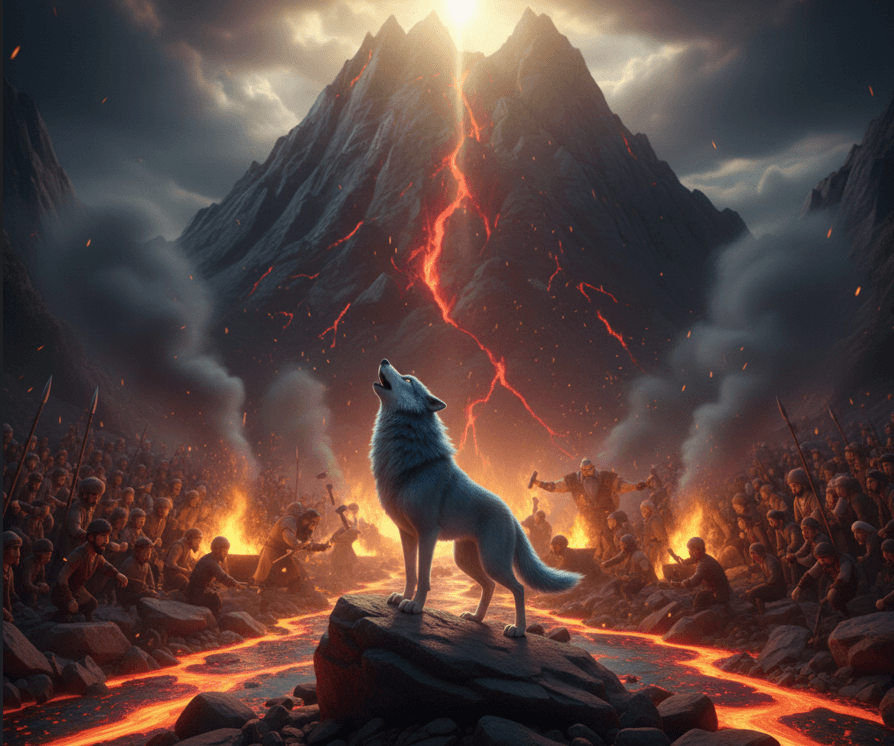
History is like a vast memory that records the events of societies, their victories, injustices suffered, and struggles for survival. Yet some events do not remain confined to history books; they are passed from mouth to mouth, transforming into enchanting tales known as "epics." Epics are long and deeply rooted narratives that convey a nation’s character, dreams, and stance in the face of adversity. Today, we will examine the Ergenekon Epic, which symbolizes the struggle for existence and deliv
EN
Kasım Emre Anıl
Epic of Edige
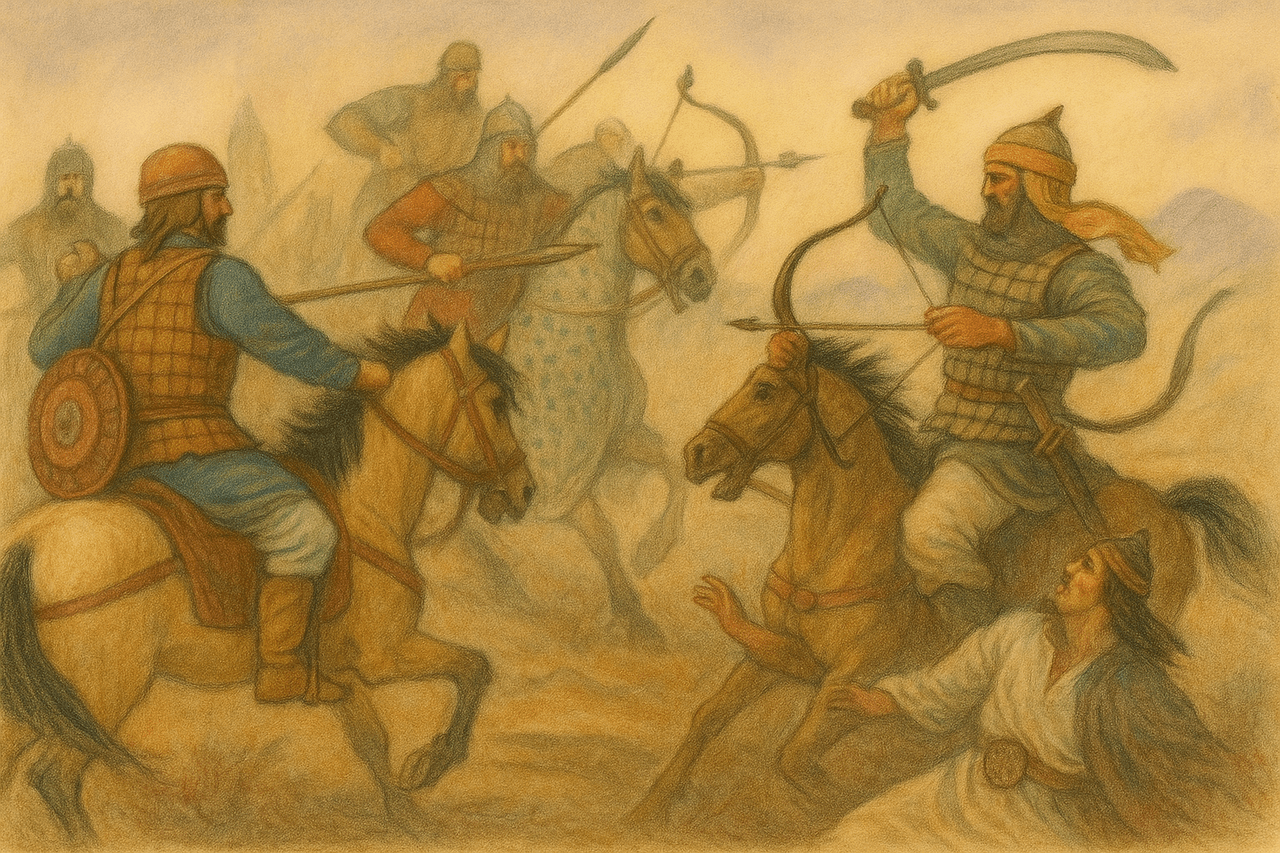
Edige Epic is a heroic narrative belonging to the shared cultural sphere of Turkic peoples. This epic has been created by various Turkic communities and transmitted orally from generation to generation. The events it contains reflect social values, national ideals, and the emotions of the people. The Edige Epic has become a significant folk narrative widely known among Turkic communities living in the Golden Horde region, the Central Asian steppes, and around Western Siberia. The presence of thi
EN
Yahya B. Keskin
What Is an Epic?
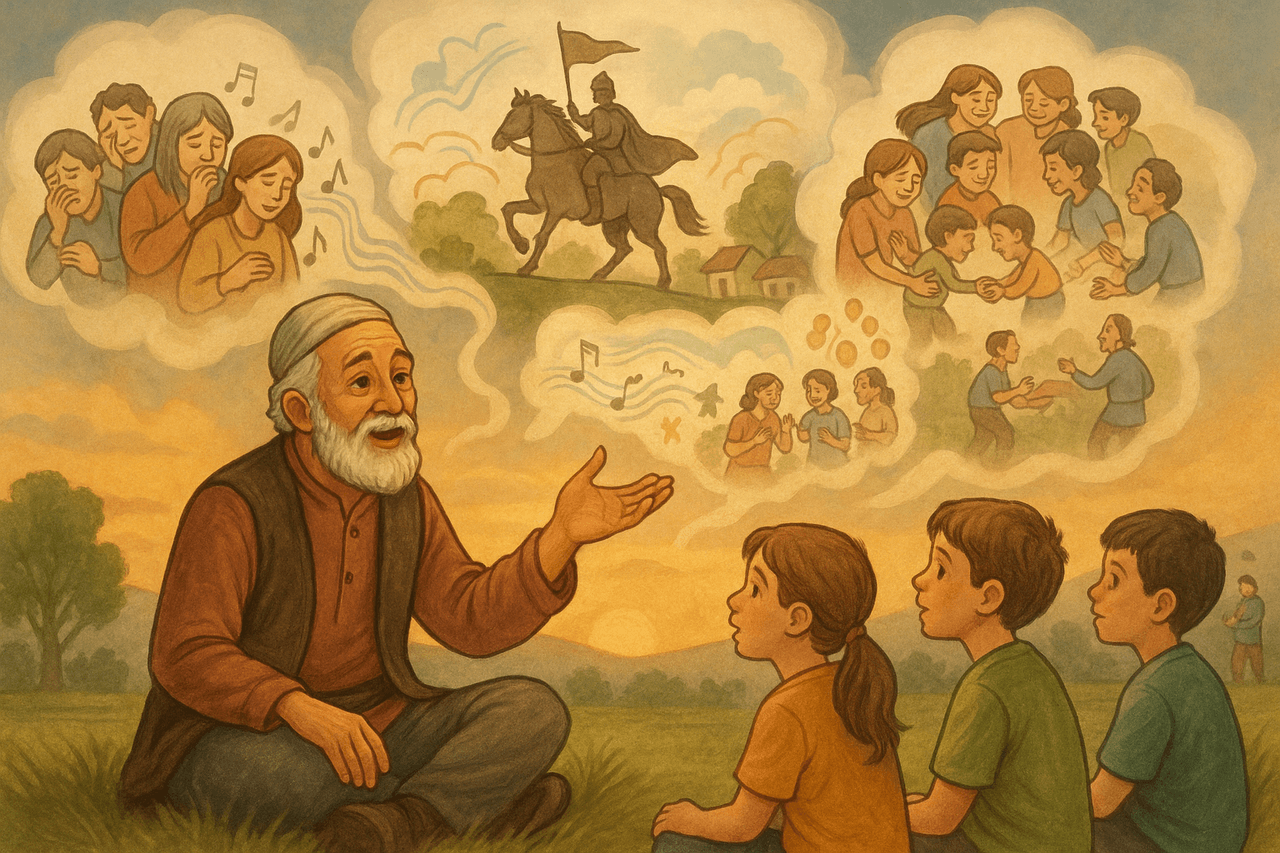
Epic is a long narrative that recounts significant events, heroic deeds, and sometimes extraordinary adventures experienced by a people in the past. These stories are passed down orally from generation to generation within the collective memory of the community. Initially transmitted orally, epics were later committed to writing. Epics are not merely stories; they also carry within them a nation’s history, beliefs, dreams, and values. Characteristics of Epics Heroism and great events are narrate
EN
Sevgi Kıraç