

`energy-security` Related Article Results
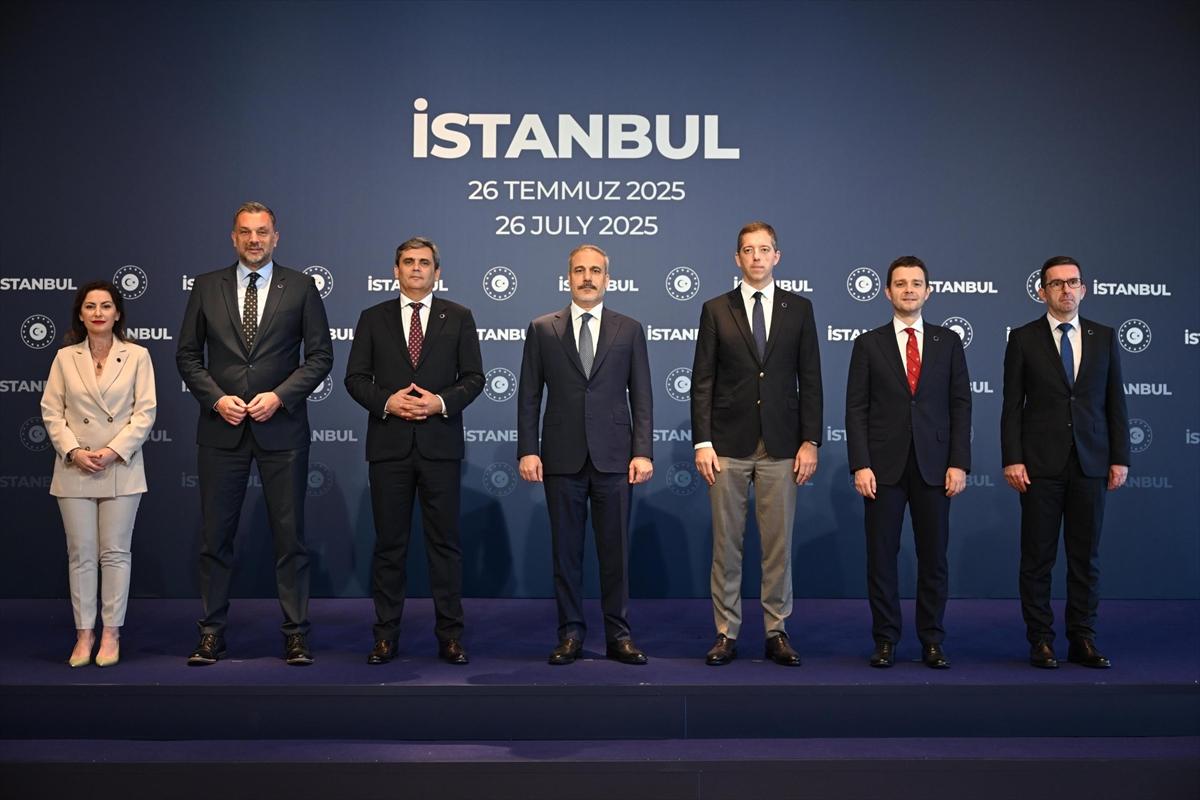
First Meeting of the Balkan Peace Platform (2025)
The Balkan Peace Platform is an informal consultative initiative established under Turkey’s leadership, aiming to enhance mutual trust, dialogue, and lasting cooperation among Balkan countries. Designed to complement existing regional mechanisms, the platform serves as a forum for open exchange and collaboration. Its inaugural meeting was held at the foreign ministerial level on July 26, 2025, in Istanbul. Purpose of the Meeting The primary objective of the meeting was to develop common approach
EN
Edanur Karakoç
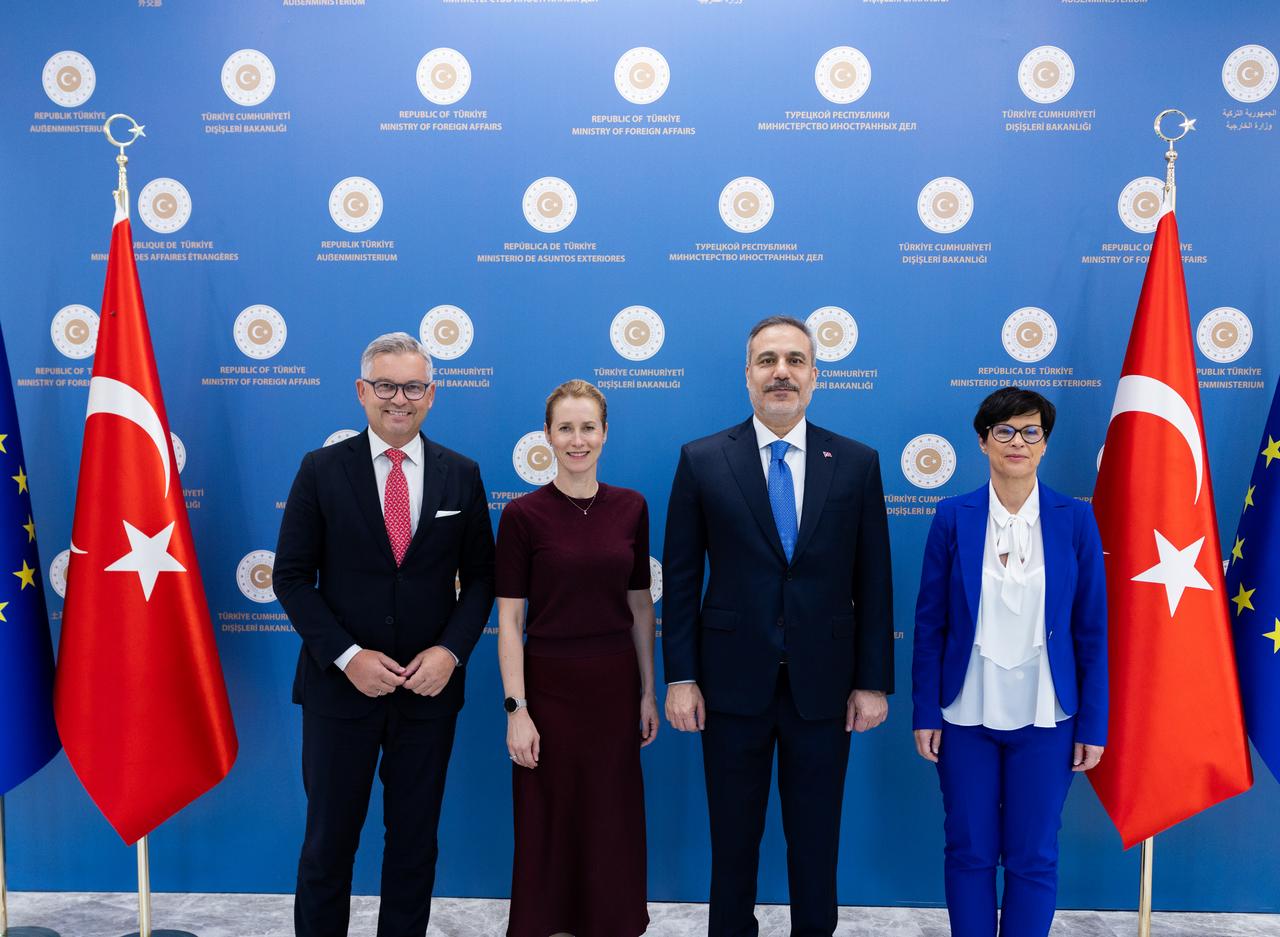
European Union's Triple Visit to Türkiye (June 2026)
European Union (EU) sent a high-level delegation to Ankara on 30 June 2026 to enhance its political dialogue and strategic cooperation with Türkiye. During the visit, High Representative of the European Union for Foreign Affairs and Security Policy Kaja Kallas, European Commission Member for Enlargement Marta Kos and European Commission Member for Home Affairs and Migration Magnus Brunner held meetings in Ankara. The simultaneous visit by the three commissioners has been regarded as one of the r
EN
Zeynep Gül
Economic Security
Economic security is a multidimensional concept that has gained increasing importance in modern international relations and national security frameworks. In its broadest definition, economic security refers to the protection of a state’s, society’s, or individuals’ economic values, interests, and living conditions from external or internal threats. This form of security addresses both individual welfare levels and the sustainability of national economic structures, and it maintains close recipro
EN
Mehmet Fatih Argın
 TA
TATANAP (Trans-Anatolian Natural Gas Pipeline Project)
Trans-Anatolian Natural Gas Pipeline Project (TANAP), is the central link of the Southern Gas Corridor, transporting Azerbaijani gas through Türkiye to Europe. The project acquired its institutional framework through agreements reached between 2011 and 2012, entered the construction phase in 2015, delivered its first gas to Türkiye in 2018, and enabled gas delivery to Europe by the end of 2020 following the completion of TAP. Technically, the system extends from the Türkgözü entry point at the T
EN
Sümeyra Uzun
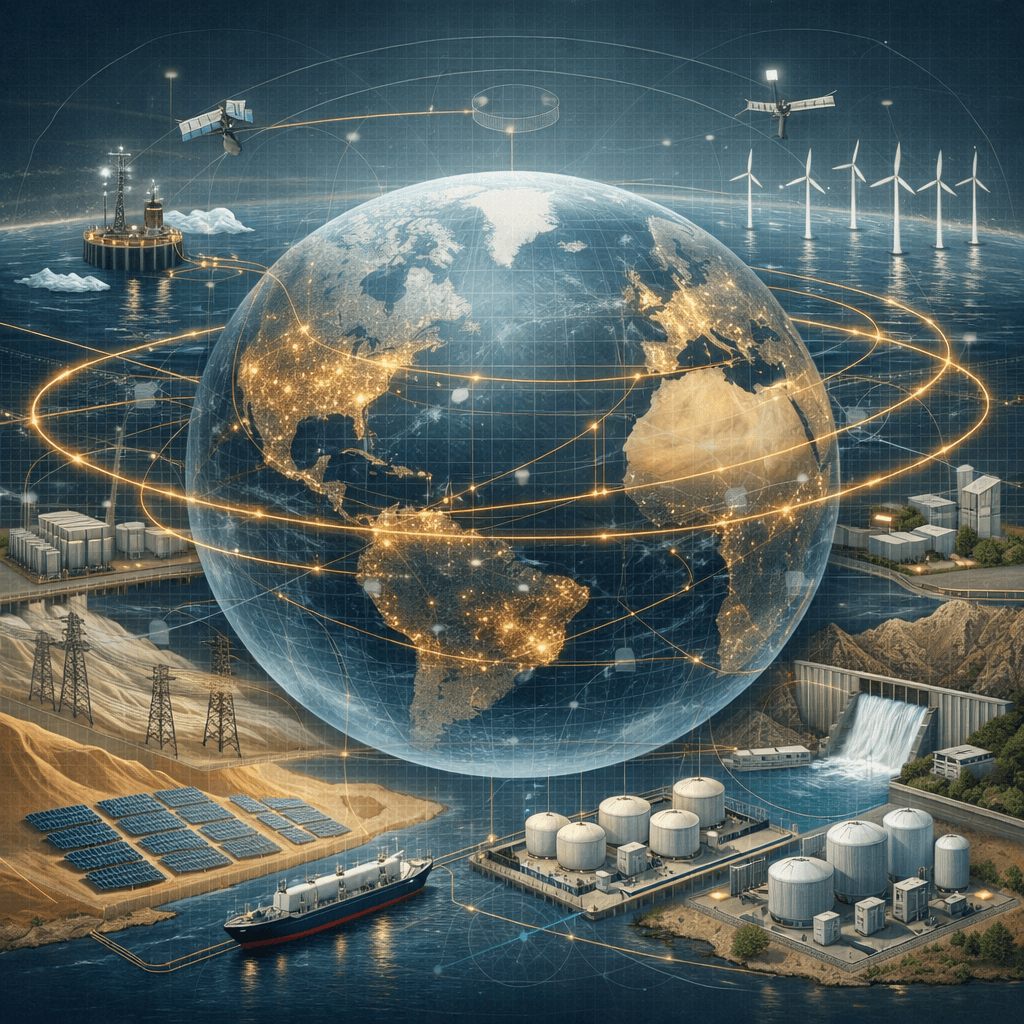
Energy Geopolitics
Energy geopolitics is an interdisciplinary field that examines the interdependent relationships between the geographical distribution of energy resources, production and transmission infrastructure, trade networks, technology supply chains, and international power relations. The subject extends beyond merely where resources are located; it addresses questions such as how supply security is ensured, which political vulnerabilities affect price stability, how energy transition creates new forms of
EN
Ömer Said Aydın