

`earth-observation-satellite` Related Article Results
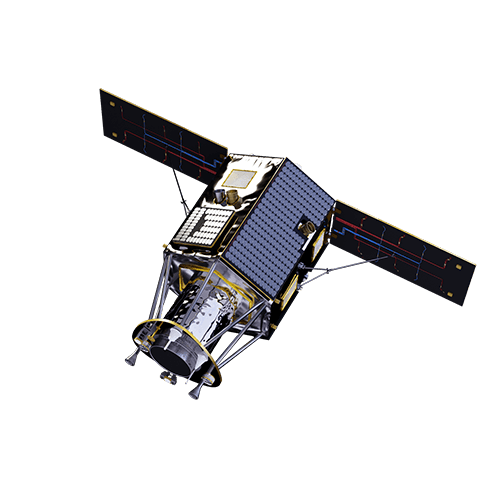
İMECE Satellite
İMECE is Türkiye’s first domestically developed Earth observation satellite with sub-meter resolution, utilizing national capabilities. The project was undertaken to design, manufacture, and test satellite subsystems—including a high-resolution electro-optic satellite camera—entirely within Türkiye. Developed by TÜBİTAK Space Technologies Research Institute, the satellite was implemented under the coordination of the Ministry of National Defense and the Presidency of Defense Industries, with sup
EN
Zelal Çakar

Microsatellite Technologies
Microsatellites are small spacecraft typically weighing between 10 and 100 kilograms. This category forms part of the small satellite (smallsat) family along with even smaller subclasses: nanosatellites (1–10 kg), picosatellites (0.1–1 kg), and femtosatellites (<0.1 kg). Among the earliest examples is Sputnik 1, launched in 1957, which is considered the starting point of this technological lineage due to its mass being close to that of modern microsatellites.Mantzouris, G. “Micro and Pico Sat
EN
Ömer Said Aydın
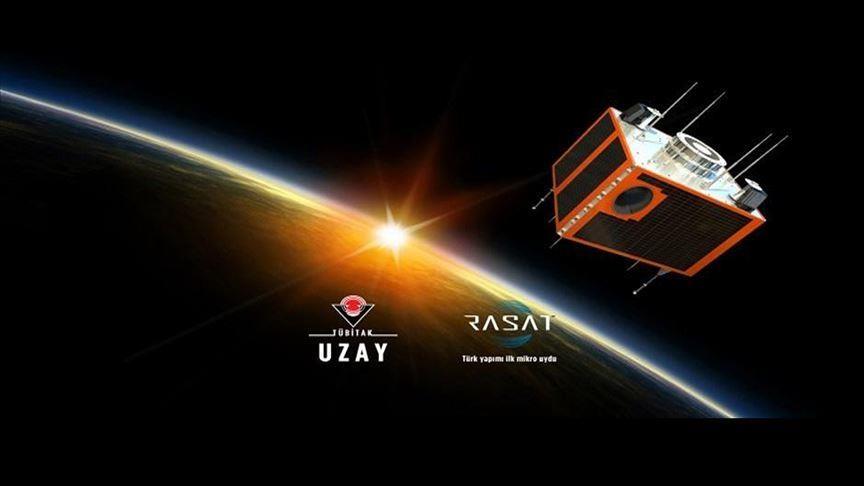
RASAT Earth Observation Satellite
RASAT is the first Earth observation satellite developed entirely with national capabilities by TÜBİTAK Space Technologies Research Institute (UZAY). The satellite is associated with Türkiye’s objectives of moving independently in space research and reducing external dependency. RASAT was launched into space on 17 August 2011 aboard a Dnepr launch vehicle from Russia’s Yasny Launch Base and successfully entered a Sun-synchronous orbit at an altitude of 687 km 969 seconds after launch. Although i
EN
Melike Erol