

`earth` Related Article Results
World
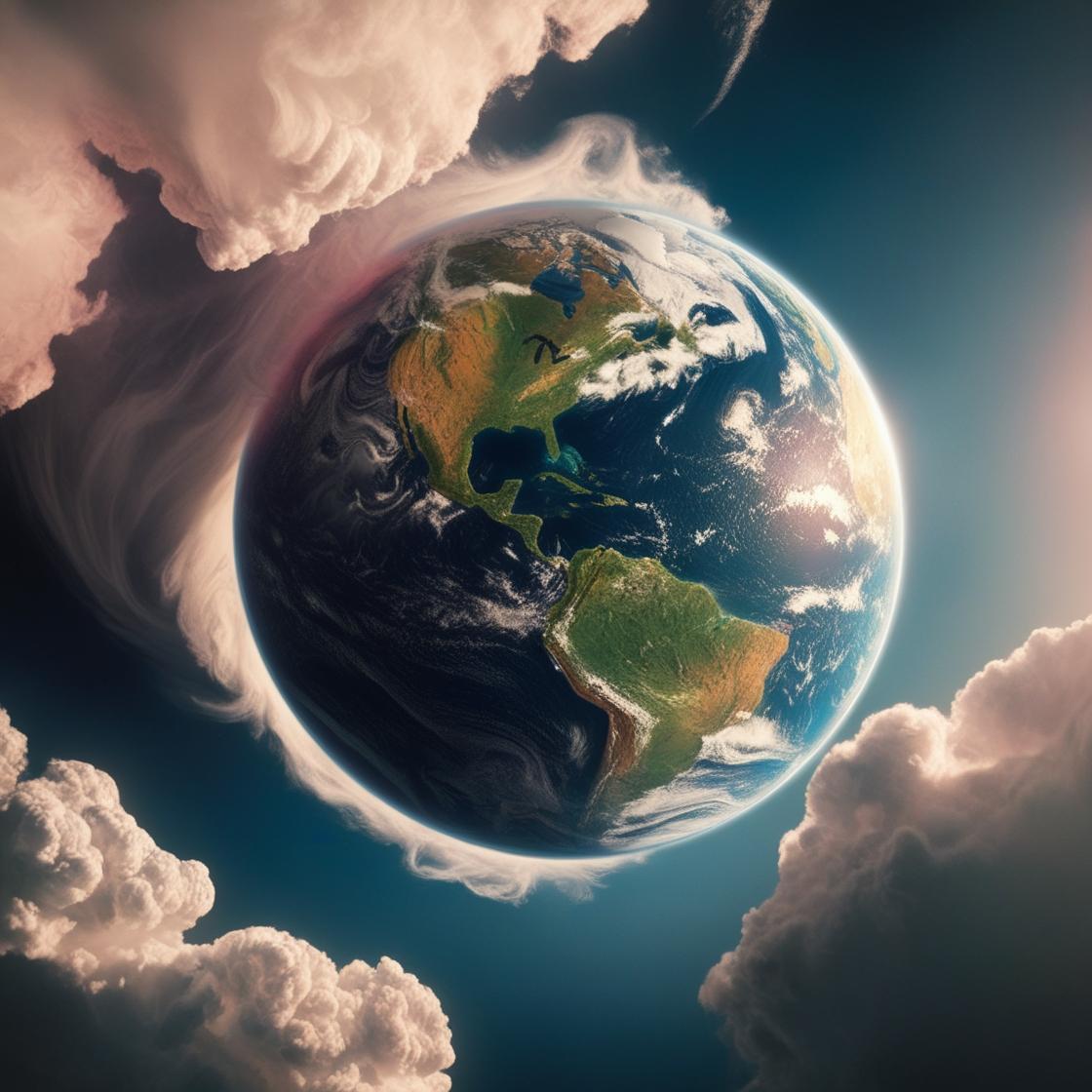
Earth is the third planet from Sun and the largest of the terrestrial (inner) planets. It differs from all other planets in the Solar System due to its dense atmosphere, vast surface coverage of liquid water, and the complex forms of life it supports. Known as the Blue Planet, Earth has a dynamic structure shaped by the interaction of ongoing geological, atmospheric, hydrological and biological systems dynamic. Position in the Solar System and Fundamental Physical Properties Earth orbits the Sun
EN
Caner Sefa Koçyiğit
Potential Habitable Exoplanet HD 137010 b
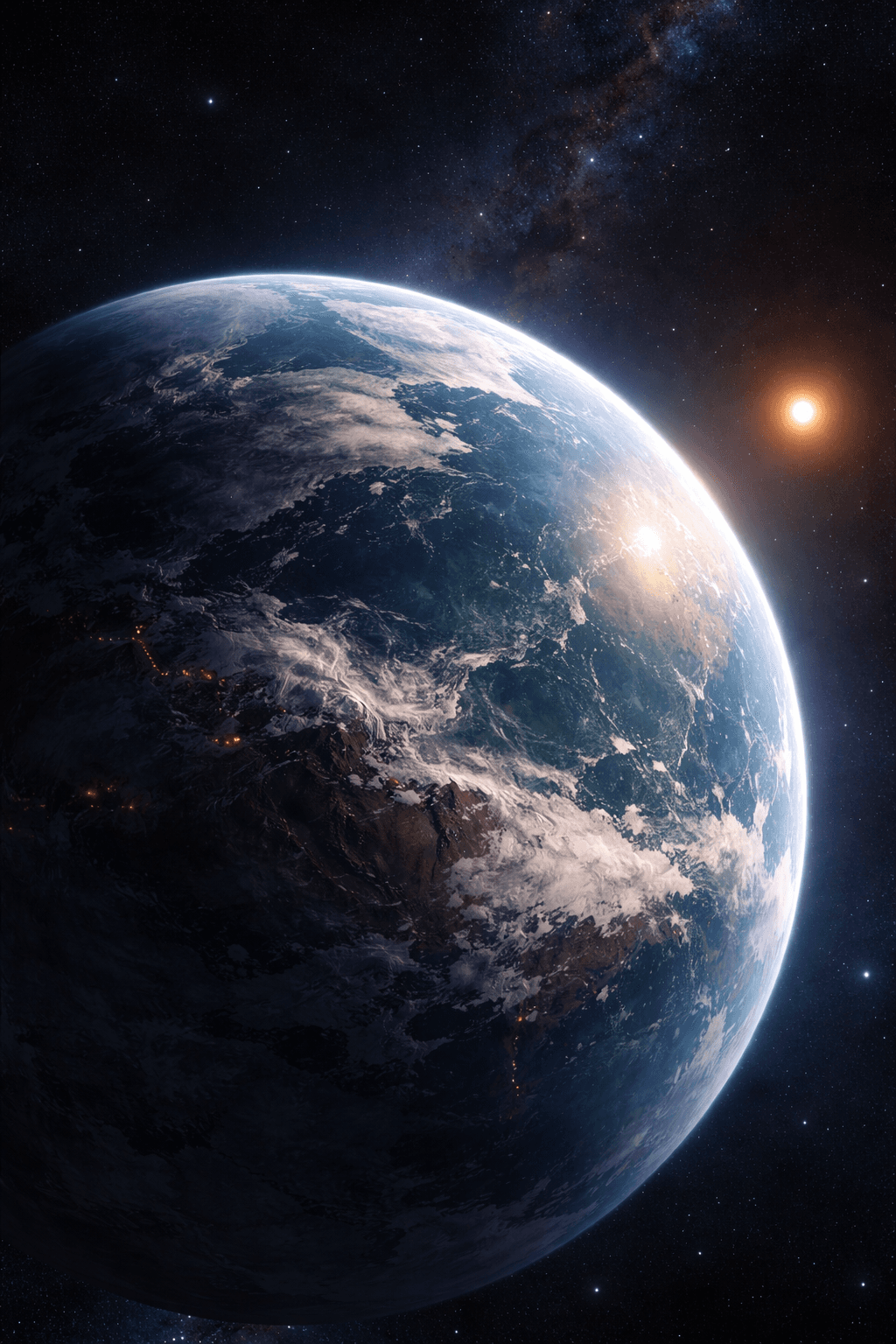
Spatial research continues to expand our understanding of the universe each day. Recently, astronomers announced the discovery of a new planet located at a relatively close distance from World and possessing potential for habitability. This planet, named HD 137010 b, has attracted scientific interest due to its characteristics. How Close Is It to Earth? HD 137010 b is located approximately 146 light years from Earth. Its radius is only 6 percent larger than Earth’s, placing it very close to the
EN
Oksana Gülünay
Geodesy
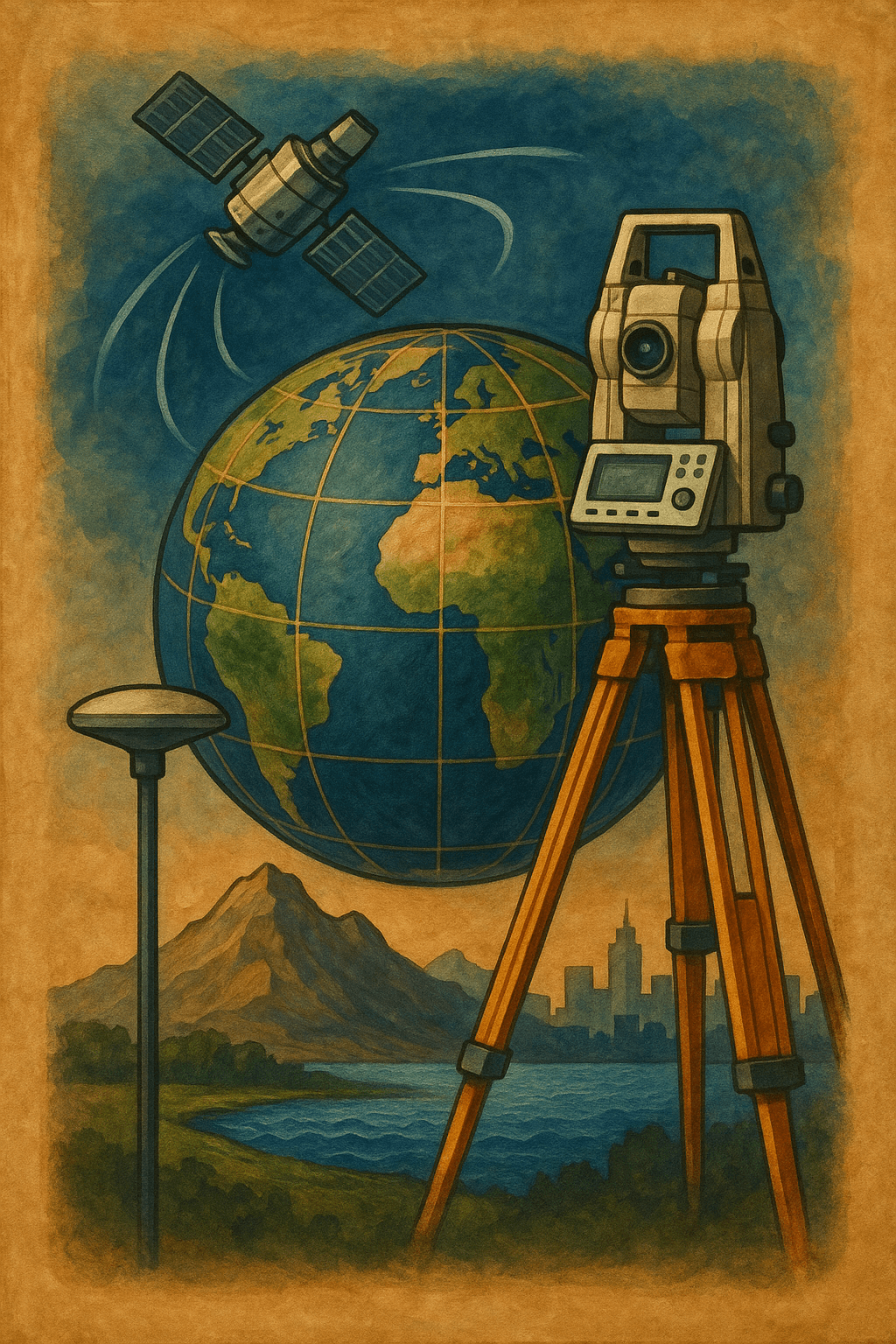
Geodesy is the scientific discipline concerned with the study of the Earth's geometric shape, dimensions, gravity field, and their temporal variations. In its classical form, geodesy was defined by F.R. Helmert in 1880 as the "science of the measurement and mapping of the Earth’s surface." This definition, which also includes the Earth's external gravity field and the ocean floor, has retained its relevance. In modern terms, it has been extended to include the temporal variations of the Earth an
EN
Salih Bozkurt
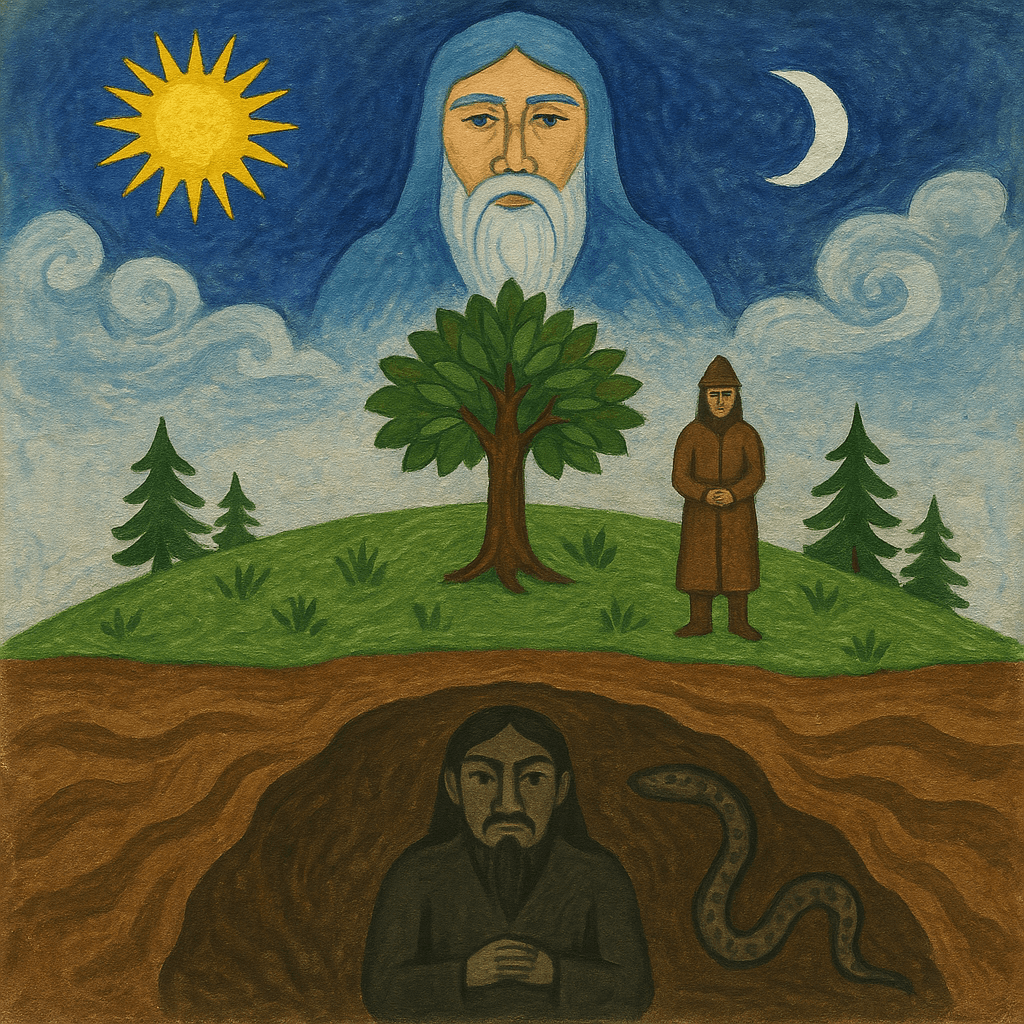
The Concept of the Triple World in Turkish Mythology
In Turkish mythology, the tripartite conception of the world is a cosmological model reflecting the ancient Turks’ understanding of the universe. According to this model, the universe consists of three main planes: the sky, the earth (surface), and the underworld. Each plane is defined by its own unique beings, spirits, and conceptual order. This worldview occupied a central place in the belief systems of the ancient Turks and shaped their social, cultural, mythological, and ritualistic lives. S
EN
Neriman Çalışkan
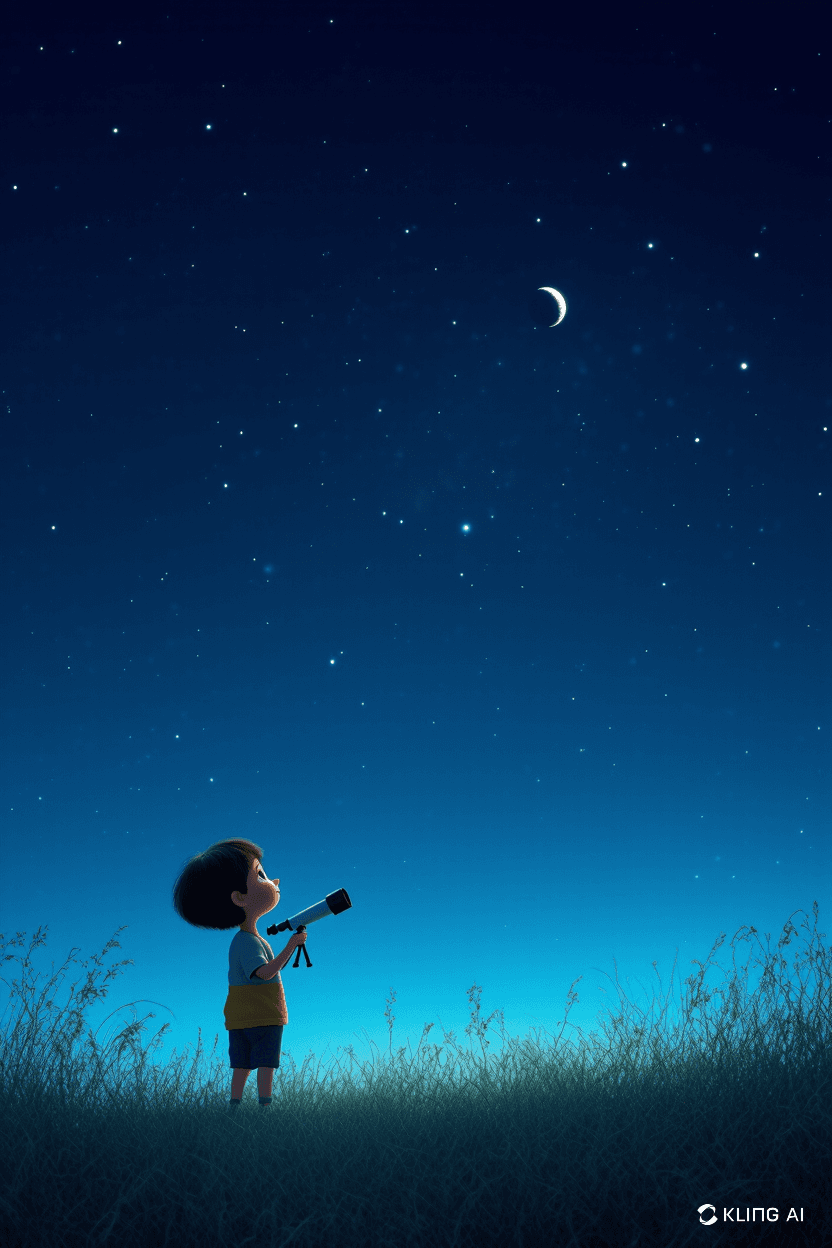
Phases of the Moon
The Moon’s Magical Dance: Phases and Reasons Hello, little explorer! Are you ready to discover the Moon’s magical dance across the sky? Yes, the Moon changes its shape every night, but behind this magic lies a fascinating scientific secret! Let’s begin! 🌕 First of all, the Moon does not inflate and deflate like a balloon, does it? The Moon always stays the same size. So why does it look “round” one night and “thin” the next? The reason is the Moon’s journey around Earth and the light coming fro
EN
Erva Öztürk

Ozone Layer
In the sky above our planet, there is a very special “protective blanket”! Its name: Ozone Layer. This layer protects life on Earth by absorbing harmful solar radiation. Let’s explore the story of ozone together! 🧪 What Is Ozone? How Is It Formed? Ozone is a special gas formed by the combination of three oxygen atoms. Most ozone exists in the upper layers of the atmosphere, in a region called the stratosphere. When ultraviolet rays from the Sun strike oxygen molecules, they break apart, releasi
EN
Elif Laçin
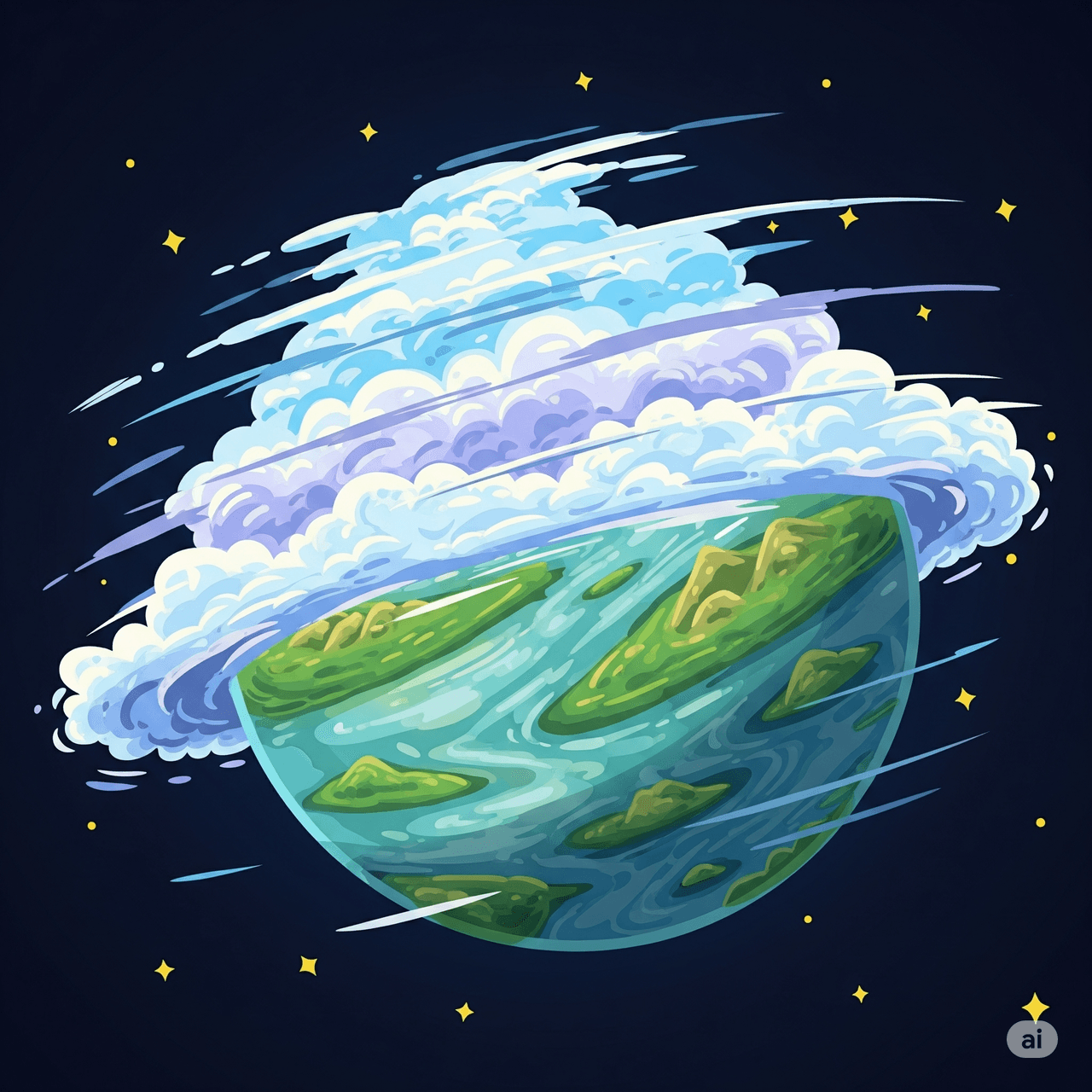
What Is Superrotation?
Superrotation is the phenomenon in which a planet’s atmosphere rotates faster than the planet itself. In other words, the atmosphere moves more rapidly than the surface. This effect is particularly pronounced on planets such as Venus and Titan. How Does It Occur? This phenomenon occurs due to large waves and fluctuations in the atmosphere. Particularly, the transport of angular momentum toward the equator generates this strong rotational motion. Additionally, Rossby waves formed in the atmospher
EN
İbrahim Filiz
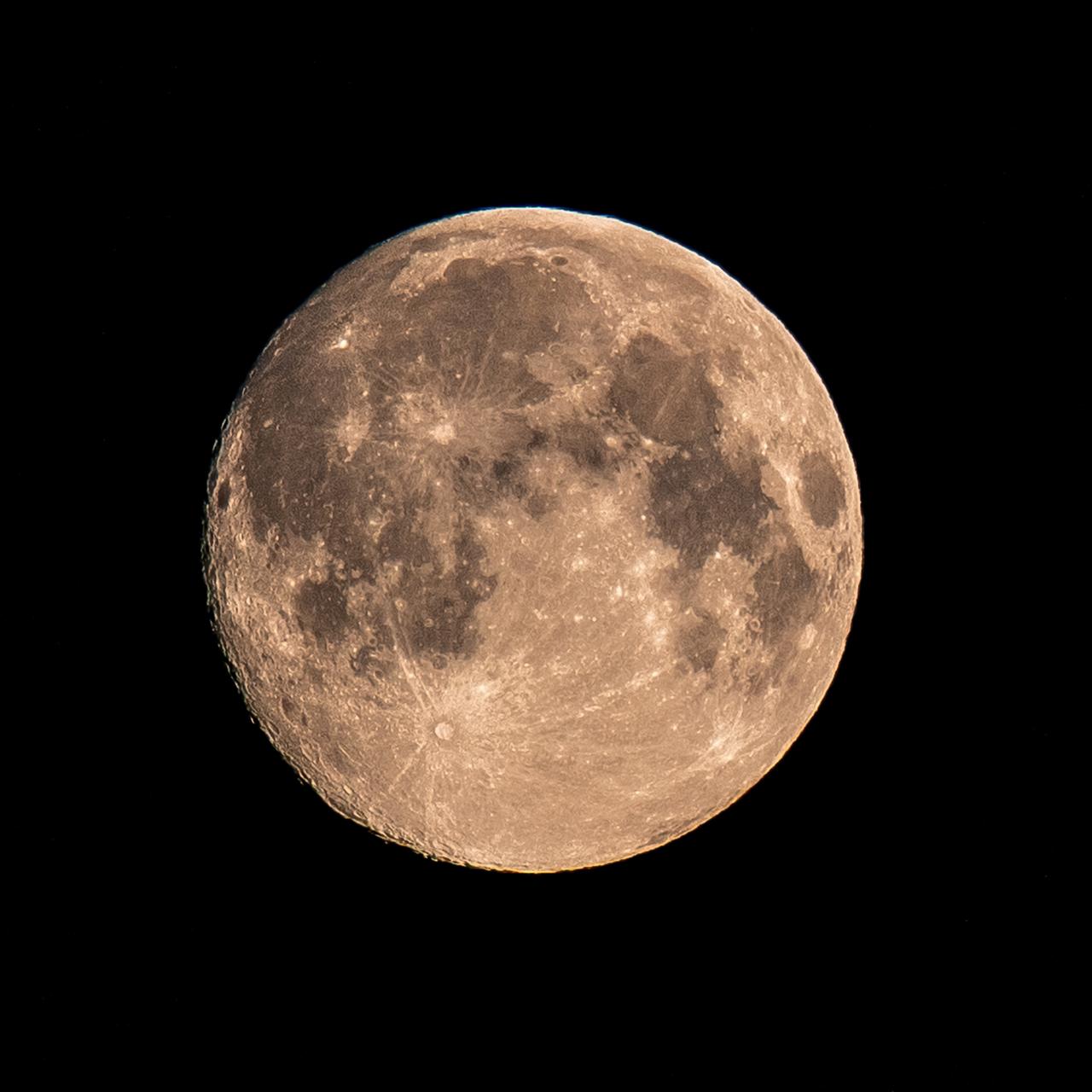
A Night Without the Moon: What If the Story of the World Were Different
Within the order of the universe, certain celestial bodies stand out due to their extraordinary influences. When examining the Solar System, the mass disparities between planets and their natural satellites become striking; in this context, the most remarkable balance is that established between Earth and the Moon. Due to its substantial mass, the Moon transcends the role of an ordinary satellite and exerts significant physical effects on Earth. It is not merely a passive celestial body orbiting
EN
Mehmet Bağcı
Potential Habitable Exoplanet HD 137010 b
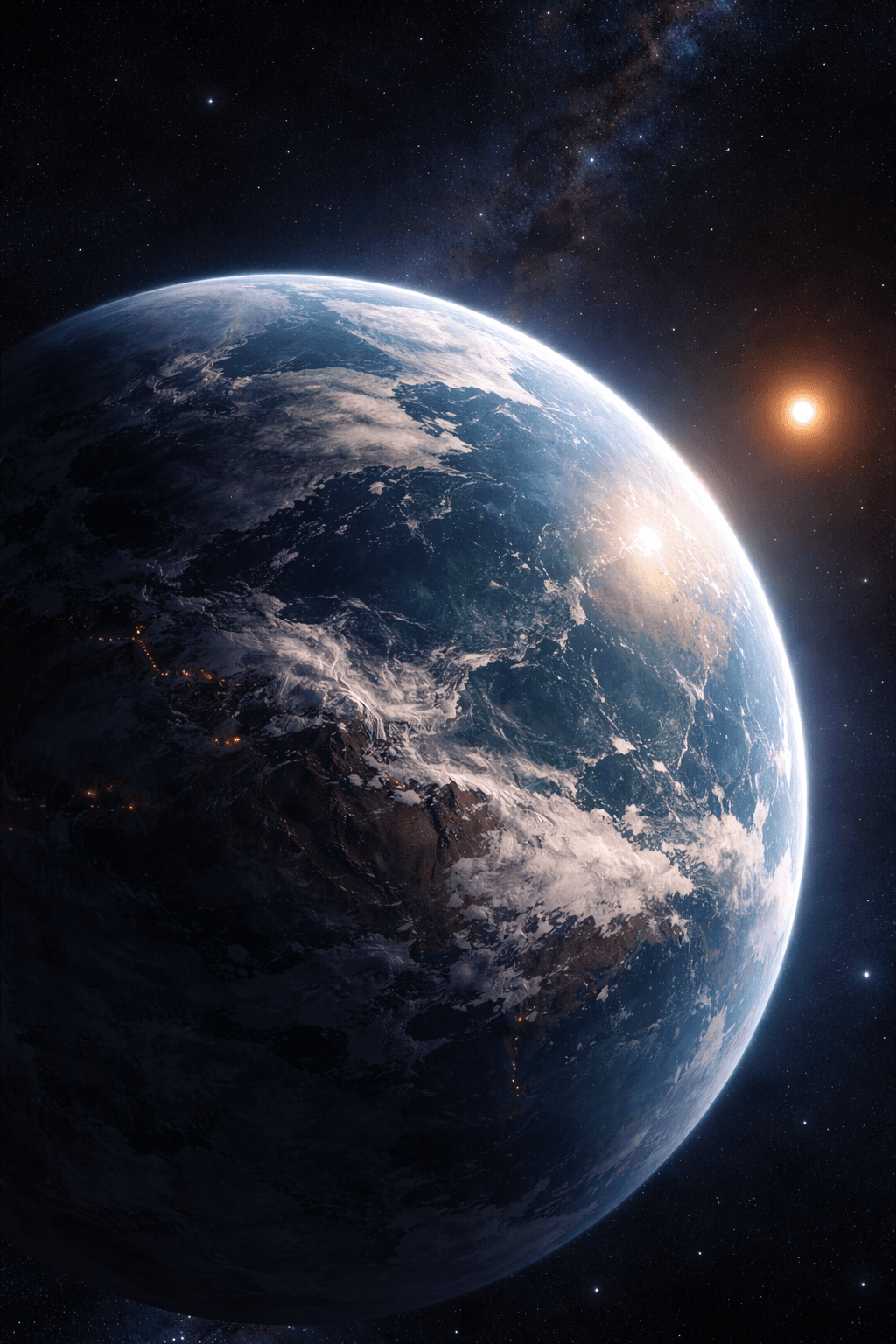
Space research continues to expand our understanding of the universe each day. Most recently, astronomers announced the discovery of a new planet, relatively close to Earth, that may have potential for habitability. This planet, named HD 137010 b, has attracted scientific interest due to its characteristics. How Close Is It to Earth? HD 137010 b is located approximately 146 light years from Earth. Its radius is only 6 percent larger than Earth’s, placing it very close to the category of “Earth-l
EN
Oksana Gülünay
Pale Blue Dot
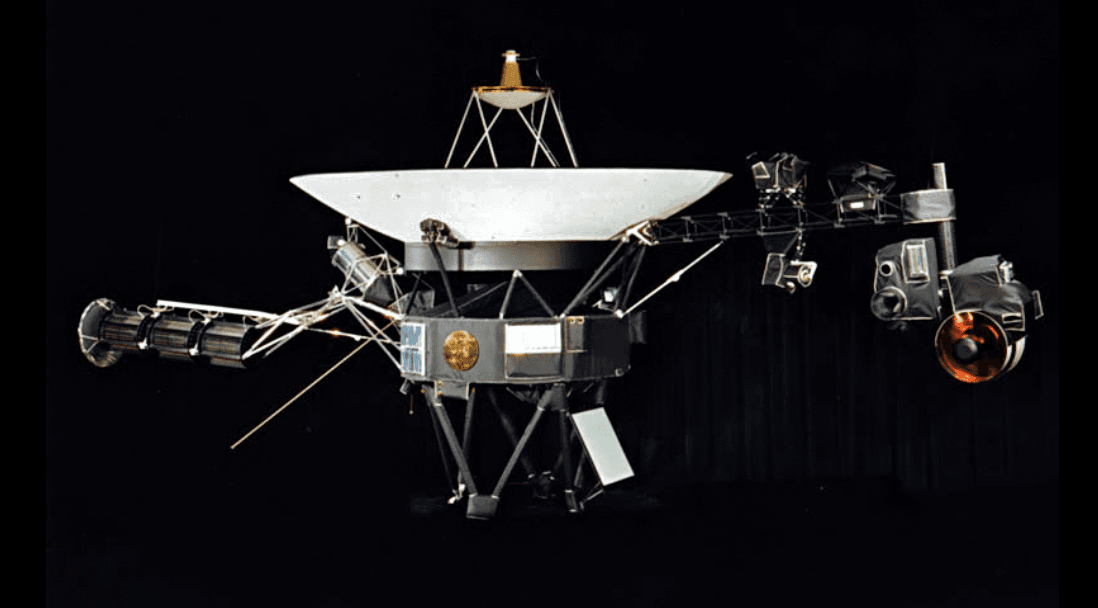
"Pale Blue Dot" (Soluk Mavi Nokta), 14 Nokta 1990 tarihinde Voyager 1 uzay aracı tarafından çekilen ve Dünya'nın uzaydaki konumunu gösteren bir fotoğraftır. Bu görüntü, Dünya'nın sonsuz gibi görünen evrendeki yerini gözler önüne sererek çeşitli bilimsel ve felsefi tartışmalara kaynak olmuştur. Bulutsu.org. "Soluk Mavi Nokta." Erişim 27 Mart 2025. https://www.bulutsu.org/smn.php. ">【1】 Voyager 1 Mission Voyager 1 is an unmanned spacecraft launched by NASA on 5 September 1977 to study the Sun S
EN
Elyesa Köseoğlu