

`dopamine` Related Article Results
Parkinson
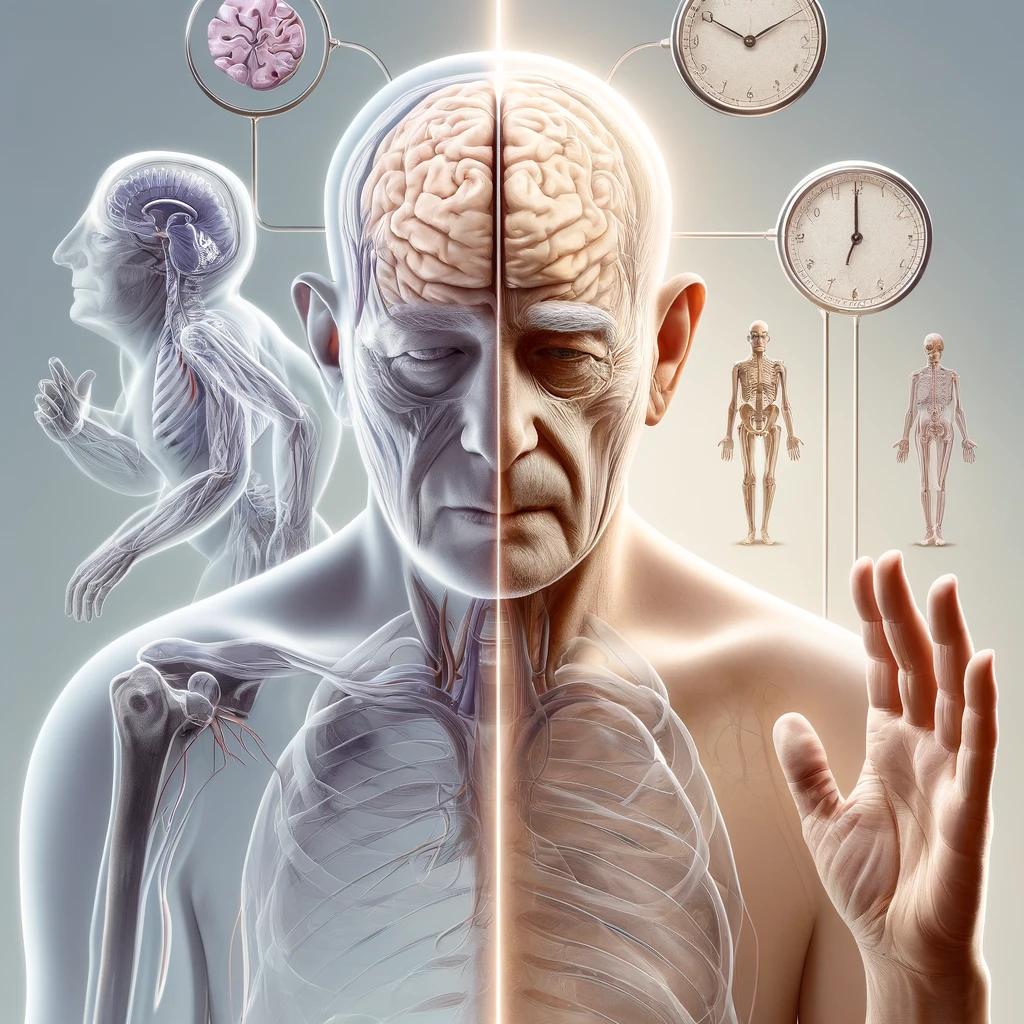
Parkinson’s disease is a progressive neurological disorder caused by the degeneration (loss of function and death) of dopaminergic neurons in the place region of the brain called the substantia nigra. This condition is characterized by a reduction in the production of dopamine, a neurotransmitter critical for coordinating movement. It was first described in 1817 by British physician James Parkinson and named after him at his request. Parkinson’s disease is the second most common neurodegenerativ
EN
Muhammed Samed Acar

Avolition
Avolition is a negative symptom prominently observed in psychiatry, particularly in schizophrenia spectrum disorders, characterized by a reduction in motivation and goal-directed behavior. It is defined as an unwillingness or inability to initiate and sustain purposeful actions. Avolition is not merely a general state of passivity but rather a behavioral withdrawal and lack of movement stemming from a deficiency in intrinsic motivation. Clinical observations have shown that avolition can impair
EN
Hacer Büşra Aslan

Tourette Syndrome
Tourette (Turet) Syndrome (TS) is a neurodevelopmental disorder affecting the central nervous system. Characterized by involuntary motor and vocal tics, this syndrome typically begins in childhood and follows a fluctuating course over time. It is approximately five times more common in boys than in girls. This article examines the diagnostic criteria, etiology, pathophysiology, clinical course, and treatment approaches of TS. Definition and Tics The primary clinical feature of Tourette Syndrome
EN
Miray GÜR

Concept of Anhedonia: Nothing Gives Pleasure Like It Used To
Do the things you once enjoyed no longer bring you joy? Does your favorite food no longer taste as delicious, do you no longer feel like meeting friends, or do you feel no sense of happiness despite achieving a long-held dream? This state can sometimes be a temporary mood that everyone may experience. However, if this feeling persists for a long time, psychology has a name for it: Anhedonia. Anhedonia comes from the Greek words “an” meaning absence and “hedone” meaning pleasure. Literally, it me
EN
Nida Üstün

The Danger Behind the Screens
I decided to write this blog post after a brief conversation I had. I am someone who enjoys reading in my free time; therefore, even when I am out, I try to read short snippets whenever I get a chance. While reading something again, a friend approached me and said, “How boring you are—go scroll through some reels instead.” After hearing this, I carefully observed my surroundings and noticed that both I and other people, whenever we find even the smallest gap in our day, instinctively reach for o
EN
Recep Kuzu

The Long Periods of My Life
As I grow older, I marvel at how quickly time passes. Let alone days and nights, even months and years slip by so swiftly. Everyone suffers from the same condition. As children, we would leave home in the morning and go to school. During breaks, we played games. Even after school ended, we continued playing in the streets. Yet the day never seemed to end. The next day was exactly the same. But nothing could match the length of summer holidays. As soon as the final school bell rang, we would head
ENCüneyt Ayan

What underlying reasons might explain the habit of constantly checking one’s phone?
Can you spend a day without your phone? The answer most of us give to this question reveals just how significant an impact this small device has on our lives. What might be the reasons behind our constant urge to look at our phones? Let’s explore them together. Imagine living for 24 hours without your phone… This may sound simple, but the very idea is somewhat unsettling for most of us. After all, phones are now present in almost every moment of our lives. When they are not beside us, we feel un
EN
Sena Nur Dündar
Parkinson
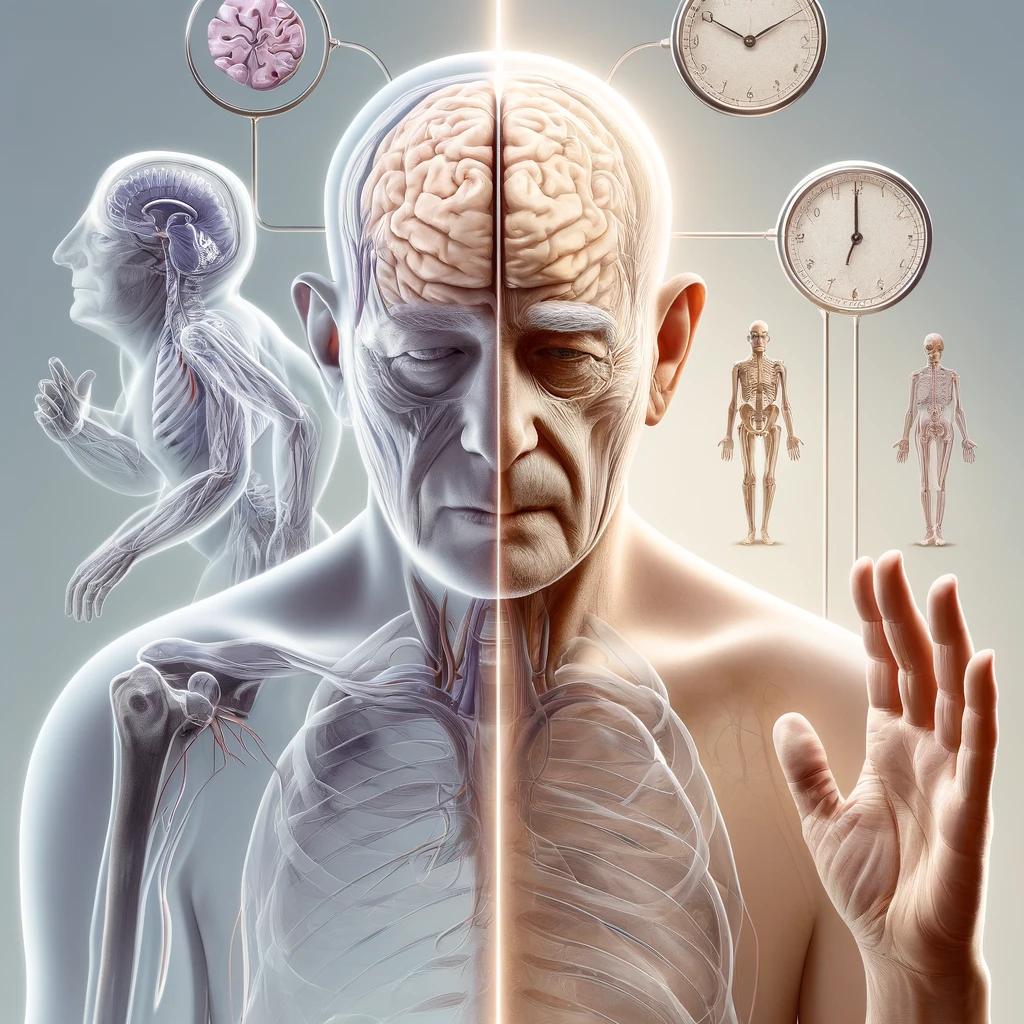
Parkinson’s disease is a progressive neurological disorder caused by the degeneration (loss of function and cell death) of dopaminergic neurons in the substantia nigra region of the brain. This disease is characterized by a reduction in the production of dopamine, a neurotransmitter critical for coordinating movement. It was first described in 1817 by British physician James Parkinson and named after him at his request. Parkinson’s disease is the second most common neurodegenerative disorder aft
EN
Muhammed Samed Acar
Why Do We Feel Happy, Sad, or in Love? The Role of Neurotransmitters
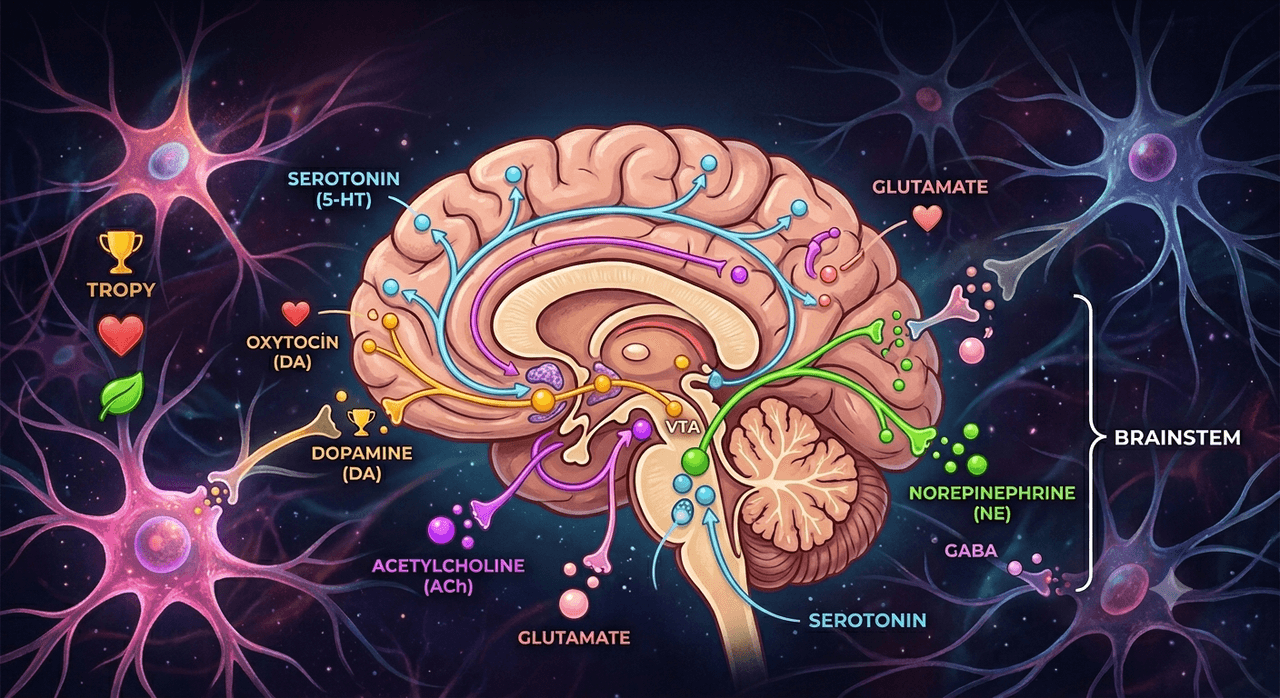
For much of our lives, we describe ourselves as being in various emotional states such as happy, sad, anxious, or in love. Often we notice that these emotions produce physical symptoms—for example, your heart racing the day before an important exam, or the physical pain you feel when you see the person you are in love with with someone else. Why do we experience these physical symptoms? What factors influence the formation and regulation of our emotions? The answer is not as simple as it may see
EN
Deva Yiğit