

`divan-literature` Related Article Results
 Cr
CrCritical Edition (Critical Text/Authentication)
Critical Text Publication (Critical Edition or Tahqiq) is the process of scientifically comparing different manuscript versions of a work that have survived to the present day in order to reconstruct the version closest to the author’s original intent. This activity is known in Western philology as edition critique or textual criticism, and in the Islamic world as tahqiq. In Turkish, the term “critical publication” is most commonly used. The goal is to present the author’s text reliably to the r
EN
Meryem Şentürk Çoban
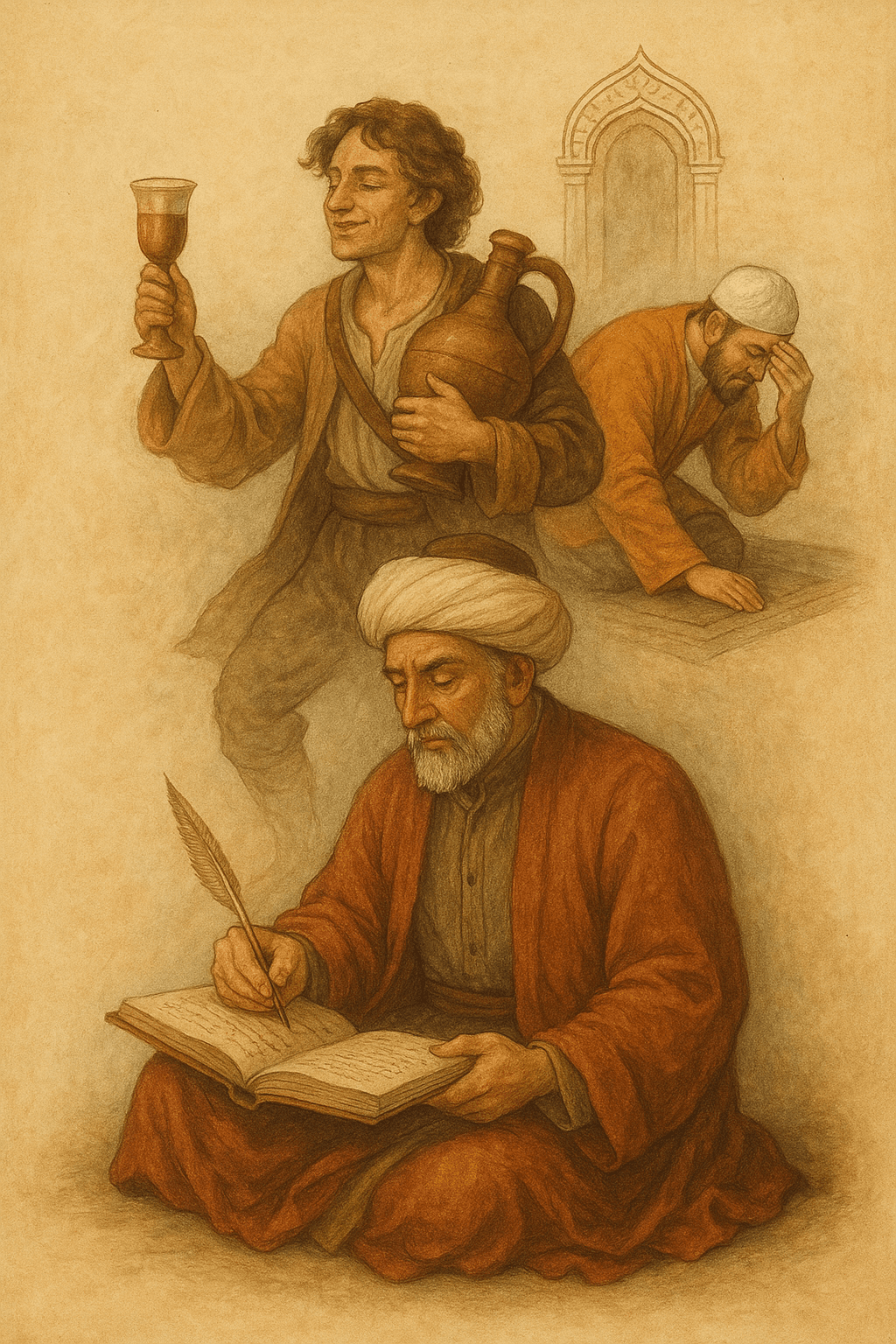
Journey Through Layers of Meaning
There are certain lines of poetry that open a different door in our minds with every reading. A couplet that initially appears simple may actually unlock a multi-layered narrative. Especially in divan literature, where words are often used in multiple senses within a single poem, this phenomenon frequently arises. The poet skillfully selects words such that, within a single couplet, both earthly love and divine truth may be expressed simultaneously. This multiplicity of meaning may not even be a
EN
Osman Halit Kaya
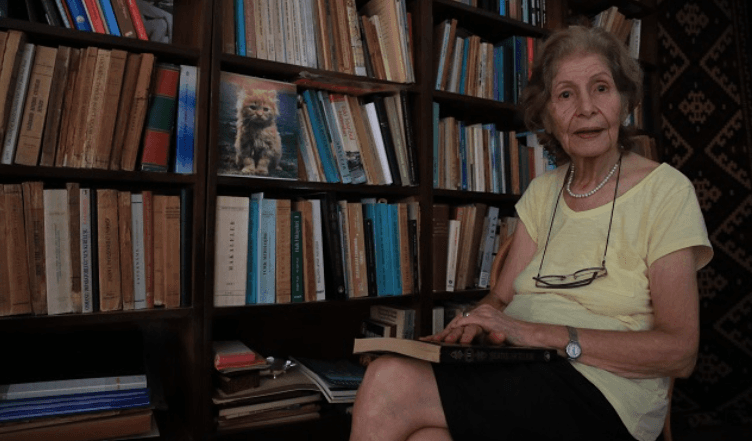
Günay KUT
Günay Kut is a scholar renowned for her academic contributions, educational identity, and intellectual perspective in the field of Turkology, having made significant contributions to the history of Türkiye’s culture and literature. Throughout her life, her passion for literature and cultural heritage, integrated into her scholarly work, has served as a source of inspiration for a broad audience of students. Childhood and Family Origins Günay Kut was born in Bayburt. Her father, a veterinarian fr
EN
Burak Enes
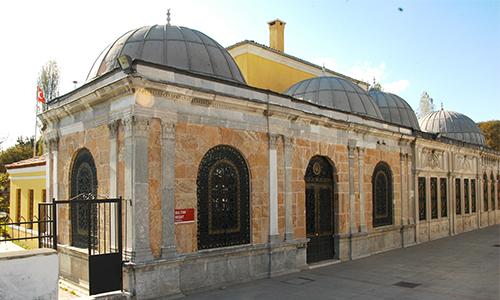
Adile Sultan Türbesi
Adile Sultan Türbesi is an architectural structure located at the end of Bostan İskelesi Street in the Eyüpsultan district of Istanbul, built in the mid-19th century and containing the tombs of members of the Ottoman dynasty and state officials. Location and Environmental Features The structure is situated to the left of Hüseyin Paşa Türbesi and directly opposite the Hüseyin Paşa Library.【1】 The area where the türbe stands is historically known for its proximity to Bostan İskelesi, the pier wher
EN
Gözde Cabadak
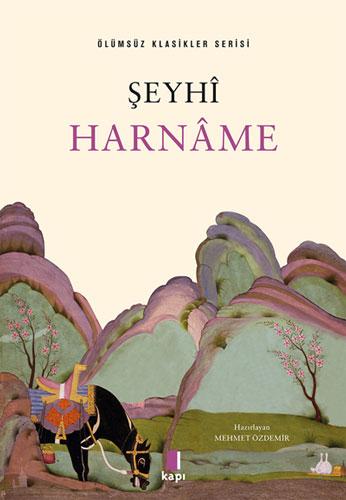
Harname (Book)
Harnâme is a short mesnevi composed of 126 couplets by Şeyhî, a 15th-century poet, and is regarded as the first fable in Turkish literature. Written in the genres of allegory and satire, the work expresses the poet’s personal grievance while drawing attention to the social injustices of his time. The text was prepared for publication in Ottoman Turkish by Mehmet Özdemir and published by Kapı Yayınları. Harnâme is an allegorical mesnevi aimed at social critique. Through animal characters, it sati
EN
Yahya B. Keskin
What is Divan Literature?
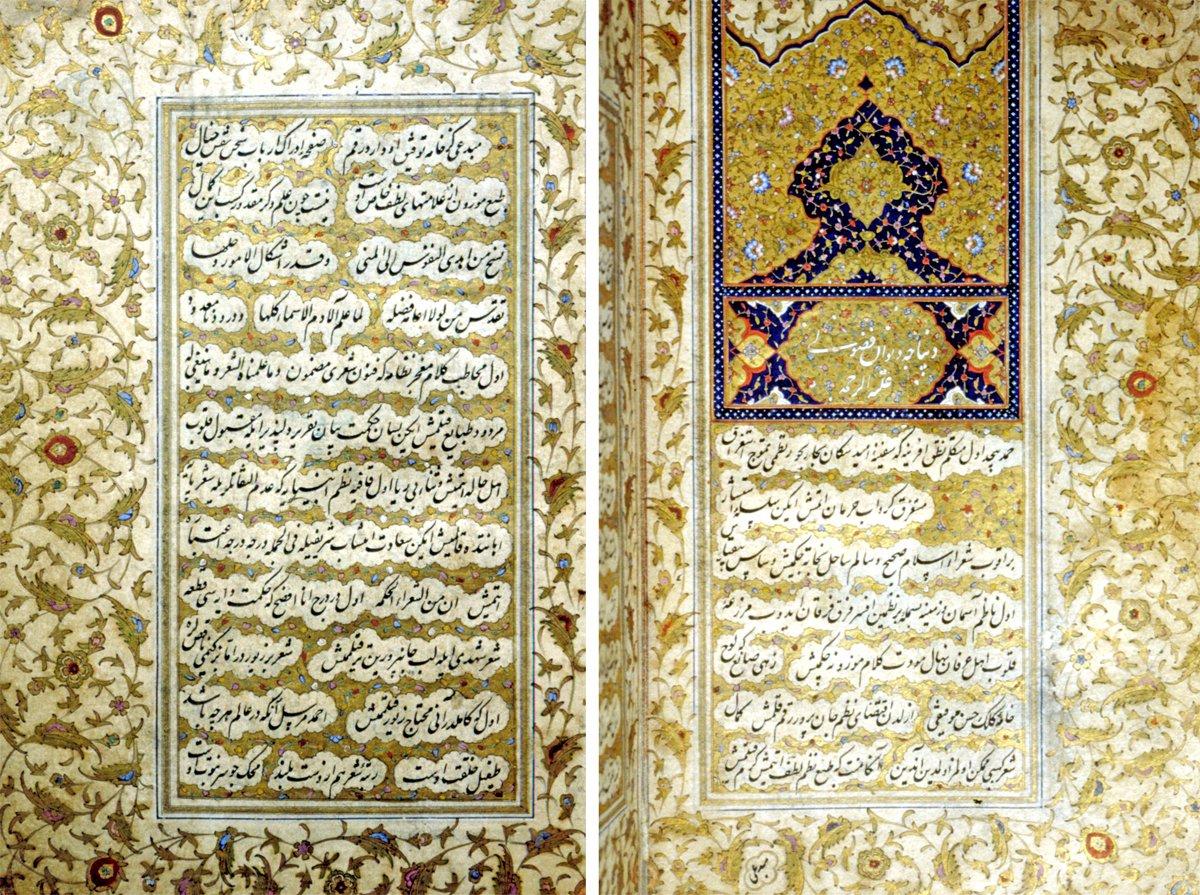
Divan literature is a literary genre consisting of classical poetry and stories written in the Ottoman period in the palace and major cities. Turkish literature during the Ottoman era is referred to as Divan Literature. What Kind of Literature Is It? 📜 It was written in earlier times. During the Ottoman period, beautiful and ornate poems were composed for sultans and important figures. 🎭 It has an artistic and ornate language. Poets employed elegant metaphors and wordplay in their verses. Diva
ENMeryem Şentürk Çoban
Günay KUT
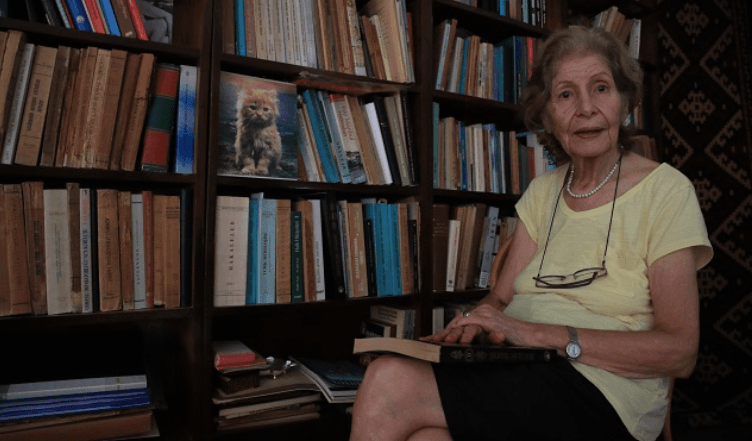
Günay Kut is an academic known for her scholarly contributions, educational identity, and intellectual perspective in the field of Turkology, having made significant contributions to Türkiye’s culture and literary history. Throughout her life, her passion for literature and cultural heritage, intertwined with her academic work, has served as a source of inspiration for a wide audience of students. Childhood and Family Origins Günay Kut was born in Bayburt. Her father, a veterinarian from Balıkes
EN
Burak Enes
Bekir Sıtkı Bey (January)
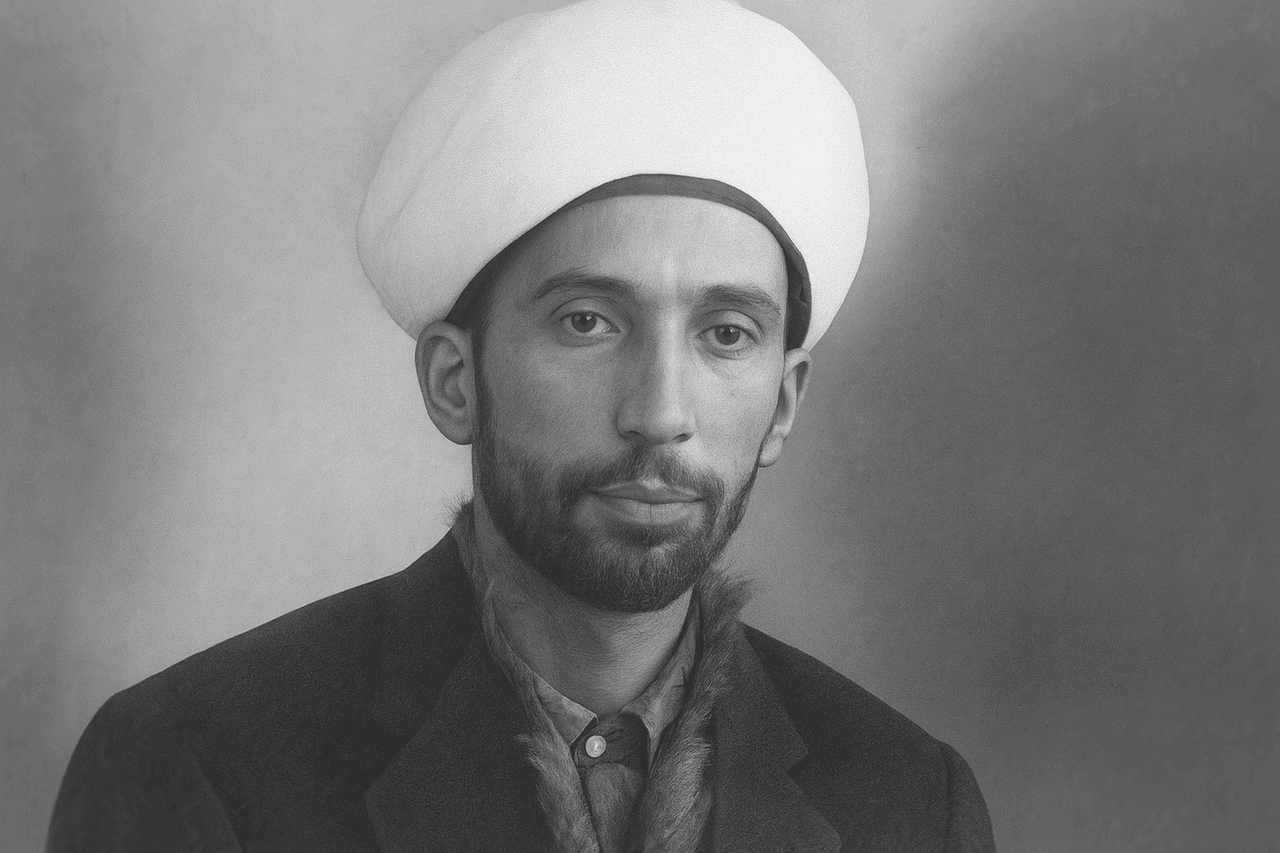
Bekir Sıtkı Bey (Ocak) was a teacher and member of parliament who was active in politics, religious sciences, and literature during the late Ottoman period and the early years of the Republic. He was born in Diyarbakır in 1885 and died in the same city on 11 January 1936. He served as the deputy for Siverek in the 1st Term of the Grand National Assembly of Türkiye and continued the tradition of Divan literature in his literary works. Education and Professional Life Bekir Sıtkı Bey received his e
EN
Yunus Emre Sağlam
Kevaʿib-i Şiʿr ü İnşa (Book)
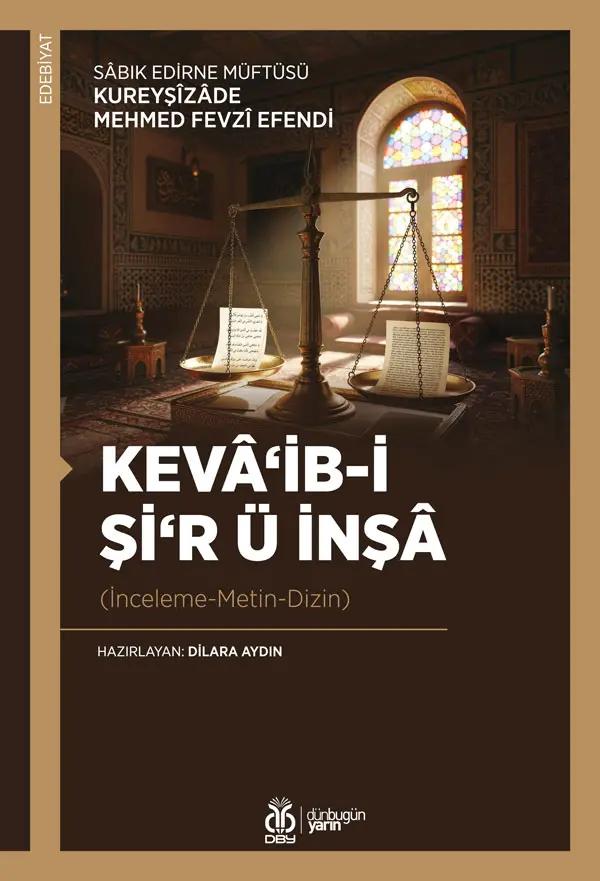
Kevâʿib-i Şiʿr ü İnşâ is a münşeât compilation composed during the final period of the Ottoman State by Sâbık Edirne Müftüsü Kureyşîzâde Mehmed Fevzî Efendi. This work has been prepared with a detailed study and index by Dilara Aydın, and published in 2025 by Dün Bugün Yarın Yayınları (DBY) under the editorship of Fatih Odunkıran. This scholarly publication in the field of language and literature is the 242nd volume in the DBY Publications Literature Series and consists of 380 pages. It features
EN
Duygu Şahinler
Harname (Book)
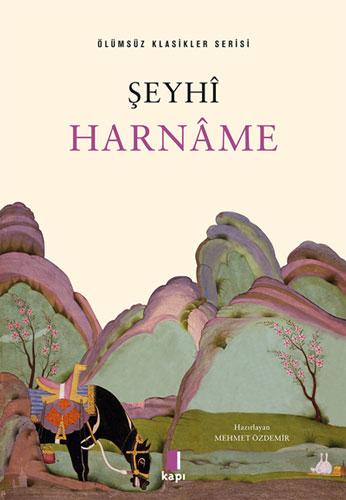
Harnâme is a short mesnevi composed of 126 couplets, regarded as the first example of fable in Turkish literature, written by Şeyhî in the 15th century. This allegorical and satirical work expresses the poet’s personal grievance while simultaneously drawing attention to the social injustices of his time. The text was prepared for publication in Ottoman Turkish by Mehmet Özdemir and published by Kapı Yayınları. Harnâme is an allegorical mesnevi intended as social criticism. Through animal charact
EN
Yahya B. Keskin