

`decoration` Related Article Results
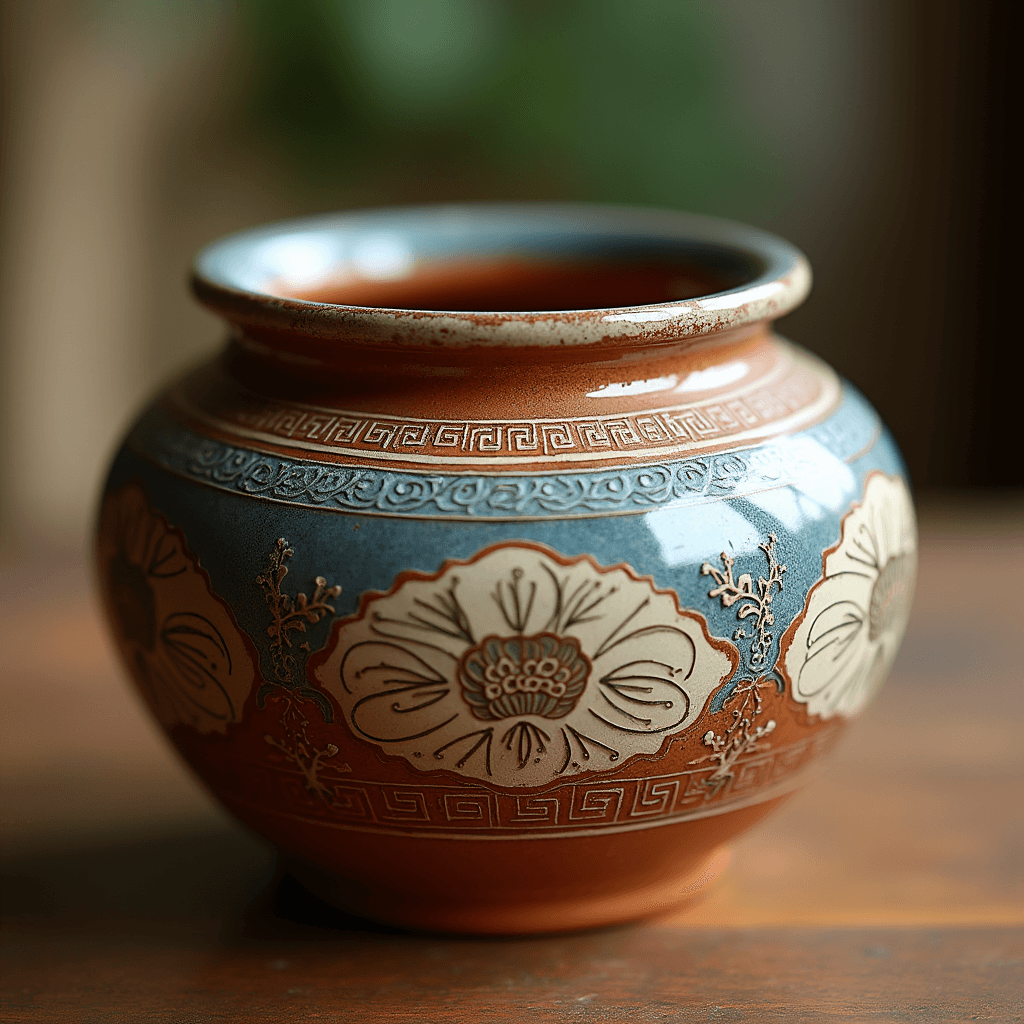
Pottery
Pottery refers to ceramic vessels made primarily from clay and similar natural materials, produced for both everyday use and artistic purposes. As one of the oldest handicrafts in human history, pottery holds in many cultures, both for its functional and aesthetic aspects. Pottery is typically crafted for various purposes, including storing water and food, cooking, and use in religious rituals. Generated by artificial intelligence. " image-alternate="" image-element-format="right"> Historical
EN
Fatihhan Adana
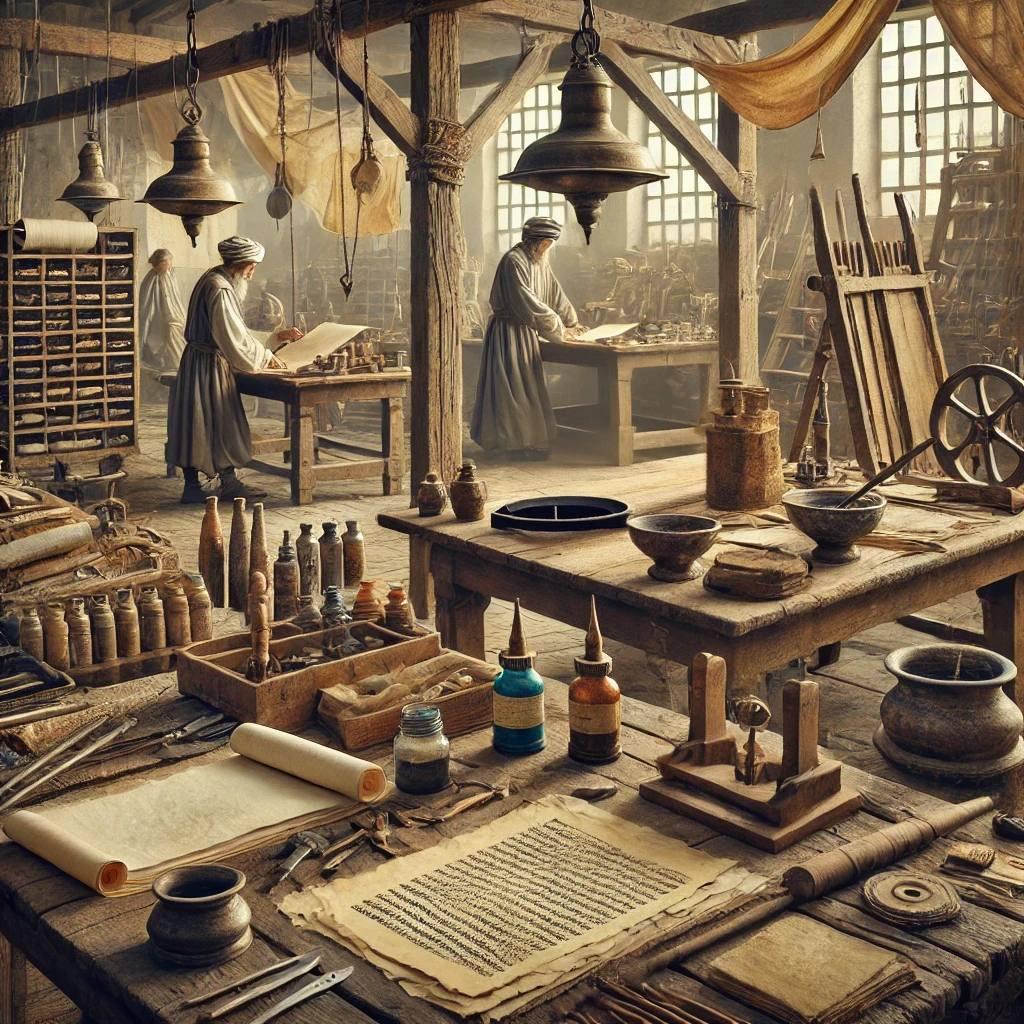
Professions and Specializations in Manuscript Production
Manuscript work culture refers to an ecosystem encompassing not only written texts but also the entire process from their creation to their preservation. Throughout this process, the production, writing, decoration, binding, and preservation of manuscripts such as required every stage stage to involve different areas of expertise and professional groups. These craftsmen and artists involved in manuscript production did not merely fulfill a practical function; they also contributed significantly
EN
Burak Enes
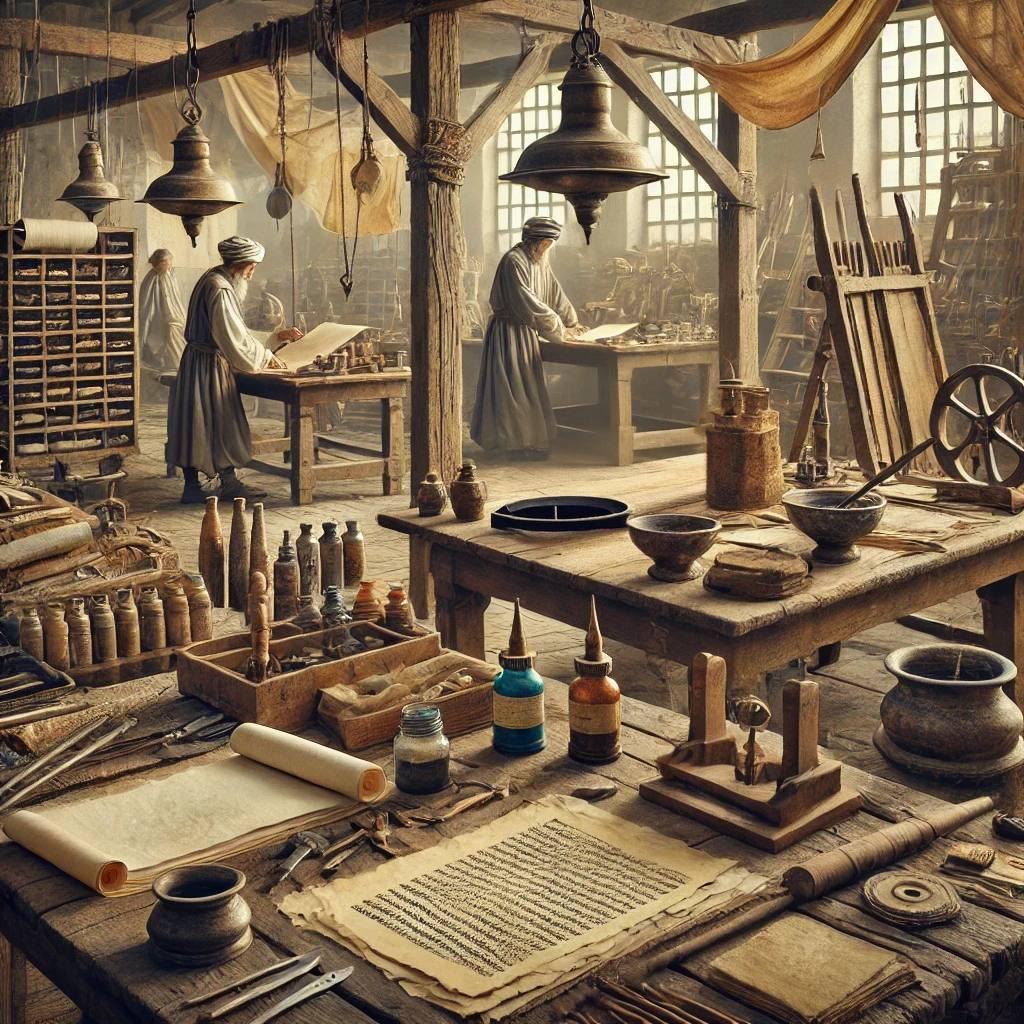
Professions and Specializations in Manuscript Production
Manuscript work culture refers to an ecosystem that encompasses not only written texts but also the entire process from their creation to their preservation. Throughout this process, the production, writing, decoration, binding, and protection of texts each require different areas of expertise and professional groups. The artisans and artists involved in the production of manuscript works did not merely fulfill a practical function; they also made significant contributions to the aesthetic and a
EN
Burak Enes
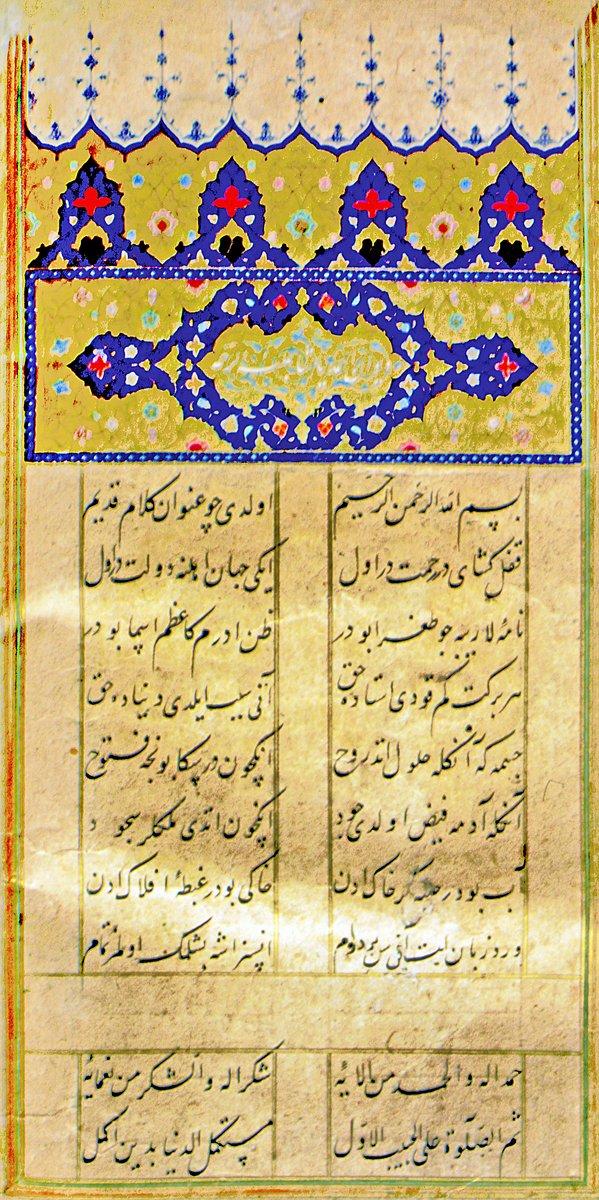
What is Tezhip?
Tezhip: the art of decorating books, writings, and illustrations with gold, colored pigments, and intricate patterns. During the Ottoman period, tezhip was used to enhance the beauty of handwritten manuscripts. A person who practices tezhip is called a müzehhip. Special materials are used to create tezhip: Ink: Used to define and highlight the designs. Gold: Used to achieve a bright and elegant appearance. Pigments: Colors such as blue, red, and green are applied. Brushes: Special fine brushes a
EN
Meryem Şentürk Çoban
What is Decoration?
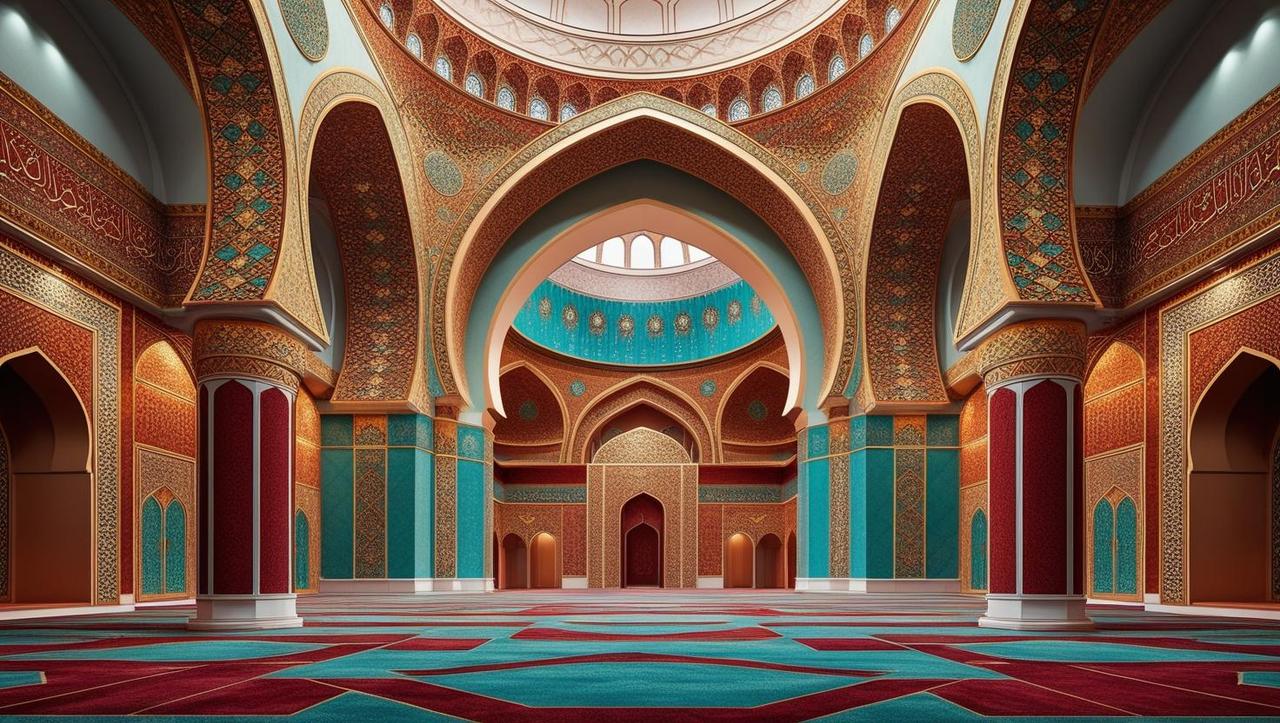
Ornamentation is the art of decoration used to adorn and make something beautiful and visually striking. The patterns you can find in books, mosques, palaces, ancient manuscripts, and tiles are part of ornamentation, featuring gold embellishments and colorful motifs. There are many different types of ornamentation. Calligraphy: The art of beautiful writing. Especially in ancient books and mosques, decorations are made using Arabic letters. Ceramic Decoration: Decorations made with colored cerami
ENMeryem Şentürk Çoban
Sedefkarlık
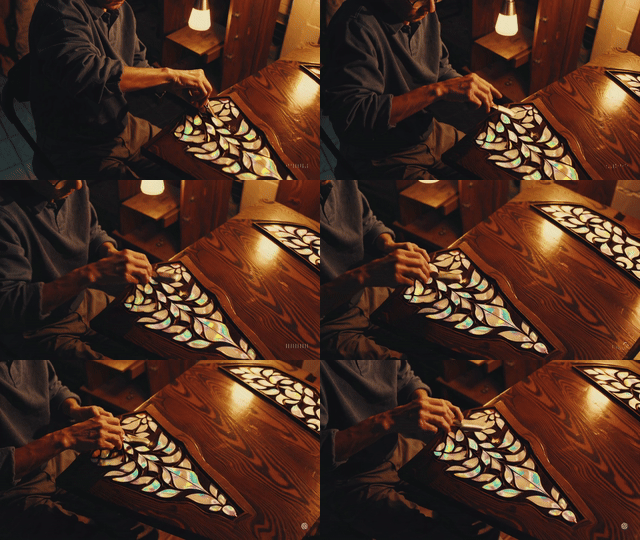
Sedefkârlık is a wood inlay art form that involves embedding mother-of-pearl—obtained from the iridescent inner layer of shellfish such as oysters and mussels—into wooden surfaces using the inlay technique. The term “sedef” derives from the Arabic root sadef and is mentioned in the Qur’an as a symbol of purity, beauty, and clarity alongside pearls. In Ottoman culture, mother-of-pearl was regarded as a symbol of cleanliness and elegance; in Süleyman Çelebi’s Mevlid, which recounts the birth of th
EN
Sümeyra Uzun
Anatolian Seljuk Architecture
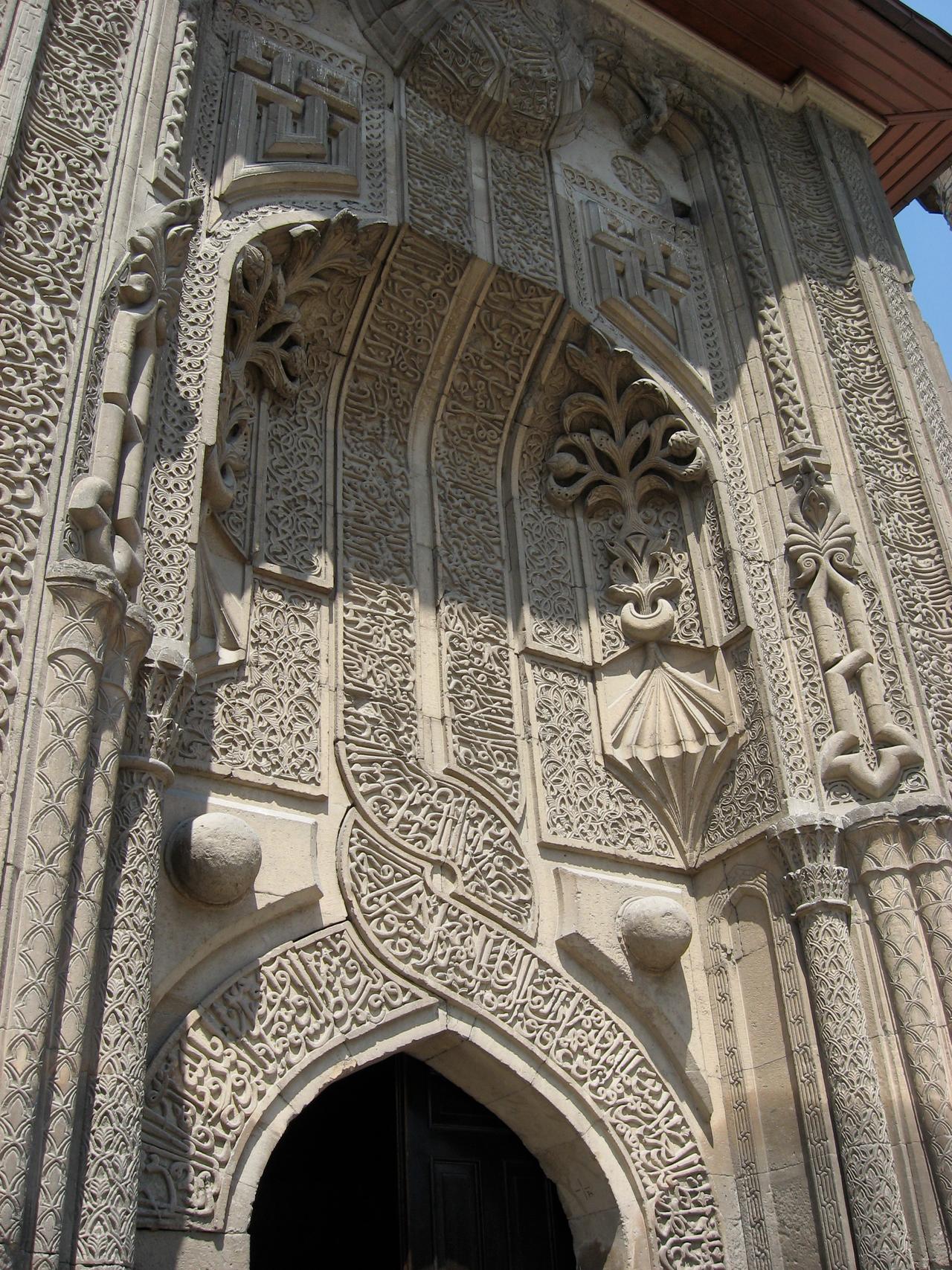
Anatolian Seljuk architecture is an original architectural style that emerged between the 11th and 13th centuries, particularly following the Turkish settlement in Anatolia after the 1071 Battle of Manzikert. It is based on a synthesis of Islamic and local elements. This architecture does not merely involve the construction of functional buildings but also incorporates a symbolic and cosmological narrative rich in layered meanings. Seljuk structures developed a shared aesthetic language across r
EN
Esra Özkafa
Ottoman Yatağan Sword
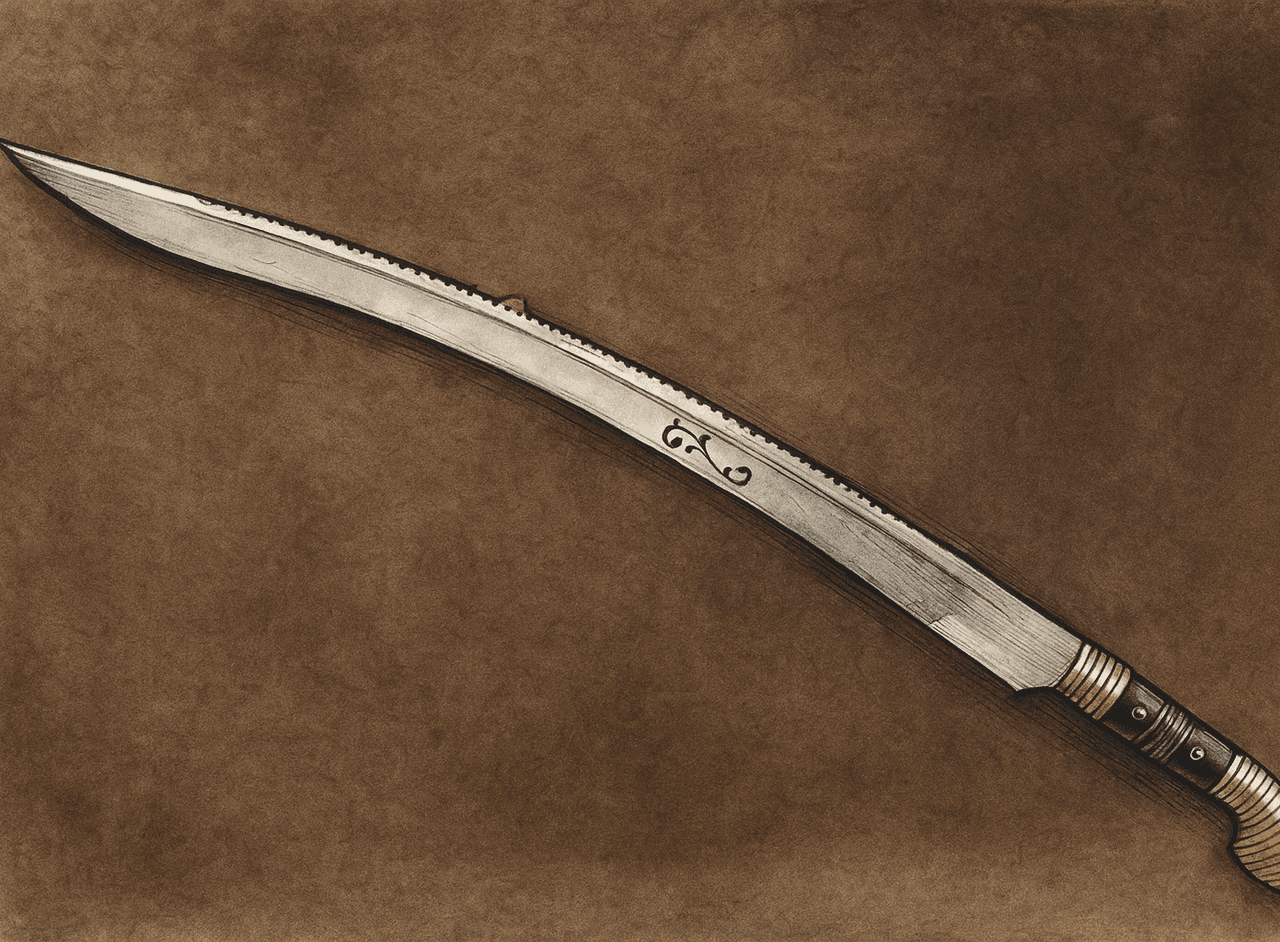
Yatağan is a short, slightly curved, single-edged close-combat weapon that was widely used in the Ottoman Empire from the 16th century until the end of the 19th century. Distinctive in form, it differs from both swords and polesarms. In addition to its function as an offensive weapon, it also held symbolic importance as an indicator of the owner’s social status and wealth. Capable of both cutting and thrusting, this weapon is particularly associated with the Janissaries. Historical Development A
EN
Yunus Emre Yüce
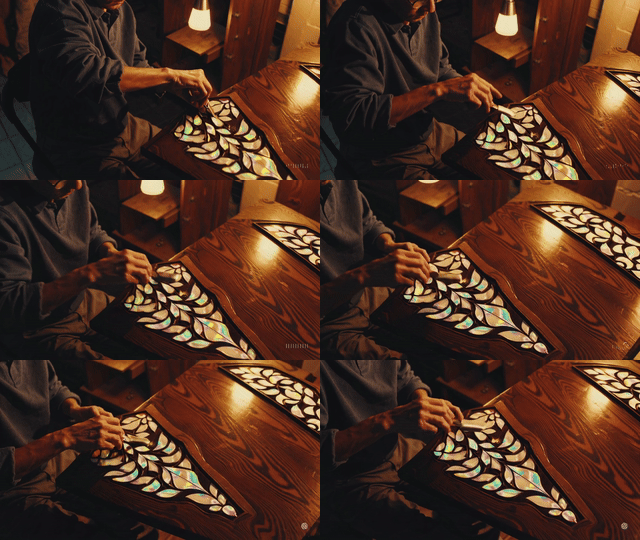
Sedefkarlık
Inlaying mother-of-pearl is a wood decoration art in which the iridescent layer from the inner surfaces of shellfish such as oysters and mussels is inlaid onto wood surfaces. The term “Mother-of-pearl” derives from the Arabic root sadef and is mentioned in the Quran as a symbol of purity, beauty, and clarity alongside pearls. In Ottoman culture, mother-of-pearl was regarded as a symbol of cleanliness and elegance; in Süleyman Çelebi’s Mevlid, which recounts the birth of the Prophet, the phrase “
EN
Sümeyra Uzun