

`data-security` Related Article Results
 Di
DiDigital Stacking
Digital hoarding is defined as a condition in which individuals continuously acquire digital content such as emails, digital images, videos, electronic documents, and software, experience significant difficulty in deleting or organizing these materials, and suffer stress or psychological distress due to the accumulation of unmanageable data. This phenomenon, also referred to in the literature as “e-hoarding,” “data hoarding,” or “cyber hoarding,” is regarded as the digital manifestation of physi
EN
Yunus Emre Yüce
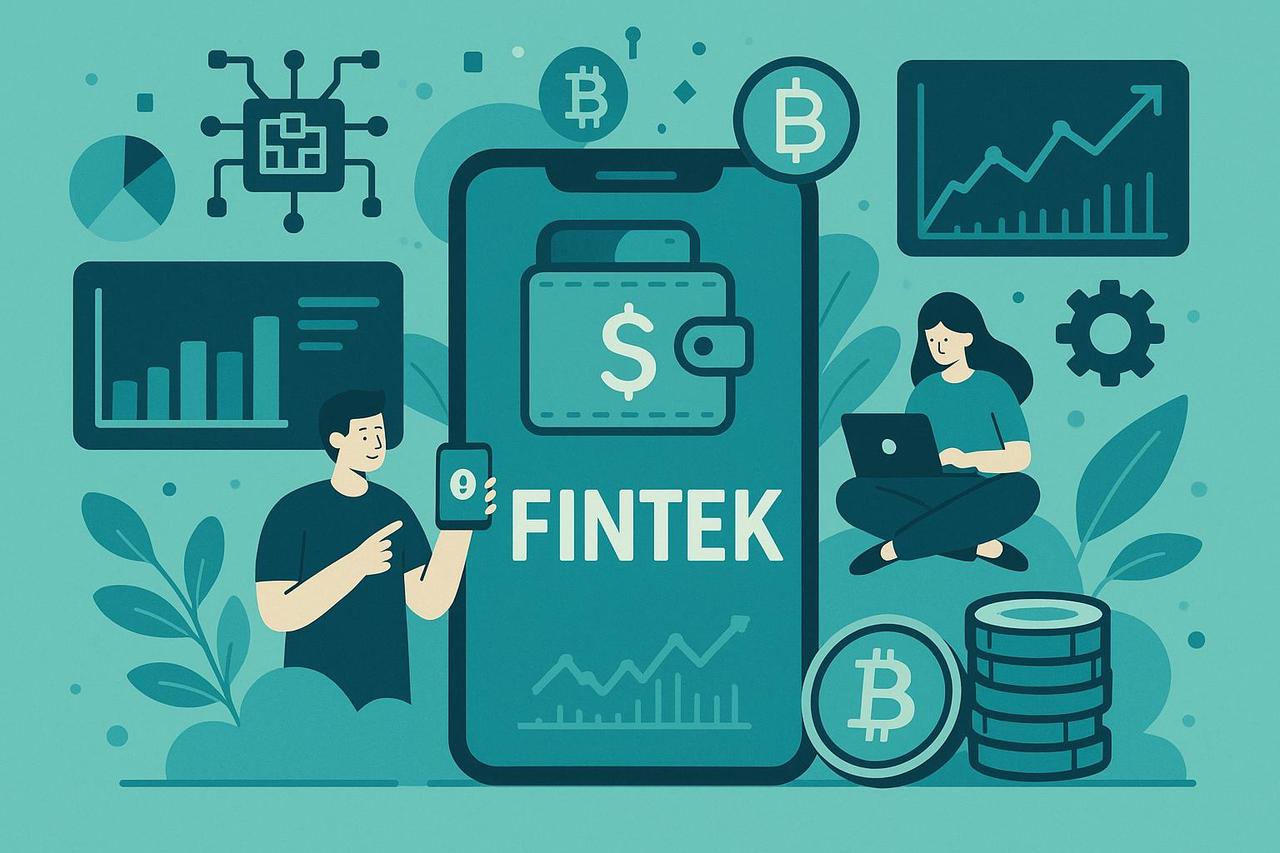
Digital Financial Solutions That Remove Barriers: "Fintek"
Once controlled solely by banks, stock exchanges, and financial giants, the world of money is now in everyone’s pocket. Financial technologies have not only moved finance into the digital realm but have fundamentally transformed it. Today, making an investment, applying for a loan, or sending money requires neither visiting a bank branch nor filling out lengthy forms. Thanks to smartphones, artificial intelligence algorithms, and blockchain-based systems, finance has become faster, more accessib
EN
Nursena Şahin

Deepfake: The Fine Line Between Reality and Fiction
When we watch a video or listen to an audio recording on social media, we often assume these are real. This is because we have become accustomed to accepting as true what we have seen and heard for many years. However, rapid advances in artificial intelligence technologies are prompting us to question this habit. Today, it is possible to generate content that is extremely difficult to distinguish from reality using only a few photographs, a short video, or a few seconds of audio. At first glance
EN
İremsu Ümit

Capacity
Capacity is a technology company that develops AI-powered solutions to automate customer and employee support processes. Founded in 2017 by David Karandish, the company is headquartered in St. Louis, Missouri. The platform offers AI-driven tools in areas such as call center integration, email automation, SMS messaging, social media engagement, and enterprise knowledge management. Capacity serves more than 19,000 organizations across diverse industries. Founding Capacity was developed to eliminat
EN
Ömer Said Aydın

Observe AI
Observe.AI is an artificial intelligence (AI) platform that transforms call center operations through automation, real-time support, and speech intelligence. Founded in 2017, the company is headquartered in Redwood City, California, United States. The platform aims to enhance corporate efficiency, improve customer satisfaction, and support regulatory compliance by analyzing every stage of interactions between customer representatives and clients. Observe.AI is used by more than 350 enterprises a
ENÖmer Said Aydın
Artificial Intelligence in Health
The impact of technology on medicine has led to revolutionary changes in improving the quality and effectiveness of healthcare services. In this context, artificial intelligence (AI)-assisted diagnostic systems have emerged as a significant innovation in medical diagnosis processes. AI contributes to the rapid and accurate delivery of healthcare services, particularly through big data analytics and machine learning methods. This article provides a comprehensive review of the working principles,
ENHavva Karakaya
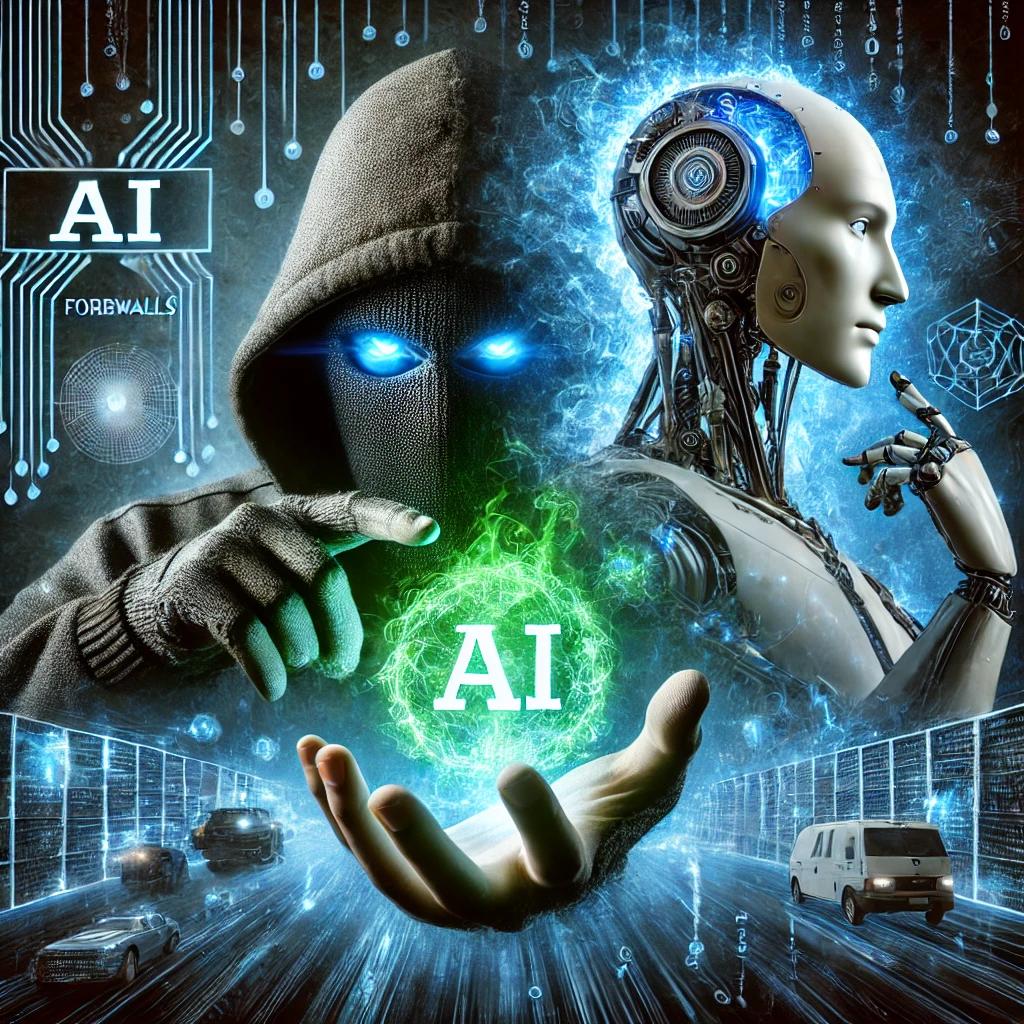
The Digital Threat of the Future: Artificial Intelligence or Cybersecurity?
Artificial intelligence (AI), is currently revolutionizing the technology world and transforming business processes across numerous sectors such as healthcare, finance, education, and transportation by enhancing efficiency. AI enables decisions to be made at speeds and with accuracies surpassing human capability through tools such as big data analytics, machine learning, and autonomous systems. However, this progress also makes cybersecurity increasingly critical. Every innovation in the digital
EN
Oğuzhan Yetimhellaç
ArArtificial Intelligence in Social Sciences
Artificial intelligence (AI) is considered one of the most critical steps in technological transformations throughout human history, from the Industrial Revolution to the present. While AI is primarily associated with engineering and technical sciences, it has increasingly become central to the social sciences. AI is seen to have transformative effects on disciplines such as international relations, law, sociology, psychology, education, and economics. Artificial Intelligence Judge (Created with
EN
Ahsen Karakaş
RaRansomware
In today’s digital world, ransomware attacks pose serious threats to individuals and companies. Ransomware encrypts data on a device, blocking user access, and attackers demand a ransom demand for the restoration of that data. However, even after payment is made, data recovery is not guarantee guaranteed. Therefore, taking preventive measures against ransomware carries great importance importance. Ransomware Threats and Risk Factors Some factors that increase the likelihood of an individual or o
ENZeynep Tepeli

Blockchain-Based Logistics
Blockchain-based logistics refers to systems that integrate blockchain technology to enable tracking and management of products and services throughout the supply chain. This technology enables secure data sharing among all parties involved in the supply chain through a decentralized immutable and transparent digital ledger. Reducing complexity in the supply chain increasing efficiency ensuring security and providing full traceability for all stakeholders are among its primary objectives. Evalua
EN
Sümeyye Akkanat Terzioğlu