

`data-analysis` Related Article Results
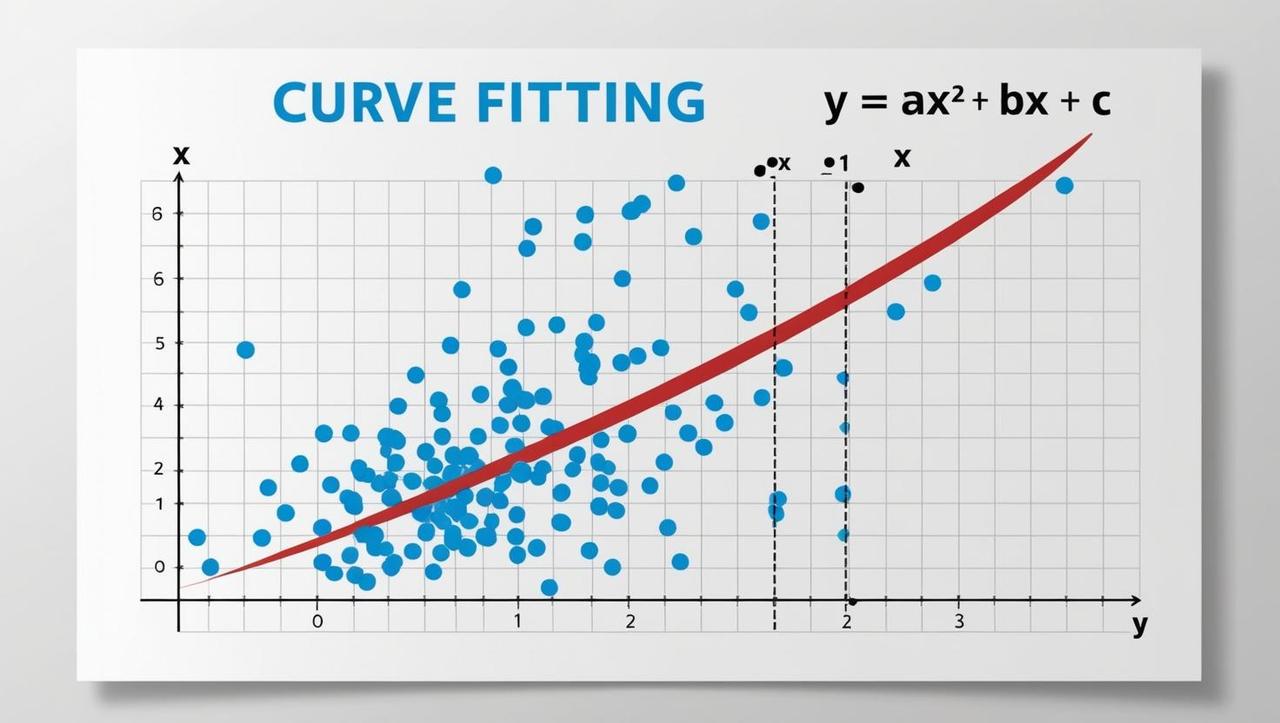
Curve Fitting
Curve fitting is a numerical analysis method that enables a dataset to be represented by a specific mathematical model. It is commonly applied to establish a relationship between discrete data points obtained through measurement or experimentation. This relationship is expressed through a functional structure, and the resulting model is expected to produce values as close as possible to the observed data. The curve fitting process involves a series of data pairs Methods Polynomial Approximations
EN
Sinan Turan
 Em
EmEmbedded Theory
Grounded Theory is a systematic methodology among qualitative research approaches that focuses on theory construction. Developed by Glaser and Strauss in 1967, this approach is based on the simultaneous collection and analysis of data to understand social phenomena. Its primary aim is to generate new concepts and relationships directly from data without being bound by predetermined theoretical frameworks. Historical Development and Core Principles Grounded Theory emerged in the 1960s as a respon
EN
Melahat Pamuk

Artificial Intelligence in Space
Artificial Intelligence in Space is the collective set of technologies that enable computer systems to mimic human-like cognitive processes in humanity’s efforts to understand and explore the universe. These technologies are applied across a wide range of fields including mission planning, autonomous system management, big data analysis, astronaut support, and space debris tracking. Artificial intelligence plays a critical role in addressing the uncertainties and challenges inherent in space res
EN
Sümeyye Akkanat Terzioğlu

Flight Data Acquisition Unit (FDAU)
The Flight Data Acquisition Unit (FDAU) is a central subsystem that measures, converts into digital format, organizes, and transmits physical, mechanical, and electronic events occurring on an aircraft to Flight Data Recorders (FDR). This unit collects analog, digital, and discrete signals from various sensors during flight, arranges them within a predefined data frame, and transmits them to the FDR at specified time intervals for recording. The FDAU is critically important for monitoring flight
EN
Beyza Nur Türkü

R Programming Language
R is a programming language and software environment developed for statistical computing and graphics. R, created under the GNU Project, has a structure similar to the S language developed by John Chambers and colleagues at Bell Laboratories. It supports a wide range of statistical and graphical techniques including linear and nonlinear modeling, statistical tests, time series analysis, classification, and clustering. As open-source software, R integrates data processing, computation, and graphi
EN
Zelal Çakar
ArArtificial Intelligence Diplomacy
Artificial Intelligence (AI) Diplomacy refers to the integration of artificial intelligence technologies into international relations and diplomatic processes. This emerging field focuses on leveraging technology to make foreign policy decision-making more efficient, predictable, and strategic. AI Diplomacy has the potential to reshape the relationships between actors in the international system, relying on data analysis and technological infrastructure. AI enables states to diversify their fore
EN
Ahsen Karakaş
PrPrincipal Component Analysis
Principal Component Analysis (PCA) is a transformation technique that reduces the dimensions of datasets containing many interrelated variables while preserving as much of the variation within the data as possible. These studies were first initiated by Karl Pearson in 1901 and later developed by Hotelling in 1933. The goal is to find the optimal transformation that allows the data to be represented using fewer variables. The variables obtained after transformation are called principal components
EN
Sertaç Arısoy
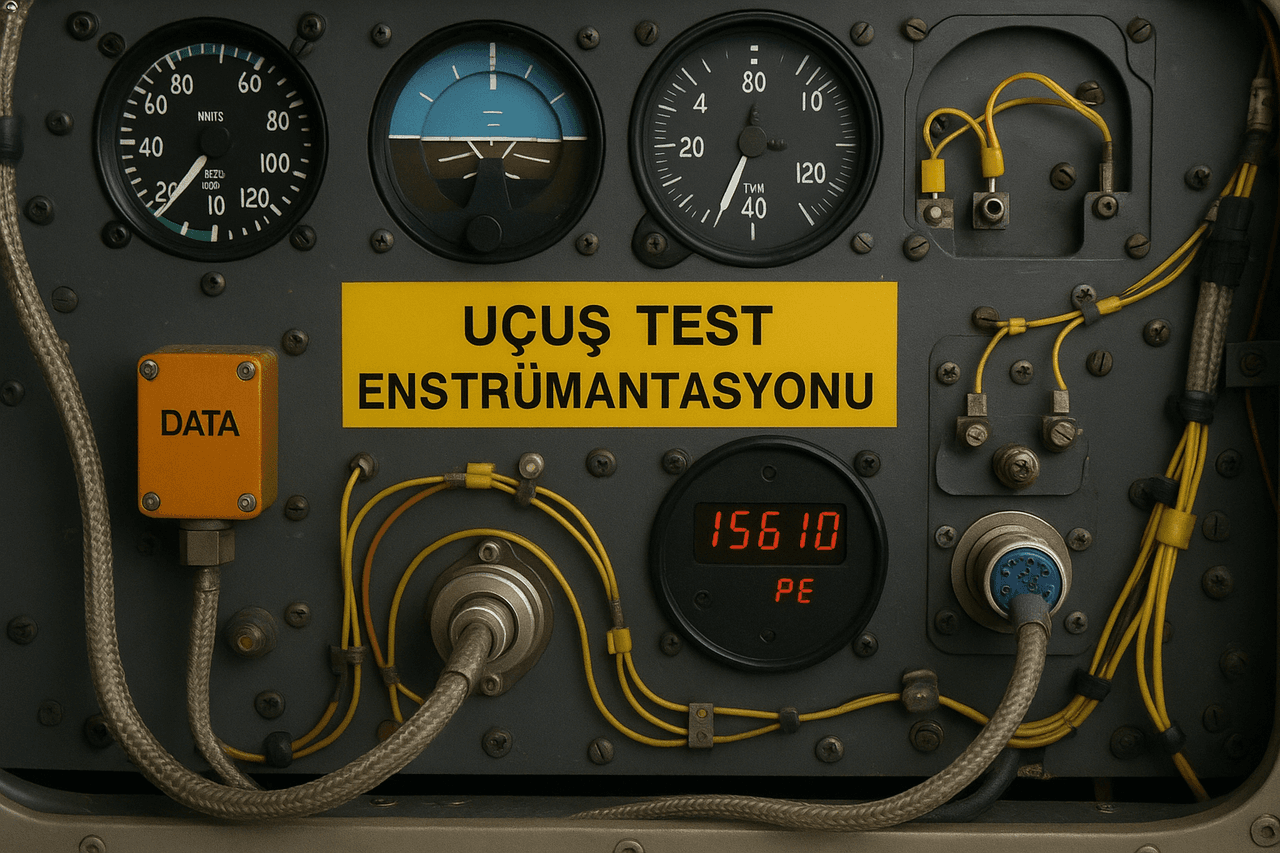
Flight Test Instrumentation
Flight Test Instrumentation is positioned as an integral part of modern aerospace engineering in safety, performance optimization, design validation, and certification processes. During the lifecycle of an aircraft from design to service entry, data collected under actual flight conditions plays a decisive role alongside theoretical modeling, numerical simulations, and laboratory tests. At this stage, flight test instrumentation ensures the high-precision recording and monitoring of aerodynamic,
ENBeyza Nur Türkü
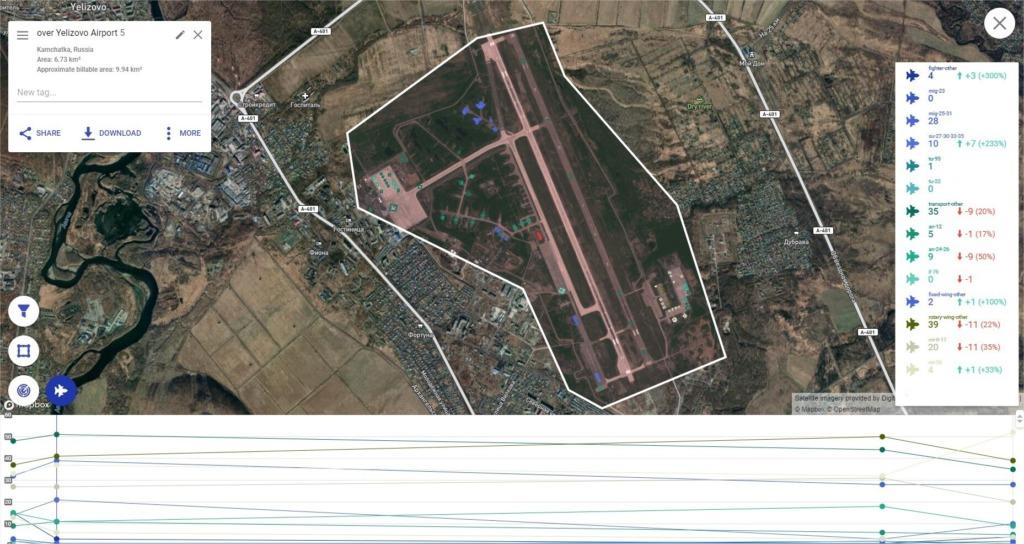
Artificial Intelligence in Military Intelligence
Artificial Intelligence in Military Intelligence Artificial intelligence (AI) is revolutionizing the field of military intelligence by enabling faster, more accurate, and autonomous data analysis and decision-making. With the exponential growth of battlefield data from sensors, satellites, and digital communications, AI plays a critical role in identifying threats, analyzing patterns, and supporting commanders with actionable intelligence. Its use spans from image recognition to signal processin
ENTaha Berk Dinç
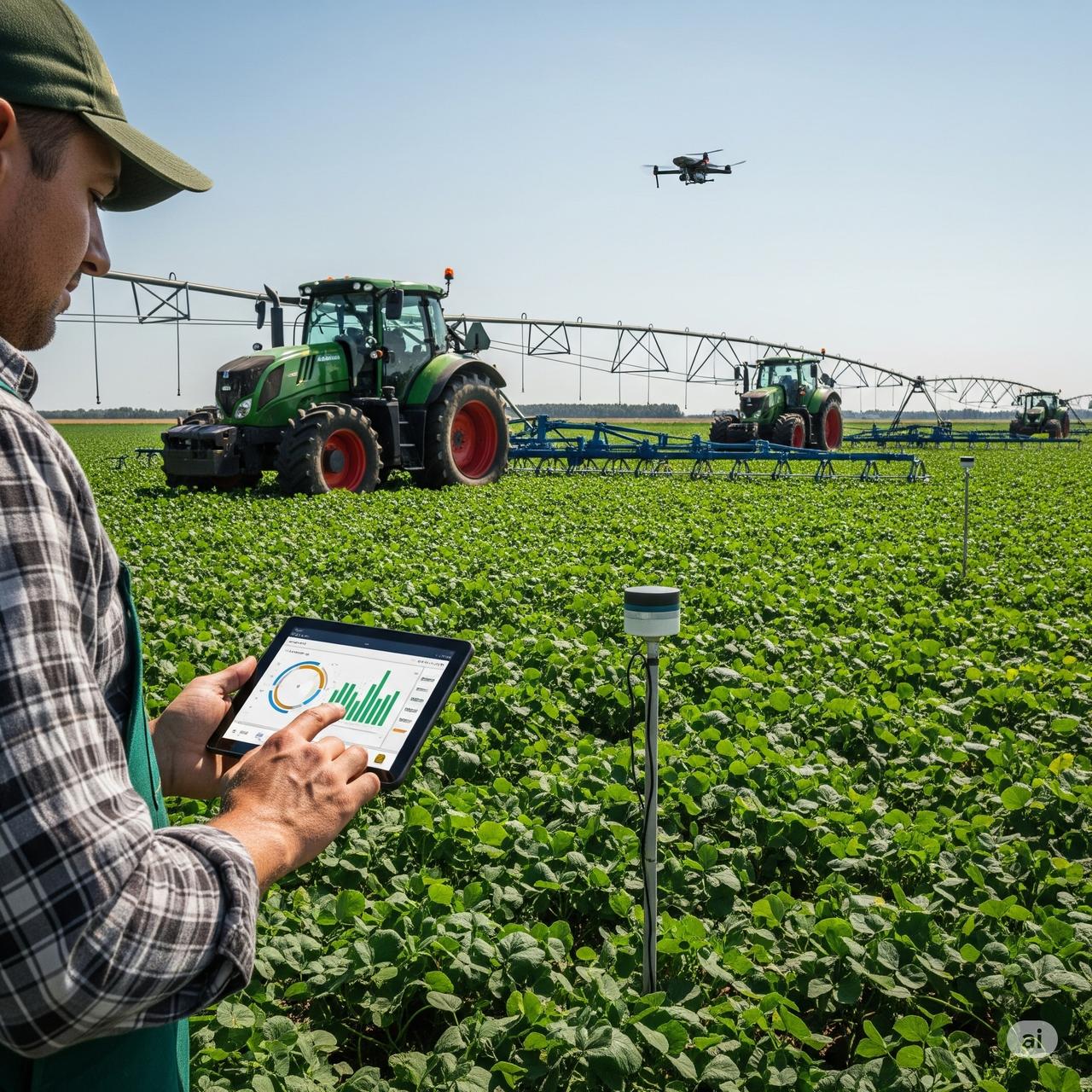
Precision Agriculture
Precision agriculture is an integrated agricultural management system based on technology and data that enables site-specific applications tailored to each unit of land, taking into account intra-field variability. This approach aims to maximize production efficiency and minimize input usage (such as fertilizer, water, and pesticides) by analyzing in real time the physical and chemical properties of soil, moisture conditions, climatic factors, plant growth stages, and other environmental variabl
ENArda Uçar