

`dark-matter` Related Article Results
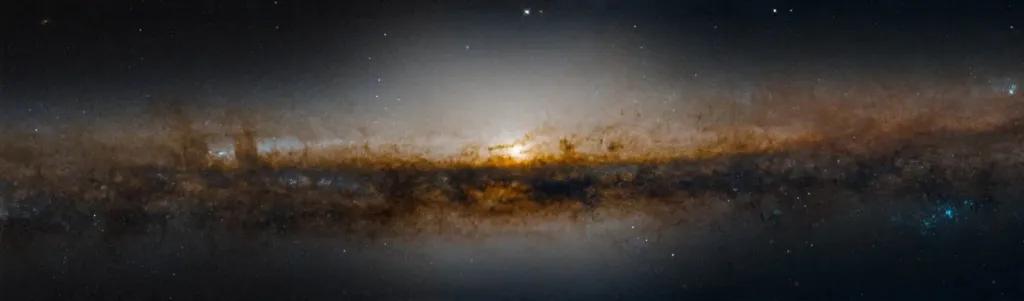
NGC 4565 Galaxy
NGC 4565 Galaxy is a spiral galaxy located in the direction of the Coma Berenices constellation and viewed nearly edge-on from Earth. It was discovered by William Herschel on 6 April 1785. Due to its thin appearance when seen edge-on, the galaxy is popularly known as the "Needle Galaxy," a nickname that, while not official, is widely used. NGC 4565 is listed in the New General Catalogue (NGC) under number 4565. It is frequently referenced in observational astrophysical studies due to its visual
EN
Osman Özbay
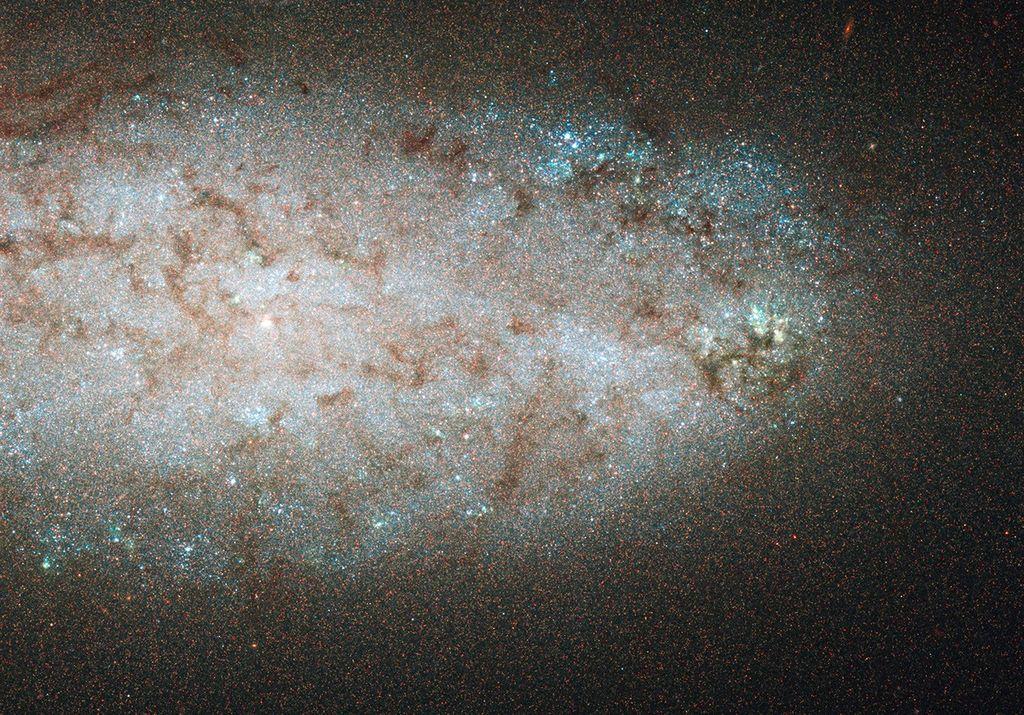
NGC 2976 Galaxy
NGC 2976 Galaxy is a dwarf spiral galaxy located in the constellation Ursa Major and is approximately 11.6 million light-years away from Earth. Discovered by William Herschel in 1788, this celestial object is classified as a member of the Messier 81 (M81) Group. Observations reveal that NGC 2976 has exhibited structural and dynamical changes as a result of past interactions with larger galaxies within the M81 Group. Technical Specifications NGC 2976 is classified as a SA(s)cd type galaxy; this c
ENOsman Özbay
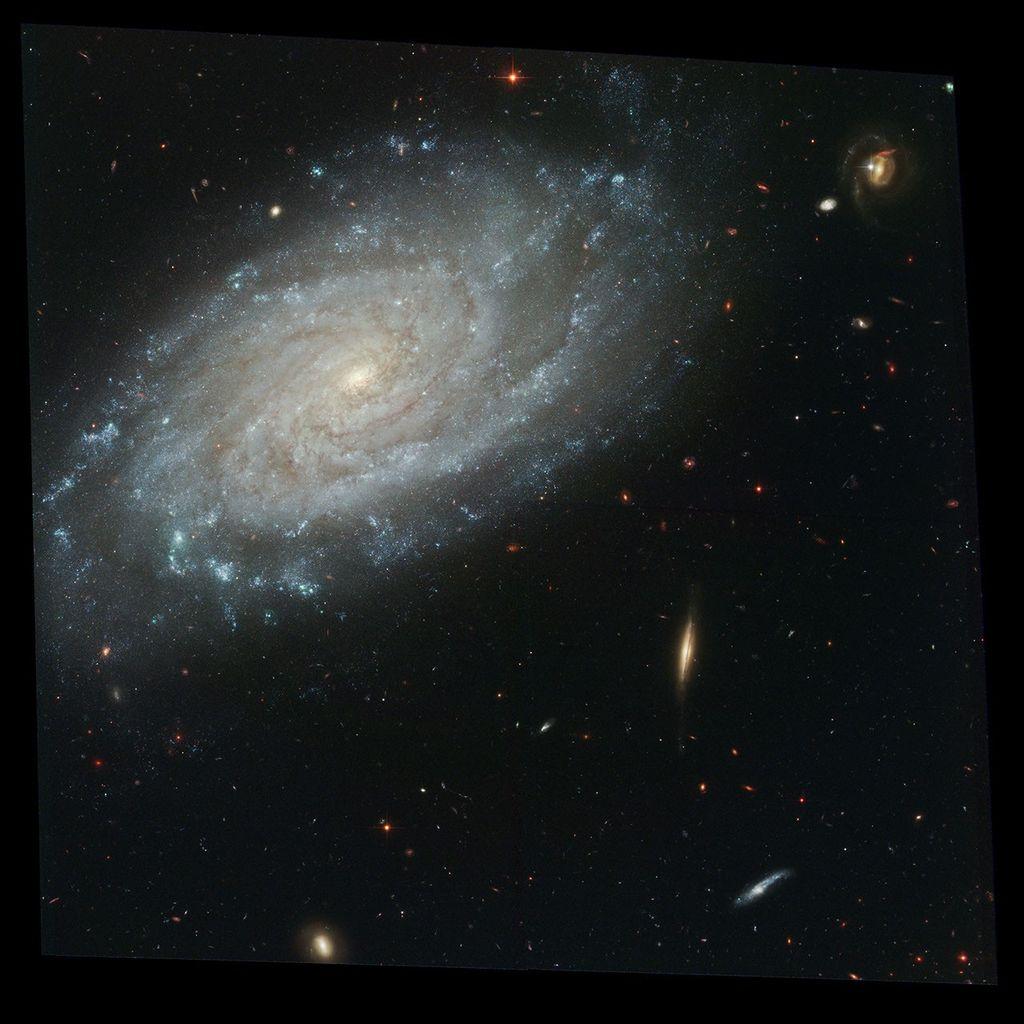
NGC 3370 Galaxy
NGC 3370 Galaxy is an unbarred spiral galaxy located in the constellation Leo, notable for its spiral structure. It holds particular importance in astronomical research, especially regarding Type Ia supernova observations and cosmological distance measurements. It was discovered by William Herschel on March 18, 1784. Location and General Characteristics NGC 3370 is located approximately 30 megaparsecs (about 98 million light-years) from Earth. Its observed apparent magnitude is approximately 12.
ENOsman Özbay
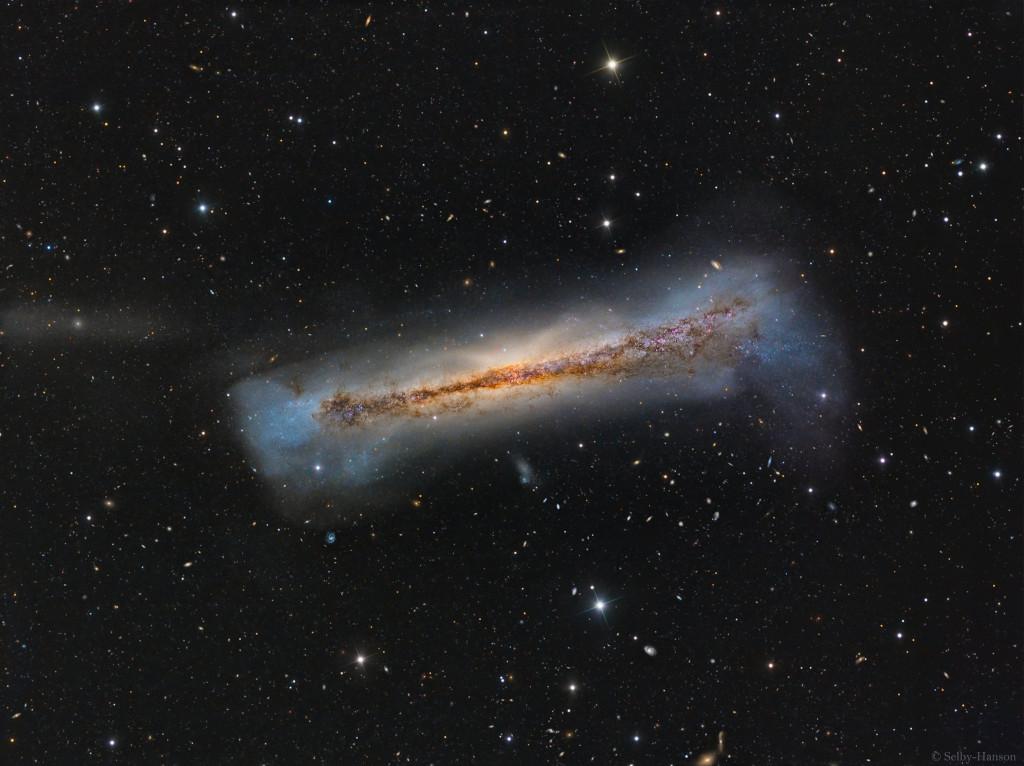
NGC 3628 Galaxy
NGC 3628 Galaxy is an unbarred spiral galaxy located in the constellation Leo, observed edge-on from Earth. Although this galaxy is often referred to in astronomical sources as the "Hamburger Galaxy," such nicknames are not used in academic contexts. NGC 3628 is a member of the galaxy group known as the "Leo Triplet", along with Messier 65 (M65) and Messier 66 (M66). This structure provides an important area of study, particularly for observing interactive galaxy dynamics and external gravitatio
ENOsman Özbay
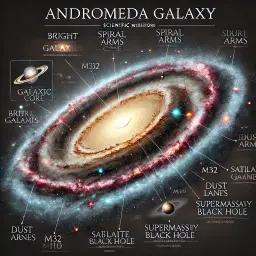
Andromeda Galaxy
Andromeda Galaxy (M31) is the closest spiral galaxy to the Milky Way and is located approximately 2.5 million light-years away. As the farthest celestial object visible to the naked eye, Andromeda holds great importance for astronomers. Providing critical information about galaxy formation and evolution in the universe, Andromeda is at the center of many scientific studies. Discovery and History Observations of the Andromeda Galaxy date back to ancient times. In 964, the Persian astronomer Abd a
ENOsman Özbay
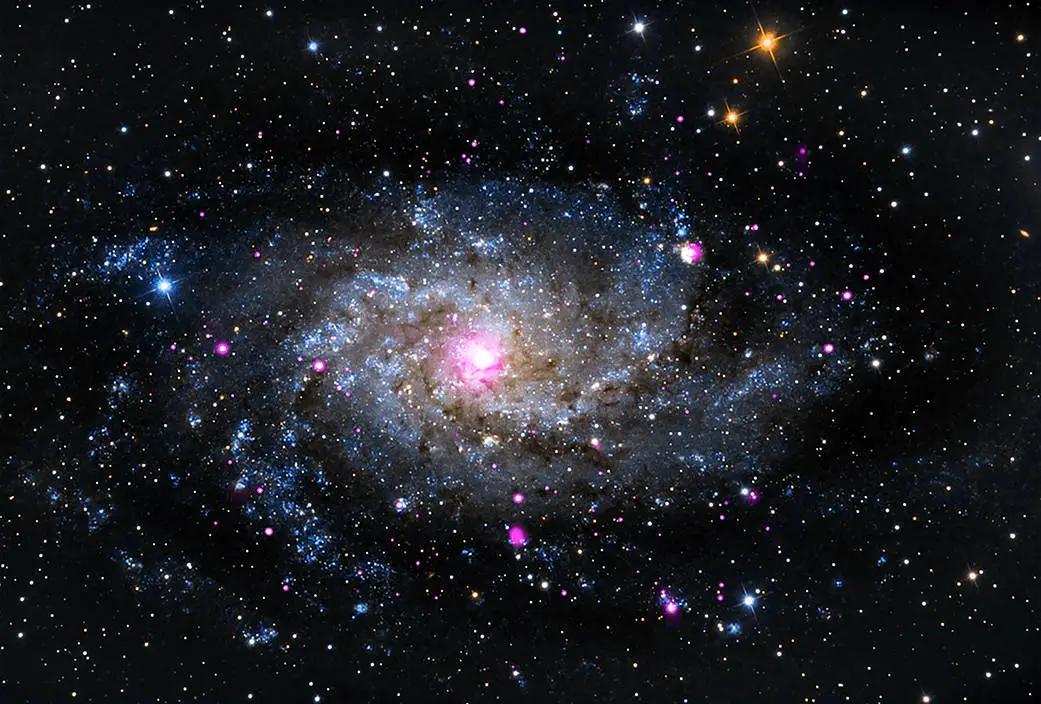
Triangulum Galaxy
edit Triangulum Galaxy (Messier 33 or NGC 598) is the third-largest galaxy in the Local Group after the Milky Way and Andromeda. It is generally accepted that the galaxy was first discovered in 1654 by Giovanni Battista Hodierna and was later cataloged by Charles Messier in the 18th century as M33. M33 is relatively easy to observe, making it a significant research target for both amateur and professional astronomers. General Features Location: Located in the Triangulum constellation Distance: A
ENOsman Özbay

Bilge Demirköz
Bilge Demirköz is a Turkish physicist renowned for her pioneering research in cosmic rays, space radiation, and astroparticle physics. A faculty member in the Department of Physics at Middle East Technical University (METU), Demirköz has made significant scientific contributions at both national and international levels. She is particularly recognized for her work on high-energy space particles, dark matter research, and space technologies. Life and Education Bilge Demirköz’s interest in science
EN
Seviye Nur Gönülölmez
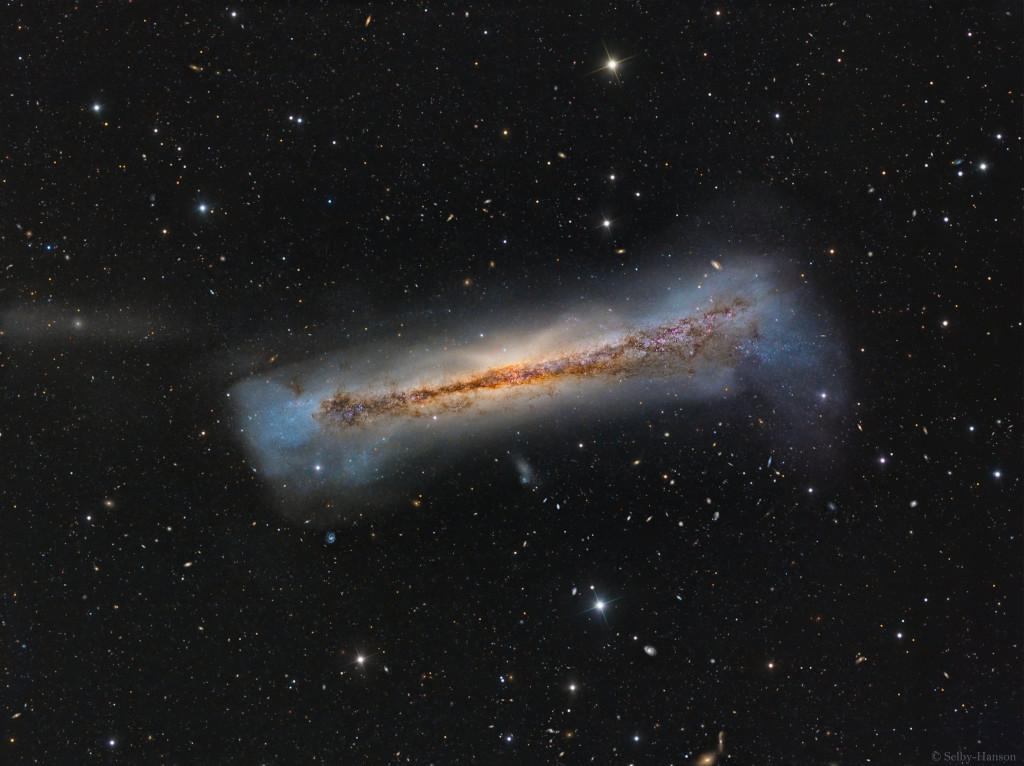
NGC 3628 Galaxy
NGC 3628 Galaxy is a barless spiral galaxy located in the constellation Leo, viewed edge-on. Although it is commonly referred to in astronomical sources as the "Hamburger Galaxy," such informal names are not used in academic contexts. NGC 3628 is a member of the "Leo Triplet," a group of galaxies that also includes Messier 65 (M65) and Messier 66 (M66). This structure constitutes an important area of study, particularly for observing interactive galaxy dynamics and external gravitational influen
ENOsman Özbay
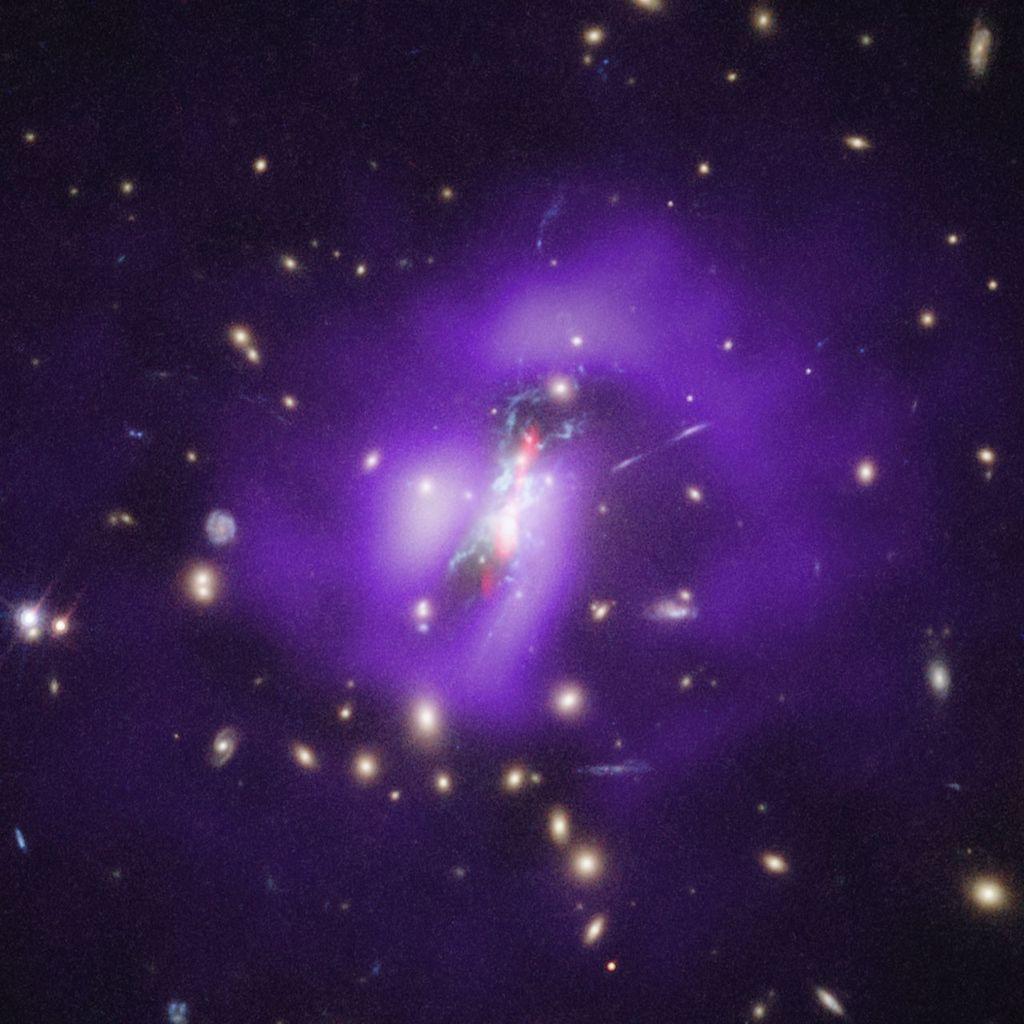
Phoenix Galaxy (NGC 625)
Phoenix Galaxy (NGC 625) is a dwarf irregular galaxy located in the Southern Hemisphere. This galaxy is studied particularly due to its isolated structure outside the Local Group and its ongoing star formation activity. The Phoenix Galaxy provides insights into the morphological diversity and evolutionary processes of galaxies in the universe. Location and Morphological Structure The Phoenix Galaxy is situated in the constellation Phoenix, near the South Celestial Pole. It lies approximately 13
ENOsman Özbay
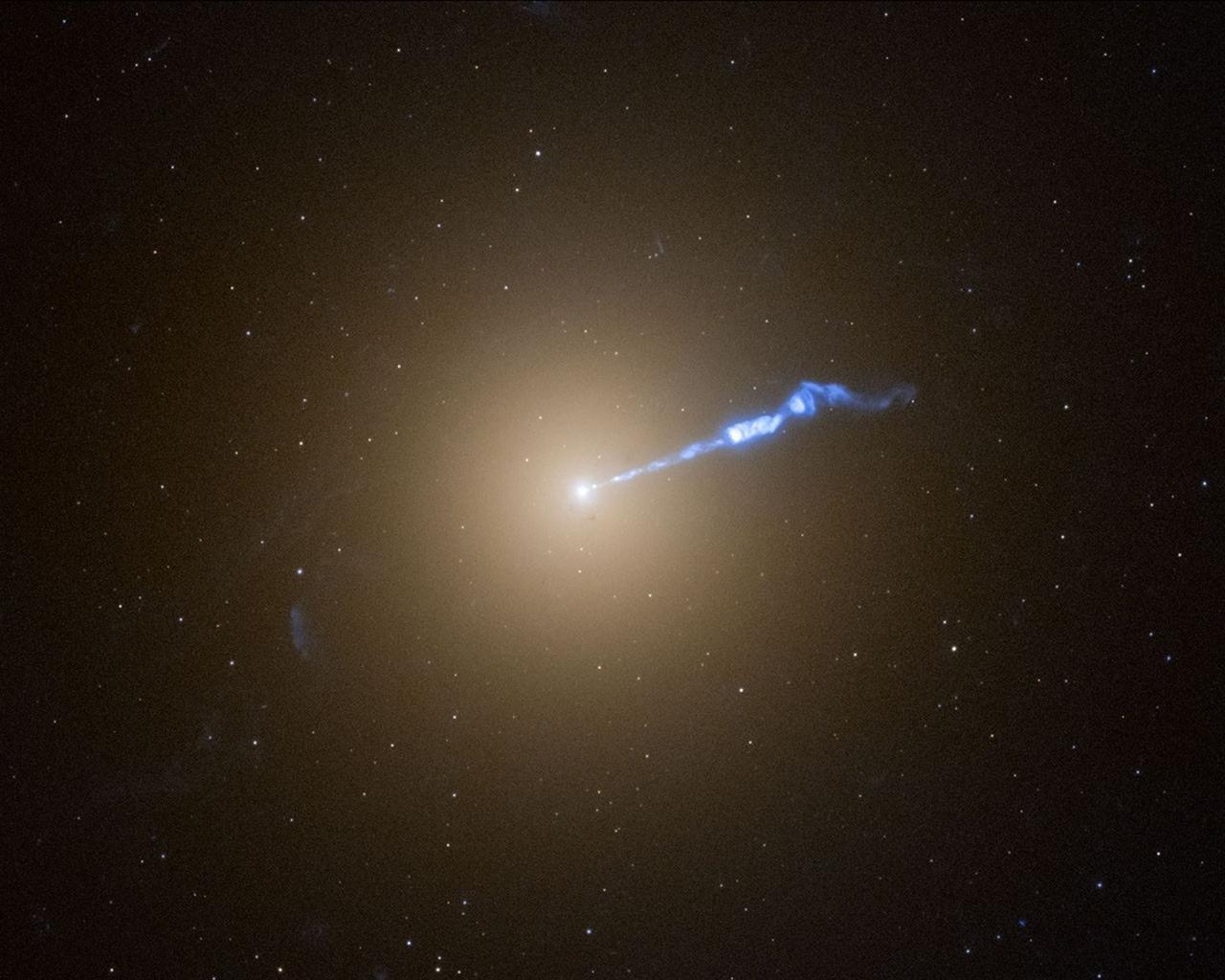
Messier 87 (M87)
Messier 87 (M87) is a massive elliptical galaxy located in the Virgo constellation. It was discovered in 1781 by French astronomer Charles Messier and is listed as the 87th object in the Messier catalog. Located approximately 53.5 million light-years from Earth, this galaxy is one of the largest and brightest members of the Virgo Cluster. It is particularly significant in astrophysical research due to the supermassive black hole at its center and the relativistic jet emitted from it. AI-Generate
ENOsman Özbay