
`dance` Related Article Results
 Ph
PhPhilosophy of Dance
Philosophy of dance is a field that examines fundamental philosophical questions such as the ontology, aesthetics, epistemology, and ethical dimensions of dance. This discipline addresses questions like what dance is, how it can be considered an art form, what meanings it carries, and how it produces knowledge and expression through bodily movement. It also analyzes the relationship between dance and society, culture, identity, and politics from a philosophical perspective. In this way, the phil
EN
Aslı Öncan
WaWaltz
Waltz is a partner dance that emerged in the late 18th century within Western dance traditions and gained widespread popularity across Europe throughout the 19th century. Originating from the folk dances of Austria and southern Germany, the waltz developed as a fusion of classical ballet and rural folk motifs. This dance form is distinguished particularly by its triple meter (3/4) musical structure and circular movements. In Eric McKee’s words, unlike the ornate yet restrained structure of the c
ENAslı Öncan
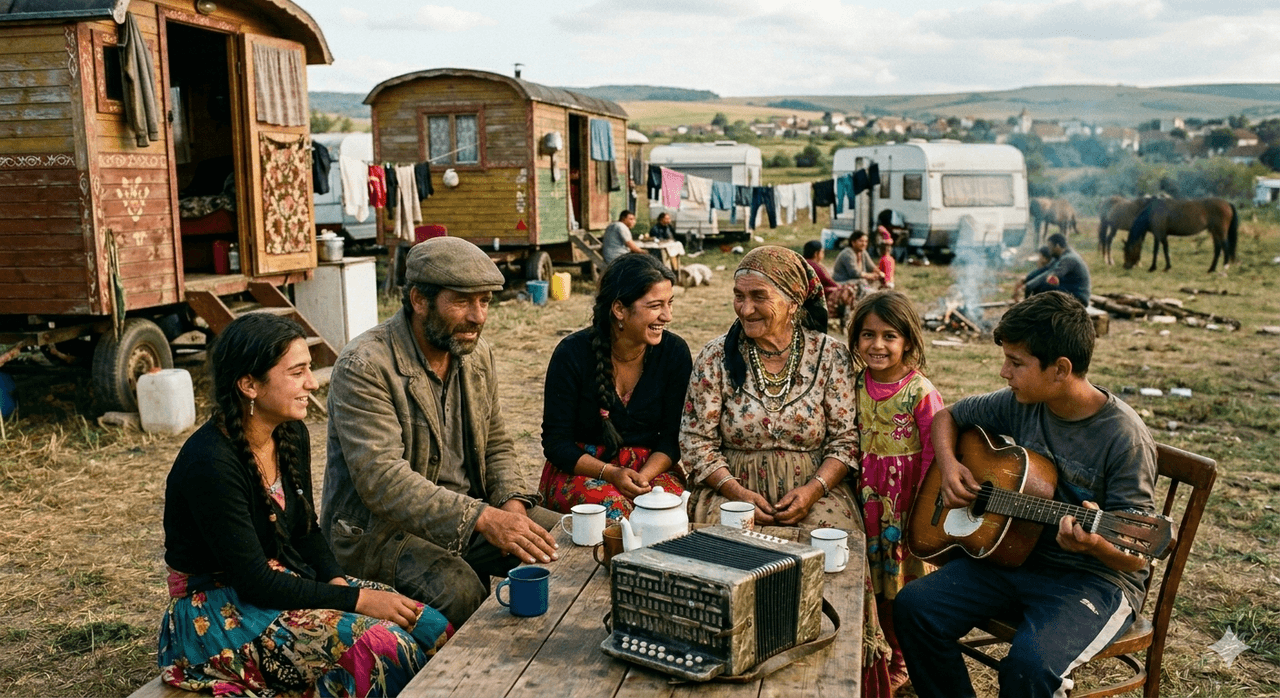
My golds, episode by episode, don't envy our decadence!
When you hear something constantly, after a while you begin to think it has always been there. As if it had no beginning. Some poems, some songs, certain music genres are like this. They play at a wedding, appear in a film, linger in your ear on a street corner… They are everywhere. So we accept them as “always present,” and some even call them “universal.” But in truth, of course, everything has a beginning—in someone’s life, in someone’s story… Today, if you are reading this, it means we are a
EN
Ayşe Aslıhan Yoran
BhBharata Natyam
Bharata Natyam is a classical South Indian dance form with origins in the Tamil Nadu region of India.【1】 Historically performed in Hindu temples, this dance was practiced especially by female dancers as an act of devotion to the god Shiva and other deities.【2】 Its name is commonly interpreted as deriving from the combination of the words "bhāva" (emotion), "rāga" (melody), and "tāla" (rhythm).【3】 This interpretation emphasizes that Bharata Natyam is a synthesis of emotional expression, musical s
ENAslı Öncan
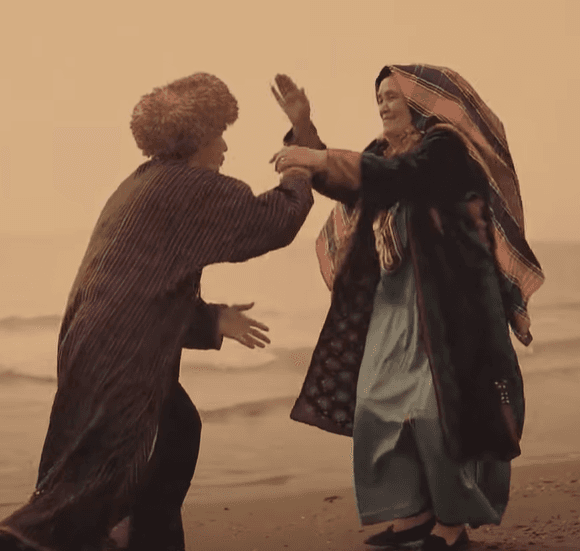
The term "Küştdepti" appears to be a misspelling or non-standard form. There is no recognized word or proper noun in Turkish
Küştdepdi is a folk dance from Turkmenistan that combines song (aydım) and rhythmic movements, performed communally as an essential part of weddings, holidays, and official ceremonies. It was inscribed on UNESCO’s Representative List of the Intangible Cultural Heritage of Humanity during the 12th Intergovernmental Committee for the Safeguarding of the Intangible Cultural Heritage, held on 4–9 December 2017 on Jeju Island, South Korea. Küştdepti Dance (Atajan Caryyarow) Name and Etymology The nam
EN
Duygu Şahinler
PhPhilosophy of Dance
The philosophy of dance is a field that examines fundamental philosophical questions regarding dance’s ontology, aesthetics, epistemology, and ethical dimensions. This discipline addresses questions such as what dance is, how it can be considered an art form, what meanings it carries, and how it generates knowledge and expression through bodily movement. It also analyzes, from a philosophical perspective, dance’s relationship with society, culture, identity, and politics. Thus, the philosophy of
ENAslı Öncan
Musical Theatre
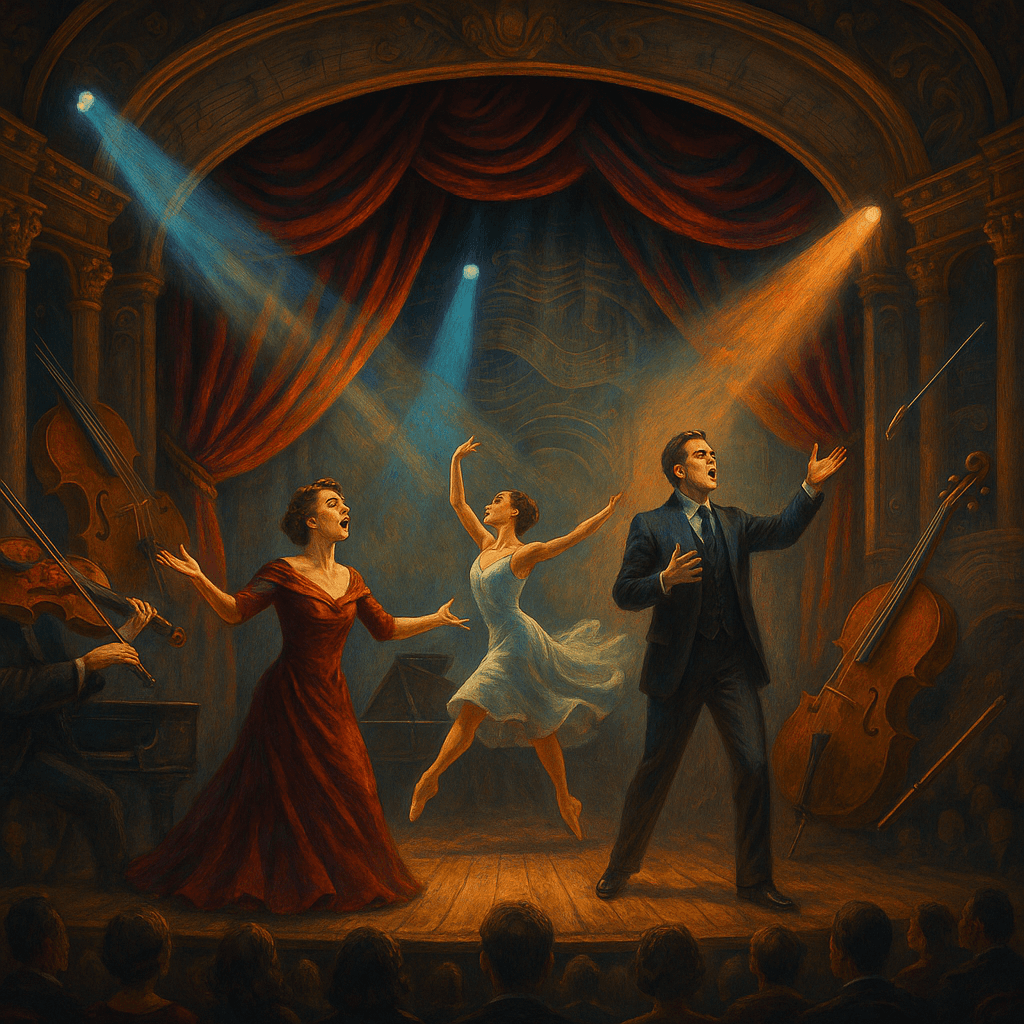
Musical theatre is a dramatic and entertaining stage art form characterized by a unique plot structure in which music, dance, and dialogue are presented as an integrated whole. In this form, commonly abbreviated as “musical,” narrative and emotional content are conveyed through words, music, bodily movement, and dramatic structure, often expressing emotions such as humor, tragedy, love, and anger. Although musical theatre shares certain structural similarities with opera, operetta, ballet, and o
EN
Ömer Said Aydın
Dabke
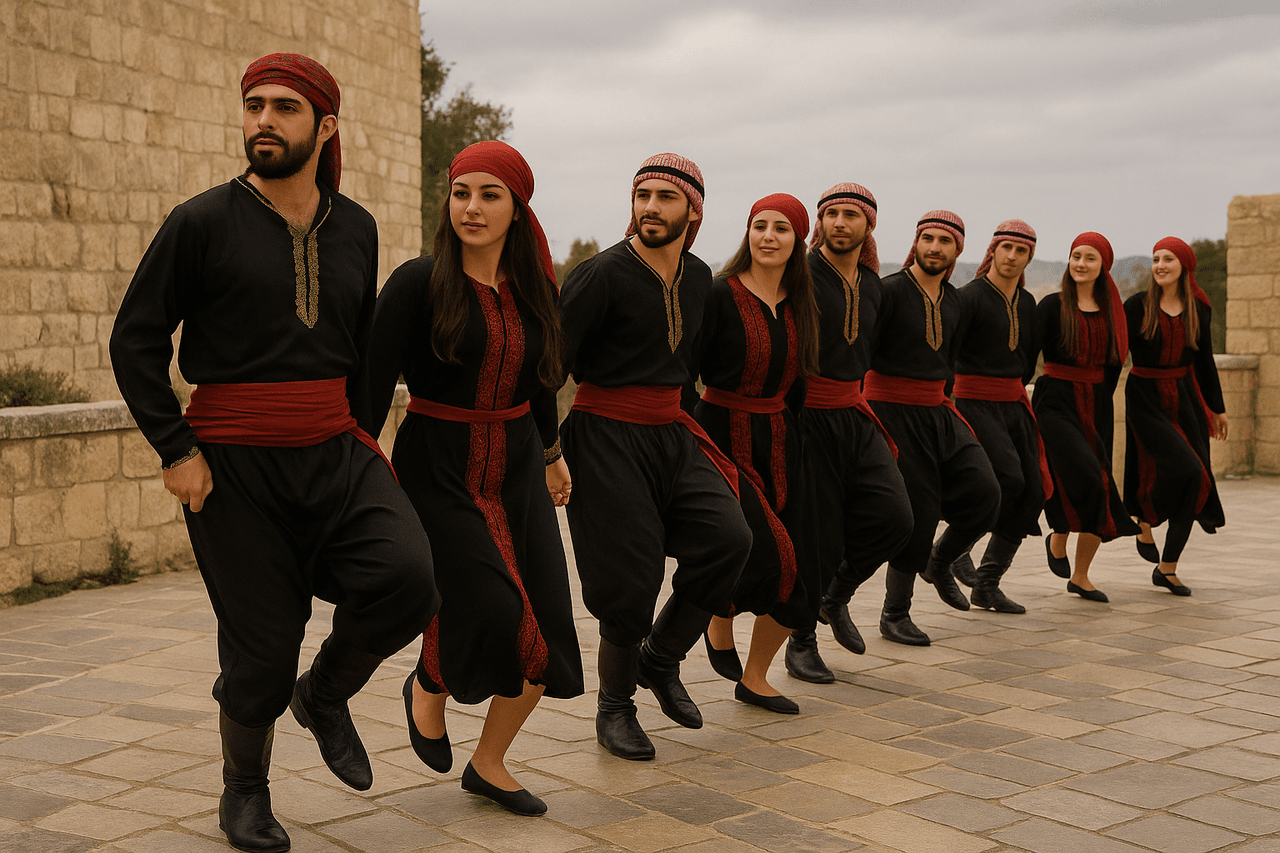
Dabke is a community-based folk dance widely performed in the Levant region (Palestine, Lebanon, Syria, Jordan, and surrounding areas). Historically combining elements of entertainment and solidarity, this dance was inscribed in 2023 on UNESCO’s Intangible Cultural Heritage List. Dabke is performed by both men and women, with dancers forming a straight line or semicircle, holding hands and stepping in synchronized motion. Historical Origins The origins of Dabke are rooted in the rural life of th
EN
Sümeyye Akkanat Terzioğlu
KaKara Jorga
Kara Jorga (Kazakh: Qara Jorğa or Қара Жорға) is a folk dance originating from Kazakh steppe culture that imitates the gait and movement of a horse. Historical sources describe it as a male solo dance, with performers aiming to showcase strength and agility while seated on a saddle. Today, it is performed by men and women of all ages in duets, groups, stage arrangements, and even “flash mob” formats. Common musical pieces accompanying the dance include “Sal Küreng” and “Qara Jorğa.” Kara Jorga (
ENDuygu Şahinler