

`cultural-history` Related Article Results
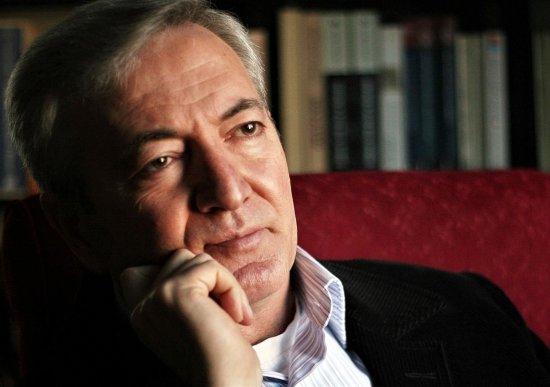
Beşir Ayvazoğlu
Beşir Ayvazoğlu (b. 1953, Sivas) is a Turkish writer, literary historian, and journalist. He is known for his publications in the fields of classical Turkish literature, cultural history, and biography. He draws attention through his works that analyze a culture-based approach to literature and thought, and examine the transition between tradition and modernity. Education and Professional Life Beşir Ayvazoğlu was born in Sivas in 1953. He completed his primary and secondary education there. In 1
EN
Hüseyin Caner Özkan
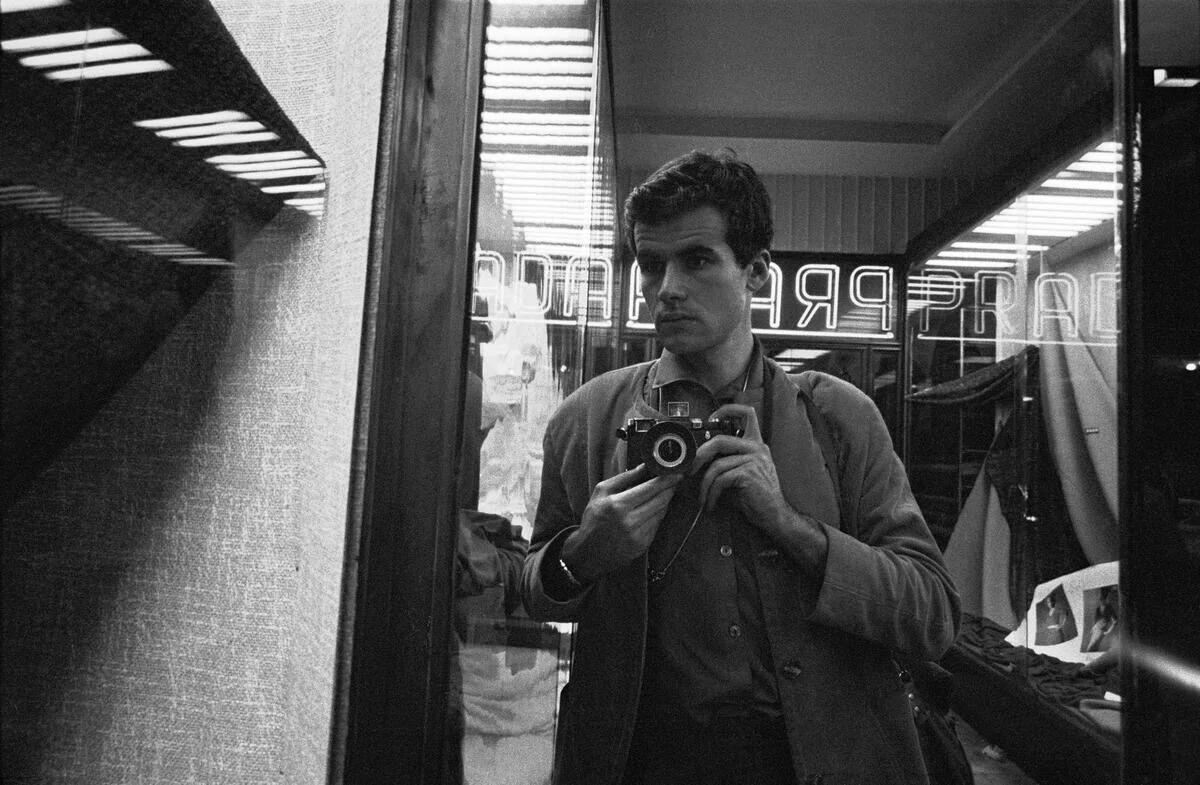
Bruno Barbey
Bruno Barbey was born on 13 February 1941 in Rabat, Morocco. His childhood was immersed in Mediterranean culture, which left a lasting imprint on his visual language. After receiving photographic training at the École des Arts et Métiers in Switzerland, he turned to photography in the early 1960s. In 1964, he joined Magnum Photos, becoming a full member in 1968. Over time, he served as vice president of Magnum and as its representative in France. In the early stages of his career, Barbey documen
EN
Hamza Aktay
 Wh
WhWhat Is Cultural History? (Book)
Peter Burke's What Is Cultural History examines the development of cultural history, its key debates, and its relationship with different disciplines. The author emphasizes how cultural history differs from traditional historiography and requires an interdisciplinary approach. The book explores topics ranging from classical understandings of cultural history to Marxist debates, historical anthropology, structural analyses, and postmodern approaches. Contents The book covers fundamental topics re
EN
Mehmet Salih Çoban
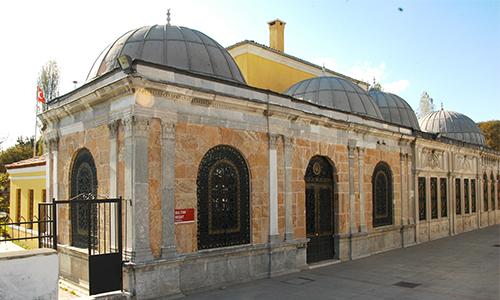
Adile Sultan Türbesi
Adile Sultan Türbesi is an architectural structure located at the end of Bostan İskelesi Street in the Eyüpsultan district of Istanbul, built in the mid-19th century and containing the tombs of members of the Ottoman dynasty and state officials. Location and Environmental Features The structure is situated to the left of Hüseyin Paşa Türbesi and directly opposite the Hüseyin Paşa Library.【1】 The area where the türbe stands is historically known for its proximity to Bostan İskelesi, the pier wher
EN
Gözde Cabadak

Köse Gelin Oyunu
Imagine this: on the coldest days of winter, when everyone has retreated indoors, sudden jingling sounds and laughter rise from outside. These noises announce the arrival of the Köse Gelin game, a tradition that has been practiced for centuries in the villages of Anatolia. Have you ever imagined a giant, furry figure and a beautifully dressed bride knocking on your door and dancing in the freezing air? This game is one of our most joyful traditions, played to celebrate the end of winter and the
EN
gamze halil
CuCultural History
Cultural history is a field of historical writing that examines the thought systems, beliefs, values, aesthetic perceptions, daily life practices, and collective identity formations of past societies. Unlike traditional political and military history, it focuses on the worldviews of individuals and communities, cultural production processes, and mechanisms of memory. Cultural history evaluates how human experiences have been shaped throughout history through elements such as symbols, rituals, ar
ENMehmet Salih Çoban
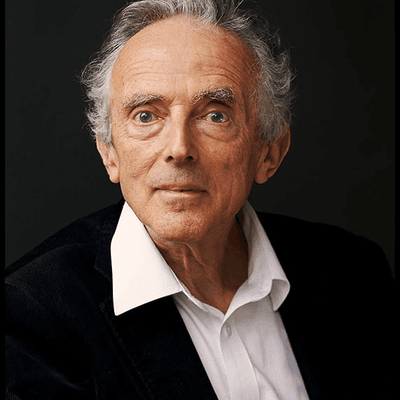
Peter Burke's Historiography
Peter Burke is a historian who embraces interdisciplinary approaches, emphasizes the perspective of cultural history, and seeks alternative methods to traditional historiography. His understanding of history is influenced by the methods of the Annales School, aiming to transcend the boundaries between history and social sciences. He examines history not only through major events, wars, and political leaders but also through social practices, cultural productions, daily life, and individual exper
ENMehmet Salih Çoban
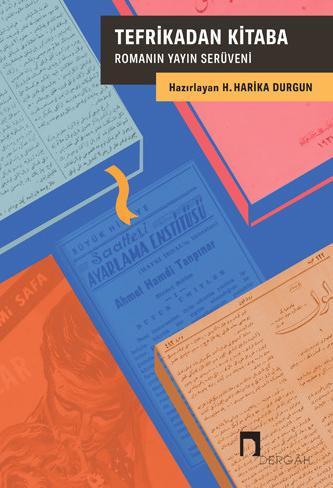
The Publishing Journey of the Novel Tefrikadan Kitaba (Book)
The Publishing Journey of the Novel from Serial Publication to Book Form is a study prepared by Haziran Harika Durgun, an expert in literary studies. Published in December 2024 as part of Dergâh Yayınları’s Turkish Literature – Analysis series, the work analyzes the textual and structural differences between novels originally published in serial form and their subsequent book editions from the perspectives of cultural and literary history. Subject The book examines the textual and structural tra
ENDuygu İrem Erge
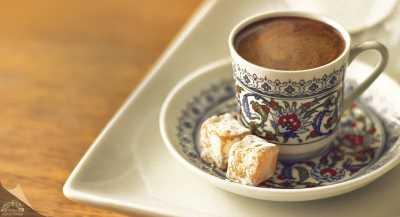
Turkish Coffee
Turkish coffee is a beverage distinguished by its unique aroma, foam, and sediment, made from roasted and finely ground seeds of the coffee plant (Coffea arabica). It is typically served in small, single-handled cups, accompanied by water and Turkish delight. Although the coffee plant does not grow in Türkiye, Turkish coffee is differentiated by its distinctive grinding and brewing methods. History The introduction of Turkish coffee into Ottoman society dates back to the mid-16th century. Coffee
EN
Zelal Çakar

Shahmaran (Shahmeran) Legend
The Shahmaran Legend; a traditional narrative cherished and preserved through oral and written cultural traditions within Turkish storytelling, reaching the present day in various forms.【1】 The mythical creature known as Shahmaran or Shahmeran, described as having a human head—largely female—and a serpent’s body, derives from the Persian expression “Shah-i Mârân,” meaning “king of serpents.” In Semitic legends, this being is referred to as “Yamliha,” a name carrying the meanings “to rule” or “to
ENTalha Yıldırım