

`cosmic-rays` Related Article Results
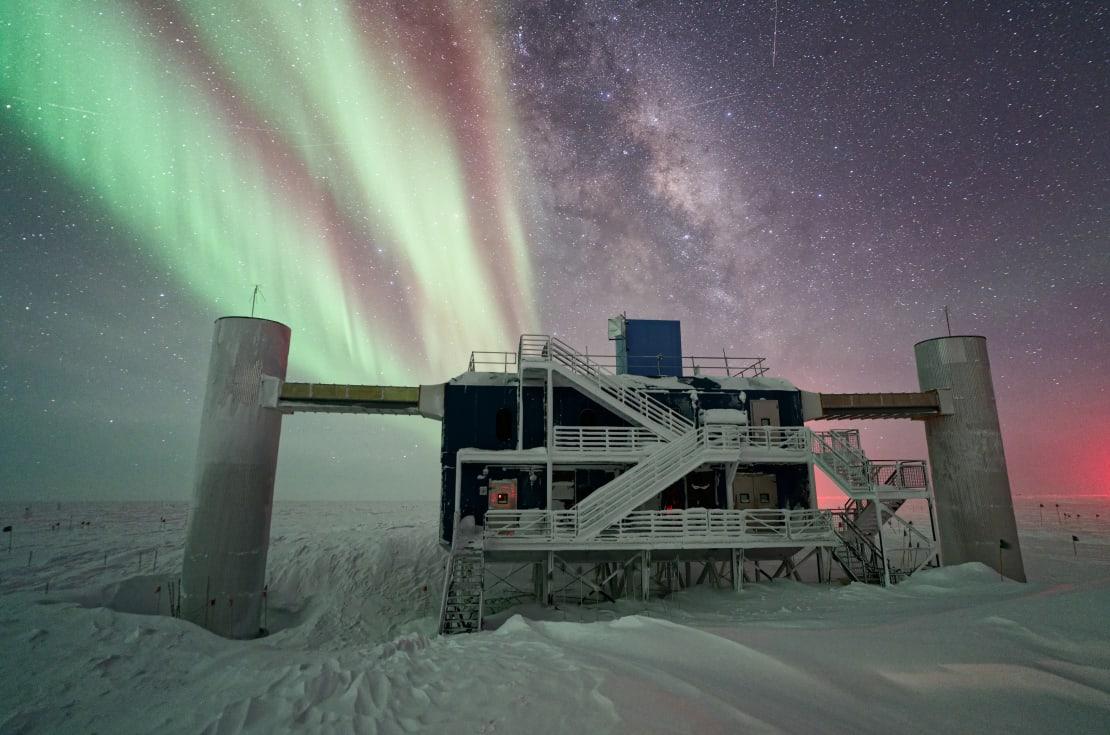
IceCube Observatory
To detect neutrinos—nearly massless subatomic particles produced by radioactive decay—the IceCube Observatory is a particle detector constructed from Antarctic ice and extending approximately 2,500 meters below the surface. IceCube, the first gigaton neutrino detector ever built, is designed to observe the most intense neutrinos in the universe through the ice. Location and Structure of the IceCube Observatory Antarctica is a valuable location due to its extreme conditions—low temperatures, low
EN
Hatice Kübra Varıcı
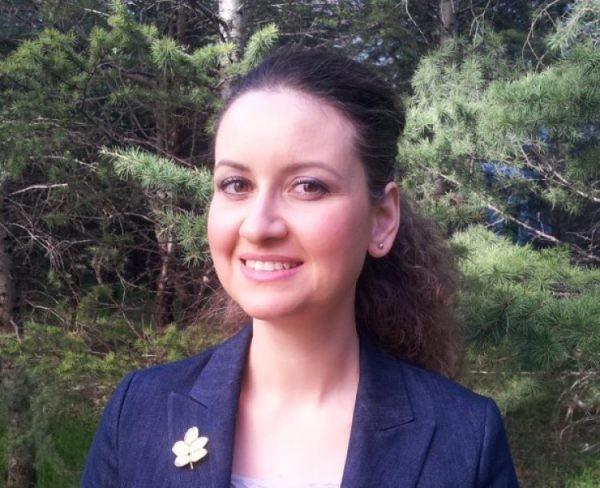
Bilge Demirköz
Bilge Demirköz is a Turkish physicist renowned for her pioneering research in cosmic rays, space radiation, and astroparticle physics. A faculty member in the Department of Physics at Middle East Technical University (METU), Demirköz has made significant scientific contributions at both national and international levels. She is particularly recognized for her work on high-energy space particles, dark matter research, and space technologies. Life and Education Bilge Demirköz’s interest in science
ENSeviye Nur Gönülölmez
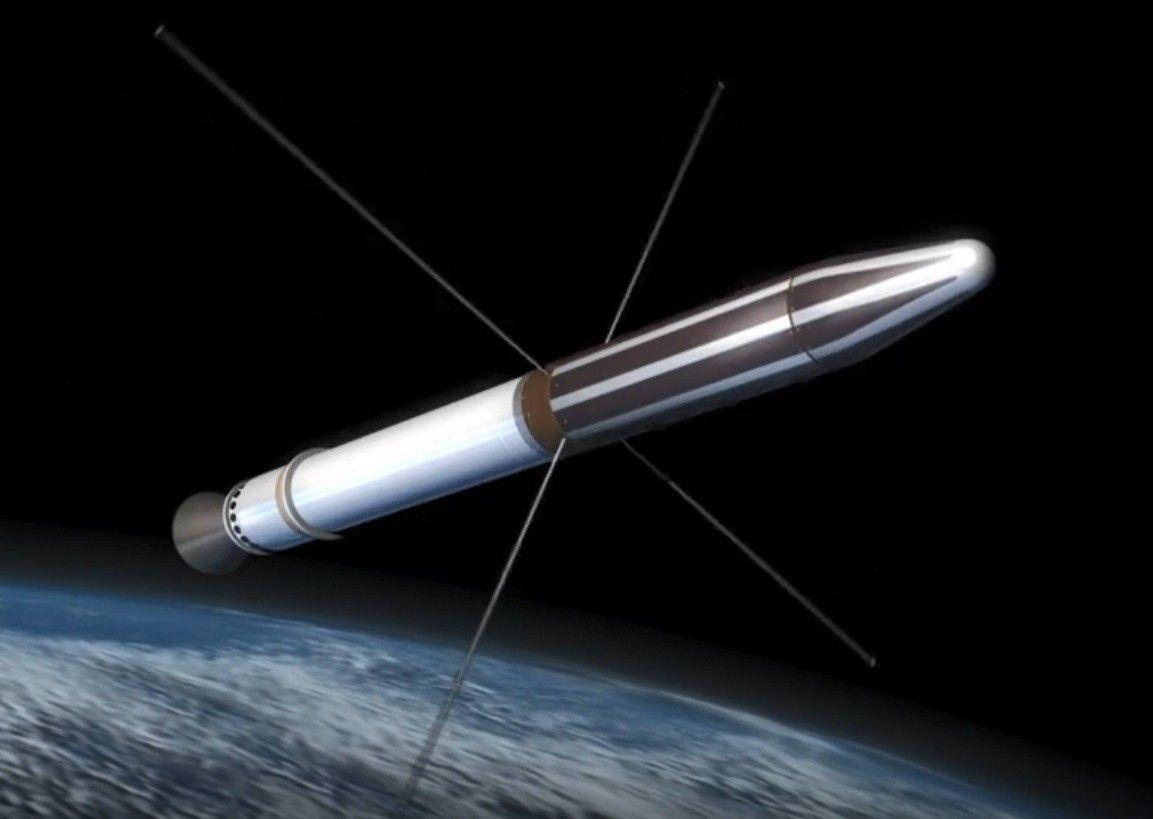
Explorer 1
Explorer 1 is the first artificial satellite successfully placed into orbit by the United States of America. Launched on 31 January 1958, it was a direct response to the Soviet Union’s launches of Sputnik 1 and Sputnik 2 during the Space Race of the Cold War. Explorer 1’s mission did not merely achieve a technological milestone; it also marked the first major scientific discovery of the space age by revealing the existence of the Van Allen radiation belts surrounding Earth. This historic mission
EN
Erhan Şencan